Digital Security for Travelers: Protecting Your Devices, Data, and Accounts Abroad
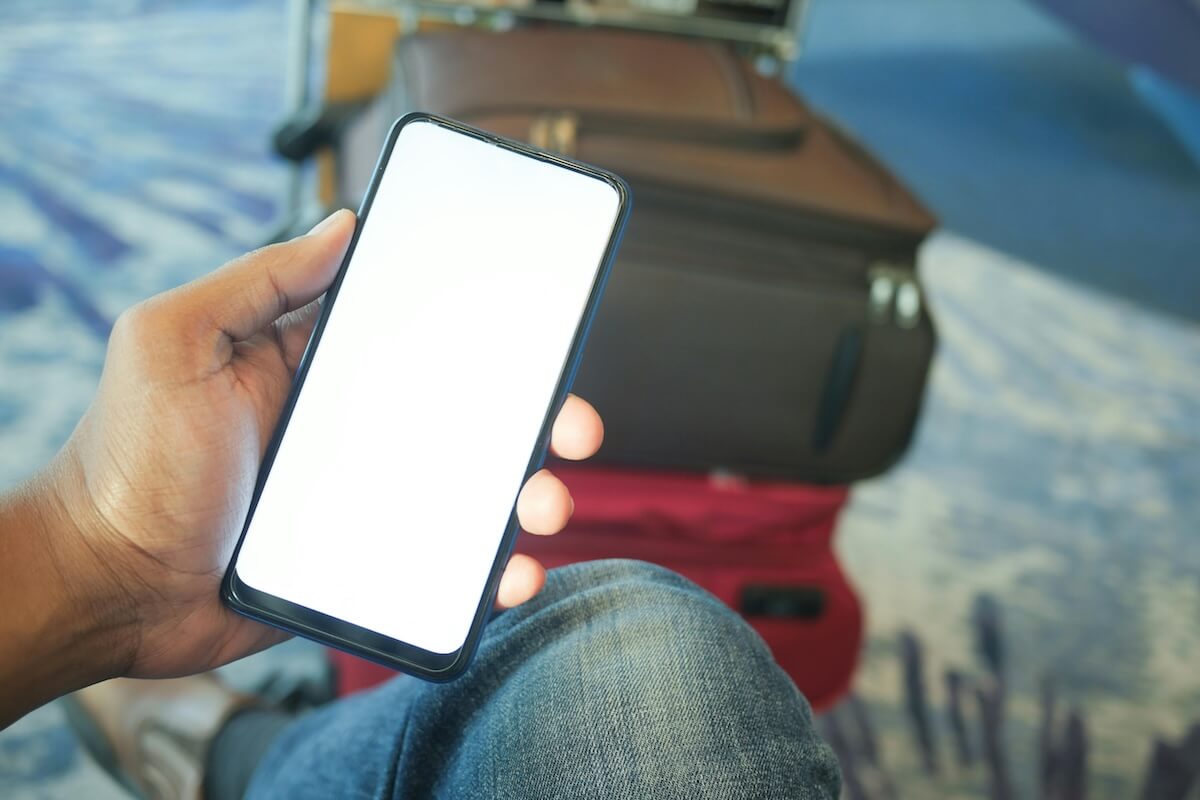
Your phone contains your entire travel life—boarding passes, banking, maps, photos, and identity. Here's how to protect it before something goes wrong, not after.
Fresh dispatches from around the world
Your phone contains your entire travel life—boarding passes, banking, maps, photos, and identity. Here's how to protect it before something goes wrong, not after.
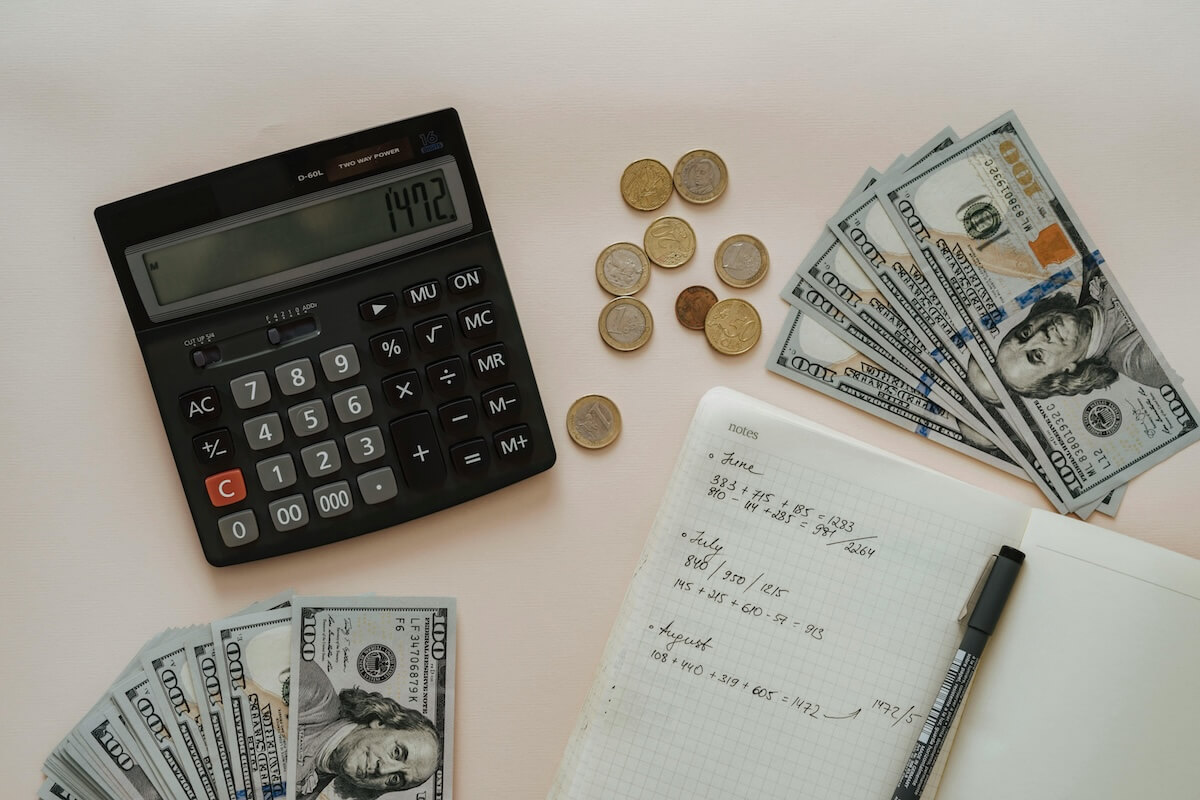
Most trip budgets fail because they're built on wishful thinking rather than realistic math. Here's how to estimate costs accurately and track spending without obsessing.
Adding destinations is easy. Making them flow together without exhausting yourself or wasting money on backtracking requires actual strategy.
The best time to visit most destinations isn't peak season or off-season. It's the sweet spot between them—where you get decent weather, fewer crowds, and lower prices all at once.
The world's first shark sanctuary, mandatory reef-safe sunscreen, and a pledge every visitor must sign. This Pacific island nation of 18,000 people is using its sovereignty to protect the ocean.
High prices, strict limits, and revenue sharing with communities. Rwanda's gorilla tourism model proves that making travel expensive and exclusive can actually protect what we come to see.
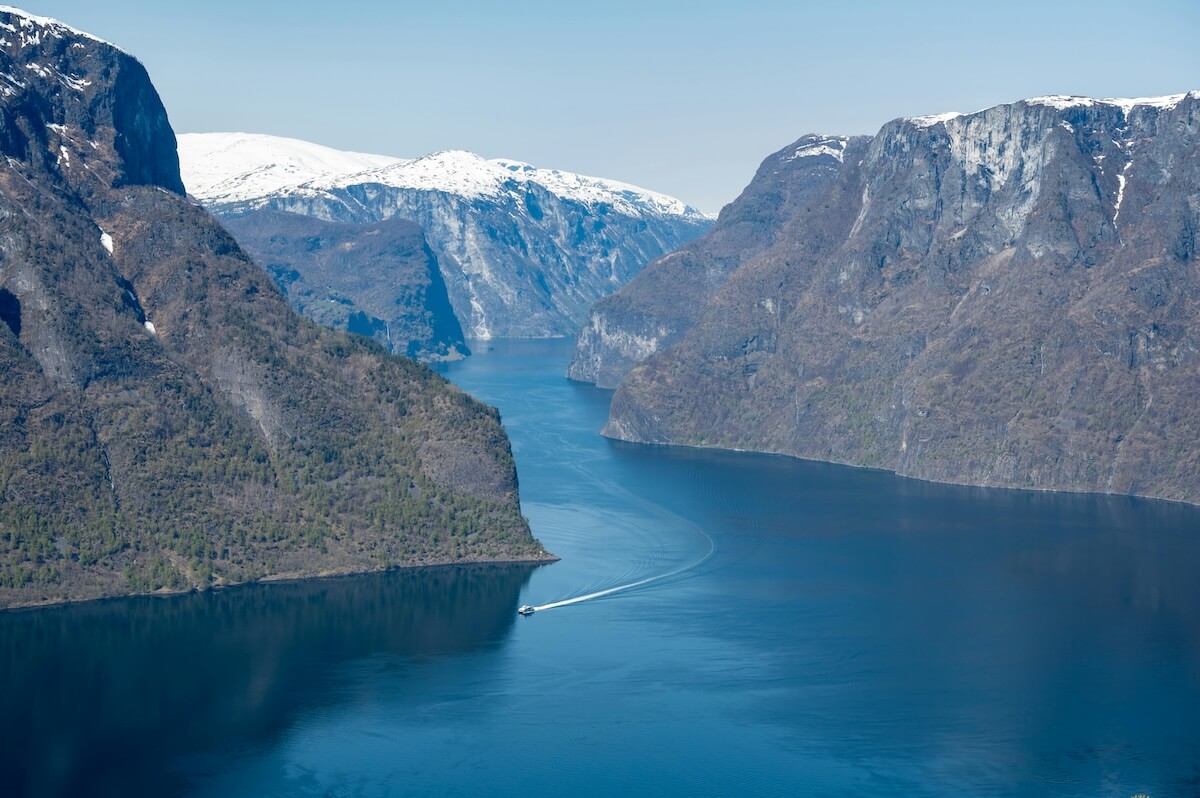
High prices, electric ferries, right-to-roam laws, and a culture that treats nature as something to protect rather than consume. Norway offers a model for what sustainable travel could look like everywhere.
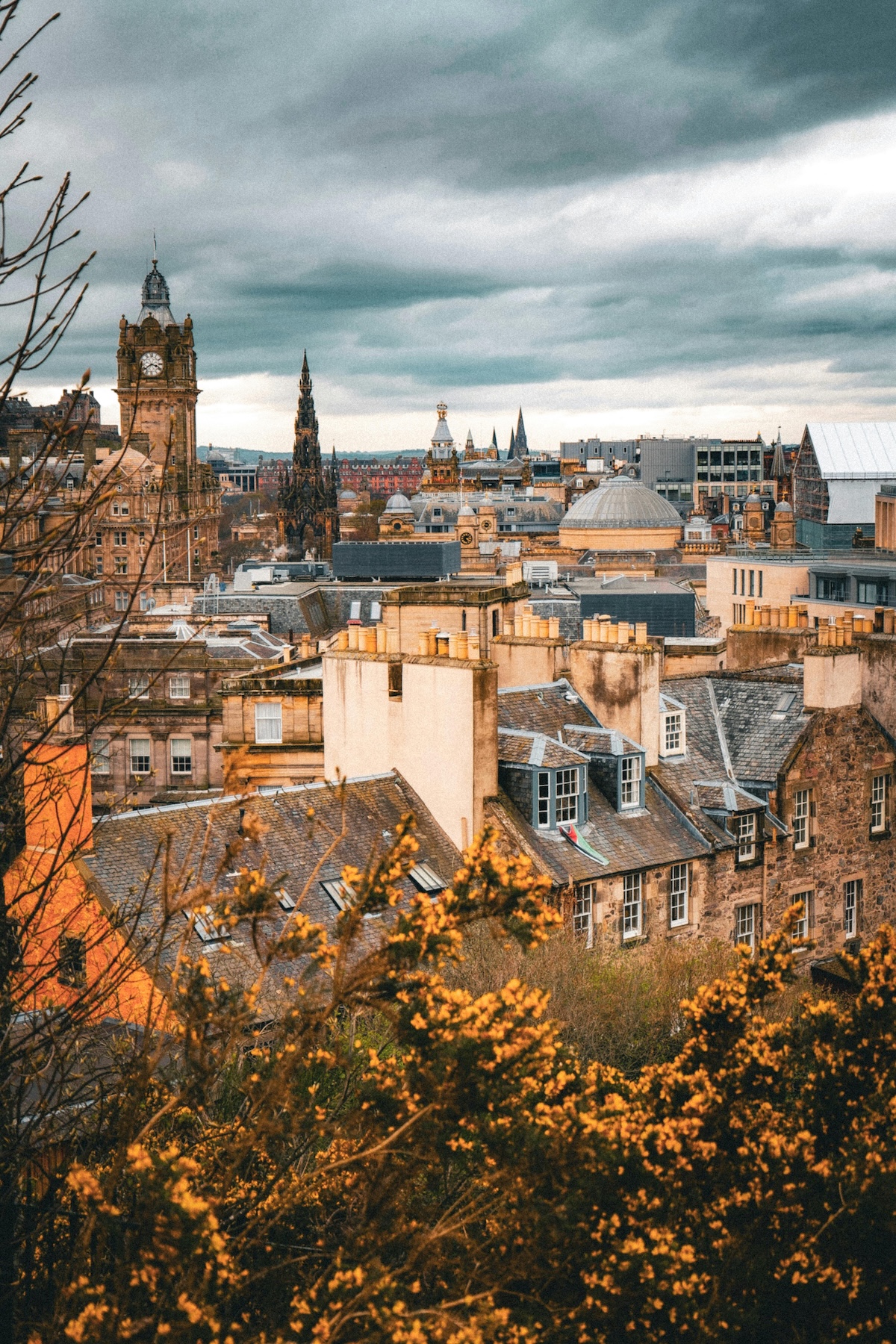
Wild landscapes that demand solitude, cities built for walking, and a culture where talking to strangers isn't just accepted—it's expected. Scotland might be the most naturally solo-friendly country in Europe.
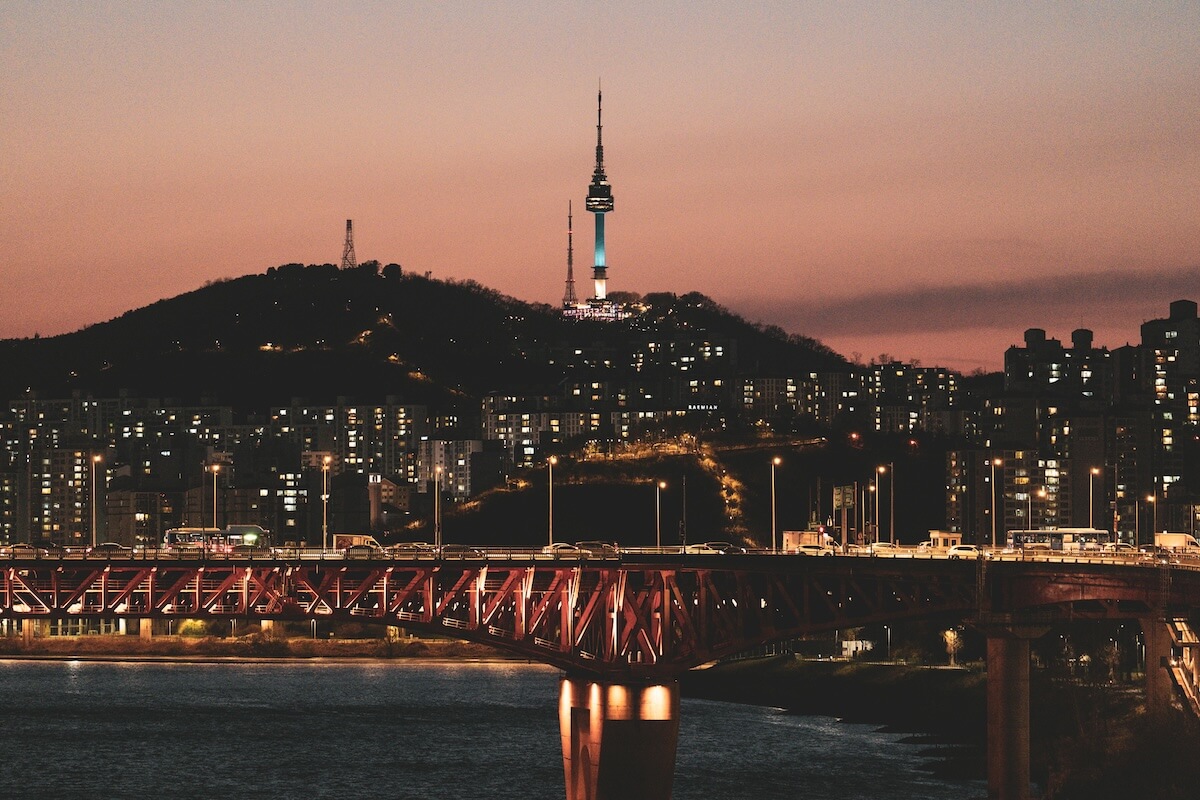
A country that never sleeps, where convenience stores serve better food than most restaurants and strangers will walk you to your destination. South Korea might be the most underrated solo destination in Asia.
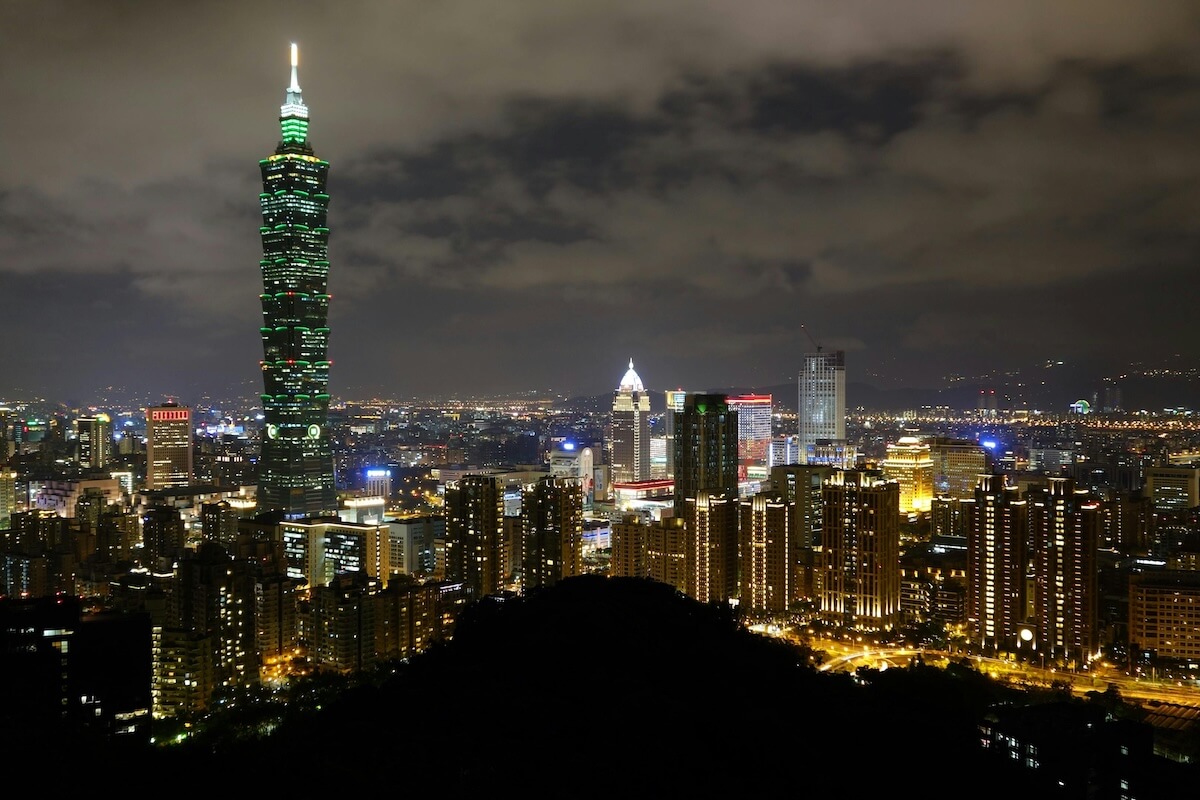
Safe, affordable, impossibly easy to navigate, and packed with food that rivals anywhere in Asia. Taiwan might be the most underrated solo travel destination on earth.
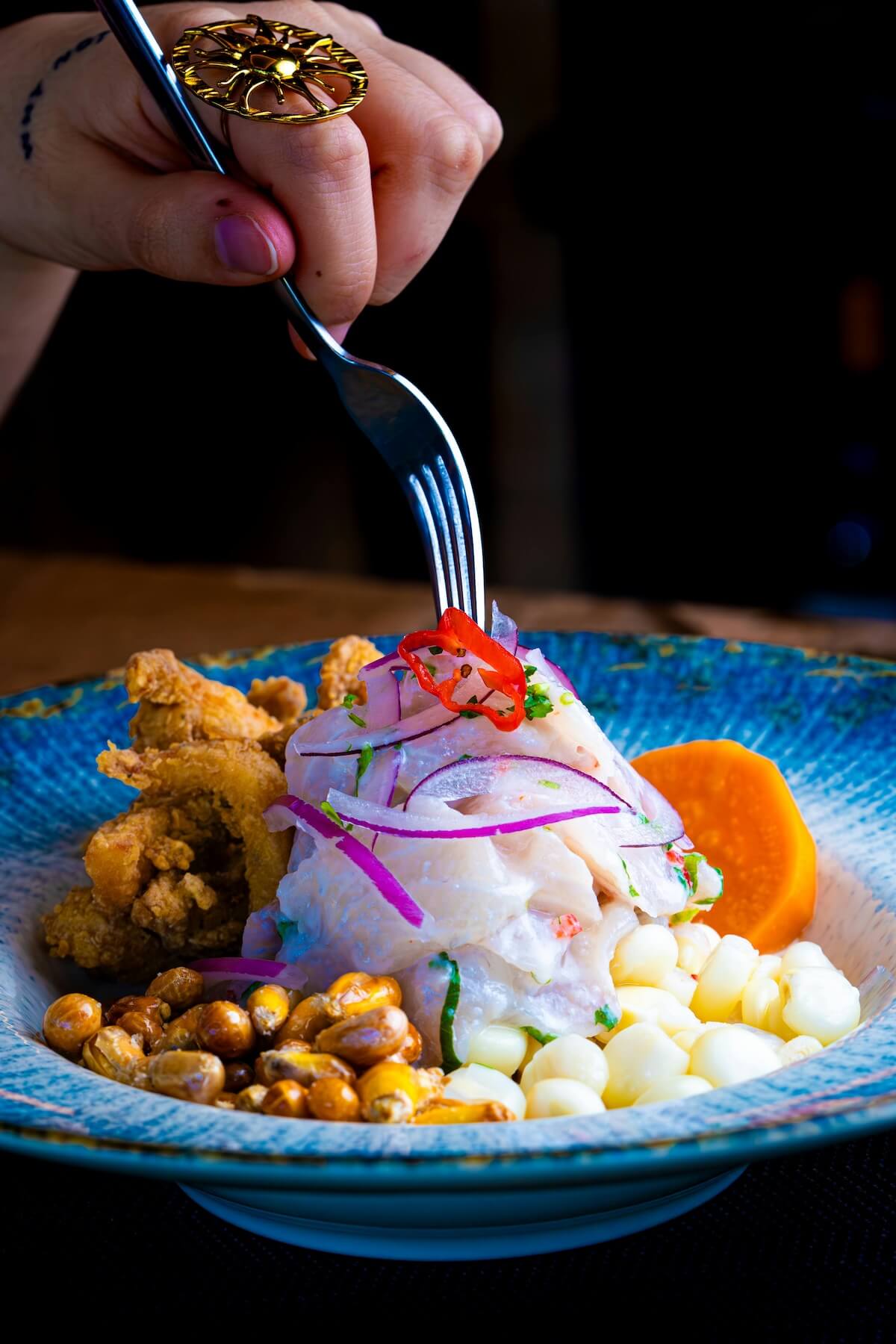
In Lima's cevicherías, lunch isn't a meal—it's a ritual. Here's what happens when you eat the world's freshest fish at 11:47 AM, exactly when the locals do.
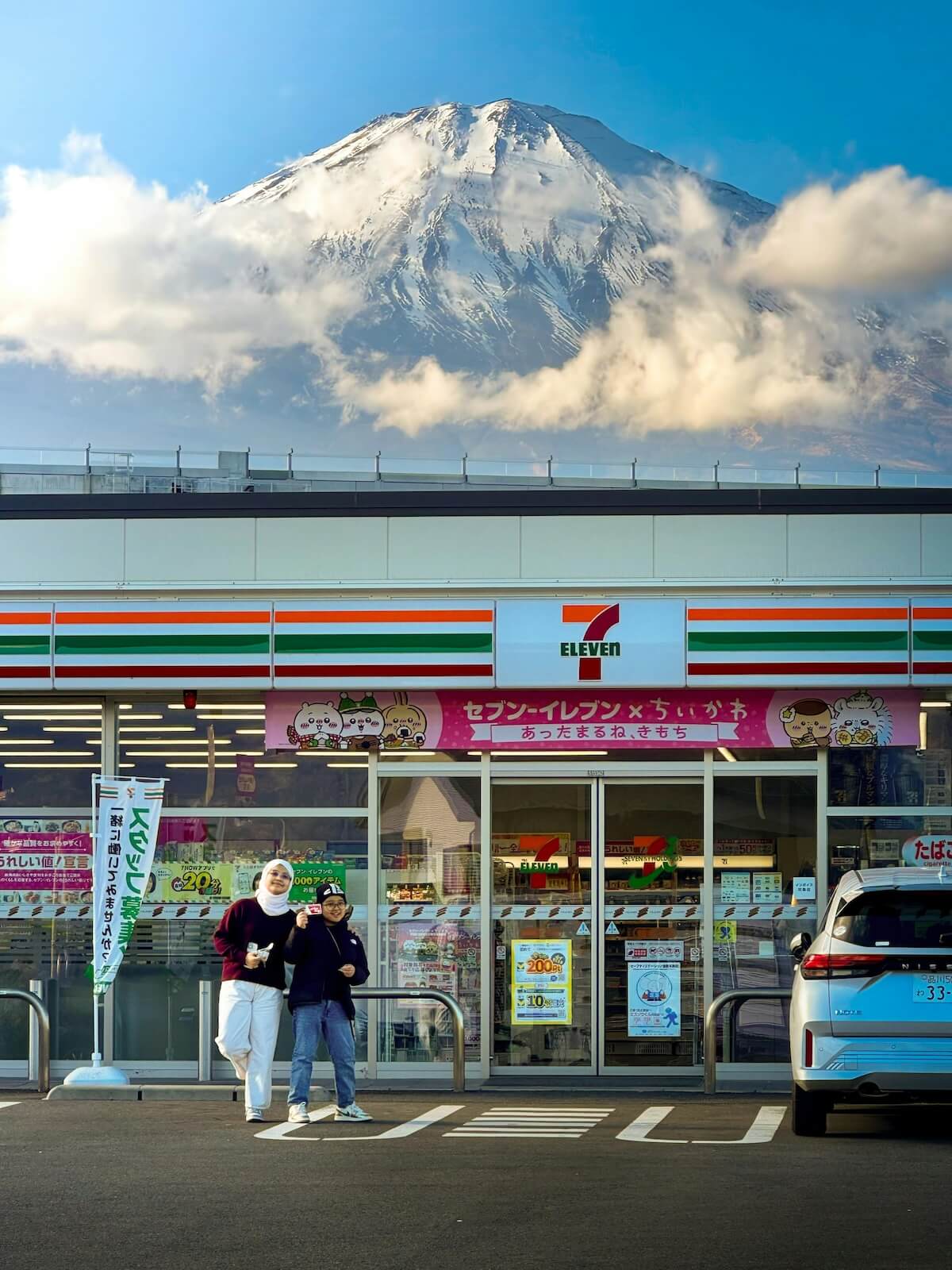
Japanese konbini aren't American 7-Elevens. They sell restaurant-quality meals for ¥500-700 ($3-5), fresh daily, with standards that shame most countries' sit-down restaurants. This is how Japan actually eats.