The Shoulder Season Strategy: How to Time Your Trips for Better Travel
The best time to visit most destinations isn't peak season or off-season. It's the sweet spot between them—where you get decent weather, fewer crowds, and lower prices all at once.
I once visited Barcelona in August. The temperature hit 35°C. Every restaurant had a forty-minute wait. La Sagrada Familia required a reservation booked three weeks in advance. The beach was so packed that finding a square meter of sand required genuine strategy. It cost more than any other trip I'd taken that year.
Two years later, I returned in late October. The weather was perfect—mid-twenties, clear skies. I walked into restaurants and got seated immediately. I bought Sagrada Familia tickets the same morning. The beach had actual space. My hotel cost 40% less. The city felt like it belonged to the people who lived there, not the tourists who overwhelmed it.
That's shoulder season: the weeks on either side of peak tourist months when destinations still function well but haven't yet been consumed by crowds. Understanding how to identify and use these windows is one of the most practical travel skills you can develop.
What Shoulder Season Actually Means
Every destination has three seasons: peak (when everyone goes), off-season (when almost no one goes), and shoulder (the transitions between them). Peak season usually aligns with school holidays and optimal weather. Off-season often means closed attractions, limited transport, or genuinely unpleasant conditions. Shoulder season offers a middle path.
The specific dates vary enormously by location. European shoulder seasons typically fall in April-May and September-October. Southeast Asia's shoulder months are often April-May and October-November. The Caribbean's shoulder season runs roughly April-June, after winter crowds leave but before hurricane season peaks. Southern hemisphere destinations flip the calendar entirely.
The key insight is that shoulder season isn't about accepting worse conditions for lower prices. Done correctly, it's often about getting better conditions—more space, more authenticity, more access—while also paying less. The tradeoff is usually minor: slightly cooler temperatures, occasional rain, or reduced hours at some attractions.
Europe's Two Windows
For most of Europe, the shoulder seasons are remarkably consistent: late April through early June, and September through mid-October. These windows work because European peak season is brutally concentrated. July and August bring school holidays across the continent, creating a tidal wave of family travel that overwhelms infrastructure designed for normal human density.

Spring shoulder season (April-May) offers warming temperatures, blooming gardens, and cities that haven't yet surrendered to tourist mode. Paris in late April means flowering chestnut trees and manageable lines at the Louvre. Amsterdam's tulip season peaks in mid-April—crowds exist but nothing like summer. Rome in May is warm enough for outdoor dining without the August heat that makes walking unbearable.
Fall shoulder season (September-October) brings harvest festivals, wine regions at their best, and Mediterranean water still warm enough for swimming. Greece in early October offers beach weather without August prices. Portugal's Douro Valley in late September means grape harvest and golden light. Munich in late September includes Oktoberfest's opening weeks before the main crowds arrive.
The Mediterranean Exception
Mediterranean destinations—Greece, Croatia, southern Italy, Spain's coasts—have a longer usable shoulder season than northern Europe. The sea retains summer warmth well into October, making beach destinations viable when Paris already needs a jacket. This creates an opportunity: visiting Mediterranean islands in late September or early October delivers summer conditions at off-peak prices.
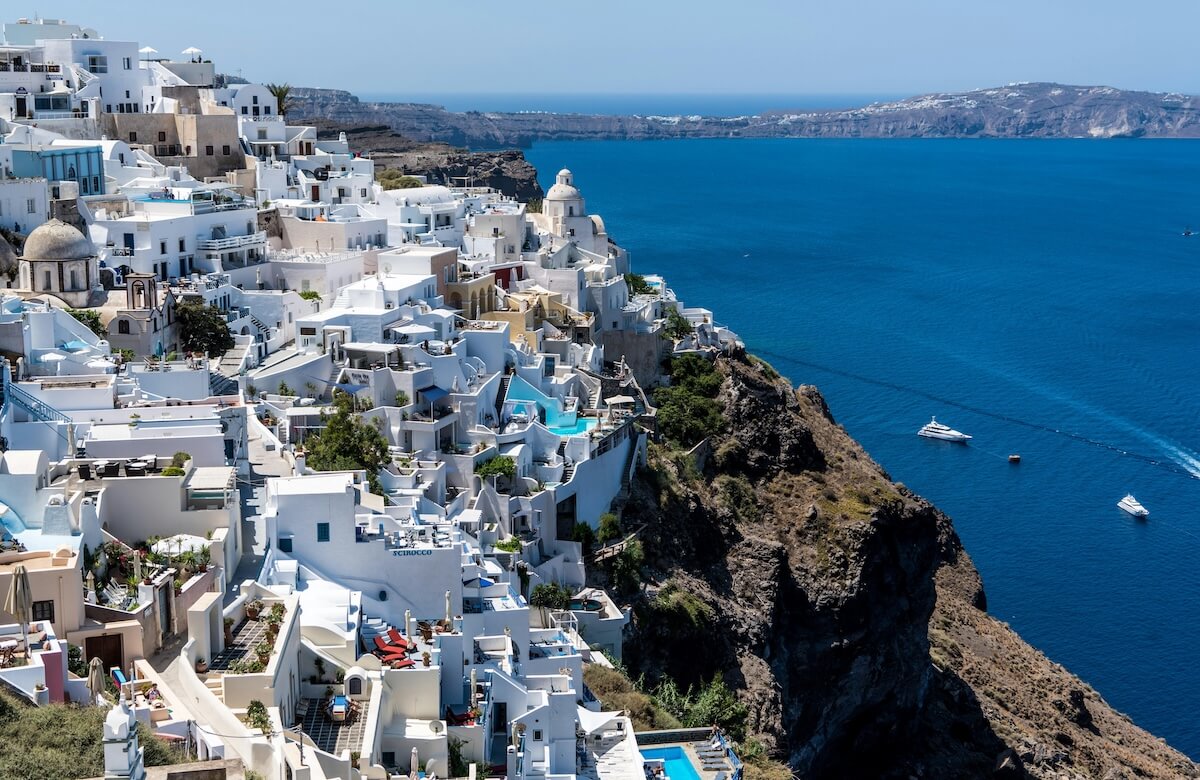
Santorini in July means cruise ship crowds that turn the narrow streets of Oia into a slow-moving queue. Santorini in early October means the same views, the same sunsets, and the ability to actually enjoy them. Water temperature hovers around 23°C. Flights and hotels cost half what they did two months earlier. Restaurants have tables available.
The spring Mediterranean shoulder (April-May) works differently. Water is still cold—usually 17-19°C—so serious beach time requires tolerance for cooler swims. But the landscape is green rather than sun-scorched, wildflowers blanket the hills, and the light has a quality that summer's harsh sun destroys. Photographers and hikers often prefer this window.
Southeast Asia's Shoulder Logic
Southeast Asia's seasons work on a different logic: wet versus dry, rather than hot versus cold. Peak season (December-February) aligns with dry weather and Northern Hemisphere winter, bringing travelers escaping cold climates. Off-season (June-September) brings monsoons that make some islands inaccessible and turn certain regions into muddy challenges.
The shoulder months—roughly April-May and October-November—offer interesting possibilities. April is hot everywhere, sometimes brutally so, but crowds have thinned and deals emerge. October and November see monsoons ending across much of the region, with landscapes at their greenest and waterfalls at their most impressive.
The complexity is that Southeast Asia isn't monolithic. Thailand's islands have different optimal windows than Cambodia's temples. Bali's dry season runs opposite to nearby regions. Vietnam's weather varies dramatically north to south. Shoulder season thinking requires destination-specific research rather than regional generalizations.
How to Research Shoulder Seasons
Generic travel advice often identifies shoulder seasons incorrectly, either too cautiously (missing good weather windows) or too optimistically (underestimating actual conditions). Better research involves triangulating multiple sources.
Start with climate data—not just averages but daily patterns. A destination with average rainfall of 100mm in October might get that rain in brief afternoon thunderstorms (fine for travel) or in multi-day deluges (problematic). Historical weather data from sites like Weather Spark or Weatherbase provides this nuance. Look at the number of rainy days, not just total precipitation.
Check flight and hotel pricing trends on Google Flights and booking platforms. Price patterns reveal when locals and experienced travelers actually go, which often differs from what guidebooks recommend. A sudden price drop in early September or late April usually signals shoulder season's start.
Read recent trip reports and forum discussions from people who actually visited during your target dates. TripAdvisor forums, Reddit travel communities, and travel blogs with specific dates mentioned provide ground truth that general guides miss. Someone who visited Patagonia in late March will tell you whether the weather held or whether they spent three days waiting out wind.
- Weather data: Check historical daily patterns, not just monthly averages
- Price trends: Use Google Flights date grid to spot when prices drop
- Forum research: Search destination + specific month for recent trip reports
- Operational status: Verify attractions, ferries, and trails are open during your dates
- Local events: Check for festivals that inflate prices or closures that limit access
The Shoulder Season Tradeoffs
Shoulder season travel involves accepting certain compromises. Some attractions reduce hours or close entirely. Ferries to islands may run less frequently. Mountain passes or hiking trails might be closed for the season. Beach restaurants and seasonal hotels often shutter. These limitations require planning that peak-season travel doesn't.
Weather unpredictability increases at shoulder season boundaries. Late April in Northern Europe might deliver perfect spring days or lingering winter cold. October anywhere can swing between summer conditions and early autumn chill. Packing becomes more complex, requiring layers and rain gear alongside summer clothes.
Some experiences are only available during peak season. Midnight sun in Scandinavia requires summer visits. Certain festivals and events happen on fixed dates regardless of crowds. If your trip's purpose is tied to peak-season conditions—say, seeing the Northern Lights with snow—shoulder season won't serve that goal.
But for general exploration, cultural immersion, and experiencing places as they actually exist rather than as tourist performance spaces, shoulder season wins consistently. The tradeoffs are usually minor; the benefits compound across every aspect of the trip.
Specific Windows Worth Knowing
Certain shoulder season windows deliver exceptional value because they're not widely known. Japan in late November offers fall colors in Kyoto without the crushing crowds of peak autumn (early-mid November). The leaves are past peak but still beautiful, and suddenly you can actually enter temples without queuing.
Iceland in September provides aurora viewing opportunities with better weather odds than winter, plus still-accessible highland roads. Prices drop dramatically after summer's end, and the landscape shifts to autumn colors that most visitors never see.
New Zealand in April (fall) or November (spring) avoids both the Christmas rush and the winter limitations. Hiking trails are open, weather is mild, and the country operates at a pace that summer crowds destroy. South Island in particular benefits from these shoulder windows.
Morocco in March or November threads between winter rains and summer heat. The Atlas Mountains have snow for scenic backdrops without harsh conditions. Desert tours are comfortable rather than scorching. Medinas are busy but navigable.
Making It Work
Shoulder season travel rewards flexibility. Build buffer days into your itinerary for weather contingencies. Have backup indoor activities for rainy days. Accept that one destination might get hit with unusual weather while another delivers perfect conditions. This flexibility often leads to better trips anyway—less rigid schedules, more room for spontaneity.
Book accommodations that offer free cancellation until close to arrival. Shoulder season weather forecasts become reliable only about a week out, so retaining flexibility matters. The same applies to activities—book guides and tours last-minute when you can verify conditions will cooperate.
Embrace what the season offers rather than fighting it. Spring shoulder season means wildflowers and green landscapes. Fall shoulder season means harvest festivals and golden light. These aren't consolation prizes for missing summer—they're experiences summer visitors never get.
The real skill isn't just knowing when shoulder seasons fall. It's understanding that the best version of most trips happens during these windows. You're not compromising to save money; you're timing your visit for when the destination functions best. The savings are a bonus. The experience is the point.


Comments
How did this story make you feel?
No comments yet. Be the first to share your thoughts!