Rwanda: The $1,500 Permit That's Saving Mountain Gorillas
High prices, strict limits, and revenue sharing with communities. Rwanda's gorilla tourism model proves that making travel expensive and exclusive can actually protect what we come to see.
The price stops most people cold: $1,500 for a single hour with mountain gorillas. No negotiation, no discounts, no budget alternative. In a world where travel constantly races to the bottom on price, Rwanda has done something radical—it made its most valuable experience deliberately, unapologetically expensive.
And it's working. Mountain gorilla populations have grown from around 620 individuals in 1989 to over 1,000 today—the only great ape species whose numbers are increasing. The money from those permits funds anti-poaching patrols, veterinary care, habitat protection, and crucially, revenue sharing with communities who might otherwise see gorillas as competitors rather than assets.
Rwanda's approach challenges fundamental assumptions about sustainable tourism. We tend to believe that democratizing access—making experiences available to more people at lower prices—is inherently good. Rwanda suggests the opposite might sometimes be true: that limiting access while charging premium prices can protect ecosystems better than mass tourism ever could.
How the Model Works
Each day, only 96 permits are issued for gorilla trekking in Volcanoes National Park. With roughly a dozen habituated gorilla families, this means eight visitors per group, one visit per day—strict limits that minimize stress on the animals while maximizing the quality of each encounter.
The $1,500 permit fee (raised from $750 in 2017) generates roughly $20 million annually. This revenue funds the Rwanda Development Board's conservation programs, but more innovatively, 10% goes directly to communities living around the park. This isn't charity—it's strategic. When villagers benefit financially from living gorillas, they become partners in protection rather than poaching.
The community revenue sharing has funded schools, health centers, clean water projects, and infrastructure across villages bordering the park. Farmers who once saw gorillas raiding their crops now see them as the reason their children can attend school. The calculation has changed: a living gorilla benefits everyone, while a dead one benefits no one.
The Experience Itself
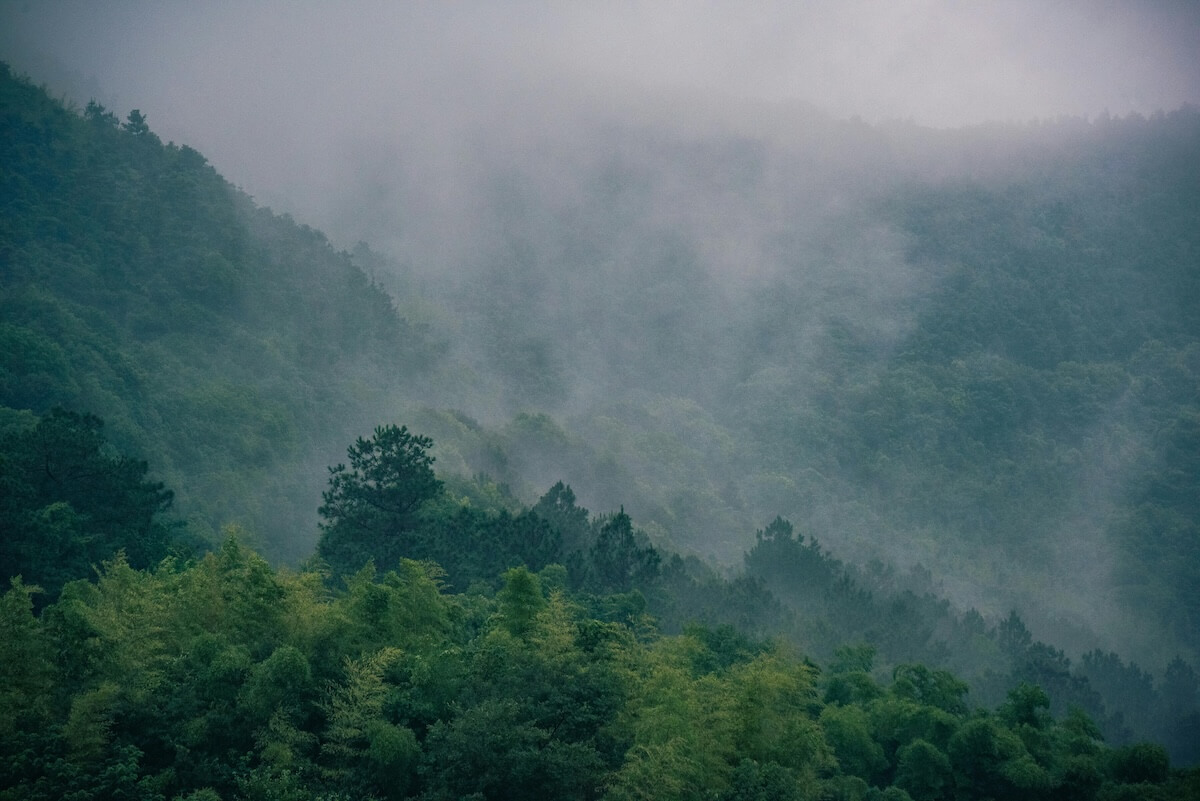
Gorilla trekking starts before dawn at park headquarters, where rangers assign groups based on fitness levels and hiking ability. Some gorilla families stay close to the forest edge; others require hours of hiking through dense bamboo at elevations above 3,000 meters. The trek itself—through farmland, then forest, then thick vegetation—is part of the experience, building anticipation while demonstrating the habitat these animals require.
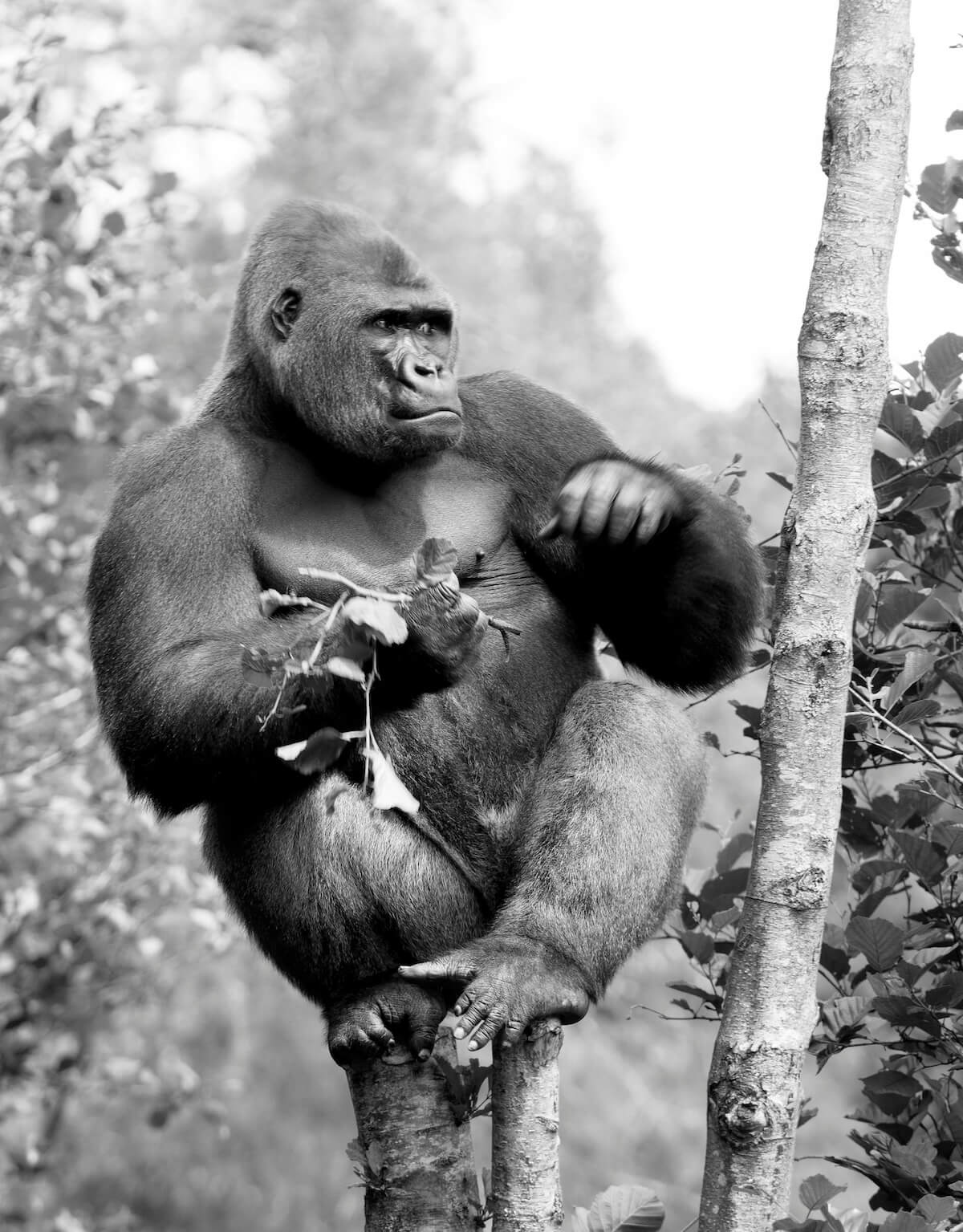
When you find them—and with skilled trackers who follow the gorillas daily, you will find them—the hour passes in minutes. A silverback the size of a refrigerator, entirely unbothered by your presence. Juveniles playing in branches, tumbling over each other. Mothers nursing infants. The proximity is startling: these are wild animals who simply don't see you as a threat, the result of years of careful habituation.
Strict rules govern the encounter: minimum seven-meter distance (though gorillas often approach closer), no flash photography, no eating or drinking near the animals, no visiting if you're sick. These aren't suggestions—rangers enforce them absolutely. The gorillas' health takes precedence over visitor experiences.
Beyond the Gorillas
Rwanda has built its tourism strategy around the gorilla model: high-value, low-volume, conservation-focused. The same principles apply across the country. Golden monkey tracking, chimpanzee trekking in Nyungwe Forest, and savanna safaris in Akagera all operate with strict limits and premium pricing.
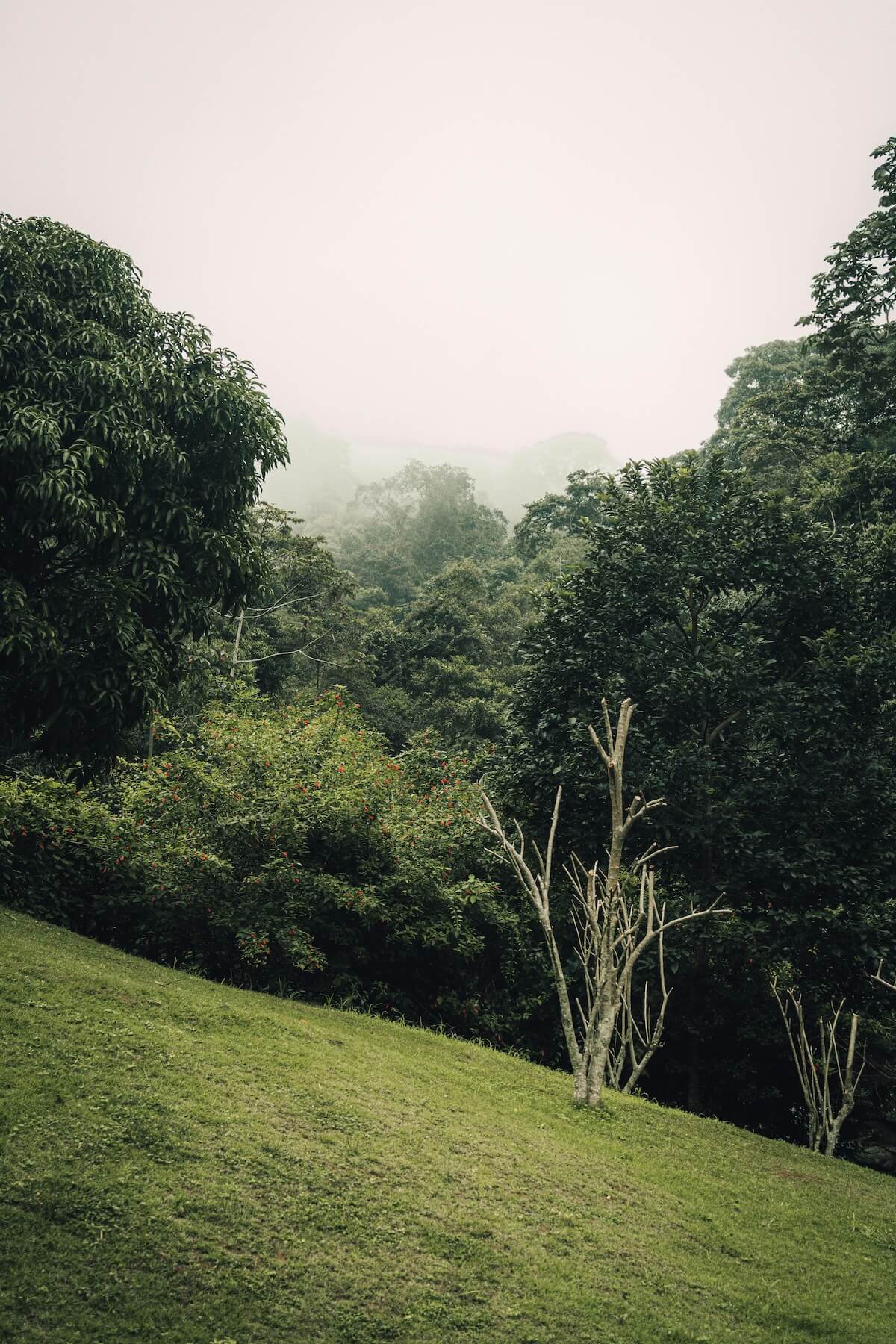
Nyungwe Forest, in the southwest, protects one of Africa's oldest rainforests—a biodiversity hotspot with 13 primate species, 300 bird species, and a canopy walkway that ranks among the continent's most impressive. Akagera National Park, reintroduced lions in 2015 and rhinos in 2017 after decades of absence, completing a Big Five experience that didn't exist a decade ago.
Kigali itself defies expectations. Africa's cleanest city—plastic bags are banned, monthly community cleaning days are mandatory—feels modern, safe, and ambitious. The Genocide Memorial demands a visit, a sobering but essential context for understanding how far Rwanda has come in three decades.
What It Costs
Rwanda is not a budget destination, by design. The gorilla permit alone exceeds most countries' entire travel budgets. But the pricing strategy extends beyond permits—Rwanda positions itself as a luxury destination, with accommodation and experiences priced accordingly.
- Gorilla trekking permit: $1,500
- Golden monkey tracking: $100
- Chimpanzee trekking (Nyungwe): $150
- Lodge near Volcanoes NP: $200-800/night
- Mid-range Kigali hotel: $80-150/night
- Budget guesthouse: $30-50/night
- Domestic flights: $150-250
A realistic one-week budget including gorilla trekking: $3,000-5,000 for a mid-range trip, $6,000+ for luxury lodges. This isn't accessible travel. Rwanda has decided it doesn't want to be—that's the point.
For travelers who can afford it, the value proposition is strong. You're not paying for luxury amenities (though those exist); you're paying for exclusivity, quality, and the knowledge that your money directly funds conservation. The $1,500 permit fee isn't arbitrary—it's calibrated to generate maximum conservation revenue while limiting visitor numbers to sustainable levels.
The Ethical Questions
Rwanda's model raises uncomfortable questions. Is it ethical to make transformative experiences available only to the wealthy? Does high-value tourism perpetuate inequality in who gets to experience nature? Shouldn't everyone have the opportunity to see mountain gorillas?
Rwanda's answer is pragmatic: the alternative is worse. Mass tourism at lower prices would require more visitors to generate equivalent revenue, increasing stress on gorilla families and habitat. It would dilute the quality of encounters. It would overwhelm communities. The gorillas that exist today might not survive it.
The uncomfortable truth is that not everyone can see mountain gorillas, regardless of pricing. With only 1,000 individuals across two countries, even at current rates, capacity is limited. The question isn't whether to limit access—it's how. Rwanda chose to limit through price rather than lottery, waitlists, or other mechanisms.
Lessons for Sustainable Travel
Rwanda's approach won't work everywhere. It requires genuinely unique attractions, strong governance, and willingness to sacrifice volume for value. Many destinations lack these prerequisites. But the principles translate.
First: pricing can be a conservation tool, not just a market mechanism. Charging more and accepting fewer visitors can generate equivalent revenue with reduced environmental impact. Second: community revenue sharing transforms conservation from restriction to opportunity. When local people benefit from protection, they become allies rather than opponents. Third: exclusivity isn't inherently elitist—sometimes it's the only way to preserve what's being protected.
For individual travelers, Rwanda offers a different calculation. Yes, it's expensive. But every dollar of that permit fee serves a clear purpose. The transparency is unusual in tourism—you know exactly where your money goes and what it achieves. In a world of vague sustainability claims, Rwanda's model is refreshingly concrete.
Practical Planning
Gorilla permits sell out months in advance, especially for peak season (June-September, December-February). Book through the Rwanda Development Board website or authorized tour operators as early as possible. Operators add fees but handle logistics; direct booking requires more planning but saves money.
The best itinerary combines gorilla trekking with other experiences: two nights near Volcanoes National Park for gorillas and golden monkeys, two nights in Nyungwe for chimps and the canopy walk, a night or two at Akagera for savanna wildlife, bookended by Kigali. Allow at least a week; rushing defeats the purpose.
Rwanda requires a visa for most nationalities, available online or on arrival. Kigali International Airport connects to major African hubs and some European cities. Yellow fever vaccination is required. The rainy seasons (March-May, October-November) offer lower permit availability and muddier trails but also lush landscapes and fewer tourists.
The Larger Point
Standing in a forest clearing, watching a silverback gorilla absently strip bamboo while his family lounges around him, the permit price becomes abstract. What you're seeing shouldn't exist—these animals were headed toward extinction, their habitat shrinking, their numbers dwindling. That they're here, thriving, growing in number, represents one of conservation's genuine success stories.
The $1,500 bought you an hour. But it also bought rangers who patrol against poachers, veterinarians who treat injured gorillas, schools for children who might otherwise grow up seeing wildlife as threat rather than treasure. The money doesn't disappear into a void—it circulates through communities, creating incentives that align human welfare with gorilla survival.
Rwanda's tourism model isn't perfect. It excludes many people who might genuinely benefit from the experience. It concentrates access among those who already have so much. These are legitimate criticisms. But in a world where sustainable tourism often means little more than marketing, Rwanda offers something real: a system where high prices fund actual conservation, where limits protect what visitors come to see, where tourism genuinely serves the places it touches. That's worth something—perhaps even $1,500.


Comments
How did this story make you feel?
No comments yet. Be the first to share your thoughts!