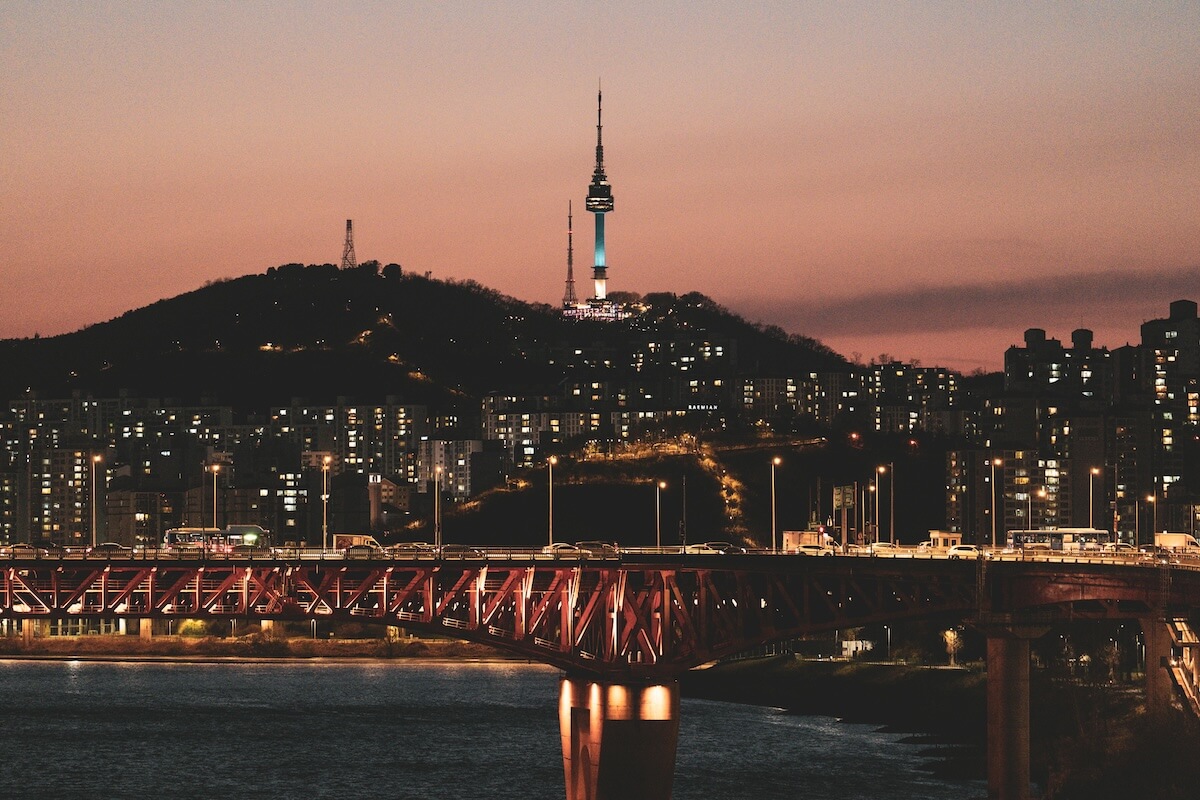
South Korea Solo: Where Hypermodernity Meets Ancient Calm
A country that never sleeps, where convenience stores serve better food than most restaurants and strangers will walk you to your destination. South Korea might be the most underrated solo destination in Asia.
It was 2am in Seoul's Hongdae neighborhood when I realized I was hungry. Not the vague hunger you ignore until morning—the real kind that demands attention. In most cities, this would mean sad convenience store snacks or overpriced hotel room service. In Seoul, it meant walking downstairs and choosing between a 24-hour kimchi stew restaurant, a pojangmacha tent serving grilled intestines to tipsy locals, or a fried chicken shop that wouldn't close for another four hours.
I chose the kimchi jjigae place. A woman eating alone at the counter nodded at me—the universal acknowledgment between solo diners. The bubbling stone pot arrived within minutes, served with more side dishes than I could count. Total cost: about $7. This is Korea.
South Korea doesn't appear on as many solo travel lists as Japan or Thailand, and that's always struck me as strange. Japan has the cultural mystique, Thailand has the beaches and backpacker infrastructure. But Korea? Korea has something neither can quite match: a society built around the assumption that people do things alone, and that this is completely normal.
The Culture of Eating Alone
Korea has a word—honbap—that means eating alone. Not as a sad necessity, but as a legitimate lifestyle choice that spawned its own restaurant category. "Honbap restaurants" cater specifically to solo diners with individual portions, counter seating, and menus designed for one. This isn't accommodation—it's celebration.
The practical impact for solo travelers is profound. In many Asian countries, eating alone means awkward stares, tables designed for groups, and dishes meant to share. In Korea, you'll find single-portion bibimbap sets, one-person hot pots, and counter seats at Korean BBQ joints with individual grills. The infrastructure for traveling alone exists because Koreans themselves embrace it.
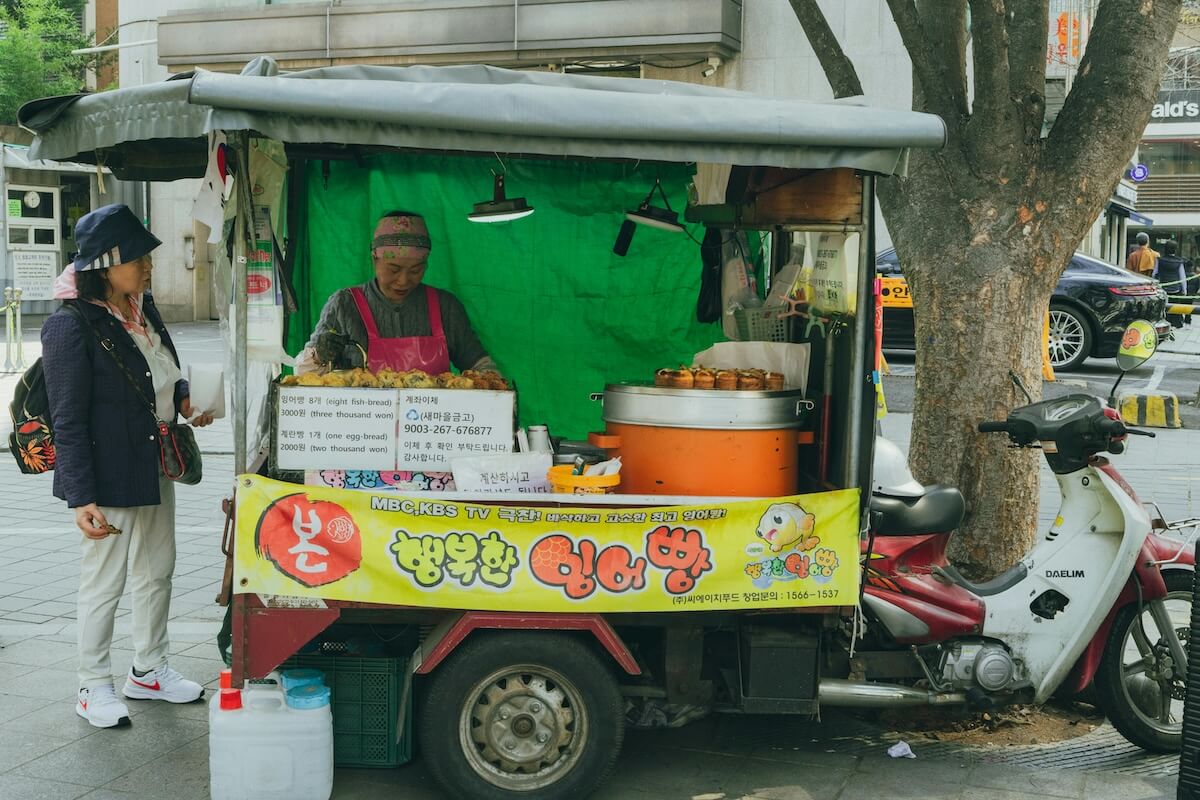
This extends beyond food. Movie theaters have single seats. Karaoke rooms (noraebang) rent to individuals. Cafes design entire floors for people studying or working alone. The concept of "doing things by yourself" isn't pitied here—it's optimized for.
Safety That Feels Almost Surreal
Korea is absurdly safe. Women walk alone at 3am without a second thought. You can leave your laptop at a coffee shop table while you order, and it will be there when you return. Phones left in taxis get returned. Wallets dropped on the street appear at police stations. The crime statistics back this up—violent crime against tourists is vanishingly rare.
This safety creates a freedom that's hard to appreciate until you experience it. You can wander Seoul's labyrinthine neighborhoods after midnight, discovering hidden bars and late-night restaurants, without ever feeling that prickle of unease. You can take the subway at any hour. You can check into a guesthouse and leave your valuables in an unlocked locker because that's just how things work here.
The Infrastructure Advantage
Korea runs on efficiency. The Seoul metro is one of the world's best—clean, cheap, comprehensive, with English everywhere. The KTX high-speed rail connects Seoul to Busan in under three hours. Intercity buses leave constantly and cost almost nothing. You don't need Korean to navigate any of it.
Digital infrastructure is equally impressive. WiFi blankets the country—subway cars, buses, even mountain hiking trails. Naver Maps (Korea's Google Maps equivalent) works flawlessly. Translation apps handle menus and signs. Kakao T summons taxis without speaking. The entire country seems designed for people who don't speak Korean to function independently.
Convenience stores deserve special mention. Korean 7-Elevens, GS25s, and CU shops are genuinely excellent places to eat. Triangle kimbap, instant ramyeon (they provide hot water and a seat), steamed buns, dumplings, and surprisingly good sandwiches—all for a few dollars. Solo travelers can easily survive on convenience store meals without feeling deprived.
Seoul: A City That Rewards Wandering
Seoul rewards solo exploration in ways that group travel can't match. The city's neighborhoods each have distinct personalities, and discovering them requires the kind of aimless wandering that works best alone.
Spend your first days in the traditional heart: Bukchon's hanok village, where centuries-old wooden houses line narrow alleys; Insadong's galleries and tea houses; and the grand palaces that anchor everything. Gyeongbokgung alone deserves half a day—arrive early for the changing of the guard, then rent a hanbok (traditional dress) for free palace entry and better photos.
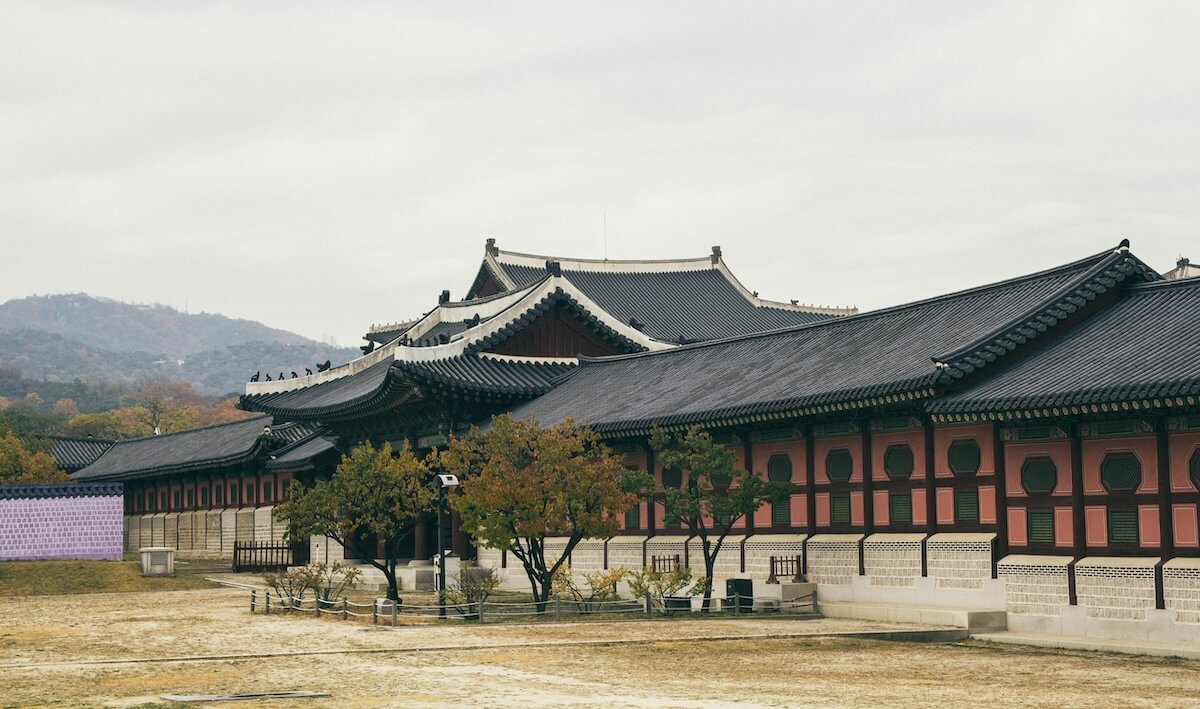
Then contrast with Gangnam's glass towers, Hongdae's indie energy and street performers, Itaewon's international chaos, and Myeongdong's beauty product frenzy. Each neighborhood could be a different city. The contrast between ancient temple grounds and neon-drenched commercial districts isn't jarring—it's somehow coherent, the old and new existing in comfortable proximity.
For the best Seoul experience, stay in one neighborhood and use it as a base. Hongdae works well for first-timers: young, vibrant, packed with restaurants and cafes, excellent metro connections, and genuinely fun at night. Insadong offers more traditional charm. Itaewon provides international comfort food and English-speaking staff everywhere.
Beyond Seoul
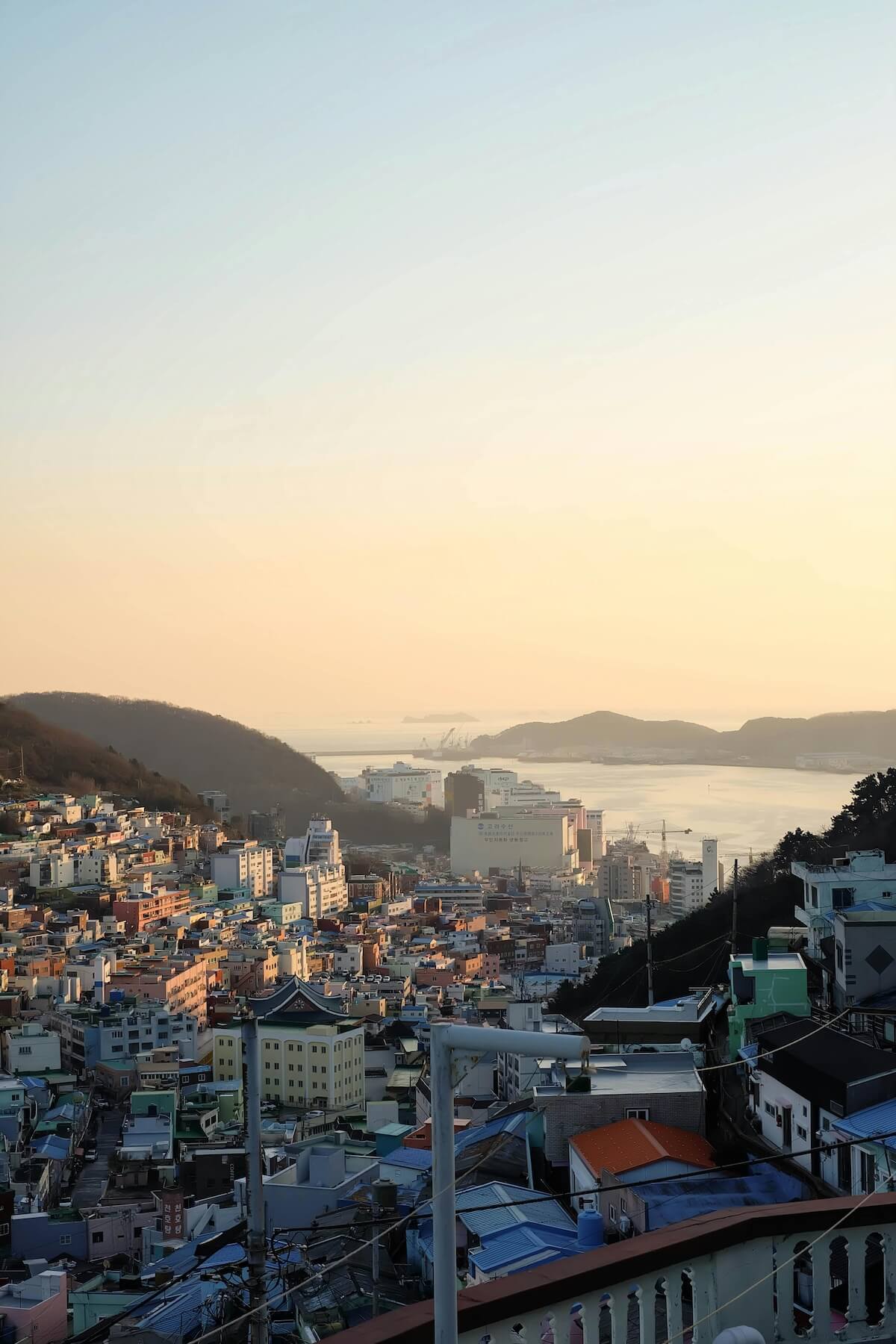
Korea rewards travelers who venture beyond the capital. Busan, three hours south by KTX, feels like a different country—coastal, relaxed, with beach culture Seoul lacks. Haeundae Beach gets crowded in summer but the seafood markets at Jagalchi, the colorful hillside Gamcheon Culture Village, and the temple at Haedong Yonggungsa make the trip worthwhile any season.
Gyeongju, the ancient Silla kingdom capital, offers temple ruins, royal tombs, and a pace that feels centuries removed from Seoul's intensity. Jeonju serves the country's best bibimbap in a hanok village that's less touristy than Seoul's. Jeju Island—Korea's Hawaii—has volcanic landscapes, excellent hiking, and a distinct local culture.
A solid two-week itinerary: five nights in Seoul, three in Busan, two in Gyeongju, and a day trip or two from Seoul (the DMZ, or Suwon's fortress). Add Jeju if you have three weeks. The transport network makes all of this straightforward to navigate alone.
What It Costs
Korea sits between budget Southeast Asia and expensive Japan. A comfortable solo trip runs $60-80 per day. You can manage on $40-50 daily with hostel dorms and street food. Spending $100+ gets you private rooms in boutique guesthouses and restaurant meals without budget constraints.
- Hostel dorm: $15-25/night
- Private guesthouse room: $40-60/night
- Street food meal: $3-6
- Restaurant meal: $8-15
- Seoul metro single ride: $1.50
- KTX Seoul to Busan: $50-60
- Palace entry: $3 (free in hanbok)
The biggest money saver is food. Korean meals come with banchan—those small side dishes of kimchi, pickled vegetables, and other preparations that arrive free with every order and get refilled without asking. A $10 main dish becomes a feast. Street food and convenience stores push costs even lower without sacrificing quality.
Practical Logistics
Most Western passports get visa-free entry for 90 days. K-ETA (electronic travel authorization) is required for some nationalities—check before booking flights. Arrive at Incheon Airport, grab a T-money card (Korea's transit card) from any convenience store, and you're ready to move.
Best times to visit: spring (April-May) for cherry blossoms, or fall (September-October) for foliage and comfortable temperatures. Summer brings humidity and monsoon rains. Winter is cold but less crowded, with excellent skiing if that's your thing.
Pocket WiFi rental at the airport costs about $5/day and keeps you connected everywhere. Or grab a local SIM—also available at the airport—for similar prices with data-only plans.
The K-Culture Question
Let's address the elephant: yes, K-pop and K-dramas have turned Korea into a destination for fans seeking specific locations and experiences. This isn't a bad thing. The cultural infrastructure that emerged to serve this interest—walking tours, themed cafes, entertainment district development—benefits all travelers.
But Korea offers far more than celebrity culture. The food alone justifies the trip. The hiking trails within Seoul city limits are world-class. The bathhouse culture (jjimjilbang) provides one of travel's most relaxing experiences. The design sensibility—from cafe interiors to temple architecture—rewards aesthetically-minded travelers. K-culture might bring you here; Korea itself will make you want to return.
The Intangible Appeal
There's something about Korea that's hard to articulate—a particular energy that falls somewhere between Japan's precision and China's chaos. Koreans work hard and play hard. The intensity can feel overwhelming at first: the crowds, the neon, the constant motion. But beneath it runs a warmth that surfaces unexpectedly.
Strangers will help you without being asked. An older woman might physically grab your arm to point you in the right direction. A restaurant owner might throw in extra banchan when they realize you're eating alone and far from home. The kindness isn't performative—it's reflexive.
That night in Hongdae, finishing my kimchi jjigae at 2am, the woman at the counter caught my eye again as she left. She said something in Korean I didn't understand, smiled, and walked out into the still-busy street. The server translated: "She said you should try the sundubu next time. It's better." I went back the next night. She was right.


Comments
How did this story make you feel?
No comments yet. Be the first to share your thoughts!