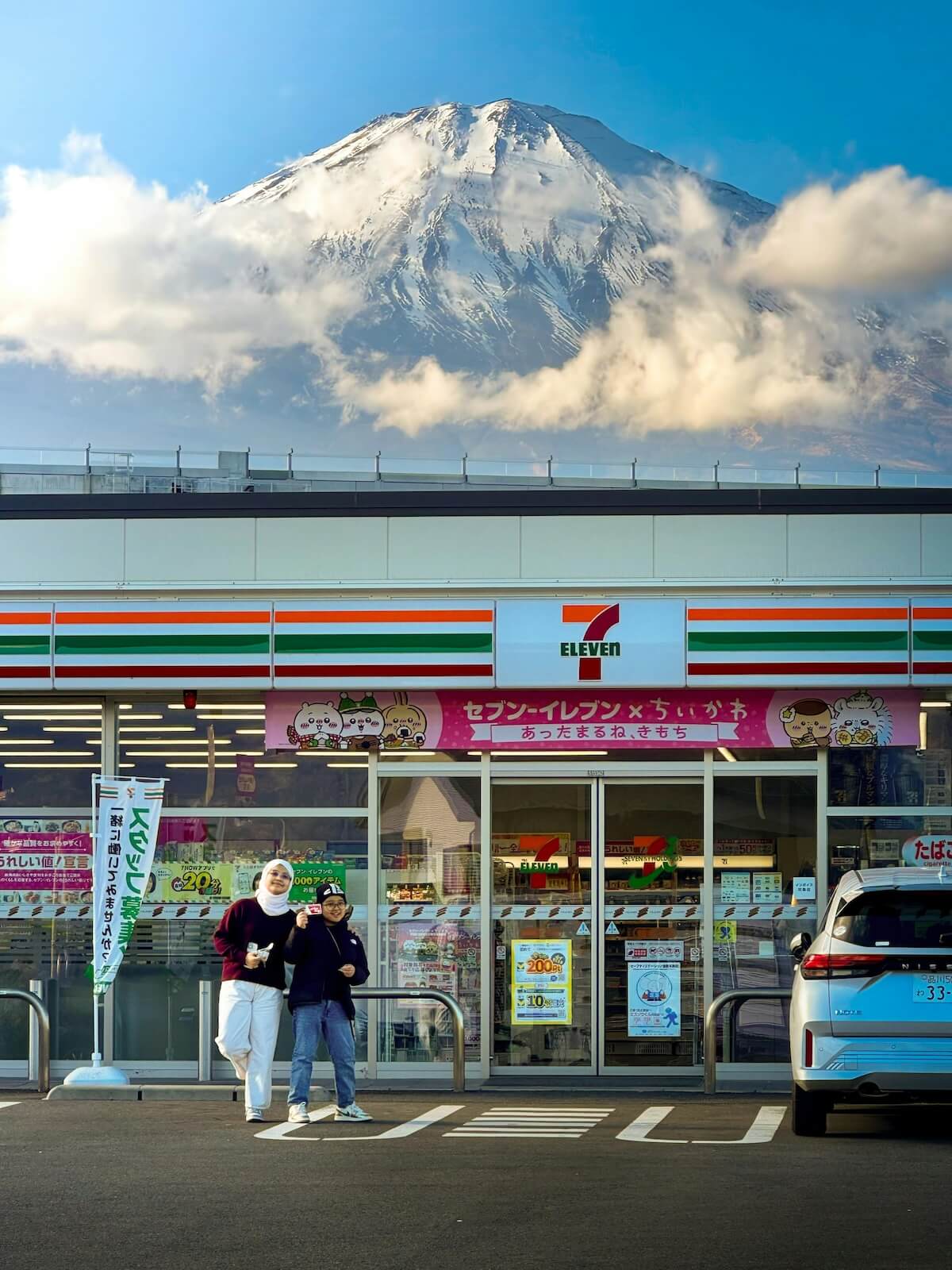
Japan's Convenience Stores: Where $5 Buys Better Food Than Most Restaurants
Japanese konbini aren't American 7-Elevens. They sell restaurant-quality meals for ¥500-700 ($3-5), fresh daily, with standards that shame most countries' sit-down restaurants. This is how Japan actually eats.
Walk into an American 7-Eleven and you'll find sad hot dogs rotating under heat lamps, suspicious sandwiches in plastic cases, and mystery meat burritos. Now walk into a Japanese 7-Eleven. You'll find perfectly formed onigiri made that morning with quality rice and fresh fillings, bento boxes with grilled fish and balanced vegetables, egg sandwiches using actual good eggs and bread, fried chicken that's genuinely crispy and flavorful, and seasonal desserts that rival proper bakeries.
Japanese convenience stores—called konbini—operate at completely different standards than western equivalents. They're not fallback options when everything else is closed. They're legitimate daily meal sources for millions of Japanese people. Office workers buy lunch there. Students grab dinner there. Travelers eat three meals daily there without feeling like they're settling. The food is fresh, properly prepared, reasonably priced, and often better than what you'd get at casual restaurants.
The economics confuse first-time visitors. How does a convenience store sell quality meals for ¥500-700 ($3.50-5) when restaurants charge ¥1,200-1,800 ($8-12) for similar food? The answer: Japan's fierce competition between convenience store chains, massive scale allowing negotiation with suppliers, sophisticated logistics ensuring fresh daily deliveries, and cultural expectation that food should be good regardless of where it's purchased. Serving mediocre food would destroy reputation. Japanese consumers won't tolerate it, even at convenience prices.
This guide explains what to actually eat at Japan's big three convenience store chains—7-Eleven, Lawson, and FamilyMart—what it costs, why the quality is shockingly high, and how travelers can eat well for a fraction of restaurant prices without sacrificing quality. Skip the touristy ramen shops charging ¥1,500 for mediocre bowls. The konbini down the street has better food for ¥600.
The Big Three: 7-Eleven, Lawson, and FamilyMart
Japan has over 55,000 convenience stores nationwide, dominated by three chains. They're functionally similar—all open 24/7, all sell food and daily necessities, all offer services like ATMs and bill payment, all maintain high standards. But each has subtle specialties and loyal followings.
7-Eleven Japan: Largest chain, most locations (around 21,000 stores). Known for overall quality consistency and Seven Premium private label products. The onigiri here are the standard everyone else chases—perfectly seasoned rice, crisp nori (seaweed), generous fillings. Their bento boxes are reliable across locations. Coffee program (Seven Café) rivals actual coffee shops at fraction of cost. Best for: first-timers who want safe bets, anyone prioritizing consistency over experimentation.
Lawson: Second-largest chain (around 14,000 stores), positioned as slightly more health-conscious and dessert-focused. Their Uchi Café dessert line is legitimately excellent—cream puffs, roll cakes, puddings that compete with proper bakeries. Natural Lawson sub-brand targets health-focused consumers with organic options. Karaage Kun (fried chicken nuggets in little cups) is cult favorite. Machi Café coffee program is strong. Best for: dessert lovers, health-conscious eaters, people who want slightly more premium feel.
FamilyMart: Third-largest (around 16,000 stores), known for hot counter food and collaborations. Famichiki (fried chicken) is their signature—locals argue whether it's better than Lawson's Karaage Kun. Nikuman (steamed buns) at the counter are excellent, especially pork and pizza varieties. They stock some MUJI products, appealing to design-conscious shoppers. Best for: fried chicken enthusiasts, people who want hot counter food, travelers who appreciate MUJI aesthetic.
Realistically, you'll visit whichever is closest. Quality differences are minimal—all three maintain high standards. But if you're near multiple stores, knowing specialties helps optimize choices. Want dessert? Lawson. Want fried chicken? FamilyMart. Want safest all-around bet? 7-Eleven.
Onigiri: The Konbini Foundation
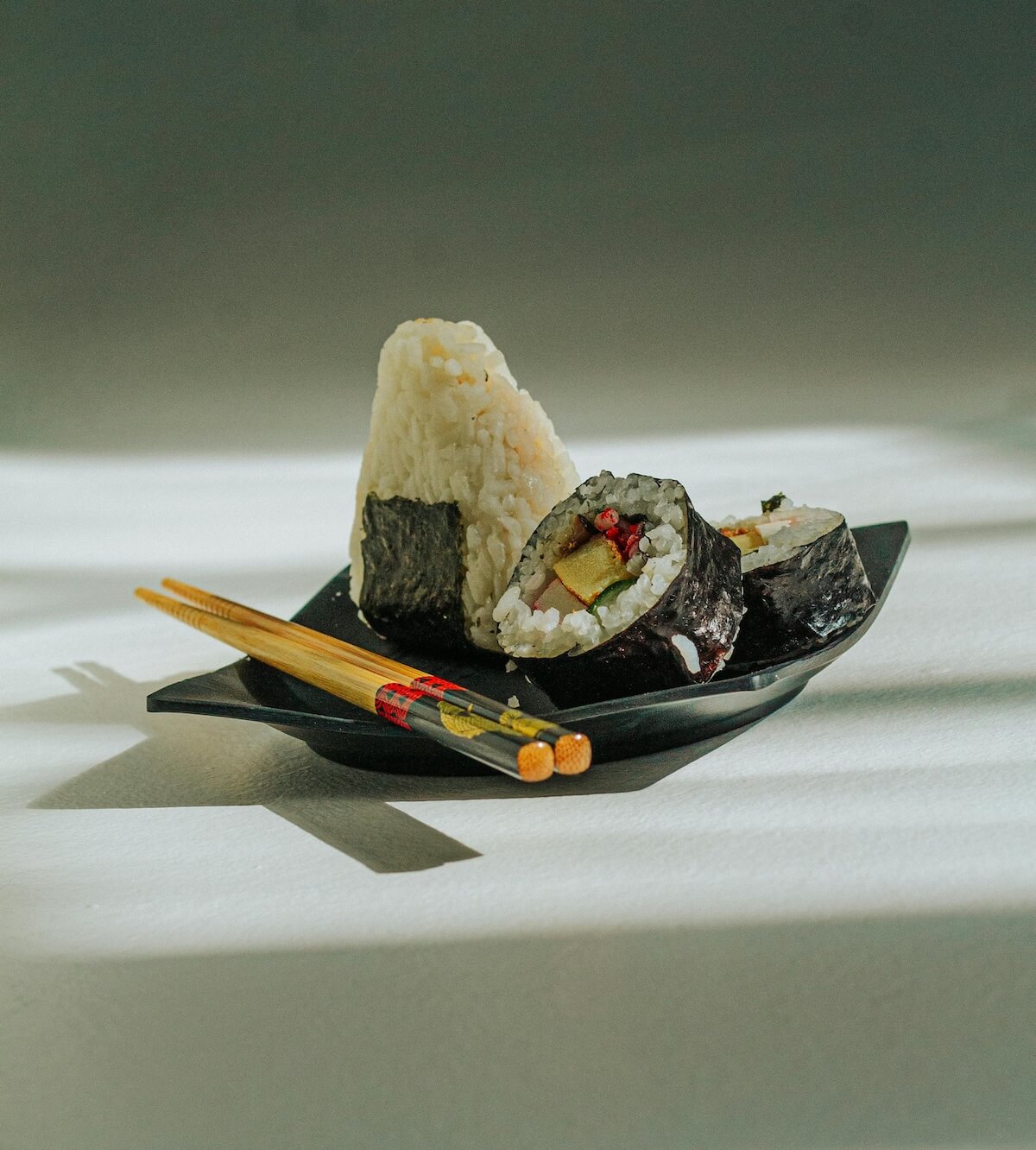
Onigiri—rice balls wrapped in seaweed with fillings—are the quintessential convenience store food. They're what Japanese people grab for quick breakfast, pack for lunch, buy for train rides. Simple concept, but the execution quality is shockingly high.
The rice is properly seasoned—slightly salty, perfectly cooked texture, still warm-ish from production. The seaweed (nori) stays crisp because of clever packaging—it's separated from rice until you unwrap it, preventing sogginess. The fillings are generous and actually taste like what they claim to be. Salmon tastes like salmon, not fish paste. Tuna mayo has proper tuna chunks. Pickled plum (umeboshi) is genuinely sour and salty as intended.
Popular fillings and what to expect:
- Salmon (shake): Salted grilled salmon flakes, classic choice, universally liked, ¥130-180
- Tuna mayo: Tuna mixed with Japanese mayo (sweeter than western mayo), creamy and satisfying, ¥150-200
- Pickled plum (umeboshi): Intensely sour and salty, polarizing but authentic, ¥120-160
- Spicy cod roe (mentaiko): Slightly spicy, briny, popular in Kyushu region, ¥160-220
- Grilled beef (yakiniku): Seasoned beef, heavier option, good for substantial snack, ¥180-250
- Kelp (kombu): Subtle umami flavor, traditional choice, ¥130-170
How to eat onigiri: Remove outer plastic wrapper. The nori is separated from rice by clever folding—pull the tabs as indicated, which removes the inner wrapper while keeping nori separate. Then wrap the nori around the rice ball and eat. The nori should be crispy when it touches your mouth. If you've done it wrong and the nori is already soggy, you'll know—it loses the satisfying crunch.
Onigiri are filling despite small appearance—two onigiri plus a drink makes adequate breakfast or light lunch. At ¥130-220 each, eating three onigiri costs ¥400-600 ($3-4.50) for filling meal. Compare to restaurant breakfast at ¥800-1,200. The math is obvious.
Bento Boxes: Balanced Meals for ¥500-750
Bento boxes are compartmentalized meals—typically rice, main protein, pickled vegetables, and sides. Konbini bentos are proper balanced meals, not just carbs in a box. You're getting actual nutrition along with calories.
Standard options include: grilled salmon with rice and vegetables (¥500-650), karaage chicken with rice and salad (¥550-700), hamburger steak with rice and sides (¥600-750), mixed bento with multiple items (¥650-800), seasonal specials featuring regional ingredients (prices vary). All are substantial—more food than you expect. Most adults find one bento fully satisfying for lunch or dinner.
The quality surprises first-timers. The grilled salmon is actual salmon—flaky, properly cooked, seasoned correctly. The karaage is crispy, juicy, well-marinated. The rice is good rice, not cheap filler. Vegetables are fresh-ish—obviously not just-picked, but they're crisp and clean. Pickles provide acid and crunch to balance richer items.
Heating: All bentos can be microwaved. At checkout, staff will ask if you want it heated—say hai (yes) or gesture warming motion. They'll microwave it to proper temperature (around 90 seconds) and return it warm. The packaging is microwave-safe, some compartments won't heat (like salad sections), and timing is calibrated so nothing overcooks. If eating immediately, definitely get it heated. If eating later, keep it room temperature and heat yourself.
Compare bento economics: Konbini bento costs ¥600 ($4.20), provides balanced meal with protein, rice, vegetables. Restaurant teishoku (set meal) costs ¥900-1,200 ($6.30-8.40), provides similar components but requires sitting down, waiting for service, dealing with potential language barriers. For travelers on tight schedules, the konbini makes sense beyond just money.
Sandwiches: Better Than They Should Be
Japanese convenience store sandwiches confuse western visitors. They're made with soft white bread (shokupan), crusts removed, cut into triangles, and wrapped in plastic. They look childish. Then you bite into the egg sandwich and realize it's genuinely good.
The egg salad sandwich (tamago sando) is legendary among foreigners who've tried it. The eggs are creamy, properly seasoned, made with Japanese mayo that's sweeter and richer than western varieties. The bread is fresh, soft but not squishy, quality wheat bread. The combination is simple but perfect—just eggs and bread, sometimes with thin cucumber slices. Cost: ¥250-350 ($1.80-2.50). It's better than most American deli egg sandwiches at twice the price.
Other popular sandwiches: Ham and cheese with Japanese mayo (¥250-350), mixed vegetable with egg and mayo (¥300-400), katsu sando (breaded pork cutlet) for heartier option (¥400-500), fruit sando (fresh cream and fruit) for dessert sandwich (¥350-450). All use the same soft bread, all are crustless, all taste significantly better than gas station sandwiches in most countries.
Why are they good? Japan takes food seriously regardless of price point. Even cheap convenience store sandwiches use decent ingredients, are made fresh daily, and follow tested recipes. There's no cutting corners just because it's convenience food. The cultural expectation is that food should taste good, period.
Hot Food Counter: Fresh Fried Chicken and More
Most konbini have hot food counter near register with rotating selection of fried items. This is grab-and-go food meant to be eaten immediately, and it's shockingly good for something sitting under warming lights.
7-Eleven's Nanachiki: Fried chicken pieces, well-seasoned, crispy coating, juicy inside. Around ¥230-280 per piece. Not revolutionary but reliably good. Safe choice for first-timers. Lawson's Karaage Kun: Boneless chicken nuggets in little cup, comes in regular, cheese, and limited-edition flavors. More snack-sized than meal, beloved by locals, nostalgic favorite. Around ¥220-250. FamilyMart's Famichiki: Their signature fried chicken, larger piece than Nanachiki, bone-in sometimes, crispier coating. Locals debate whether it beats Lawson's offering. Around ¥220-280.
Other hot counter items: Croquettes (potato with meat, ¥100-180), menchi-katsu (breaded ground meat, ¥150-220), takoyaki (octopus balls, seasonal, ¥150-250), nikuman steamed buns at FamilyMart (pork, curry, pizza flavors, ¥130-200), oden in winter (simmering pot near register, various ingredients ¥100-200 each).
The hot counter food serves specific purpose: quick, hot, satisfying, portable. You're not getting restaurant-quality fried chicken, but you're getting legitimately good convenience fried chicken that costs ¥230. For late-night snack or quick lunch addition to bento, it's perfect.
Instant Noodles: Not Just Cup Ramen
Yes, konbini sell instant ramen—hundreds of varieties. But Japanese instant noodles are several tiers above what's available elsewhere. The broths are complex, the noodles have better texture, the toppings are more substantial. And stores provide hot water at stations near drinks section, so you can prepare and eat immediately.
Popular varieties: Shoyu (soy sauce) ramen is classic, clean flavor, safe choice (¥150-300). Miso ramen has richer, heartier broth, popular in cold weather (¥180-350). Tonkotsu (pork bone broth) is creamy and rich, Kyushu specialty (¥200-400). Regional specialties like Hokkaido miso or Hakata tonkotsu bring local flavors nationwide (¥250-450). Limited-edition collaborations with famous ramen shops sell actual restaurant's dried versions (¥300-500).
How it works: Choose your ramen cup. Take it to the hot water station (usually near drink coolers). Press button to dispense hot water to fill line. Wait 3-5 minutes. Eat with provided chopsticks. Many stores have small counter spaces or tables where you can eat standing. It's completely normal to prepare and consume instant ramen in-store.
The quality gap between Japanese convenience store instant ramen and western instant ramen is significant. Japanese versions taste closer to actual ramen shops—obviously not identical, but recognizably related. Western instant ramen tastes like salty noodles in vaguely flavored water. The price difference (¥200-400 vs $0.50-2) reflects this quality gap.
Desserts and Sweets: Lawson's Secret Weapon
Japanese convenience stores take desserts seriously. Lawson's Uchi Café line produces bakery-quality sweets that have cult followings. People plan trips around trying new Uchi Café releases. This isn't hyperbole—Japanese people actually care about convenience store desserts.
Must-try desserts: Uchi Café cream puff (¥140-180) has light choux pastry and rich cream filling, better than many bakeries. Roll cakes (¥150-250) come in seasonal flavors, moist cake with cream, perfectly portioned. Japanese pudding or purin (¥120-180) is creamy custard with caramel, served in little cups, comfort food classic. Mochi ice cream (¥150-250) combines chewy rice cake exterior with ice cream inside, available in green tea, strawberry, chocolate flavors.
Seasonal specialties: Cherry blossom (sakura) flavored everything in spring (March-April). Melon and tropical fruit items in summer. Sweet potato and chestnut desserts in autumn. Strawberry-focused sweets in winter. Limited editions create urgency—flavors disappear when season ends, driving people to try them while available.
The quality is remarkable for ¥150-300 items. Cream is real cream, not stabilized foam. Cake is moist and fresh, not dry or stale. Fruit fillings taste like fruit. Compare to western convenience store desserts (gas station cakes, packaged cookies) and the difference is night and day. Japan treats desserts with respect regardless of sales channel.
Coffee: Rivals Actual Coffee Shops
Konbini coffee programs—Seven Café at 7-Eleven, Machi Café at Lawson, FamilyMart's coffee—offer freshly brewed coffee at fraction of Starbucks prices. The quality is surprisingly good. This isn't drip coffee that's been sitting for hours. It's made-to-order from machines using decent beans.
How it works: Buy coffee ticket at register (sizes: S/M/L, around ¥100-250 depending on size and type). Take cup to machine. Press button corresponding to your ticket. Machine grinds beans and brews fresh coffee into your cup. Takes about 30 seconds. Add milk and sugar at nearby station if desired.
The result tastes similar to decent coffee shop coffee. Not specialty third-wave coffee, but significantly better than fast food coffee in most countries. For ¥100-150 ($0.70-1), it's excellent value. Compare to Starbucks at ¥400-600 for similar size, and convenience store coffee makes financial sense.
Iced coffee in summer is equally good—brewed fresh over ice, not yesterday's hot coffee poured over ice. Latte options exist at slightly higher price (¥150-250). Seasonal specials like sakura lattes or matcha lattes appear throughout year at premium prices (¥200-350) but often worth trying.
The Daily Budget: What You'll Actually Spend
Can you eat exclusively at convenience stores in Japan? Absolutely. Should you? Probably not every meal—you're missing restaurant experiences. But for 1-2 meals daily, konbini make budget travel viable while maintaining quality.
Sample daily budgets eating primarily konbini:
- Ultra-budget (¥800-1,000 / $5.60-7 daily): Breakfast is two onigiri and coffee (¥350), lunch is basic bento (¥500), dinner is instant ramen plus onigiri (¥350). Total ¥1,200. Boring but functional
- Comfortable budget (¥1,500-2,000 / $10.50-14 daily): Breakfast is sandwich, coffee, fruit (¥600), lunch is quality bento (¥700), snack is dessert (¥200), dinner is bento plus side items (¥700). Total ¥2,200. Varied and satisfying
- Mixed approach (¥2,500-3,500 / $17.50-24.50 daily): Breakfast is konbini (¥500), lunch is restaurant (¥1,200), dinner is konbini (¥800), snacks and coffee (¥300). Total ¥2,800. Balances budget with experiences
Most travelers end up in mixed approach category—convenience stores for breakfast and maybe dinner, restaurants for one meal daily and social experiences. This keeps food costs manageable (¥2,500-3,500 daily vs ¥3,500-5,000 eating all restaurants) while not missing Japanese restaurant culture.
Real example: Week in Tokyo eating breakfast and dinner at konbini, lunch at restaurants. Breakfast averaged ¥500, lunch averaged ¥1,000, dinner averaged ¥700, snacks ¥200. Daily total: ¥2,400 ($17). Versus eating all restaurants at ¥4,000-5,000 daily ($28-35). Saved ¥1,800 daily = ¥12,600 weekly ($88). That's extra hotel night or day trip to Kyoto.
Why It Works: The Systems Behind Konbini Quality
Japanese convenience store food quality isn't accident. It's result of sophisticated systems, fierce competition, and cultural expectations that food should be good regardless of price.
Daily delivery schedules: Most food arrives 2-3 times daily. Fresh items are date-stamped and rotated continuously. Items approaching expiration are discounted (usually after 7pm). Unsold items are removed rather than kept too long. This constant turnover ensures freshness.
Centralized production with quality control: Major items like onigiri and bentos are made in central facilities under strict hygiene standards, then distributed to stores. This allows quality control at scale. Small local producers can't match these standards consistently.
Competition drives innovation: 7-Eleven, Lawson, and FamilyMart fight for customers. New products launch constantly, seasonal items rotate, feedback is incorporated quickly. Mediocre items get discontinued. Only products that sell well survive. This evolution creates constant improvement.
Cultural expectations are high: Japanese consumers won't tolerate poor food even from convenience stores. Serving bad food damages brand reputation severely. This cultural pressure maintains standards across all price points. Convenience food isn't excuse for low quality.
The economics work because of massive scale. These chains operate thousands of stores, allowing negotiation power with suppliers, investment in production facilities, and sophisticated logistics. Individual stores couldn't produce food at this quality and price. But chains operating at national scale can.
Beyond Food: Other Konbini Services
Convenience stores in Japan provide services beyond food that make them indispensable for travelers: ATMs accept foreign cards (especially 7-Eleven's ATMs work reliably with international cards), you can pay bills and utility fees, ticket reservation services for concerts and events, copy/print/scan services with English interface options, luggage shipping (takuhaibin) to hotels or airports, free WiFi at most stores, restrooms (usually clean, free to use), charging stations or outlets for phones, umbrella purchase when sudden rain hits.
This infrastructure makes konbini central to daily Japanese life and incredibly useful for travelers. Need cash? Konbini. Need to print tickets? Konbini. Need bathroom? Konbini. Need meal? Also konbini. They're one-stop solutions for multiple needs, open 24/7, with staff who maintain professional service even if language barriers exist.
The Cultural Reality: How Japanese People Actually Use Konbini
For outsiders, convenience stores seem like budget alternatives to restaurants. For Japanese people, they're legitimate food sources without stigma. Businesspeople buy bentos for lunch. Students rely on konbini for dinner. Families pick up onigiri for train trips. There's no shame in convenience store food because the quality justifies the choice.
Morning rush (6-9am): Office workers grab coffee and breakfast items, students buy onigiri and energy drinks, people who missed breakfast at home stop for quick sustenance. Stores are busiest during commute hours. Lunch period (11:30am-1:30pm): Bentos fly off shelves, hot food counter gets constant traffic, microwaves have lines. Stores restock aggressively during this period. Evening (5-9pm): Dinner shoppers arrive, looking for bentos and side dishes, instant ramen sales increase, desserts move quickly. After work drinking culture means snack purchases too.
Late night (10pm-2am): Different crowd emerges—people coming from restaurants/events who want snacks, students studying who need caffeine and food, overnight workers grabbing meals. This is when hot counter food shines—fresh fried chicken at midnight hits differently.
The social acceptance of konbini food in Japan contrasts sharply with attitudes toward convenience store food elsewhere. In many countries, eating convenience store food suggests you couldn't afford better. In Japan, it suggests you made practical choice that happens to taste good. The quality earns that respect.
The honest verdict: Japanese convenience store food represents something unusual—genuinely good food at genuinely low prices in convenient 24/7 locations. This combination doesn't exist in most countries. Gas station food is terrible. Fast food is unhealthy. Restaurants are expensive or time-consuming. Konbini somehow manage to be cheap, fast, tasty, and reasonably healthy simultaneously.
For travelers, this creates opportunities. You can eat well on ¥1,500-2,500 daily ($10.50-17.50) while spending more time sightseeing instead of sitting in restaurants. You're not sacrificing quality—konbini food is objectively good. You're optimizing time and money without the trade-offs that usually accompany budget eating.
The key insight: Japanese convenience stores aren't equivalent to American or European ones. They're different category entirely. Don't judge by familiar convenience store standards. Judge by the actual food in front of you. That ¥150 egg sandwich is legitimately good. That ¥600 bento is balanced and satisfying. That ¥180 cream puff rivals bakery versions. The prices don't reflect poor quality—they reflect Japanese efficiency, scale, and cultural commitment to food quality at all price points.
Try it for yourself. Walk into any 7-Eleven, Lawson, or FamilyMart. Buy an onigiri, a bento, and a coffee. Total cost: ¥900 ($6.30). Eat it. You'll understand why millions of Japanese people choose convenience store food daily. Not because they can't afford restaurants. Because konbini food is genuinely good, and paying more for restaurant atmosphere doesn't always make sense when you just need a quality meal.


Comments
How did this story make you feel?
No comments yet. Be the first to share your thoughts!