Scotland Solo: Where Strangers Become Friends Over a Single Conversation
Wild landscapes that demand solitude, cities built for walking, and a culture where talking to strangers isn't just accepted—it's expected. Scotland might be the most naturally solo-friendly country in Europe.
I was sitting alone in a tiny Edinburgh pub, working through a bowl of cullen skink—that creamy smoked haddock soup that warms you from the inside—when the man at the next table caught my eye. "First time in Scotland?" he asked. Two hours later, I had a hand-drawn map of his favorite hidden spots in the Highlands, a recommendation for his cousin's B&B in Fort William, and an invitation to his daughter's wedding if I happened to be passing through Inverness in June.
This is Scotland. Not the bagpipes-and-tartan postcard version, but the real thing: a country where strangers genuinely want to talk to you, where solo travelers find themselves absorbed into conversations without effort, and where the landscapes seem specifically designed to be experienced in contemplative solitude.
Scotland doesn't market itself as a solo travel destination. It doesn't need to. The combination of English as a first language, genuinely friendly locals, excellent public transport on main routes, and wilderness that rewards reflection makes it naturally suited to traveling alone. Add walkable cities, affordable accommodation, and a pub culture that welcomes lone drinkers as conversation partners, and you have one of Europe's most underrated destinations for independent travelers.
The Culture of Conversation
Scots talk to strangers. Not in the superficial American way of brief pleasantries, but genuine conversation—opinions offered, questions asked, stories exchanged. Sit alone at a pub or café and you will be engaged. This isn't intrusion; it's hospitality expressed through interest.
For solo travelers, this transforms the experience. The loneliness that can creep into independent travel—meals eaten in silence, days without meaningful conversation—rarely materializes in Scotland. Your accommodation host will ask about your plans and suggest alternatives. The person next to you on the bus might share their sandwiches. The hillwalker you pass on a trail will stop to chat about conditions ahead.
This social ease extends to practical matters. Lost? Ask anyone. Need a restaurant recommendation? The person you ask will probably walk you there. Confused by a bus timetable? Someone will sort it out with you. Solo travel in Scotland rarely means solving problems alone.
Edinburgh: A City Built for Walking Alone
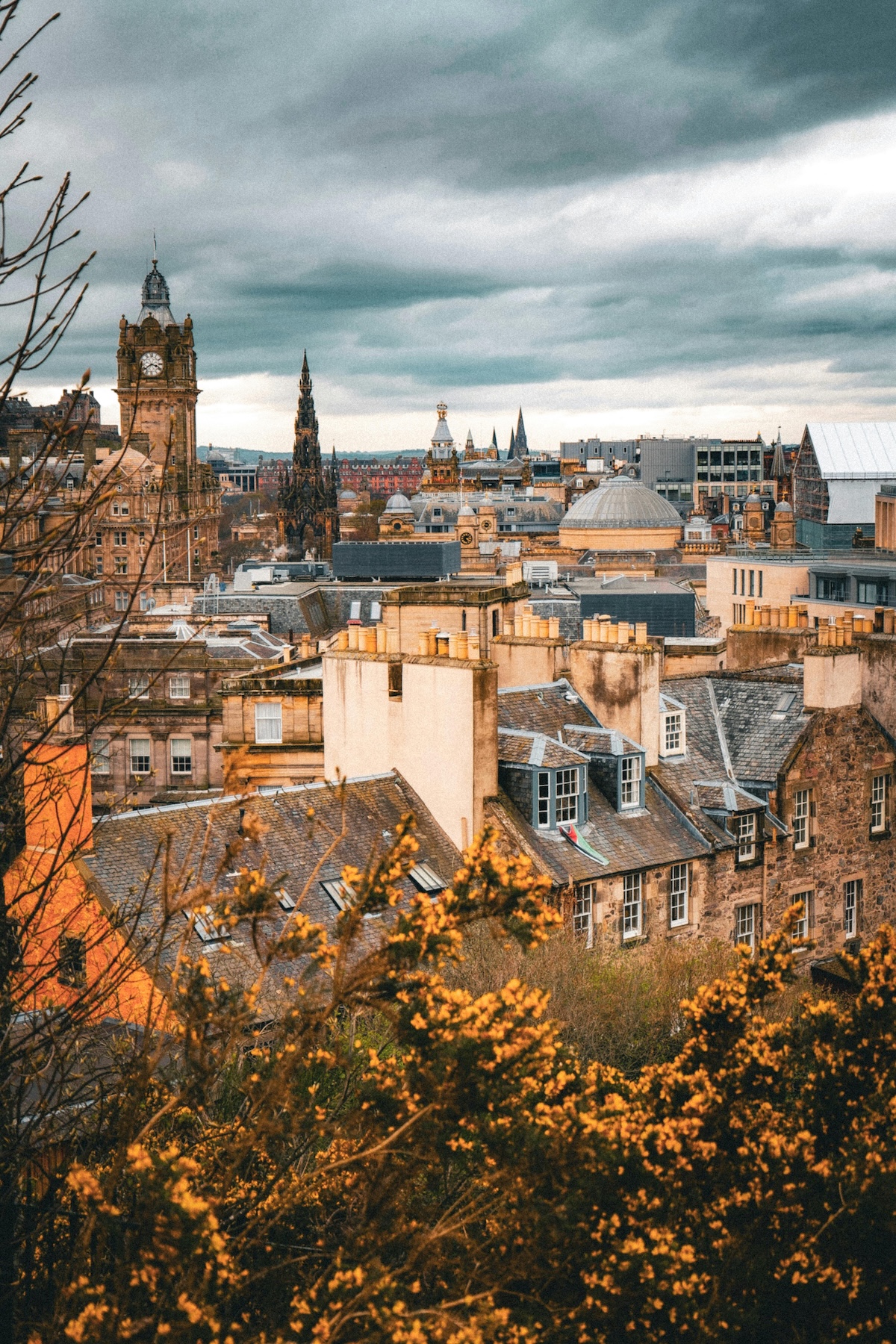
Edinburgh makes an ideal starting point and solo base. The city is compact, atmospheric, and endlessly walkable. You can spend days exploring without needing transport—climbing Arthur's Seat at dawn, wandering the medieval closes off the Royal Mile, discovering hidden gardens and unexpected viewpoints around every corner.
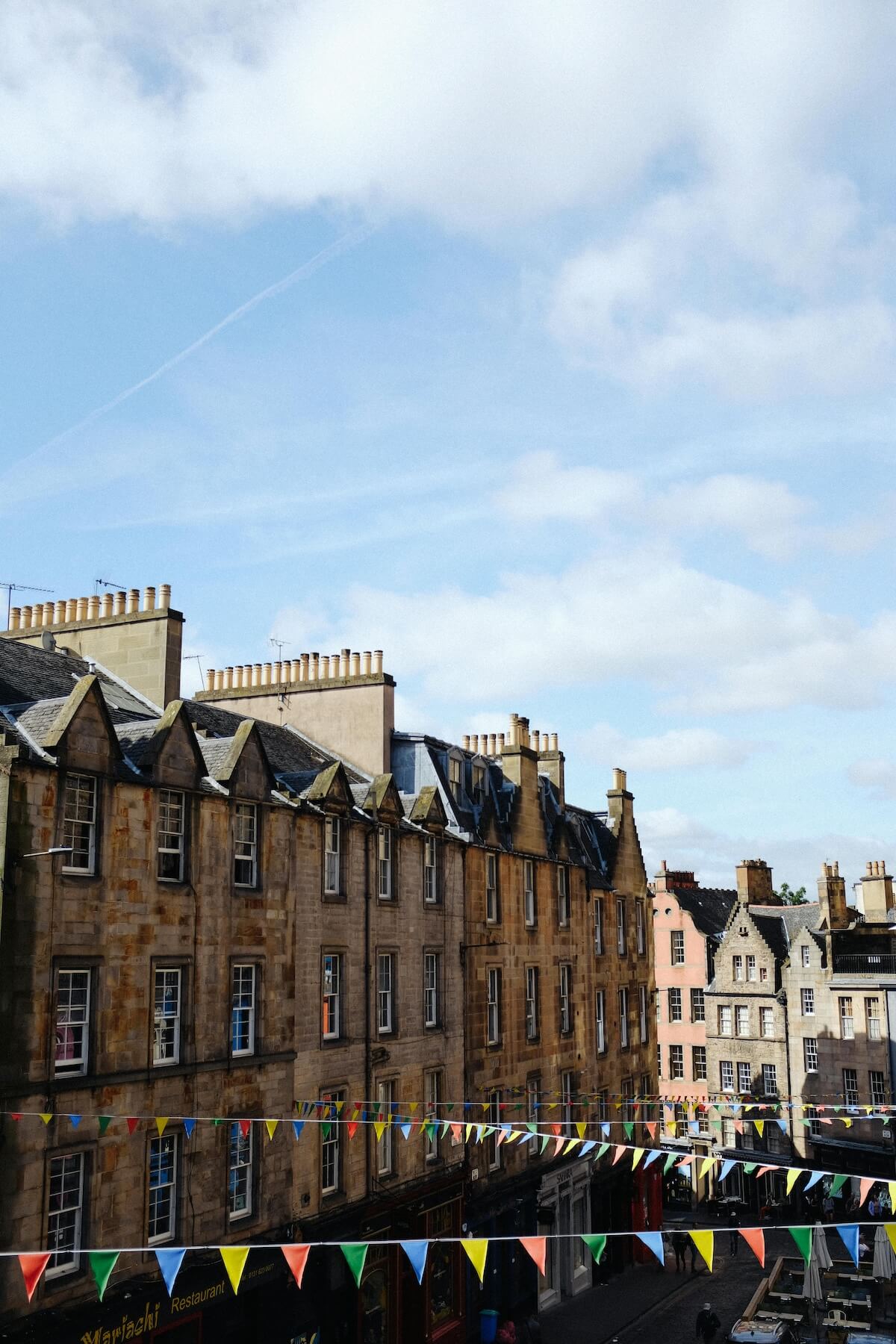
The Old Town rewards aimless wandering—those narrow passages called closes that burrow through buildings, each with its own history and character. The New Town offers Georgian elegance and excellent charity shops. Leith, the old port area, has reinvented itself with restaurants and cafés that serve locals rather than tourists. Stockbridge feels almost village-like, with independent shops and Sunday markets.
Solo travelers find Edinburgh especially accommodating. Museum cafés welcome lingerers. Coffee shops provide window seats perfect for people-watching. Pubs expect solo visitors and often seat you where conversation flows naturally. The city's literary heritage—from Sir Walter Scott to J.K. Rowling—means bookshops and libraries abound, those perfect solo traveler refuges on rainy afternoons.
Stay three or four nights. This gives time for day trips—Rosslyn Chapel, the Scottish Borders, or the coastal villages of East Lothian—while still allowing slow mornings and evenings absorbed in the city itself.
The Highlands: Solitude by Design
The Scottish Highlands exist for solo travelers, even if they don't know it. This is landscape that demands contemplation—vast, moody, shape-shifting with weather and light. Traveling with companions means conversation that competes with the scenery. Traveling alone means giving it the attention it deserves.
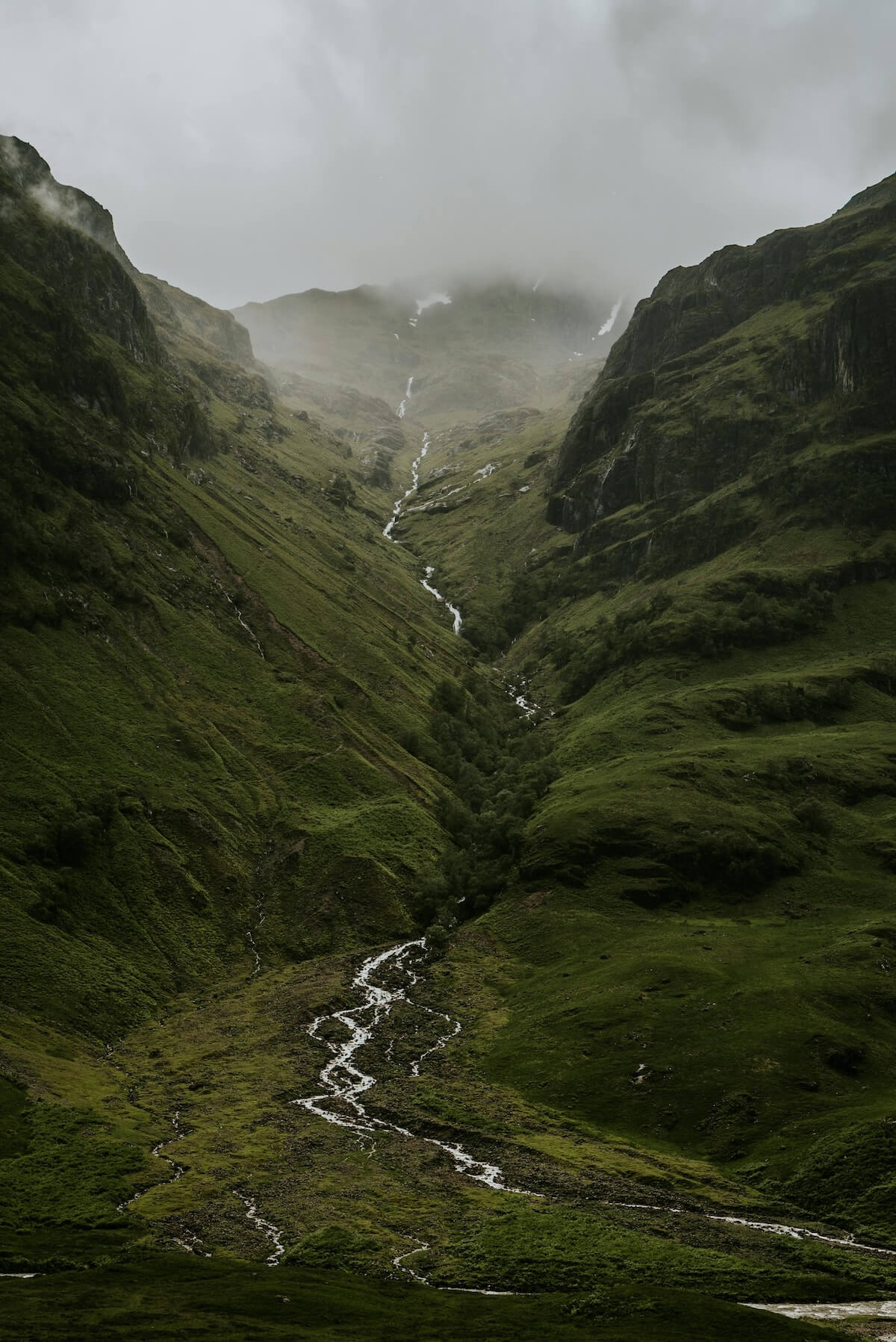
The Highlands aren't wilderness in the North American sense—people live here, villages dot the landscape, roads connect everything. But the scale and emptiness can still overwhelm. Glen Coe's dramatic valley, Rannoch Moor's desolate expanse, the Cairngorms' high plateaus—these places evoke solitude even when others are present.
Getting around requires some planning. Buses connect major towns and scenic routes—the Glasgow to Fort William service via Glencoe is particularly spectacular. Trains reach Inverness, Fort William, and the far north. But for true flexibility, consider renting a car for at least part of your trip. Driving Scotland's single-track roads, pulling into passing places for oncoming vehicles, stopping whenever the light does something extraordinary—this is freedom that public transport can't replicate.
Isle of Skye and Beyond
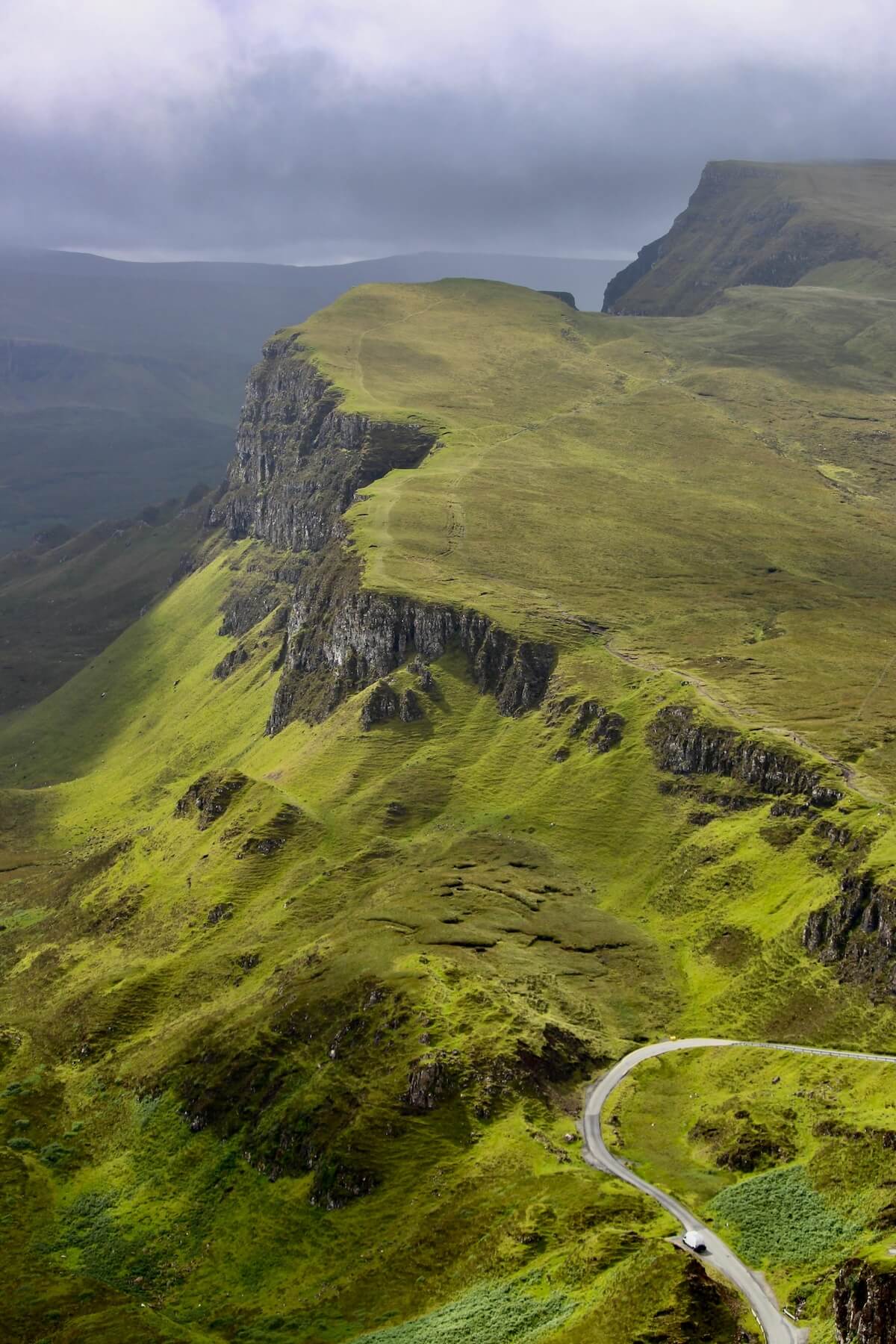
Skye has become Scotland's Instagram hotspot, and for good reason—the Quiraing's alien landscape, the Fairy Pools' clear waters, the Old Man of Storr's dramatic silhouette. It's genuinely spectacular. But popularity brings crowds, especially in summer. Visit in shoulder season (May or September) if possible, and stay beyond the well-photographed spots.
The outer islands offer similar drama with fewer people. Lewis and Harris, connected by road, combine ancient standing stones with some of Britain's finest beaches. The Orkney Islands, off the northern tip, have Neolithic sites that predate Stonehenge by centuries. Getting there takes effort—ferries and small planes—but rewards with genuine remoteness.
For a classic Highlands route without a car, consider the West Highland Way. This 96-mile walking trail runs from just outside Glasgow to Fort William, passing through some of Scotland's most dramatic scenery. Most walkers take 6-8 days. Accommodation—from hostels to B&Bs—dots the route. You'll meet fellow hikers, share stories over dinner, and experience the landscape at the pace it deserves.
Glasgow: The Underrated City
Edinburgh gets the tourists; Glasgow gets overlooked. That's changing, and solo travelers should take note. Scotland's largest city has edge, energy, and a cultural scene that rivals Edinburgh's—often surpassing it for contemporary art, music, and nightlife.
Glasgow's friendliness exceeds even Scottish norms. The humor is drier, the banter quicker, the welcome warmer. Solo travelers find themselves adopted by strangers more readily here than anywhere else in Britain. The city's working-class roots mean less pretension, more directness.
Architecturally, Glasgow surprises—Charles Rennie Mackintosh's art nouveau masterpieces, Victorian splendor, and bold contemporary buildings coexist comfortably. The Kelvingrove Art Gallery is world-class and free. The West End's lanes hide vintage shops and cafés. The music scene sustains legendary venues like King Tut's and the Barrowlands.
Practical Matters
Scotland isn't cheap, but it's manageable. Budget travelers can get by on £50-60 per day with hostel dorms and self-catering. Mid-range comfort—private B&B rooms, restaurant meals—runs £80-100 daily. The main expenses are accommodation and transport; food and activities can stay reasonable.
- Hostel dorm: £20-30/night
- B&B private room: £50-80/night
- Pub meal: £10-15
- Café lunch: £8-12
- Edinburgh to Inverness train: £30-50
- Compact car rental: £35-50/day
Weather defines the Scottish experience. Rain is frequent but rarely constant—those moody skies everyone photographs are made of passing showers and sudden sun. Layers are essential. Waterproof jacket, non-essential. Good walking shoes, mandatory. Summer brings long days (light until 10pm in June) but also midges—those tiny biting insects that swarm in calm, damp conditions. Autumn offers dramatic colors and fewer crowds. Winter means short days but often clear skies, especially on the east coast.
The best time for solo travelers: May-June or September. Shoulder seasons balance decent weather with fewer crowds. Summer (July-August) brings Highland Games and Edinburgh's festival season but also peak prices and booking challenges. Winter appeals to those seeking solitude and dramatic weather, though some rural facilities close.
A Sample Two Weeks
For a first solo trip, consider this framework: four nights in Edinburgh, allowing city exploration and day trips. Train to Inverness (four scenic hours through the Cairngorms) for two nights, using it as a Highland base. Bus or rental car to Skye for three nights, exploring at leisure. Return via Fort William and Glencoe (stunning by any transport), then train to Glasgow for two nights before departure.
This hits the highlights while allowing flexibility. Add time for walking the West Highland Way, exploring the islands, or simply lingering where the mood strikes. Scotland rewards travelers who leave space in their itineraries for weather delays, extended conversations, and those moments when a place simply won't let you leave.
Why It Works Alone
Scotland's appeal for solo travelers ultimately comes down to balance. The landscape provides solitude without isolation—even in the emptiest glen, you're never far from a village with a warm café and people genuinely happy to see you. The cities offer culture, nightlife, and social energy without overwhelming size or complexity. The language removes barriers. The safety allows freedom.
More than anywhere I've traveled alone in Europe, Scotland made solitude feel like a feature rather than a compromise. The Highlands demand it. The cities welcome it. The people ensure it never becomes loneliness.
That man in the Edinburgh pub—the one with the hand-drawn map and the wedding invitation—finished our conversation with something that stuck with me. "The thing about Scotland," he said, "is that we've got so much space, we've learned to fill it with talk." He raised his glass. "Slàinte." To your health. To conversation. To traveling alone in a country that makes sure you never really are.


Comments
How did this story make you feel?
No comments yet. Be the first to share your thoughts!