The Travel Budget That Actually Works: How to Plan What You'll Really Spend
Most trip budgets fail because they're built on wishful thinking rather than realistic math. Here's how to estimate costs accurately and track spending without obsessing.
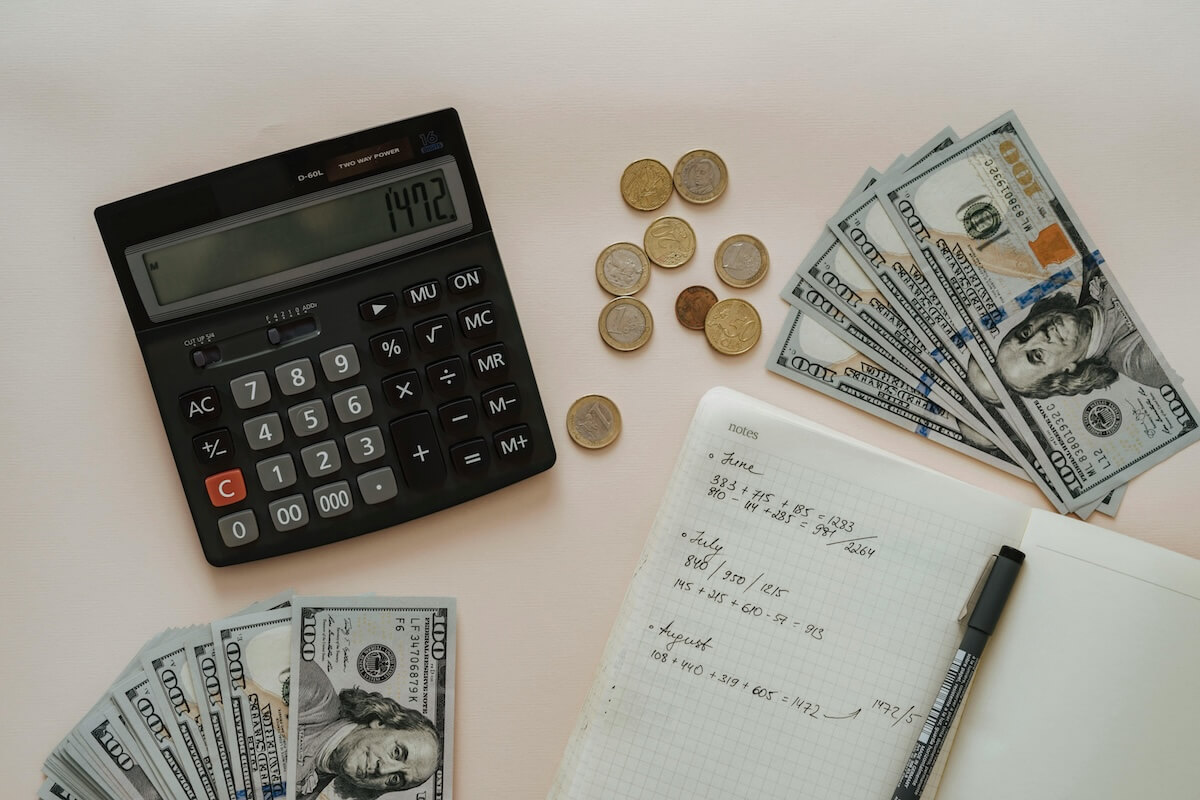
I once budgeted $1,500 for two weeks in Portugal. I spent $2,400. The math wasn't complicated—I'd simply ignored reality. I didn't account for the nice dinner that seemed justified after a long travel day. I forgot about museum entrance fees, airport transfers, SIM cards, and the inevitable moments when I chose comfort over frugality. My budget existed on a spreadsheet; my spending existed in the actual world.
The gap between planned and actual travel spending is nearly universal. Studies suggest travelers underestimate costs by 20-40% on average. The reasons are psychological as much as practical: we budget for the version of ourselves who always takes public transit, never splurges on experiences, and somehow avoids every unexpected expense. That person doesn't exist.
Building a budget that actually works requires acknowledging how travel spending really happens—the daily rhythms of meals and transport, the predictable unpredictable costs, and the difference between surviving a trip and enjoying it.
The Daily Rate Framework
Forget itemizing every expense in advance. The most practical approach is setting a daily rate that covers routine spending—accommodation, food, local transport, and minor activities—then adding fixed costs separately. This framework acknowledges that daily spending varies while keeping overall budgets realistic.
Daily rates vary dramatically by destination and travel style. Southeast Asia might run $40-60 per day for comfortable budget travel. Western Europe typically requires $100-150. Japan and Scandinavia push toward $150-200 for the same comfort level. These aren't minimums—they're realistic averages that include occasional nicer meals and activities without constant penny-counting.
The daily rate excludes major fixed costs: international flights, travel insurance, visas, and big-ticket activities like multi-day tours or expensive attractions. These get budgeted separately because they're predictable one-time expenses rather than variable daily spending.
- Southeast Asia (Thailand, Vietnam, Indonesia): $40-70/day comfortable budget
- Eastern Europe (Poland, Czech Republic, Balkans): $60-90/day
- Southern Europe (Spain, Portugal, Greece): $80-120/day
- Western Europe (France, Germany, Netherlands): $100-150/day
- Japan, Scandinavia, Switzerland: $150-200/day
- United States, Australia: $120-180/day
Where the Money Actually Goes
Accommodation typically consumes 30-40% of daily budgets. This is the easiest category to predict and control—you know what hostels or hotels cost before booking. The remaining 60-70% splits among food, transport, activities, and miscellaneous expenses, with proportions varying by destination and travel style.
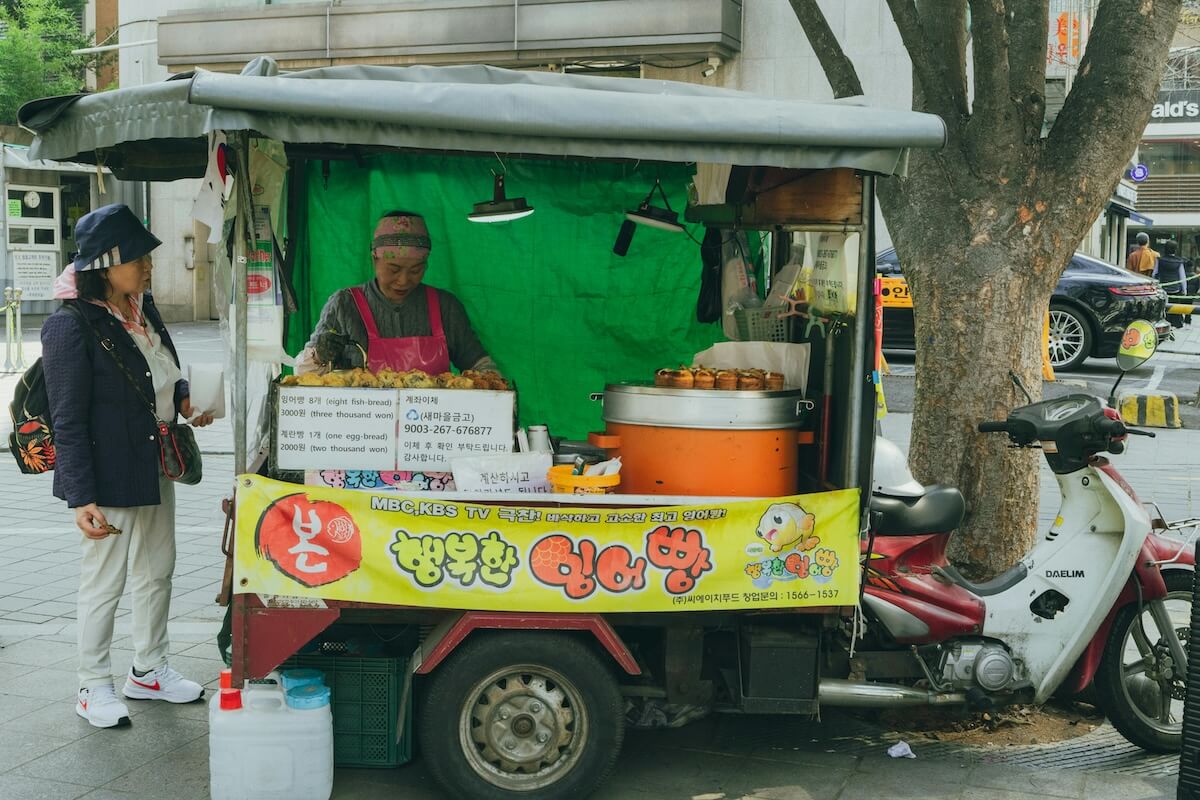
Food costs depend more on habits than destinations. Eating street food and cooking occasionally keeps costs low anywhere. Restaurant meals add up quickly everywhere. A realistic food budget assumes you'll eat out most meals—because you will—with occasional splurges on memorable dining experiences. For most destinations, budget $25-50 per day for food depending on local prices.
Local transport—metros, buses, taxis, ride-shares—is often underbudgeted. Cities with good public transit might cost $5-10 per day. Places requiring taxis or where you're constantly moving between areas can easily hit $20-30. Walking saves money but has limits; budgeting realistically means accepting you won't always have energy for the cheap option.
Activities and attractions represent the most variable category. Some travelers skip paid attractions entirely; others consider them the point of the trip. Museums typically run $10-25 each. Day tours range from $50-150. Adventure activities like diving, climbing, or wildlife tours can cost $100-300 per experience. Budget based on what you actually want to do, not what seems appropriately frugal.
The Hidden Cost Categories
Certain expenses consistently blindside travelers because they're easy to forget during planning. SIM cards or international data plans cost $20-50 for most trips. Luggage storage, when needed, runs $5-15 per bag. Laundry—whether services or laundromat visits—adds up over longer trips. Tips, where culturally expected, increase meal and service costs by 15-20%.
Airport and transit transfers deserve their own line item. The journey between airports and city centers often costs $15-50 each way, sometimes more. Multiply by arrivals and departures at each destination, and transfer costs can easily exceed $100 on a multi-city trip. Budget airlines frequently use distant airports that require expensive private transfers.
Travel days cost more than stationary days. You're buying meals at inflated transit hub prices, potentially paying for luggage storage, taking more taxis with bags, and arriving tired enough that convenience wins over frugality. A trip with ten travel days will cost more than one with five travel days, even if total trip length is identical.
Fixed Costs: The Big Ticket Items
International flights often represent 30-50% of total trip cost for shorter trips. This proportion shrinks as trip length increases—flying to Europe costs the same whether you stay one week or four. Longer trips spread flight costs across more days, dramatically improving daily value.
Travel insurance costs $50-150 for most trips, varying by destination, duration, and coverage level. This feels like an expense to skip until you need it. At minimum, ensure coverage for medical emergencies and trip cancellation. Adventure activities often require supplemental coverage—verify before booking.
Visas and entry fees range from free to several hundred dollars depending on passport and destination. Research requirements early; some visas require advance applications that affect trip timing. Countries with expensive visas—like Brazil for Americans—should factor into destination choices for budget-conscious travelers.
Pre-booked experiences—cooking classes, guided tours, adventure activities—often require deposits or full payment before departure. Include these in your pre-trip budget rather than daily spending. Booking in advance frequently offers discounts compared to arranging activities on arrival.
Money Mechanics Abroad
How you access money abroad affects how much you actually have. Foreign transaction fees on credit cards typically run 2-3% of every purchase. ATM withdrawal fees combine your bank's charge ($3-5 per withdrawal) with the local ATM's fee (often $3-8). These percentages and fees compound quickly.
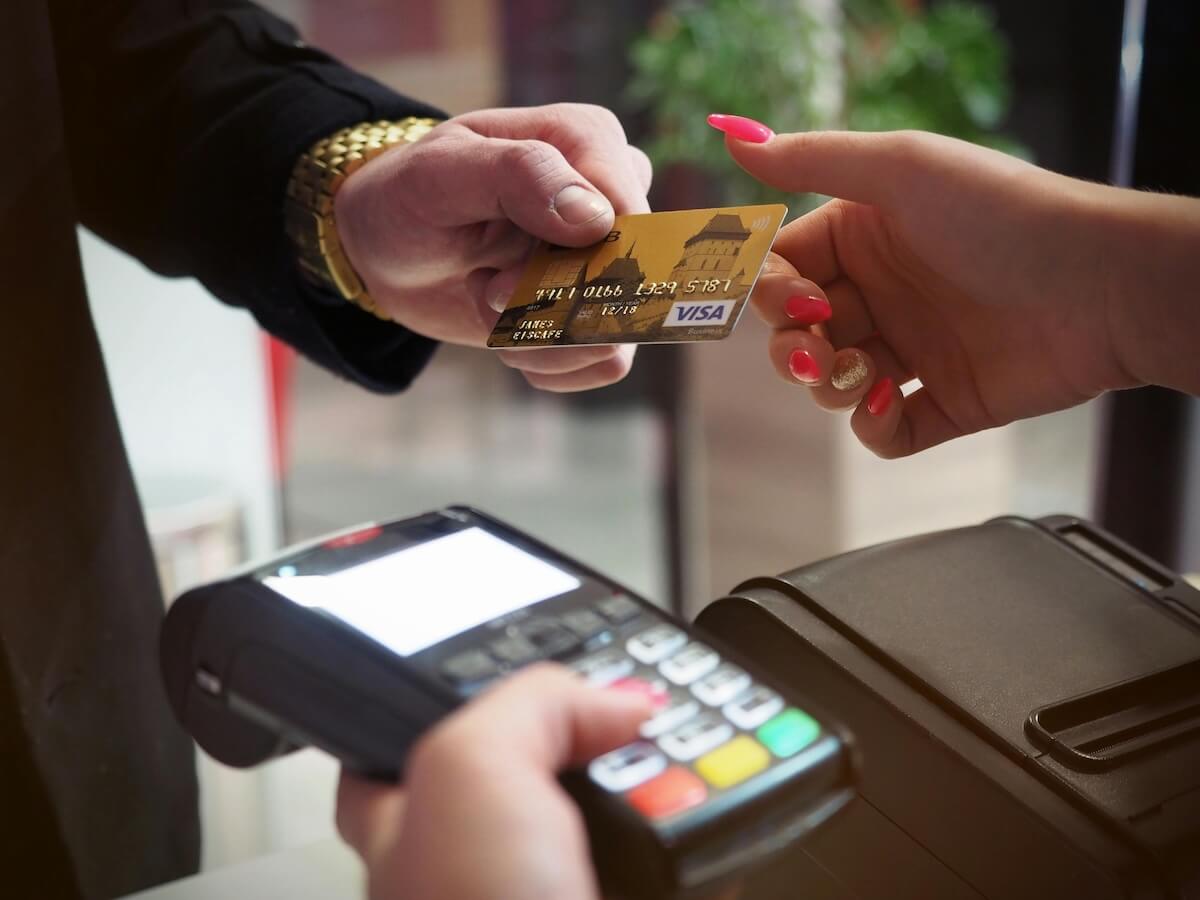
The solution is straightforward: get a travel-optimized credit card with no foreign transaction fees, and a debit card that reimburses ATM fees. Charles Schwab's debit card remains the gold standard for ATM access—unlimited fee reimbursement worldwide. For credit cards, options abound; choose one that earns rewards on travel spending without charging foreign transaction fees.
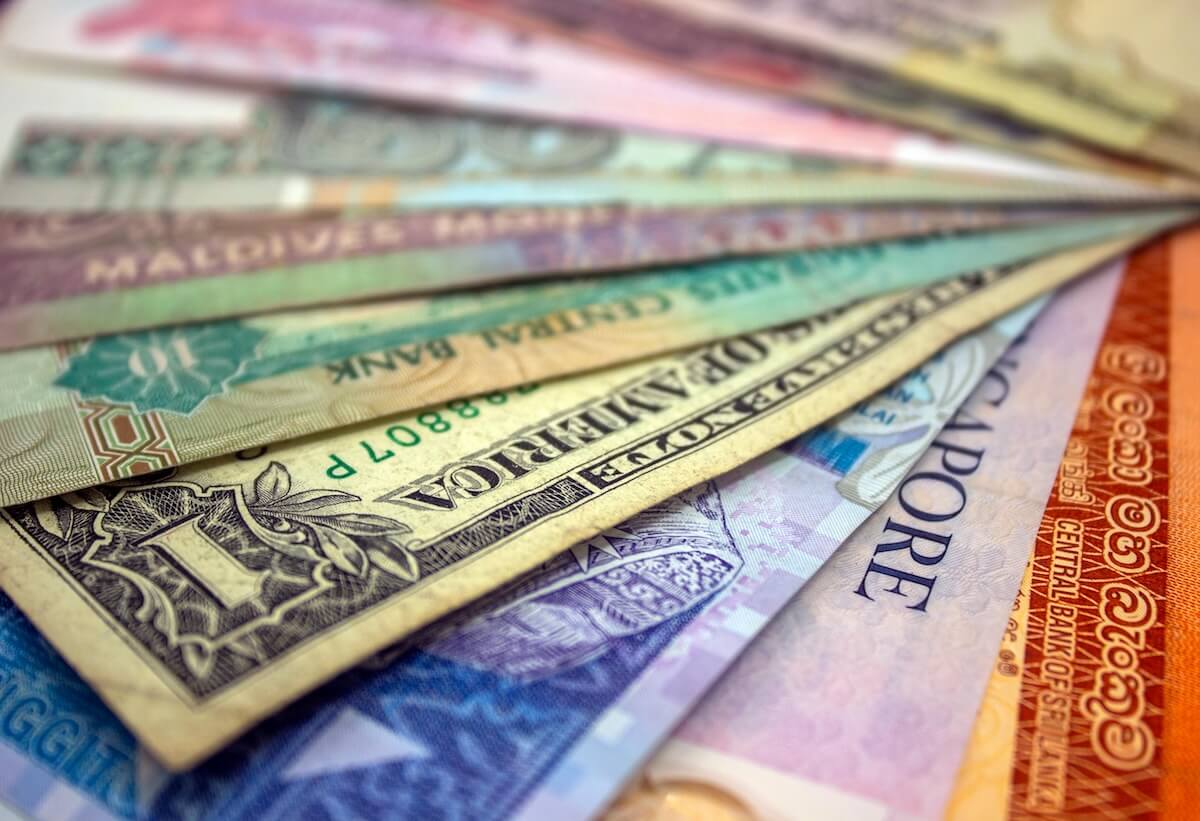
Carry some local currency in cash for markets, small vendors, and places that don't accept cards. Exchange enough at arrival for the first day or two, then use ATMs for additional cash. Avoid airport exchange counters—their rates are consistently terrible. Withdraw larger amounts less frequently to minimize per-transaction fees.
Notify your banks of travel dates to prevent fraud blocks. Carry backup payment methods—a second card from a different network, some emergency cash in dollars or euros. Payment failures abroad create genuine problems; redundancy prevents them.
Tracking Without Obsessing
The goal of tracking spending isn't accounting perfection—it's awareness. You need to know roughly where you stand against your budget, not the exact cost of every transaction. Over-tracking creates anxiety that undermines trip enjoyment. Under-tracking leads to unpleasant surprises.
The simplest approach: record daily totals each evening. Take thirty seconds to add up what you spent that day—checking card transactions, counting remaining cash—and note the number. Compare running totals to your daily budget periodically. This catches overspending early without requiring itemization of every expense.
Apps like Trail Wallet or TravelSpend simplify tracking for those who prefer digital tools. Enter expenses as they happen, and the app shows daily averages and remaining budget. The best app is whichever one you'll actually use—complex features matter less than consistent recording.
When spending exceeds budget, adjust rather than stress. Identify where money went—usually accommodation, food, or activities—and make conscious choices about coming days. One expensive day doesn't ruin a trip; failing to notice until you're out of money does.
Budget Levels and What They Actually Mean
Budget travel doesn't mean suffering—it means prioritizing. You stay in hostels or basic guesthouses, eat local food rather than tourist restaurants, take public transit, and choose free or cheap activities. This style works for extended trips, younger travelers comfortable with shared spaces, and anyone who values experience over comfort.
Mid-range travel means private rooms in decent hotels, eating at restaurants you want rather than the cheapest option, occasional taxis, and paid attractions without constant calculation. This is sustainable comfort—not luxurious, but pleasant. Most travelers over thirty naturally gravitate here.
Comfortable travel involves boutique hotels or higher-end chains, dining at recommended restaurants, convenient transport regardless of cost, and experiences without budget constraints. This level requires roughly double the mid-range budget but delivers proportionally better comfort and convenience.
- Budget level: Dorms/basic rooms, local food, public transit, free activities
- Mid-range level: Private rooms, restaurant meals, mix of transit options, paid attractions
- Comfortable level: Quality hotels, dining experiences, convenient transport, curated experiences
Putting It Together
Start with your destination's realistic daily rate—not the backpacker minimum, but what someone at your comfort level actually spends. Multiply by trip days. Add fixed costs: flights, insurance, visas, pre-booked activities, and major intercity transport. Apply a 15-20% buffer. The result is your realistic total budget.
Example: Two weeks in Portugal, mid-range style. Daily rate of $110 multiplied by 14 days equals $1,540. Add flights ($600), insurance ($75), and one pre-booked day trip ($80). Subtotal: $2,295. Apply 15% buffer: $344. Realistic budget: approximately $2,640. This beats my actual first Portugal trip expense of $2,400 by having included buffer from the start.
If the realistic budget exceeds what you can spend, adjust duration rather than daily rate. Two great weeks beats three anxious ones. Alternatively, choose a cheaper destination—Southeast Asia delivers incredible experiences at half or third the cost of Western Europe. Budget constraints shape trips; they don't prevent them.
The point of all this math isn't restriction—it's freedom. Knowing your budget works means spending without guilt, saying yes to experiences without anxiety, and returning home without credit card surprises. A realistic budget isn't the enemy of good travel; it's the foundation of it.


Comments
How did this story make you feel?
No comments yet. Be the first to share your thoughts!