Peru's Ceviche: Where the Pacific Meets the Plate
In Lima's cevicherías, lunch isn't a meal—it's a ritual. Here's what happens when you eat the world's freshest fish at 11:47 AM, exactly when the locals do.
The sign outside Pescados Capitales says they're closed. It's 3:47 PM on a Tuesday, and I'm staring through the glass at empty tables that were packed four hours ago. This isn't unusual—it's how cevicherías work in Lima. They open at 11 AM, serve until they run out of fish (usually around 3 PM), and that's it. Miss the window, and you're eating something else.
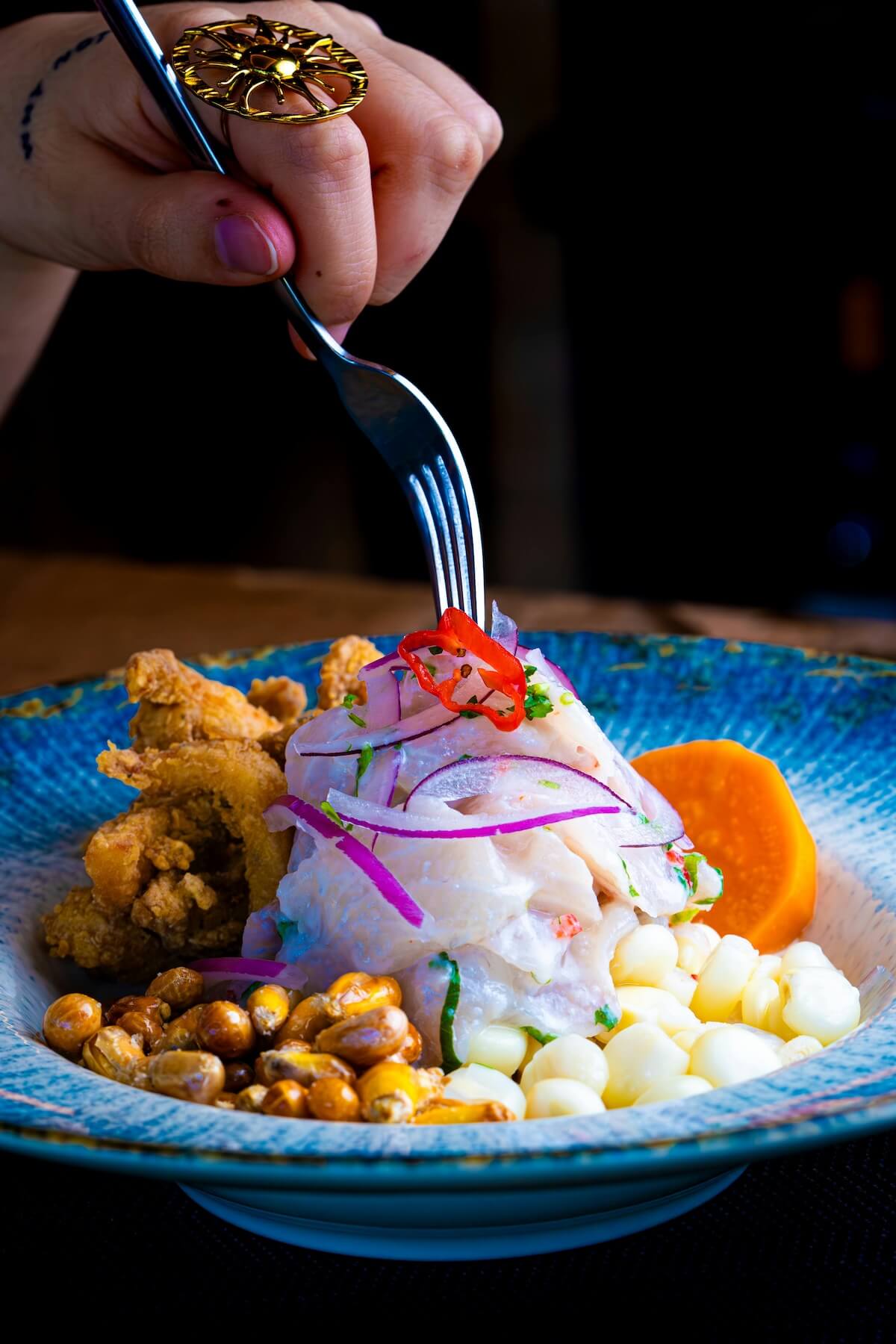
Peruvian ceviche isn't like the versions you've had elsewhere. The fish is cut into chunks, not paper-thin slices. It's served immediately after preparation—within minutes, not hours. And it's treated with the kind of reverence usually reserved for sushi bars in Tokyo. The difference is, in Lima, this level of quality doesn't require a reservation or a $200 bill. It just requires showing up at the right time.
Why Timing Matters More Than the Restaurant
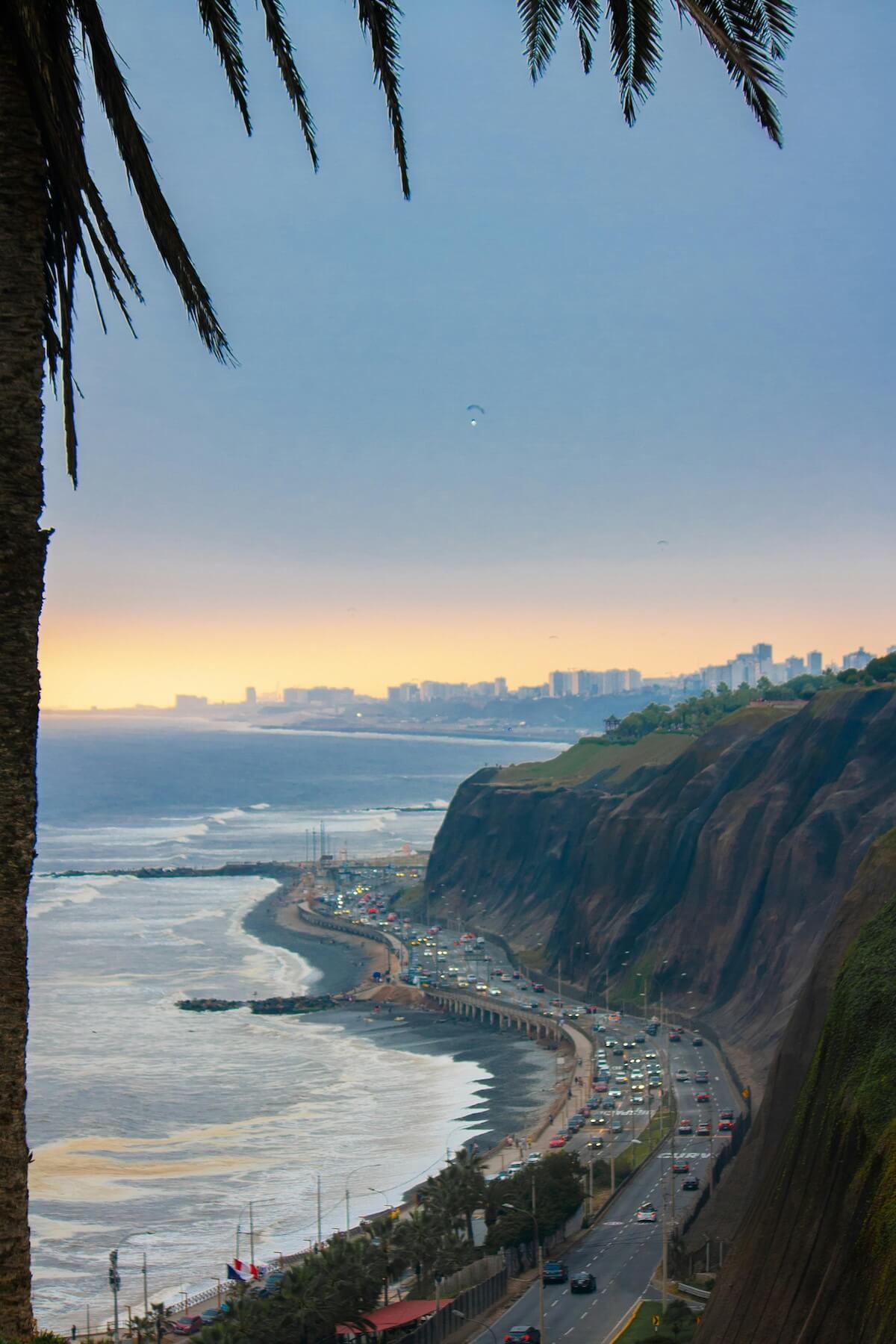
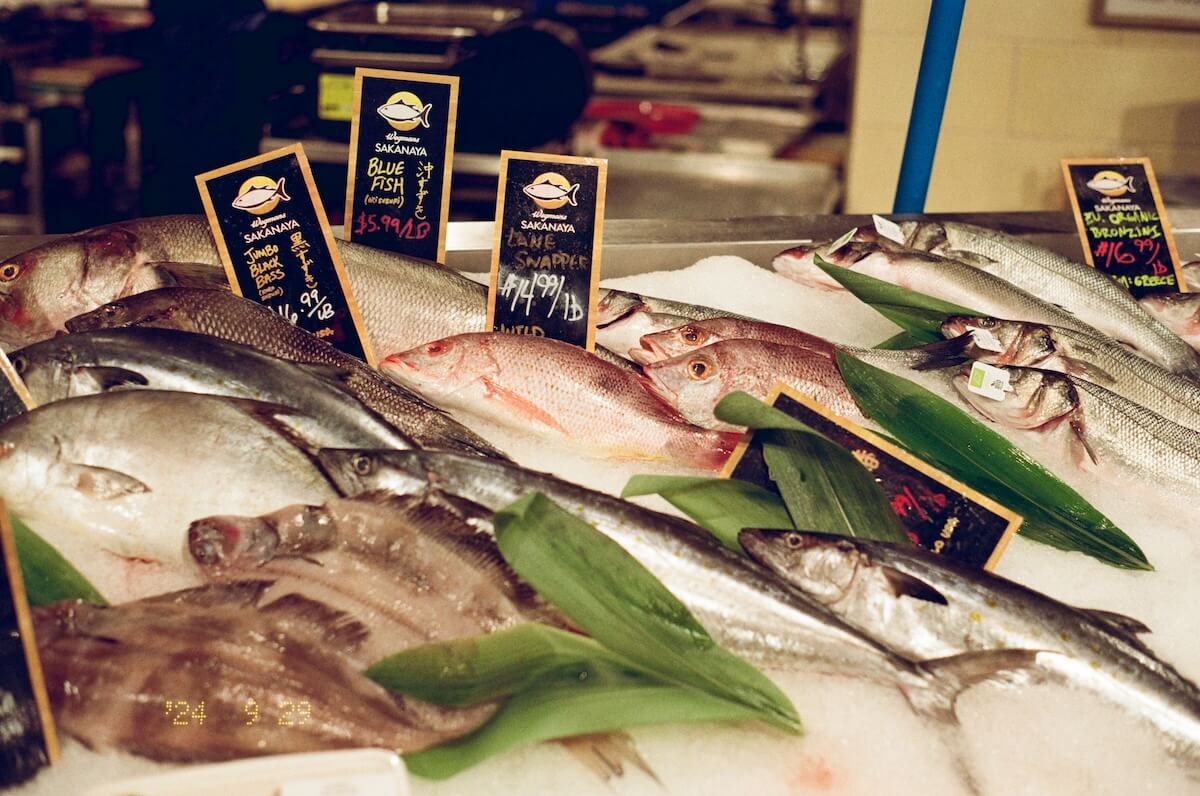
Fish in Lima comes directly from the Pacific, landed at dawn in ports like Callao and Chorrillos. By 9 AM, it's at the market. By 11 AM, it's being cut and marinated in cevicherías across the city. By 4 PM, any self-respecting chef has closed the kitchen. The fish that was perfect six hours ago isn't perfect anymore, and Peruvians take this seriously.
This explains why Lima's best ceviche isn't found in dinner-service restaurants. The morning catch dictates everything. Show up between noon and 2 PM—peak ceviche hours—and you'll see businessmen in suits, families, and tourists all squeezed into the same plastic chairs, eating fish that was swimming 12 hours ago.
What You're Actually Eating
Traditional Peruvian ceviche uses lenguado (flounder), corvina (sea bass), or mero (grouper)—white fish with firm texture that holds up to the acid. The fish is cut into 1-inch cubes and marinated for exactly 2-3 minutes in lime juice mixed with sliced red onion, cilantro, and ají limo (Peruvian yellow chili). Too long, and the fish cooks through and turns rubbery. Too short, and it's raw fish with lime on top.
It's served with three things: choclo (giant-kernel Peruvian corn that tastes nothing like regular corn), camote (sweet potato, which balances the citrus), and cancha (toasted corn nuts for crunch). No rice. No lettuce. Nothing that dilutes the intensity of lime, chili, and fish. This isn't fusion food or creative interpretation—it's what coastal Peruvians have been eating for generations.
Beyond Classic Ceviche
Once you've had the standard version, Lima's cevicherías get interesting. Ceviche mixto adds squid, octopus, and shrimp to the fish. Tiradito is the Japanese-influenced cousin—fish sliced thin like sashimi and dressed with different colored chili sauces (ají amarillo, rocoto). Pulpo al olivo is octopus in a creamy olive sauce that shouldn't work but does.
The real insider move is arroz con mariscos—seafood rice that looks like paella but tastes distinctly Peruvian, heavy on cilantro and ají panca. Every cevichería makes it slightly differently. Some add mussels, others use just squid and fish. It's not technically ceviche, but it uses the same morning catch and the same rigorous standards about freshness.
Where to Actually Go
- Chez Wong: No sign, no menu, no reservations accepted more than a day ahead. Chef Javier Wong serves 10-course omakase-style ceviche to 12 people per night. Expensive by Lima standards ($40-50), but you're eating what many consider Peru's best fish. Address: Enrique León García 114, Santa Beatriz
- El Mercado: Chef Rafael Osterling's market-concept restaurant in Miraflores. Open for lunch only, exactly when ceviche should be eaten. Raw bar displays the day's catch. Expect to pay 60-80 soles ($16-22) per person
- Punto Azul: The local chain where Limeños actually eat. Multiple locations, no-frills plastic furniture, incredibly fresh fish. A full ceviche lunch runs 35-45 soles ($10-12)
- La Mar: Gastón Acurio's polished cevichería that balances authenticity with comfort. Pricier than neighborhood spots (80-100 soles/$22-28) but reliable and tourist-friendly
The pattern: the places locals defend most fiercely aren't the expensive ones. They're the neighborhood spots in Callao, Chorrillos, and Barranco where fishermen's sons learned to clean fish at age seven. These rarely have English menus or Instagram presence. They just have fish that was caught this morning and a chef who knows exactly how long to leave it in the lime.
The Rules Nobody Explains

Ceviche is a lunch food in Peru. Eating it at dinner marks you as a tourist or someone with questionable judgment about food safety. The biological reason: fish continues to break down in acid, so ceviche made at noon isn't the same dish at 8 PM. The cultural reason: this is simply when Peruvians eat it, and deviation seems strange.
Order Inca Kola with your ceviche, not Coke. It's the local soda—bright yellow, tastes vaguely like bubble gum, pairs inexplicably well with citrus and seafood. Locals drink it with ceviche. Yes, it's aggressively sweet. Yes, everyone drinks it anyway.
Don't ask for recommendations at a cevichería. The answer is always "everything's fresh today." Instead, look at what tables around you are eating. If everyone's ordering the same fish, there's a reason. If the octopus looks particularly good, order that. The kitchen isn't hiding secrets—they're serving whatever came off the boat this morning.
What Actually Makes It Different
Peruvian ceviche's distinctiveness isn't just the fish or the timing. It's the ají—Peruvian chilies that don't exist in meaningful quantities outside Peru. Ají limo provides clean heat without overwhelming the fish. Ají amarillo adds fruity complexity. Rocoto brings serious spice for those who want it. Remove these specific chilies, and you're making something that resembles Peruvian ceviche without actually being it.
The second factor is Peruvian corn. Choclo has kernels the size of grapes, with a starchy sweetness that regular corn can't replicate. The texture contrast—soft fish, crisp onion, starchy corn, creamy sweet potato—creates the rhythm that makes each bite different from the last. It's constructed like a complete dish, not a salad with fish on top.
There's also an entire vocabulary around doneness that gets lost in translation. "Point" is the desired state—fish that's opaque on the outside but still translucent in the center. "Cooked" means you've left it too long. "Raw" means you haven't left it long enough. The window is narrow, measured in seconds rather than minutes, and it changes based on how you've cut the fish.
The Morning Catch
If you're serious about understanding Peruvian ceviche, go to Mercado Central before dawn. Watch fishmongers break down whole fish at 5 AM. See restaurant owners selecting their day's fish based on eye clarity and gill color. Note which fish they reject and why. This part never makes it to the plate, but it determines everything about what does.
The Humboldt Current brings cold Antarctic water up Peru's coast, creating some of the richest fishing grounds on Earth. This isn't promotional language—it's marine biology. The current supports anchoveta, which feed larger fish, which end up in Lima's cevicherías six hours after being caught. Remove any link in this chain, and the whole system breaks down.
When Peruvians talk about ceviche, they're not just talking about a dish. They're talking about coastal geography, morning rituals, family recipes, and which cevichería their grandfather preferred. The food is inseparable from the place it comes from. You can export the recipe, but you can't export the 6 AM catch, the specific chilies, or the cultural agreement about when and how it should be eaten. That part stays in Lima, waiting for lunch service.


Comments
How did this story make you feel?
No comments yet. Be the first to share your thoughts!