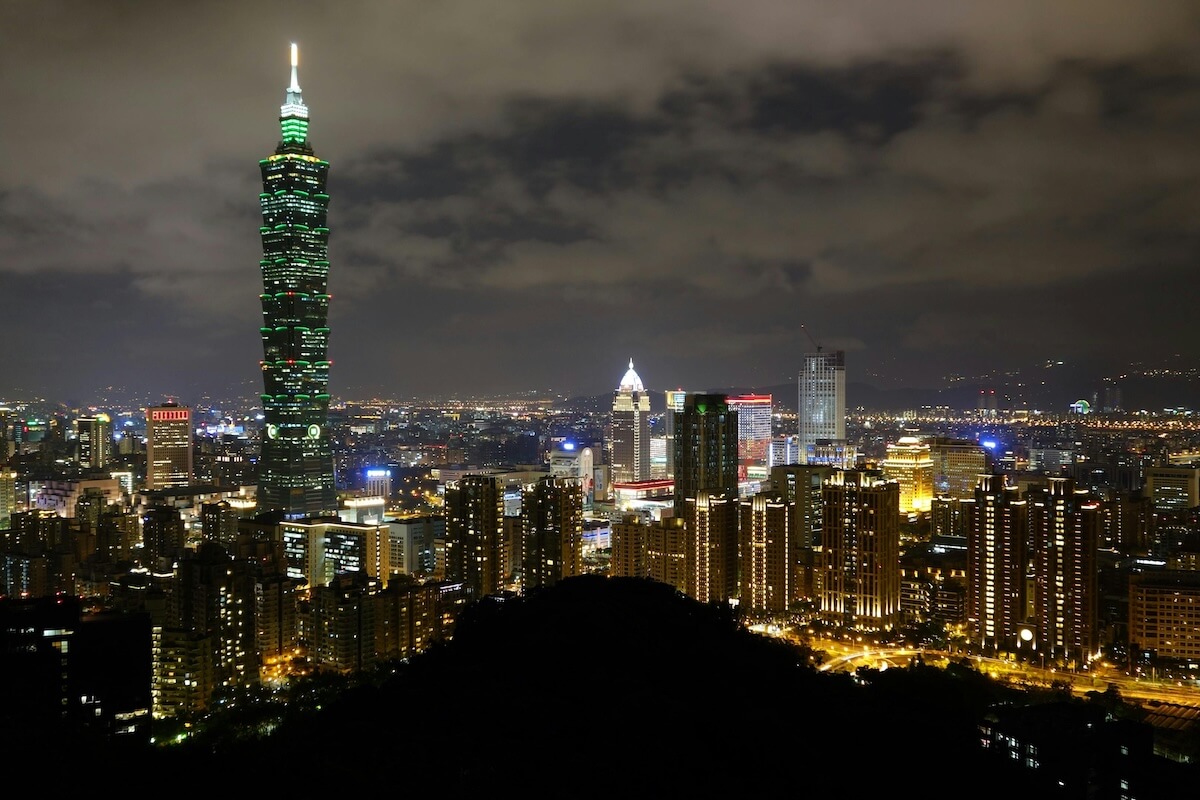
Taiwan Solo: The Easiest Country You've Never Considered
Safe, affordable, impossibly easy to navigate, and packed with food that rivals anywhere in Asia. Taiwan might be the most underrated solo travel destination on earth.
The night I arrived in Taipei, exhausted and jet-lagged, I committed what felt like a cardinal sin of solo travel: I got completely lost trying to find my hostel. No data, no map, not a word of Mandarin. I wandered into a 7-Eleven at midnight, showed the clerk my booking confirmation, and prepared for the usual pantomime of confusion and pointing.
Instead, she walked me to the door, pointed down the alley, held up three fingers, then mimed turning left. When I still looked uncertain, she called something to her coworker, stepped outside, and walked me there herself. This wasn't exceptional service. This was just Taiwan.
Taiwan rarely appears on lists of top solo travel destinations, forever overshadowed by Japan's cultural mystique and Thailand's budget appeal. That's a mistake. Taiwan offers everything that makes Japan exceptional for solo travelers—safety, efficiency, incredible food, cultural depth—while being significantly cheaper, less overwhelming, and populated by people who seem genuinely delighted when foreigners show up.
Why Taiwan Works for Solo Travelers
Let's start with safety, because that's usually the first question. Taiwan consistently ranks among the safest countries on earth for travelers. Violent crime against tourists is essentially unheard of. Women regularly walk alone at night without thinking twice about it. You can leave your bag at a table in a busy food court while you order, and it will be there when you return. This isn't naivety—it's just how Taiwan operates.
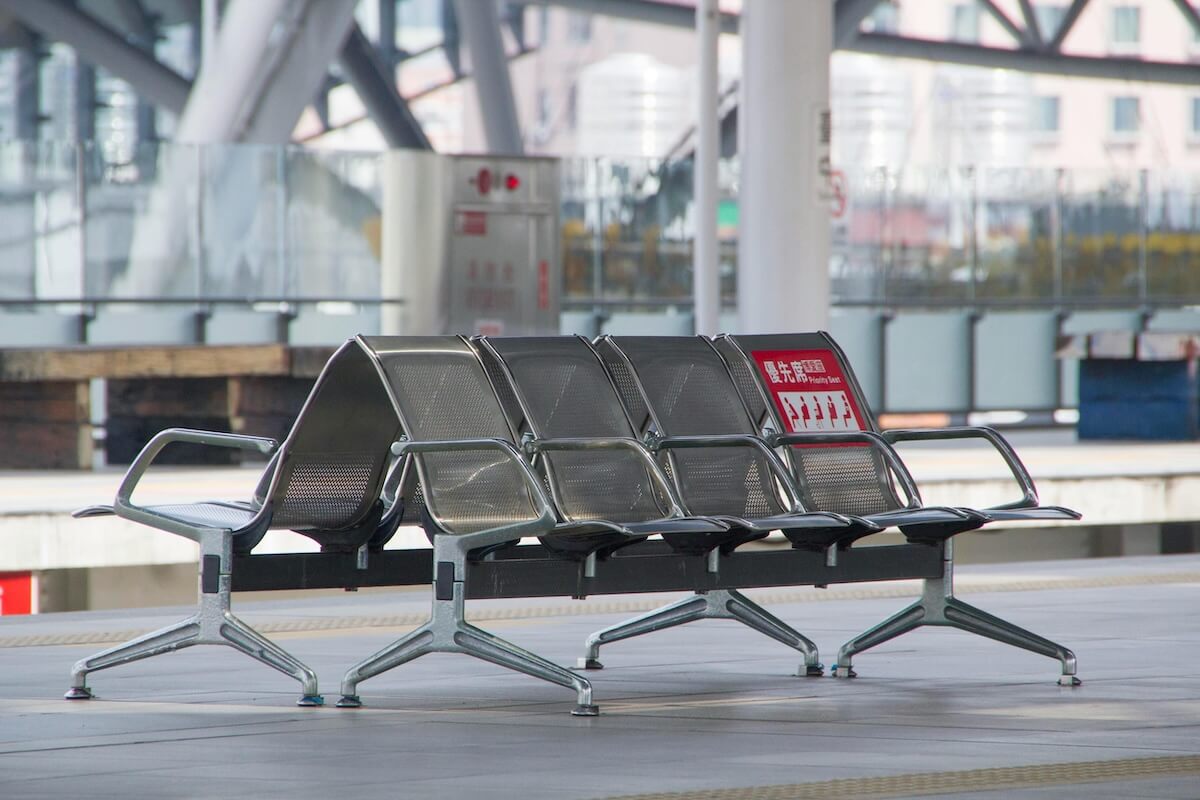
Beyond safety, Taiwan solves the practical problems that make some Asian destinations challenging for first-timers. The metro system in Taipei is immaculate, with English announcements and signage everywhere. The high-speed rail connects major cities in under two hours. Google Maps works perfectly. Credit cards are accepted almost everywhere. You won't need to negotiate, haggle, or navigate complex social hierarchies just to get a train ticket.
The language barrier exists but barely matters. English proficiency varies, but younger Taiwanese often speak it well, and everyone seems willing to try. More importantly, Taiwanese people have an almost pathological desire to be helpful. Ask for directions and strangers will sometimes walk you to your destination. Look confused at a menu and someone will appear at your elbow to translate. This happens constantly, unprompted, without any expectation of tips or transactions.
The Food Situation
Taiwan might have the best street food culture in Asia, and that's not hyperbole. Night markets aren't tourist attractions here—they're how Taiwanese people actually eat dinner. Every city has multiple night markets, each packed with vendors who've spent decades perfecting single dishes. The food is cheap, the quality is extraordinary, and the sheer variety borders on overwhelming.
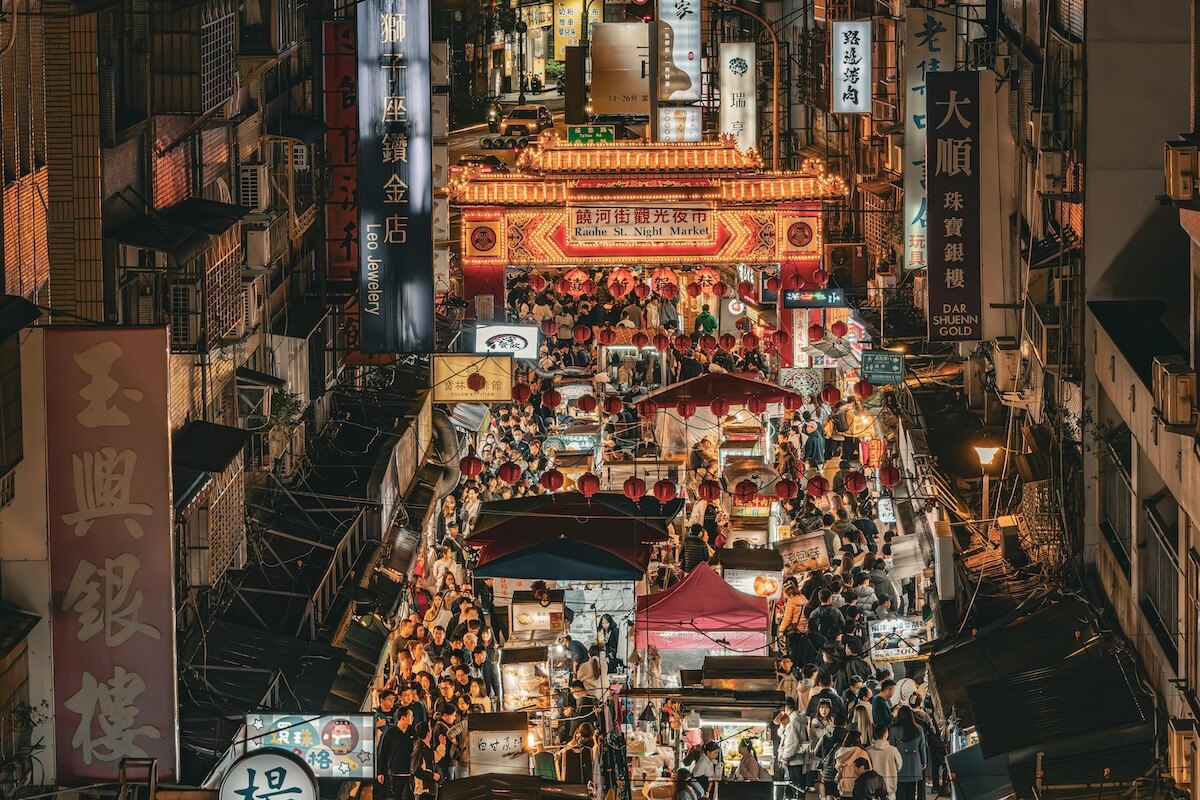
A typical night market dinner might include gua bao (the original "Taiwanese hamburger"), a bowl of beef noodle soup that someone's grandmother has been making the same way for fifty years, grilled squid eaten on a stick, and shaved ice piled with fresh mango. Total cost: around $10. And that's eating well, not budget-stretching.
Beyond night markets, Taiwan's food culture rewards curiosity. Breakfast shops serve savory soy milk with fried crullers for about $1.50. Convenience stores like 7-Eleven and Family Mart stock surprisingly good food—not just onigiri but hot braised eggs, ready-made bento boxes, and tea eggs simmered in spices. The dumpling shops dotting every neighborhood serve xiao long bao that can compete with Shanghai's finest, at a fraction of the price.
A Two-Week Itinerary That Actually Works
Taiwan is compact enough to see meaningfully in two weeks without feeling rushed. Here's how to structure your time without resorting to exhausting daily city-hopping.
Start with four or five nights in Taipei. The capital has enough depth to fill a week, but the highlights emerge after a few days: the chaos of Shilin Night Market, the quiet trails of Elephant Mountain at sunset, temples tucked between skyscrapers, and neighborhoods like Dadaocheng where old wooden shophouses sell traditional crafts. Take the metro to Beitou for hot spring baths in a volcanic valley right inside the city. Ride the gondola to Maokong for mountaintop tea.
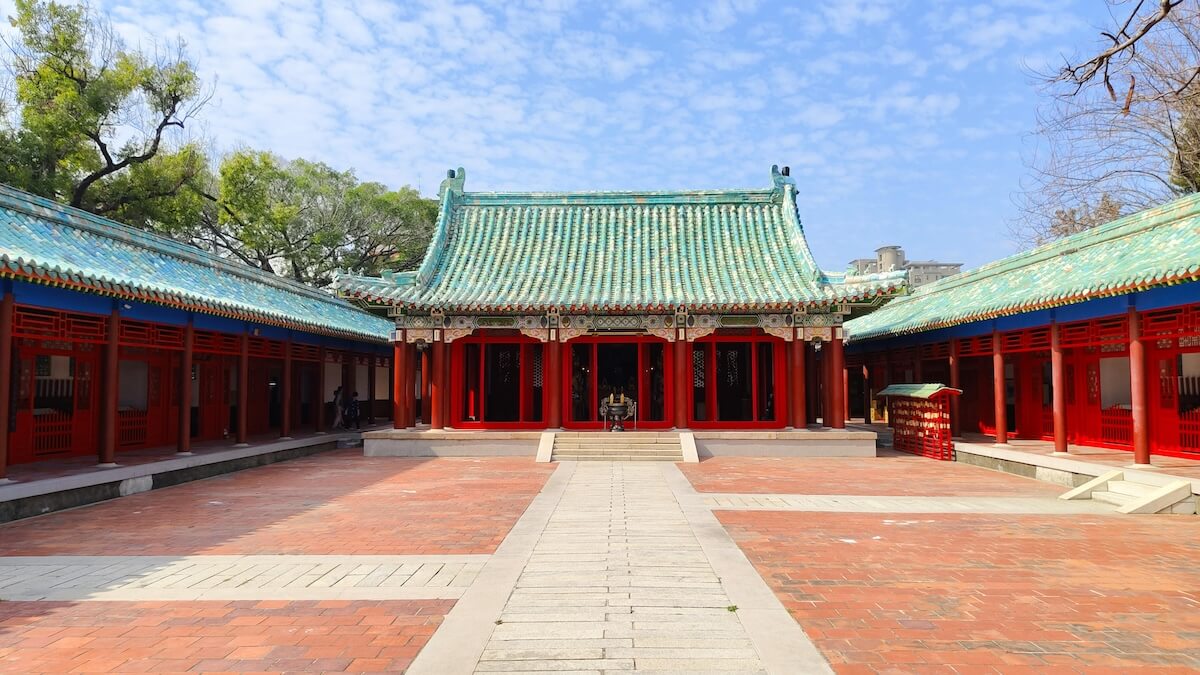
From Taipei, the high-speed rail shoots south to Tainan in ninety minutes. Taiwan's oldest city moves at a different pace—temples every few blocks, food that locals insist is better than Taipei's, crumbling colonial architecture, and a genuinely walkable historic core. Two nights here reveals what Taiwan looked like before the economic miracle.
Continue to Kaohsiung for a night or two. Taiwan's second city has reinvented itself around a former industrial harbor, now home to pop-up markets, ferry rides to offshore islands, and a night market scene that rivals Taipei. From here, day trip to Kenting at Taiwan's southern tip—beaches, tropical forests, and a slower energy that feels almost Southeast Asian.
Save the east coast for the final stretch. The train from Kaohsiung to Hualien takes five hours but passes through some of Taiwan's most dramatic scenery. Hualien is the gateway to Taroko Gorge, where marble cliffs tower over a turquoise river and hiking trails cut through mountains. Spend two or three nights here—one for the gorge, one for the slower pleasures of the town itself.
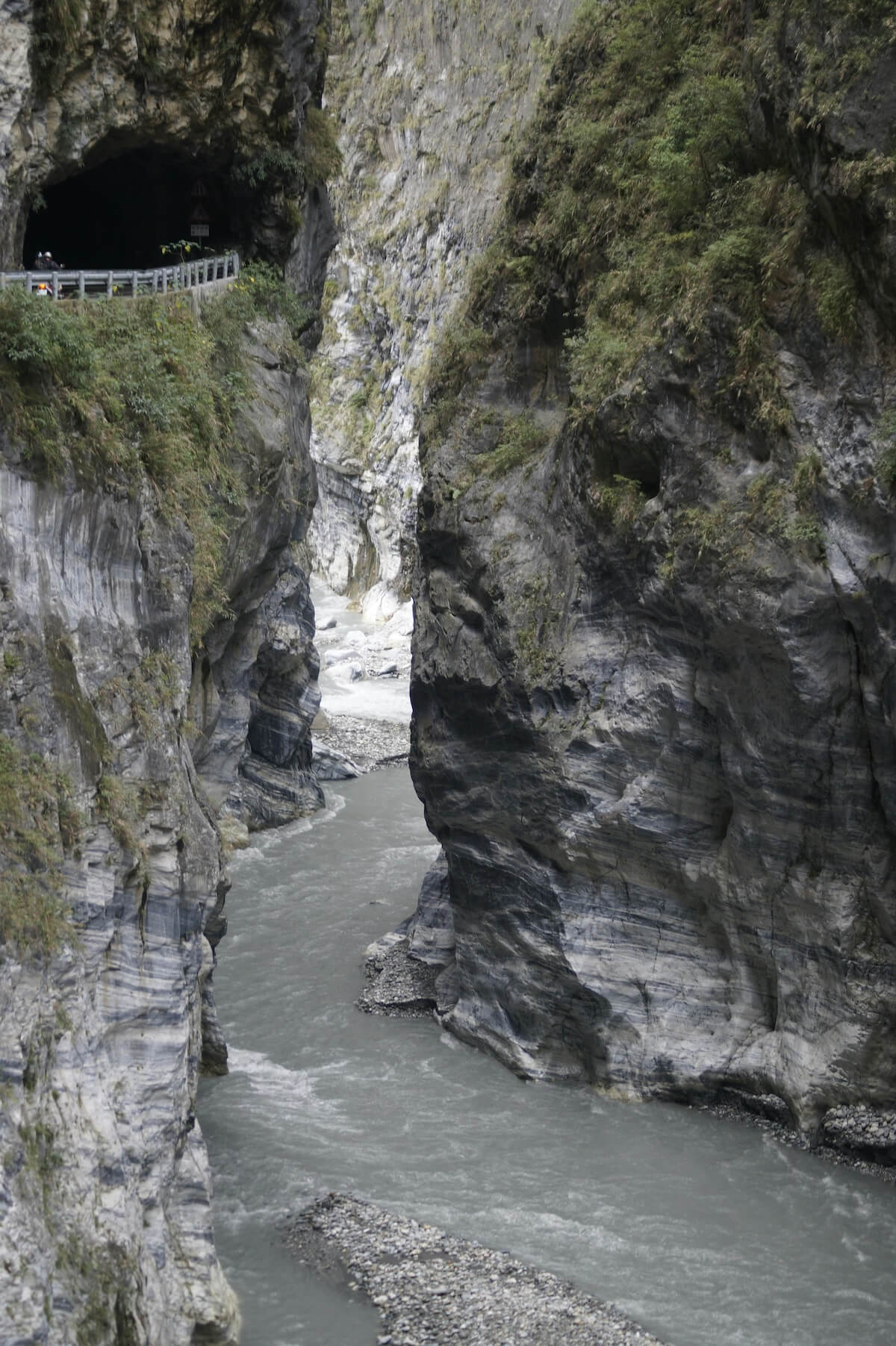
Return to Taipei on the train up the coast, stopping if you want in Jiufen—a hillside town famous for tea houses and narrow streets that supposedly inspired Spirited Away (though this is disputed). It's crowded but undeniably atmospheric, especially after the day-trippers leave.
What It Actually Costs
Taiwan sits in a sweet spot: developed-world infrastructure at developing-world prices. Budget travelers can manage comfortably on $50-60 per day. Mid-range travelers spending $80-100 daily will feel like they're treating themselves constantly.
- Hostel dorm bed: $12-18/night
- Private room in guesthouse: $35-50/night
- Night market meal: $3-5
- Restaurant lunch: $5-8
- High-speed rail Taipei to Kaohsiung: $45
- Taipei metro single ride: $0.60-1.50
- Taroko Gorge day tour: Free (national park entry)
The biggest budget advantage in Taiwan is food. You can eat extraordinarily well for almost nothing. Night markets, breakfast shops, and convenience stores make $15-20 daily food budgets achievable without sacrificing quality. The money you save on eating goes far toward comfortable accommodation or the occasional splurge—a proper tea ceremony in Maokong, perhaps, or a hot spring resort in Beitou.
The Practical Details
Most Western passport holders receive visa-free entry for 90 days. Arrive at Taoyuan International Airport, grab an EasyCard (Taiwan's transit card) at the airport metro station, and you're ready. The EasyCard works on metros, buses, trains, ferries, and even convenience stores—load it with cash and forget about fumbling for coins.
Best months to visit are October through April, when humidity drops and typhoon season ends. Summer works but brings intense heat and occasional storms. Lunar New Year (late January/early February) sees domestic travel surge and prices spike—either avoid it or embrace the festive chaos.
Accommodation clusters around two types: international hostels catering to backpackers and local guesthouses offering more privacy. Both are plentiful in Taipei and major cities. Booking ahead is only essential during holidays; otherwise, showing up and finding somewhere to sleep is low-stress.
What No One Tells You
Taiwan is humid. The subtropical moisture hits hard, especially in summer. Pack accordingly—light fabrics, minimal layers, acceptance that you'll sweat. Air conditioning runs cold everywhere as compensation.
Scooters dominate the roads. Taipei's motorcycle tide can be intimidating if you're not expecting it. Sidewalks exist but sometimes double as parking. Stay alert when walking, though traffic generally respects pedestrians more than in most of Asia.
Taiwanese hospitality can catch you off guard. People will refuse payment for small kindnesses, insist on sharing food, walk blocks out of their way to help you find something. Accept graciously. Offers are genuine, not transactional. A simple "xiè xie" (thank you) goes far.
The temples are worth entering even if you're not religious. Taiwan practices a syncretic blend of Buddhism, Taoism, and folk religion that results in temples of staggering visual intensity—incense smoke, golden deities, intricate carvings, and locals praying alongside curious visitors. It's living culture, not museum pieces.
The Case for Taiwan First
If you're planning your first solo trip to Asia, Taiwan makes a compelling argument. Japan is wonderful but expensive and occasionally overwhelming in its complexity. Thailand is cheap but can feel chaotic and occasionally exhausting. Taiwan threads the needle: safe enough to relax into, affordable enough to extend your trip, interesting enough to keep drawing you deeper.
More experienced solo travelers find different rewards. Taiwan hasn't been homogenized by mass tourism. Night markets still exist for locals, not tourists. Conversations happen because people are curious, not because they're selling something. The edges remain rough in the best way—you're exploring, not following a script.
That first night in Taipei, after the 7-Eleven clerk walked me to my hostel, I thanked her repeatedly, embarrassed by the help. She waved me off, said something in Mandarin that I didn't understand, and walked back to finish her shift. It was such a small thing. But two weeks later, after dozens of similar moments, it stopped surprising me. It just felt like Taiwan.


Comments
How did this story make you feel?
No comments yet. Be the first to share your thoughts!