Palau: The Tiny Nation That Stamps an Environmental Oath Into Your Passport
The world's first shark sanctuary, mandatory reef-safe sunscreen, and a pledge every visitor must sign. This Pacific island nation of 18,000 people is using its sovereignty to protect the ocean.
When you arrive in Palau, before you collect your luggage, an immigration officer hands you a form. It's not the usual customs declaration. It's an oath—stamped directly into your passport—promising to "tread lightly, act kindly, and explore mindfully" for the sake of Palau's children. You sign it, or you don't enter. There is no third option.
This is the Palau Pledge, the world's first immigration requirement tied to environmental behavior. It sounds like a gimmick until you realize it's backed by actual laws: $1,000 fines for touching coral, mandatory reef-safe sunscreen (anything else is confiscated at customs), strict limits on where boats can anchor, and rangers who enforce these rules with genuine authority.
Palau—a nation of roughly 18,000 people scattered across 340 islands in the western Pacific—has decided to use its sovereignty for something unusual: protecting the ocean. In a world where tourism typically degrades what it touches, Palau is attempting something radical. It's trying to prove that a small nation can set global standards for how visitors should behave in fragile ecosystems.
The Shark Sanctuary
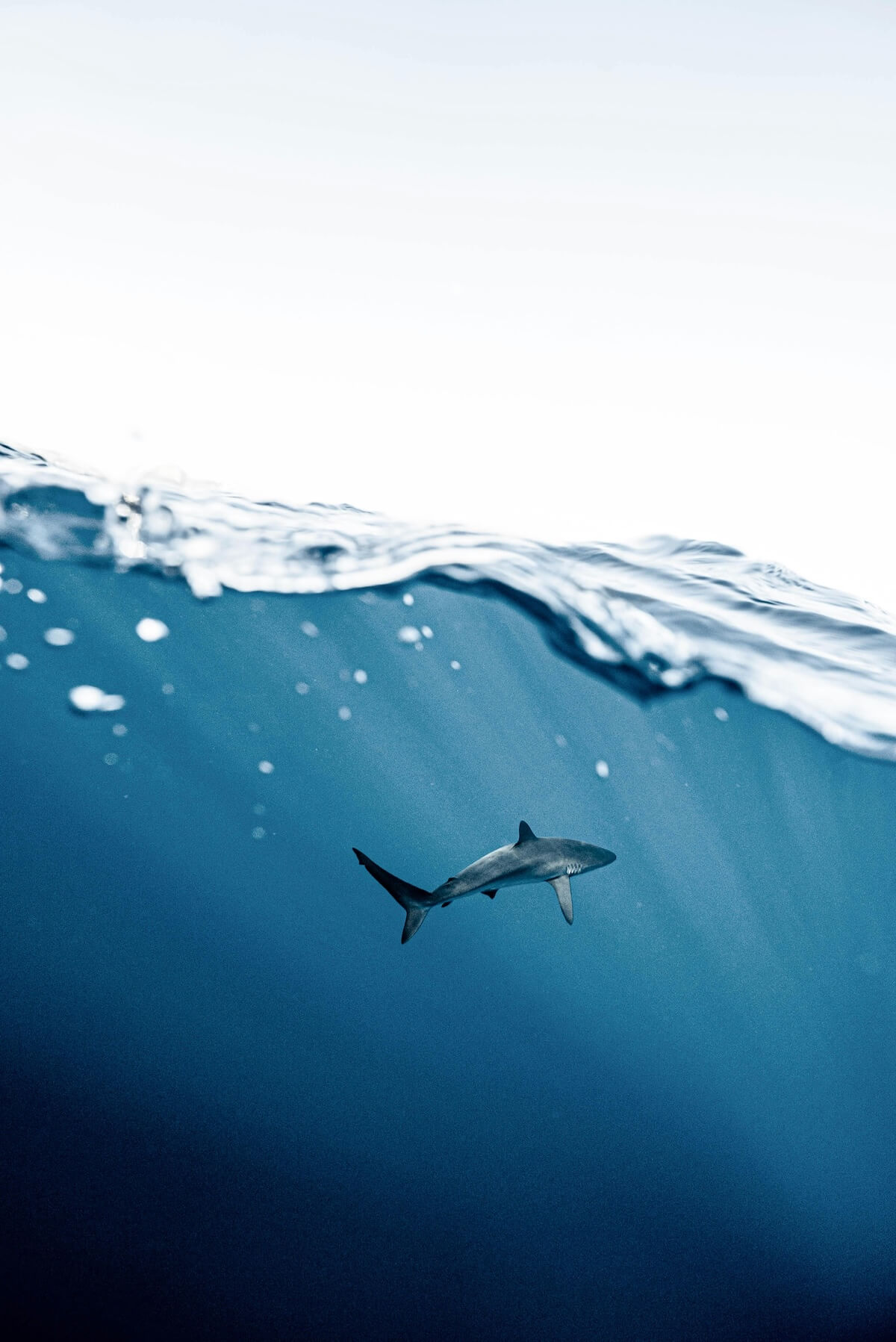
In 2009, Palau created the world's first national shark sanctuary, banning all commercial shark fishing in its waters—an area the size of France. The economic logic was straightforward: a live shark in Palauan waters generates an estimated $1.9 million in tourism revenue over its lifetime. A dead shark, sold for fins, generates perhaps $200.
The decision transformed Palau's marine environment. Divers now reliably encounter grey reef sharks, whitetip reef sharks, and occasionally hammerheads and tiger sharks. The sharks aren't attractions in cages or controlled encounters—they're simply present, going about their business in waters where they're legally protected.
The sanctuary's success inspired a wave of similar protections across the Pacific. The Maldives, Honduras, the Bahamas, and others followed Palau's model. A tiny nation with no military power and minimal economic leverage demonstrated that conservation leadership could come from anywhere—and that protecting predators could make economic sense.
The Jellyfish Lake Dilemma
Palau's most famous attraction nearly destroyed itself. Jellyfish Lake—a marine lake filled with millions of golden jellyfish that lost their sting through evolution—became so popular that the ecosystem began collapsing. Too many visitors, too much sunscreen, too much disruption to the delicate balance that allowed these creatures to exist nowhere else on Earth.
In 2016, the jellyfish population crashed from an estimated 8 million to nearly zero. Climate change (El Niño) played a role, but so did tourism pressure. Palau closed the lake entirely. When it reopened in 2019, strict limits applied: only 1,775 visitors per day, no sunscreen allowed in the water, mandatory permits, and rangers monitoring behavior.
The jellyfish have returned, numbering in the millions again. Palau learned something that more popular destinations haven't: sometimes protecting a place means limiting access to it, even when that access generates revenue. The short-term loss was worth the long-term preservation.
What Visiting Looks Like
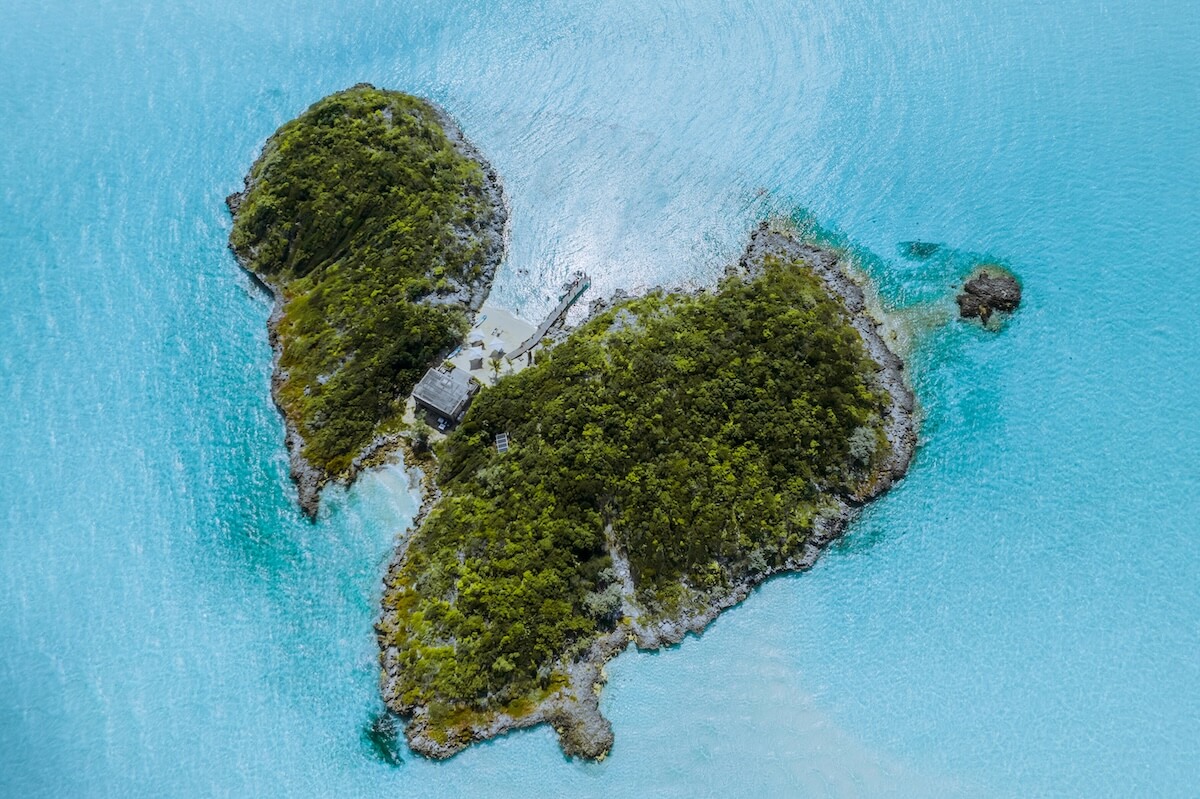
Palau isn't a beach destination in the typical sense. The main island, Koror, is small and functional rather than beautiful. The magic lies offshore: the Rock Islands, a UNESCO World Heritage site of over 400 limestone islands covered in jungle, surrounded by some of the world's most pristine coral reefs.
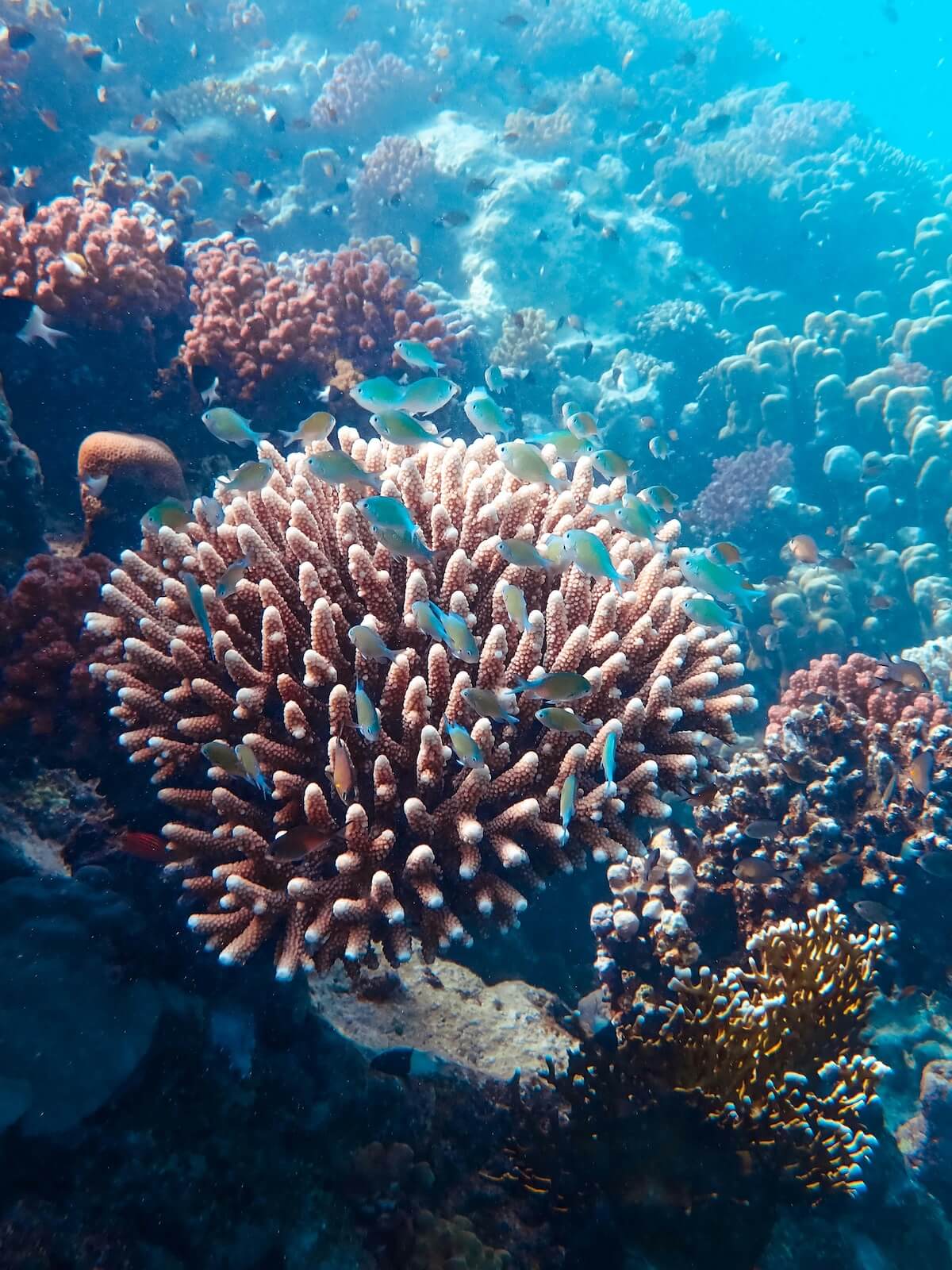
Diving and snorkeling dominate the experience. Blue Corner, consistently ranked among the world's best dive sites, offers wall diving where currents attract sharks, mantas, and massive schools of fish. Chandelier Cave provides cathedral-like underwater chambers. German Channel delivers reliable manta ray encounters during certain seasons.
Non-divers can kayak through the Rock Islands, visit cultural sites, or simply absorb the staggering biodiversity visible from the surface. But Palau's true value lies underwater. If you're not interested in the marine environment, there are cheaper and more convenient beach destinations. Palau is for people who care about what's beneath the surface.
The Economics of Protection
Palau's conservation model depends on tourism revenue, which creates both opportunity and vulnerability. The $100 Pristine Paradise Environmental Fee (PPEF), charged to all visitors, funds marine patrols, protected area management, and environmental education. This isn't greenwashing—you can see the money at work in ranger stations, enforcement boats, and maintained facilities.
The country has explicitly rejected mass tourism. Rather than chasing volume, Palau wants fewer visitors who stay longer and spend more. The 2017 goal was to attract high-value tourists interested in diving, cultural tourism, and marine experiences—not package tourists seeking cheap beach holidays.
- Pristine Paradise Environmental Fee: $100
- Rock Islands permit (required): $50-100
- Jellyfish Lake permit: $100
- Dive shop day rate: $150-250
- Mid-range hotel: $150-250/night
- Budget accommodation: $80-120/night
- Realistic daily budget: $200-350
The COVID-19 pandemic devastated Palau's tourism-dependent economy, exposing the fragility of the model. Recovery has been slow, partly by design—Palau used the pause to reconsider what kind of tourism it wants. The answer, consistently, is less but better.
The Sunscreen Law
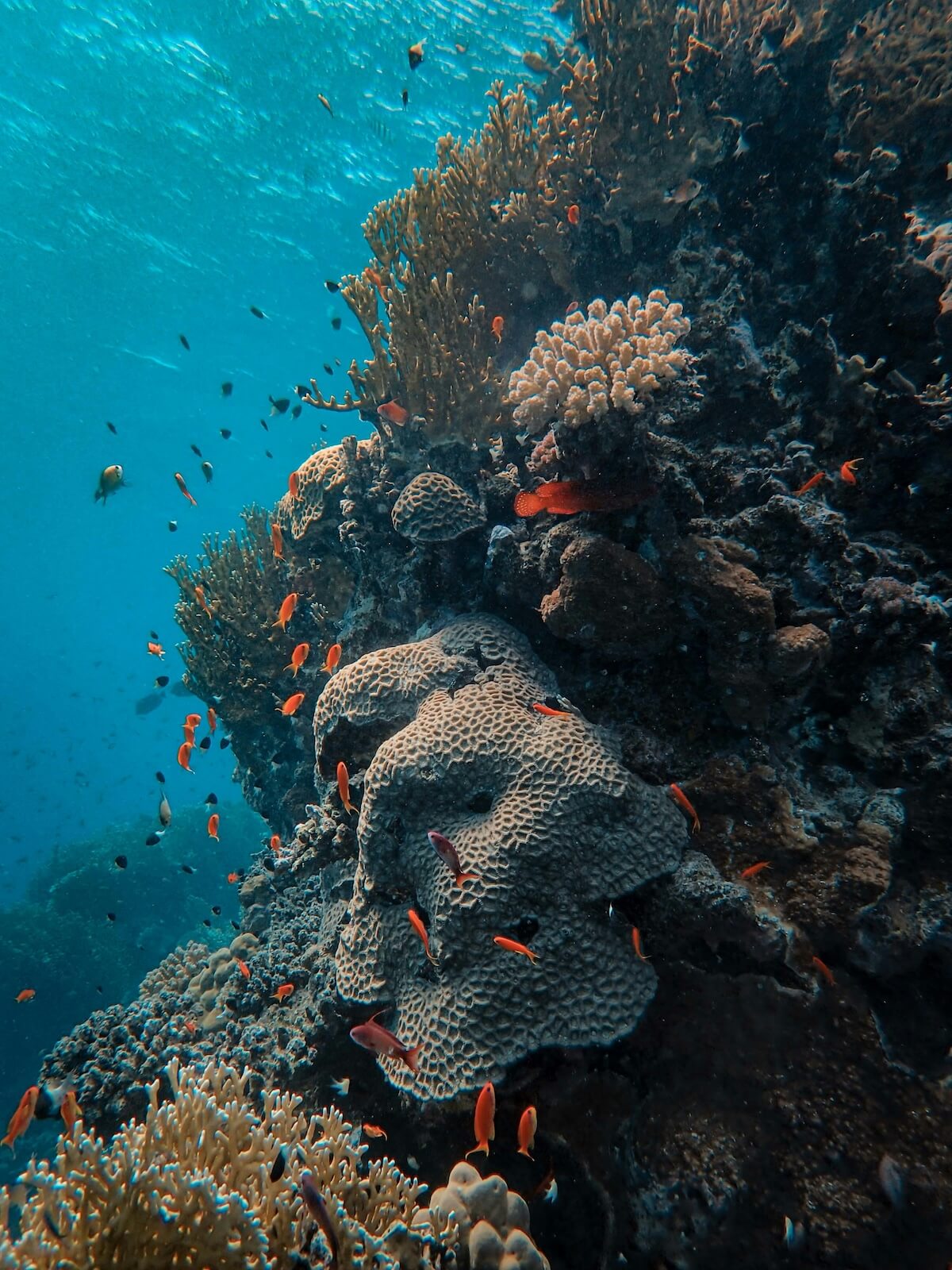
In 2020, Palau became the first country to ban reef-toxic sunscreens nationwide. Products containing oxybenzone and octinoxate—chemicals that contribute to coral bleaching even in tiny concentrations—are literally confiscated at customs. The law applies to everyone: tourists, residents, diplomats.
The ban sounds minor until you realize how difficult it is to find truly reef-safe sunscreen in most countries. The products widely marketed as "reef-friendly" often contain the banned chemicals. Palau's approach forces visitors to research before arrival, establishing environmental consciousness as a prerequisite for entry.
Practical Realities
Getting to Palau requires effort. Flights connect through Guam, Manila, Taipei, or Seoul, typically involving layovers. There are no direct flights from the United States mainland or Europe. The journey itself filters for committed travelers rather than casual visitors.
Most visitors need five to seven days to experience Palau meaningfully. Diving certifications (at least Open Water) unlock the best sites, though snorkeling at certain locations is excellent. The dry season runs from November to April, though diving is year-round. Manta season peaks from December to April.
Palau uses the US dollar. English is widely spoken alongside Palauan. The infrastructure is functional but not luxurious—this isn't the Maldives. Accommodations range from basic to comfortable; genuine luxury is limited. The appeal is natural, not manufactured.
The Larger Significance
Palau's population could fit in a small American town. Its economy is smaller than many corporations. It has no military and minimal geopolitical power. And yet it has shaped international conservation law, pioneered tourism policies now copied worldwide, and demonstrated that small nations can lead on environmental protection.
The Palau Pledge, dismissed by some as symbolic, represents something genuinely new: the idea that visiting a place creates obligations, that tourism should come with responsibilities, that environmental protection can be a condition of entry. Other destinations are now considering similar requirements.
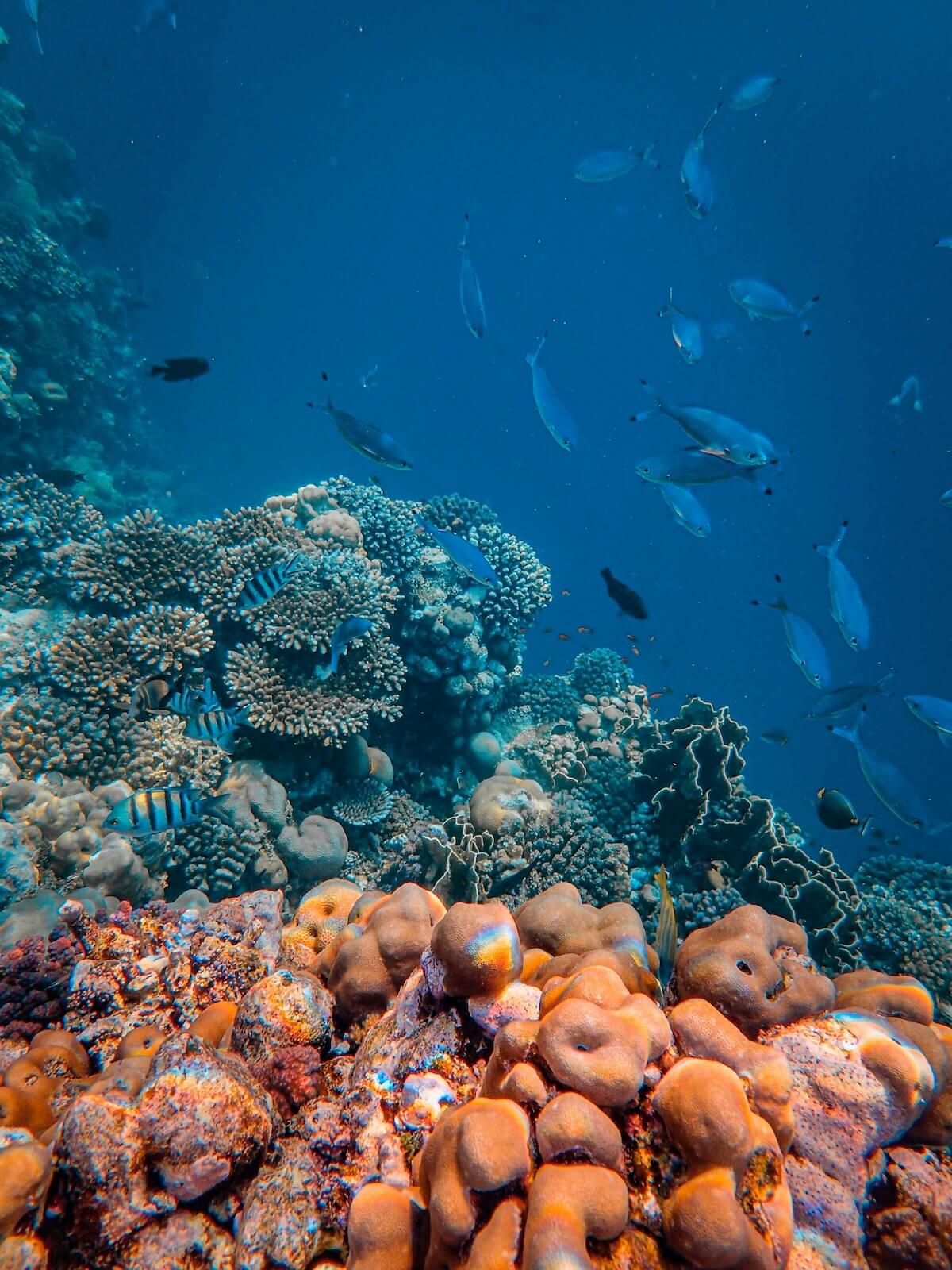
For individual travelers, Palau offers something increasingly rare: the chance to visit a place where your presence is actively managed for the ecosystem's benefit. The fees you pay fund real protection. The rules you follow have measurable impact. The pledge you sign isn't empty—it's backed by laws, enforcement, and a society that takes these commitments seriously.
That oath in your passport—"tread lightly, act kindly, explore mindfully"—sounds like greeting card language until you see it in context. Palau is trying to change how tourism works, one visitor at a time. The sharks patrolling Blue Corner, the jellyfish pulsing through their lake, the coral still vibrant after decades of diving pressure—these are evidence that the approach is working. The tiny nation has something to teach the rest of the world about what it means to welcome visitors while protecting what they come to see.


Comments
How did this story make you feel?
No comments yet. Be the first to share your thoughts!