Norway: The Expensive Country That's Getting Sustainability Right
High prices, electric ferries, right-to-roam laws, and a culture that treats nature as something to protect rather than consume. Norway offers a model for what sustainable travel could look like everywhere.
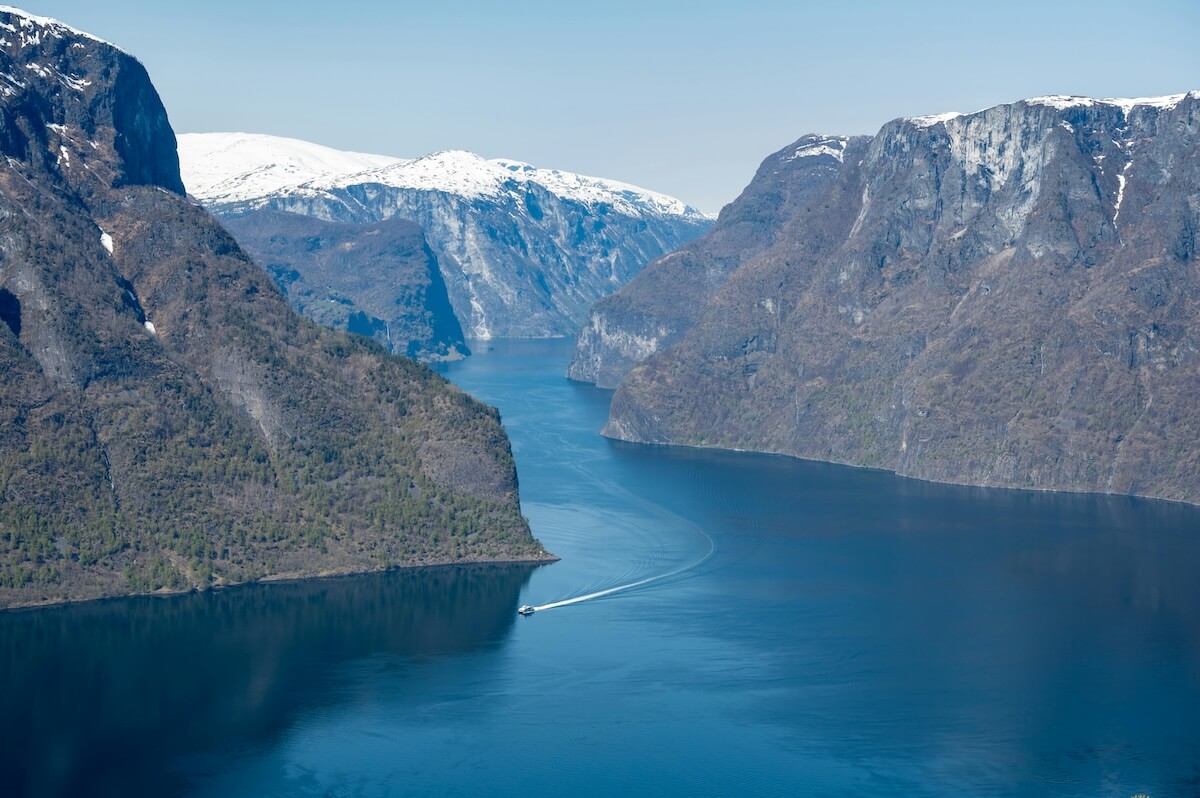
The ferry from Gudvangen to Flåm glides through Nærøyfjord in near-silence. No diesel rumble, no exhaust smell—just the quiet hum of electric motors and the sound of waterfalls cascading down thousand-meter cliffs. This is Norway's answer to mass tourism in fragile ecosystems: not banning visitors, but rebuilding the entire transport infrastructure to eliminate the damage.
Norway gets dismissed as too expensive, and it's true—a meal that costs $15 elsewhere runs $35 here, hostels charge what boutique hotels cost in Spain. But that expense contains a philosophy worth examining. Norway has decided that protecting its landscapes matters more than maximizing visitor numbers, and it's willing to accept the economic trade-offs that follow.
The result is something rare in modern tourism: a country where the infrastructure, culture, and policies align toward genuine sustainability rather than greenwashing. Visiting Norway costs more. It's also a glimpse of what responsible travel could look like if other destinations made similar choices.
The Electric Revolution
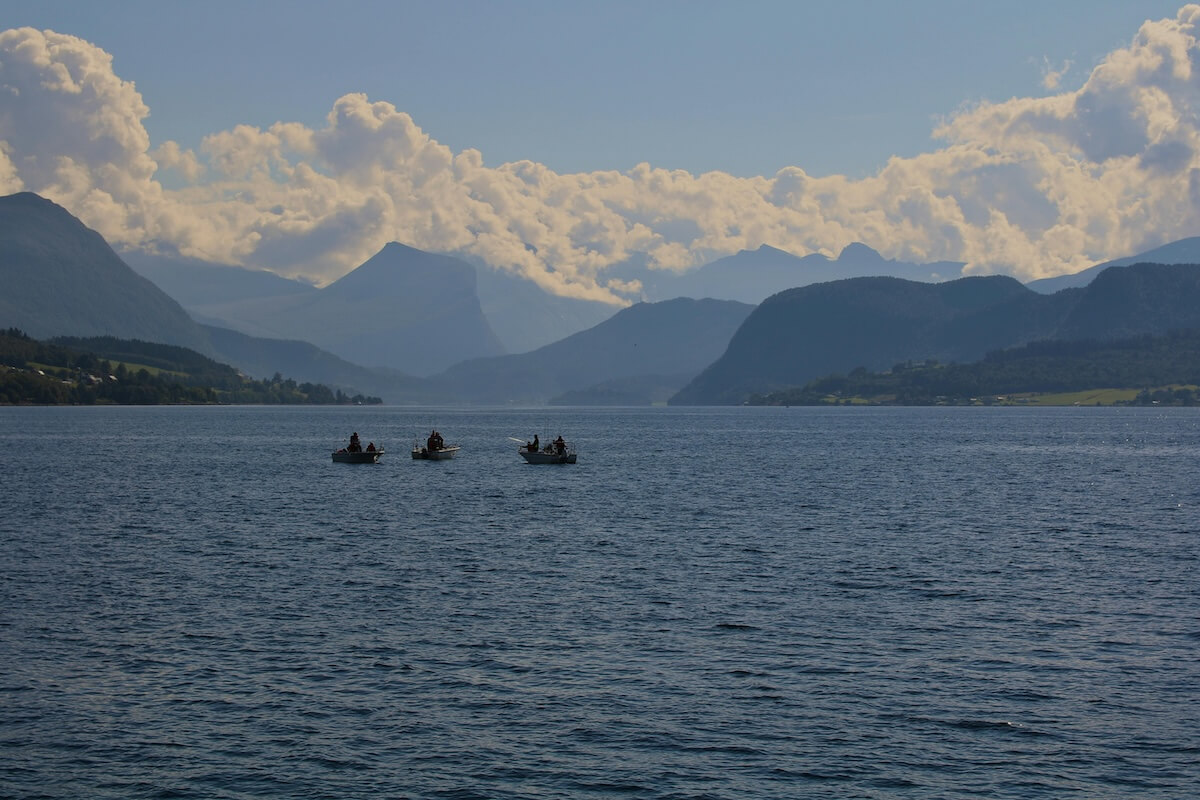
Norway is systematically electrifying its transport network, and nowhere is this more visible than on the fjords. The country operates over 200 ferry routes, many through UNESCO-protected waterways where emissions restrictions now apply. By government mandate, these ferries are converting to battery-electric or hybrid propulsion. The Sognefjord, Geirangerfjord, and Nærøyfjord—the routes tourists actually use—already run partially or fully electric vessels.
The difference is immediately noticeable. Traditional diesel ferries announce themselves with noise and fumes. Electric ferries slip through the fjords almost silently, leaving no visible trace. For travelers, this transforms the experience—you hear the waterfalls, the bird calls, the silence that these landscapes deserve.
This extends beyond ferries. Norway leads the world in electric vehicle adoption—over 80% of new car sales are now electric. Charging infrastructure dots even remote areas. The train network runs on renewable hydroelectric power. When you travel through Norway, the carbon footprint of your transport can be genuinely minimal, not through offsetting schemes but through actual clean energy.
Allemannsretten: The Right to Roam
Perhaps nowhere expresses Norway's relationship with nature better than allemannsretten—the ancient right to roam. By law, everyone can walk, ski, or cycle across uncultivated land, regardless of who owns it. You can camp almost anywhere for a night or two, pick berries and mushrooms, swim in any body of water. The wilderness belongs to everyone.
This sounds like a recipe for environmental disaster, but the opposite is true. Allemannsretten comes with responsibilities: leave no trace, respect privacy near dwellings, don't damage anything, carry out what you carry in. These aren't just rules but deeply embedded cultural values. Norwegians grow up learning this ethic, and visitors are expected to honor it.
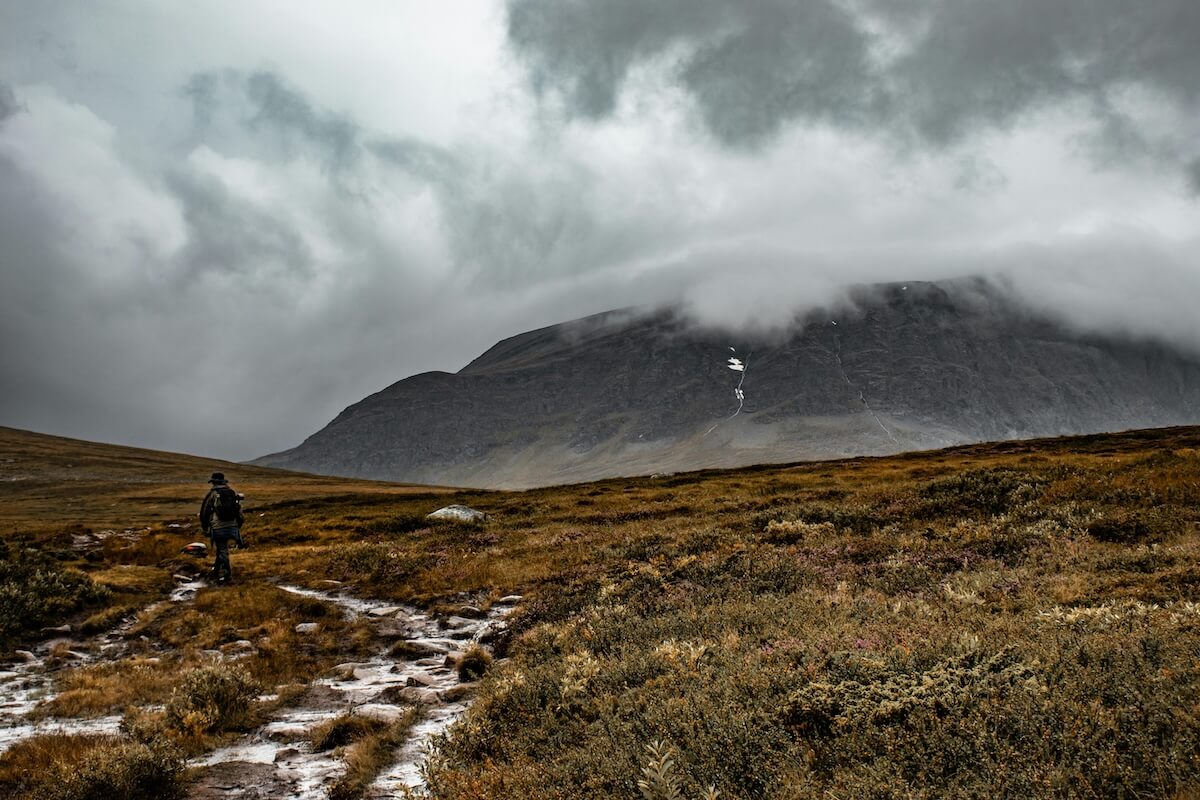
The practical impact for travelers is profound freedom. You can hike without worrying about property boundaries, camp in spectacular locations without paying campsite fees, experience wilderness without the infrastructure that usually accompanies access. But this freedom demands responsibility. Wild camping means no fires during dry periods, pitching your tent out of sight, leaving sites cleaner than you found them.
For sustainable travelers, allemannsretten offers something commercial ecotourism rarely provides: direct, unmediated access to nature without the development that usually accompanies tourism. No entrance fees funding questionable management. No resorts claiming sustainability while paving parking lots. Just you, the landscape, and an expectation that you'll treat it with respect.
The High-Price Philosophy
Let's address the elephant: Norway is genuinely expensive. A basic restaurant meal runs $30-40. A hostel dorm costs $40-50 per night. A domestic flight that costs $30 in other European countries costs $150 here. Budget travelers accustomed to $50 daily spending will struggle to manage $100.
This isn't accidental. Norway's high wages mean service workers earn living salaries—the person serving your expensive coffee makes enough to live in dignity. Environmental taxes on transport and accommodation fund conservation. The general expense filters visitor numbers, reducing pressure on fragile sites.
- Hostel dorm: $40-55/night
- Budget hotel room: $100-150/night
- Restaurant meal: $25-40
- Supermarket meal: $8-12
- Train Oslo to Bergen: $40-80
- Fjord cruise day pass: $50-80
- Daily budget (frugal): $100-120
- Daily budget (comfortable): $180-220
The sustainable travel argument for high prices is counterintuitive but compelling. Mass tourism destroys what it seeks to experience—overtourism in Venice, Barcelona, and Dubrovnik demonstrates this clearly. Norway's expense naturally limits numbers. Fewer visitors with higher spending per person can generate similar economic benefits while reducing environmental and social impact.
This doesn't mean Norway is only for the wealthy. Strategic choices dramatically reduce costs. Cooking from supermarkets instead of restaurants cuts food expenses by 70%. Wild camping under allemannsretten eliminates accommodation costs entirely. Slow travel by bus and ferry costs less than flights and delivers better experiences. A two-week trip can be done for $1,500-2,000 with discipline.
Where to Go
The western fjords draw the majority of visitors, and deservedly so. The Norway in a Nutshell route—train from Oslo to Myrdal, the spectacular Flåm Railway descent, ferry through Nærøyfjord and Aurlandsfjord, bus over mountain passes—packs the country's greatest hits into a single day or multi-day journey. It's touristy, but the electric ferries and efficient connections make it surprisingly sustainable for its popularity.
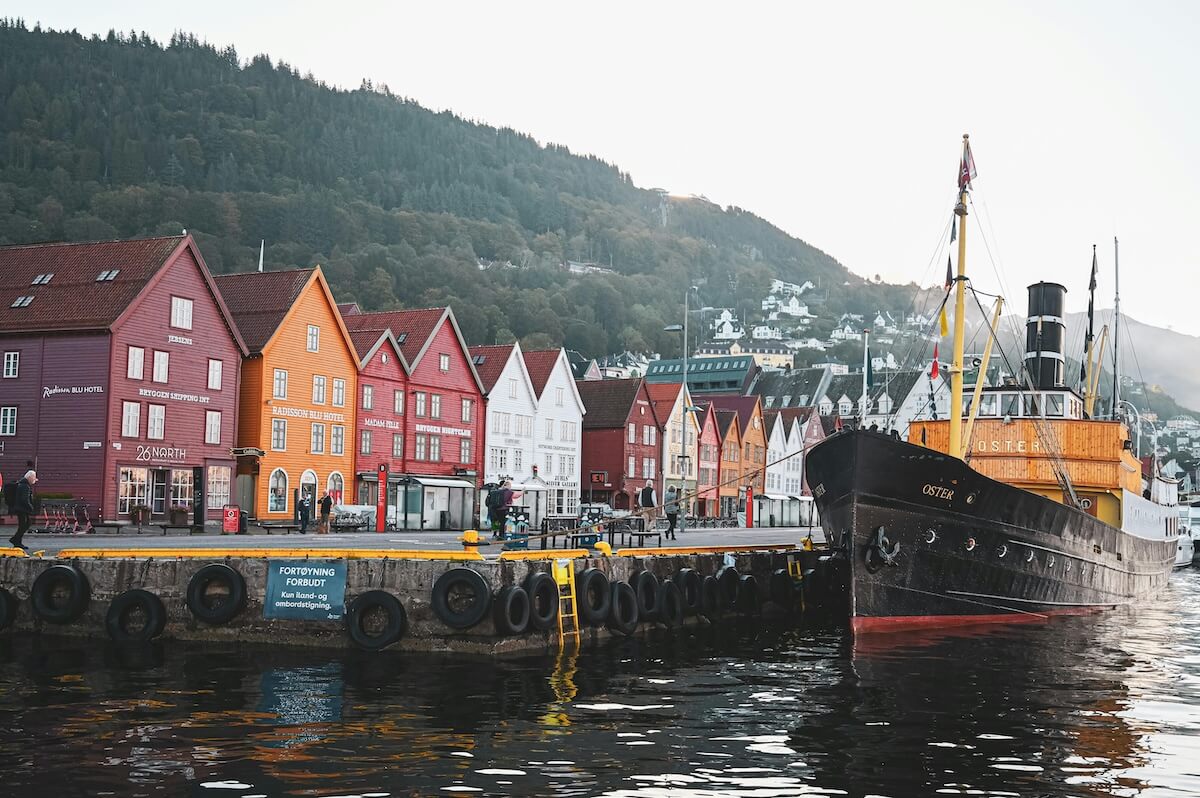
Bergen makes an ideal base—small enough to explore on foot, connected to fjords in every direction, atmospheric in its perpetual rain. The UNESCO-listed Bryggen waterfront, fish market, and funicular to Mount Fløyen offer urban pleasures; day trips reach Hardangerfjord, Sognefjord, and countless hiking trails.
Further north, the Lofoten Islands present Norway's most dramatic scenery: jagged peaks rising directly from the sea, traditional fishing villages with red wooden cabins, beaches that could be Caribbean if not for the temperature. Getting there takes effort—flights to Bodø then ferry, or the long coastal route—but the remoteness keeps crowds manageable even in summer.
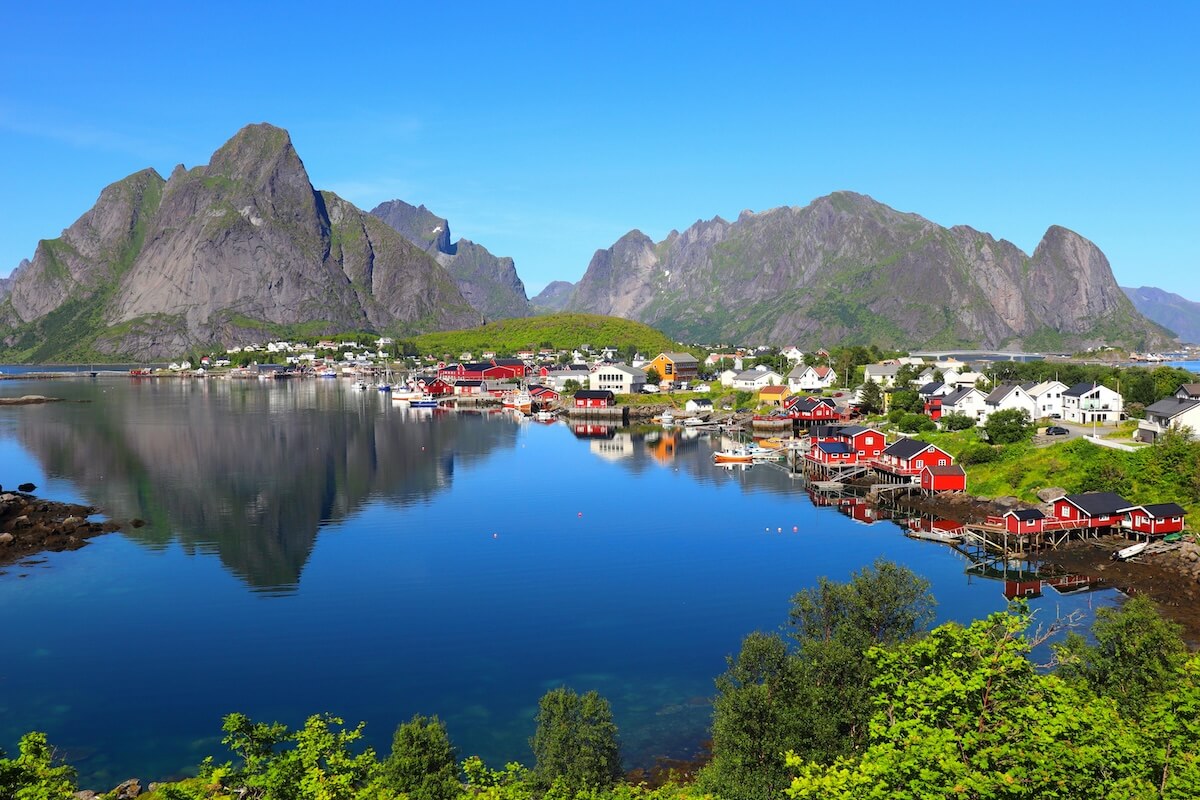
The Arctic north—Tromsø, Nordkapp, Svalbard—offers midnight sun in summer and northern lights in winter, plus some of the world's most committed sustainability practices. Svalbard in particular operates under strict environmental regulations: nothing can be removed, waste must be carried out, wildlife disturbance is severely punished.
Practical Sustainability
Traveling sustainably in Norway requires less effort than most destinations because the infrastructure already supports it. But conscious choices still matter.
Transport: trains and electric ferries over flights whenever possible. The Bergen Railway and Rauma Railway rank among Europe's most scenic train journeys. Coastal ferries (the Hurtigruten route is converting to hybrid) offer slow travel with proper views. If you rent a car, choose electric—charging infrastructure is excellent.
Accommodation: mountain huts operated by the Norwegian Trekking Association (DNT) offer sustainable wilderness lodging—unstaffed cabins with basic supplies, staffed lodges with meals, all maintained by membership fees supporting conservation. Wild camping under allemannsretten leaves no physical footprint when done properly.
Food: Norway's local food movement emphasizes short supply chains and traditional preservation methods. Seek out local fish, game, and foraged ingredients rather than imported alternatives. Supermarkets stock excellent Norwegian products at reasonable prices—cooking your own meals is both budget-friendly and lower-impact than restaurant dining.
The Larger Lesson
Norway's approach to sustainable tourism isn't easily replicated. The country has oil wealth funding infrastructure, low population pressure, strong institutions, and a cultural relationship with nature that developed over centuries. Other destinations can't simply copy the model.
But Norway demonstrates what's possible when a society decides that protecting landscapes matters more than maximizing tourism revenue. Electric transport works. Right-to-roam can coexist with environmental protection. High prices can reduce overtourism while maintaining economic benefits. These aren't fantasies but functioning realities.
For individual travelers, Norway offers something increasingly rare: the chance to experience world-class landscapes without the guilt that often accompanies tourism. Your ferry ride actually is zero-emission. Your wild camping actually leaves no trace. Your spending actually supports workers earning fair wages. The sustainability isn't marketing—it's infrastructure.
That silent electric ferry gliding through Nærøyfjord represents more than clean transport. It represents a choice: Norway decided that preserving these fjords for future generations matters more than cheap tickets for current visitors. The high prices, the electric conversions, the right to roam with responsibility—all of it flows from that fundamental decision. It costs more. It should cost more. And experiencing it suggests what travel could look like if more destinations made similar choices.


Comments
How did this story make you feel?
No comments yet. Be the first to share your thoughts!