Your First Moroccan Hammam: A Complete Guide to the Ritual
Walking into a hammam for the first time can feel like entering another world—steam, marble, buckets of water, and a scrubbing you'll remember. Here's exactly what to expect and how to navigate it.
The attendant gestures for me to lie face-down on the marble. She doesn't speak English, I don't speak Arabic beyond pleasantries, but her meaning is clear: stop tensing up. I'm in a steam-filled room in Marrakech's medina, wearing only underwear, about to experience my first traditional hammam.
Twenty minutes later, I'm watching layers of dead skin roll off my arms as she scrubs with a coarse mitt. It's somewhere between uncomfortable and transcendent. By the end, I understand why Moroccans have been doing this for centuries.
The hammam isn't a spa treatment—it's a weekly ritual, a social institution, and a cornerstone of Moroccan culture. Here's everything you need to know before your first visit.
What Is a Hammam?
A hammam is a public steam bath with roots stretching back to Roman thermae, adapted and refined through centuries of Islamic tradition. In Morocco, hammams exist in nearly every neighborhood—they're as common as cafés and serve a similar social function.
The basic concept: you move through progressively warmer rooms, steam opens your pores, you apply black soap (savon beldi), then someone scrubs your entire body with a rough exfoliating mitt (kessa). The dead skin comes off in visible rolls. It's not subtle.
Traditional neighborhood hammams are single-sex, with separate hours or facilities for men and women. Tourist-oriented hammams in riads and hotels often offer private sessions. The experience differs significantly—both are valid, but the traditional version is the real cultural immersion.
Choosing Your Hammam
You have three main options: local neighborhood hammams, mid-range hammams, and luxury spa hammams. Each offers something different.
Neighborhood hammams cost 15-30 MAD (about $1.50-3) for entry, with an optional scrub from an attendant for another 50-80 MAD. They're authentic but can be intimidating for first-timers—everything runs on unwritten rules, most attendants don't speak English, and you're genuinely immersed in local life. This is where Moroccan families come weekly.
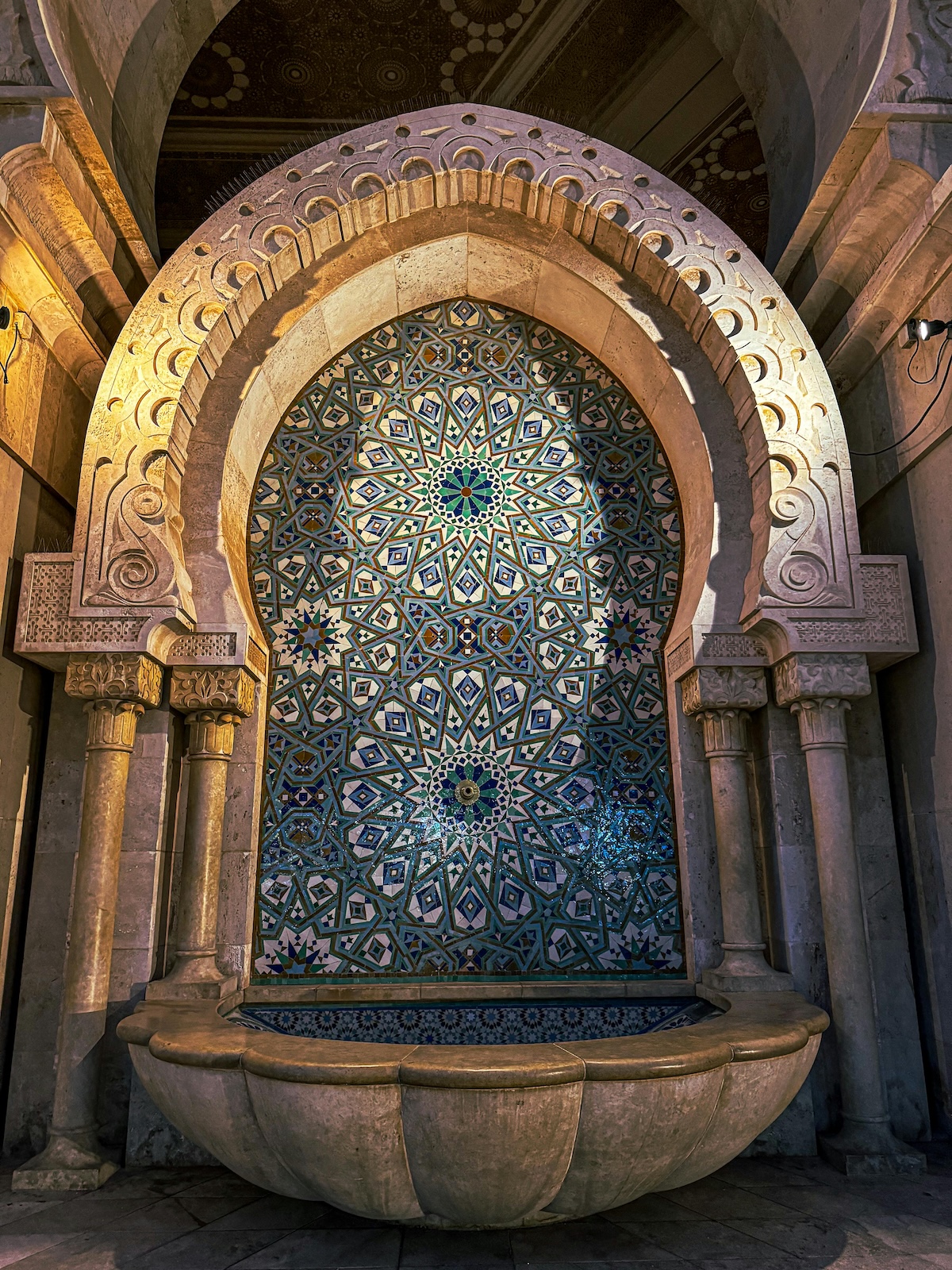
Mid-range hammams (100-300 MAD) cater to tourists while maintaining traditional practices. Staff often speak some English, the facilities are cleaner, and the whole experience is more guided. Heritage Spa in Marrakech and Hammam Mouassine strike this balance well.
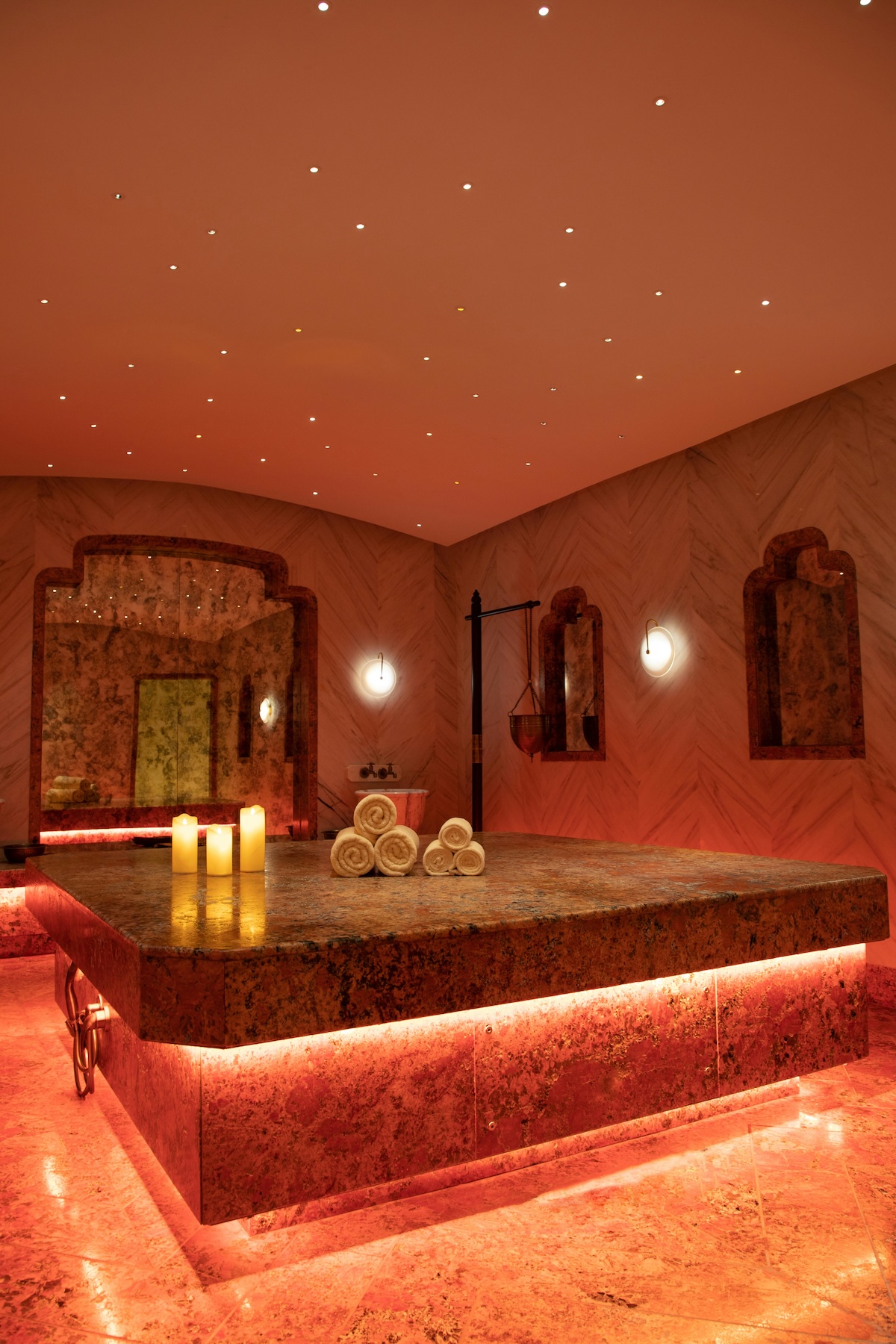
Luxury spa hammams (500-1500 MAD) offer private rooms, premium products, massage add-ons, and full English service. Places like La Mamounia or Les Bains de Marrakech provide beautiful experiences, but they're essentially spa treatments with Moroccan aesthetics—not cultural immersion.
What to Bring
Traditional hammams provide nothing. You bring everything. Here's your kit:
- Savon beldi (black soap) — sold in souks, pharmacies, and hammam entrances
- Kessa mitt — the rough exfoliating glove, also widely available
- Ghassoul clay — optional, for hair and face
- Plastic bucket — for scooping water
- Flip-flops — floors are wet and hot
- Change of underwear — you'll want dry ones after
- Small towel or cloth — for modesty if desired
- Large towel — for drying off
- Plastic bag — for wet items after
Most items can be purchased at the hammam entrance or in nearby souks. The whole kit costs under 100 MAD. Mid-range and luxury hammams provide everything—check when booking.
The Process: What Actually Happens
You'll enter a changing room where you strip down to your underwear. Women keep underwear on throughout; some wear bikini bottoms they don't mind getting soapy. Men wear shorts or underwear. Leave your valuables in a locker or with the attendant at the entrance.
The main hammam consists of several connected rooms at different temperatures. You move from warm to hot to hottest, then back. The hottest room (often in the back, near the water heater) is where the real work happens.
Start by sitting or lying on the marble, letting the steam work. After 10-15 minutes, apply the black soap all over your body and let it sit for another 5-10 minutes. This softens the dead skin for removal.
Then comes the scrub. If you're doing it yourself, use the kessa mitt in long, firm strokes. If you've arranged an attendant (tayaba), she'll take over—and she won't be gentle. The dead skin rolls off visibly, which is somehow both disgusting and deeply satisfying.
After the scrub, you rinse thoroughly using your bucket. Some people apply ghassoul clay as a mask, then rinse again. The whole process takes 45 minutes to an hour. You finish in the cooler room, letting your body temperature normalize before getting dressed.
Etiquette and Unwritten Rules
The hammam has its own social code. Learning it shows respect and makes the experience smoother.
Greet others when entering—a simple 'salaam' works. Don't stare; everyone is in minimal clothing here. Keep your voice low; this isn't the place for loud conversations. If someone asks to share your bucket or soap, it's normal to say yes. Help others with their backs if asked—it's part of the communal nature.
When receiving a scrub from a tayaba, communicate if something is too rough—but know that firm is normal. Tip her afterward (20-50 MAD is standard for local hammams). In neighborhood hammams, older women often take precedence for the best spots near the water source.
Don't bring your phone. Don't rush. Don't try to maintain Western personal space—the hammam is communal by nature. Embrace the experience; everyone else has.
For Women vs. Men
Women's hammams tend to be more social—conversation, laughter, mothers scrubbing daughters, friends catching up. The atmosphere is relaxed and communal. Women stay longer, often 2-3 hours.
Men's sessions are typically quicker and quieter—more functional, less social. Men move through the process efficiently, usually finishing in under an hour. The scrub is often more vigorous.
Both experiences are valuable. Women often find the hammam deeply bonding—there's something powerful about sharing the space with strangers and receiving care. Men often describe it as one of the more grounding cultural experiences in Morocco, a reset from the intensity of the medinas.
After the Hammam
You'll emerge feeling genuinely different. Skin impossibly soft. Body temperature still elevated. A particular kind of clean that showers don't achieve.
This is the time for mint tea. Most hammams have adjacent cafés or courtyards where locals sit afterward, slowly cooling down. Don't rush off—the post-hammam rest is part of the ritual.
Your skin will continue to feel different for days. Some people experience mild breakouts as pores clear—totally normal. The effects are cumulative; regular hammam-goers swear the benefits compound over time.
Practical Details
Women's hours in traditional hammams typically run mornings (8am-1pm) and evenings (6pm-close). Men usually get afternoons and late nights. Hours vary by neighborhood—ask your riad or hotel.
Avoid hammams on Friday mornings when they're busiest (it's the traditional pre-prayer bathing time). Weekday mornings tend to be quietest. Ramadan hours shift significantly—ask locally.
In Marrakech, try Hammam Dar el-Bacha for an upscale traditional experience, or venture into the Mellah for truly local hammams. In Fes, the hammams in the medina are particularly authentic. Chefchaouen and Essaouira have smaller, more intimate options.
Why It Matters
The hammam isn't a tourist attraction. It's infrastructure—as essential to Moroccan life as running water or electricity. When you visit a neighborhood hammam, you're participating in something people have done weekly for generations.
There's the practical aspect: genuinely cleaner skin than any shower provides. But there's also something harder to articulate—about being physically cared for by strangers, about sitting in steam with people you'll never see again, about rituals that predate modern individualism.
You'll leave the hammam having experienced Morocco differently than any medina tour or desert excursion provides. The shared space creates connection. The heat strips pretense. And somehow, scrubbing off dead skin alongside strangers teaches you something about slowing down.
Bring your own soap. Leave your expectations at the door.


Comments
How did this story make you feel?
No comments yet. Be the first to share your thoughts!