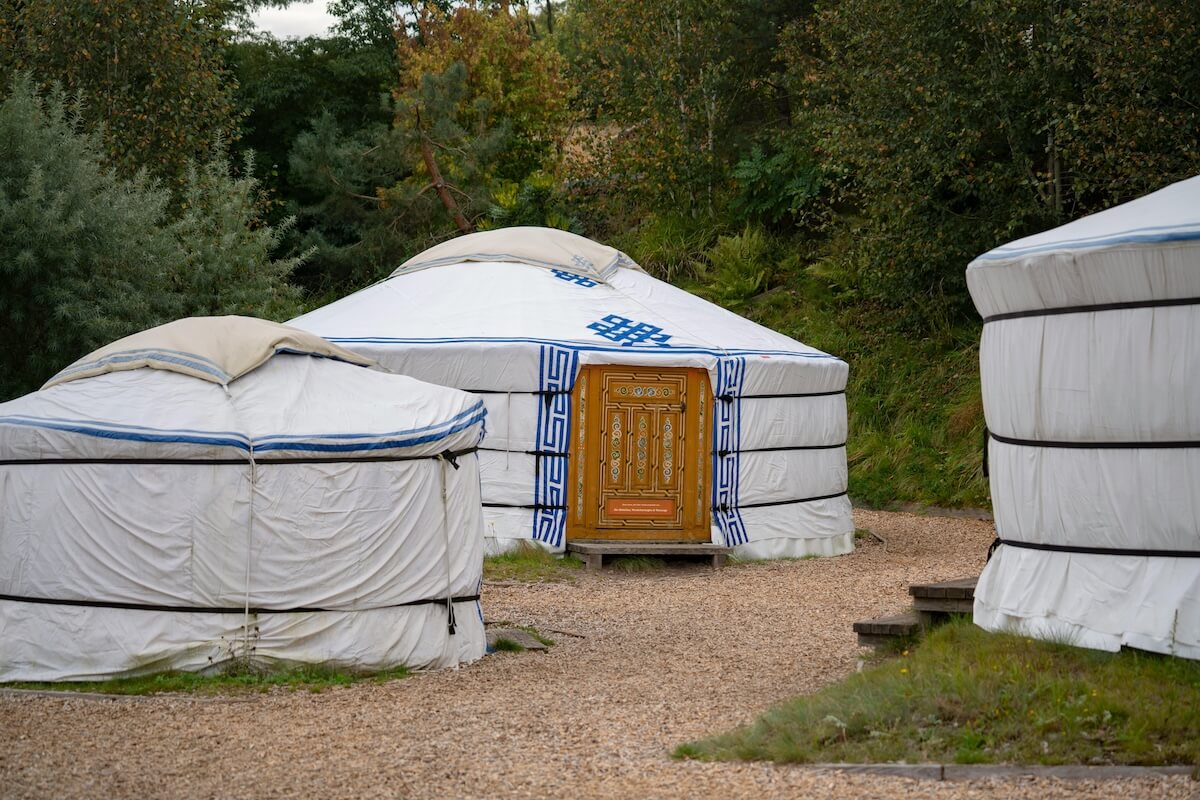
Living with Mongolian Nomads: What Two Days in a Ger Actually Teaches You
Staying with a nomadic family in Mongolia isn't tourism—it's an invitation into a way of life that's survived centuries. Here's what actually happens when you trade your hotel for a felt tent on the steppe.
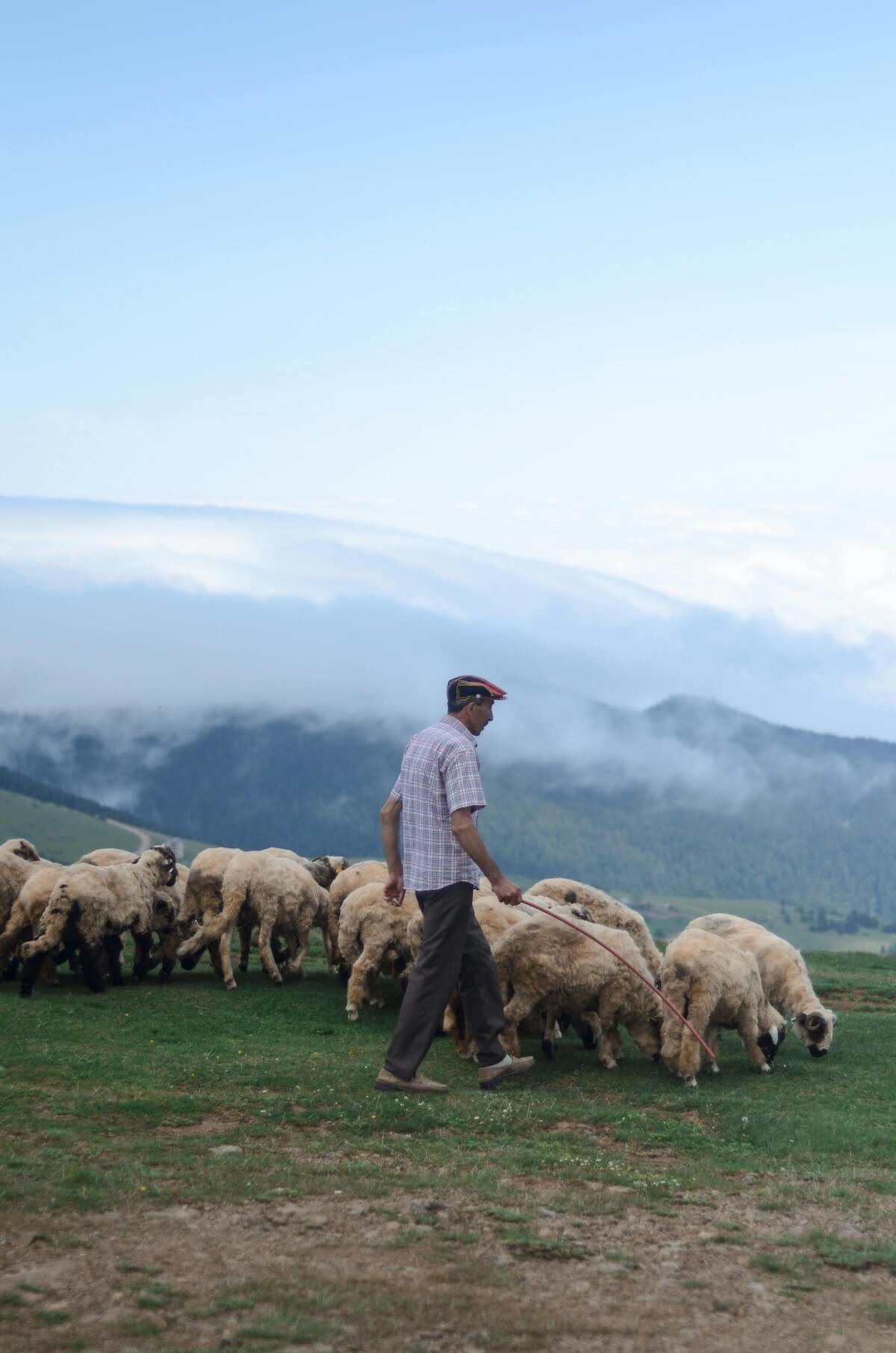
The first morning, you wake to the sound of sheep being herded past your ger. Not the romantic bleating you imagined, but hundreds of animals moving as one organism, their collective weight shaking the ground. Your host family has been awake since dawn. By the time you emerge—disoriented, underdressed for the cold—they've already milked the goats, collected water, and started the stove with dried dung that burns surprisingly clean.
This is what staying with a Mongolian nomadic family actually looks like. Not the sanitized cultural experience advertised in brochures, but something stranger and more valuable: an honest glimpse into a lifestyle that most of the world abandoned centuries ago, still functioning on the same grasslands where Genghis Khan once slept.
What This Actually Is (And Isn't)
Mongolia is one of the few places left where pastoral nomadism isn't a museum piece—it's how roughly 30% of the population still lives. These families move their livestock between seasonal pastures, living in gers (the Mongolian word for what the rest of the world calls yurts), following patterns their ancestors established generations ago.
A homestay means exactly that: you stay with a real family who's agreed to host travelers for supplemental income. You're not watching nomadic life from a distance—you're sleeping in a spare ger on their land, sharing meals in their main dwelling, and if you're willing, helping with the work that fills every daylight hour.
This isn't glamping. There's no running water, no bathroom building (you'll become intimate with the concept of 'anywhere behind that hill'), and meals are meat-heavy in ways that will test vegetarians' resolve. But it's also not hardship tourism. These families are genuinely hospitable, and the experience—if you approach it with the right mindset—offers something you can't get from any hotel: the chance to understand how people actually live when their survival depends on reading weather, knowing their animals, and maintaining relationships across vast distances.
How to Arrange It: The Practical Reality
You have two main options, and your choice depends entirely on what you value more: authenticity or guaranteed quality.
The tour operator route is straightforward: companies in Ulaanbaatar arrange everything. They've vetted families, confirmed they have extra gers for guests, and usually include transportation. Expect to pay $15-25 USD per person per night, which includes accommodation and meals. Reputable companies like View Mongolia, Panoramic Journeys, and local operators recommended by your guesthouse handle the logistics you can't—translation, transportation across roadless steppe, and backup plans if something falls through.
This is, frankly, the better option for most travelers. The families are chosen because they're genuinely welcoming (not just tolerating tourists for cash) and understand what foreign visitors need explained. Your guide translates not just language but cultural context—why certain behaviors matter, what gestures mean, when to participate and when to step back.
The independent route is cheaper but unreliable. You can arrange homestays through Workaway (around $100 for 4 days with labor exchange), find families on your own near tourist areas like Terelj National Park, or negotiate directly with families you meet while traveling. The cost drops to $8-12 per person per night, sometimes less.
The problem? No guarantees. Families near major attractions often host so many visitors they're exhausted by the interaction. Language barriers become real obstacles. Transportation logistics can collapse—Mongolia is a country where roads are suggestions and GPS coordinates are more reliable than addresses. If you have limited time, spending it stranded or dealing with miscommunications defeats the purpose.
What Daily Life Actually Involves
The rhythm starts at dawn. Your hosts rise when the animals do—usually 5 or 6 AM—because work on the steppe is dictated by animal needs, not human preference. If you want to help (and you should at least offer), this is when milking happens. Cows, goats, mares—all need milking, and it's harder than it looks. Your hosts will laugh at your attempts. Let them.
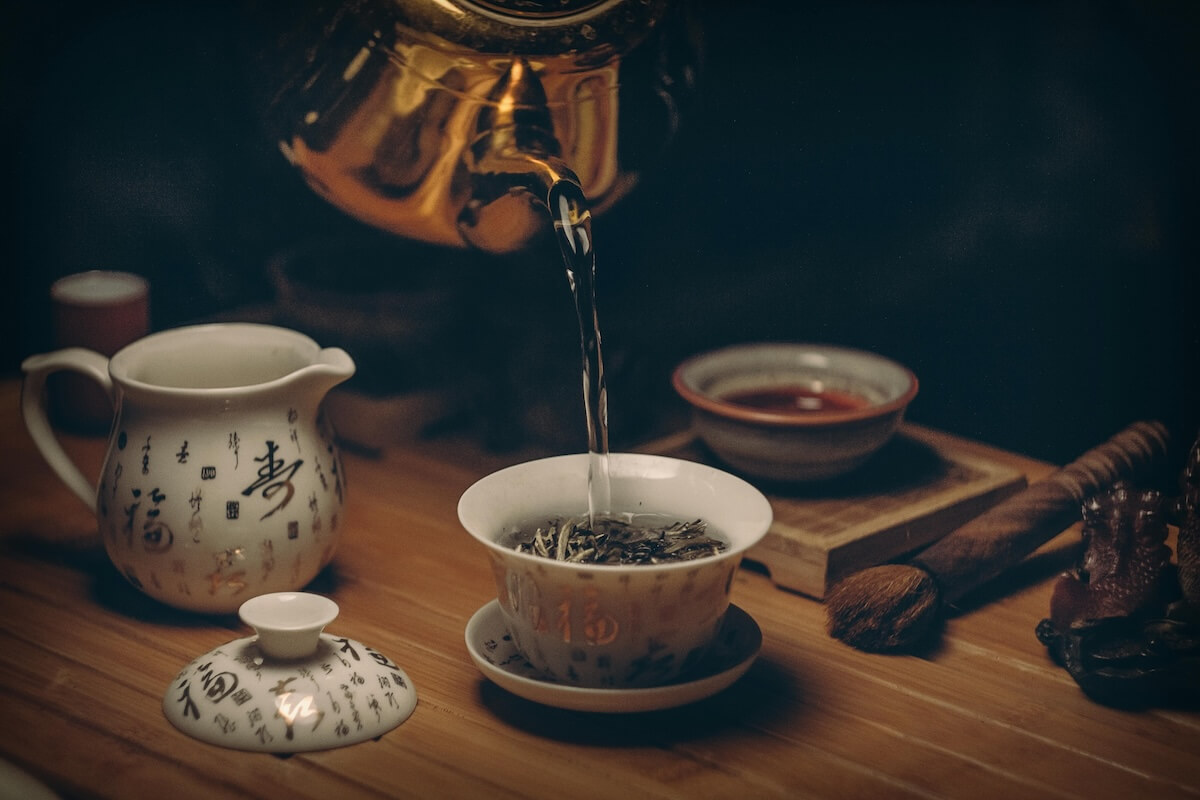
Mid-morning brings tea. Not optional—refusing tea in Mongolia is like refusing a handshake. Suutei tsai (milk tea) is salty, buttery, and takes getting used to. You'll be offered it multiple times a day. Take at least a sip each time. This is how Mongolians show hospitality, and accepting it—even if you don't love the taste—matters more than you'd think.
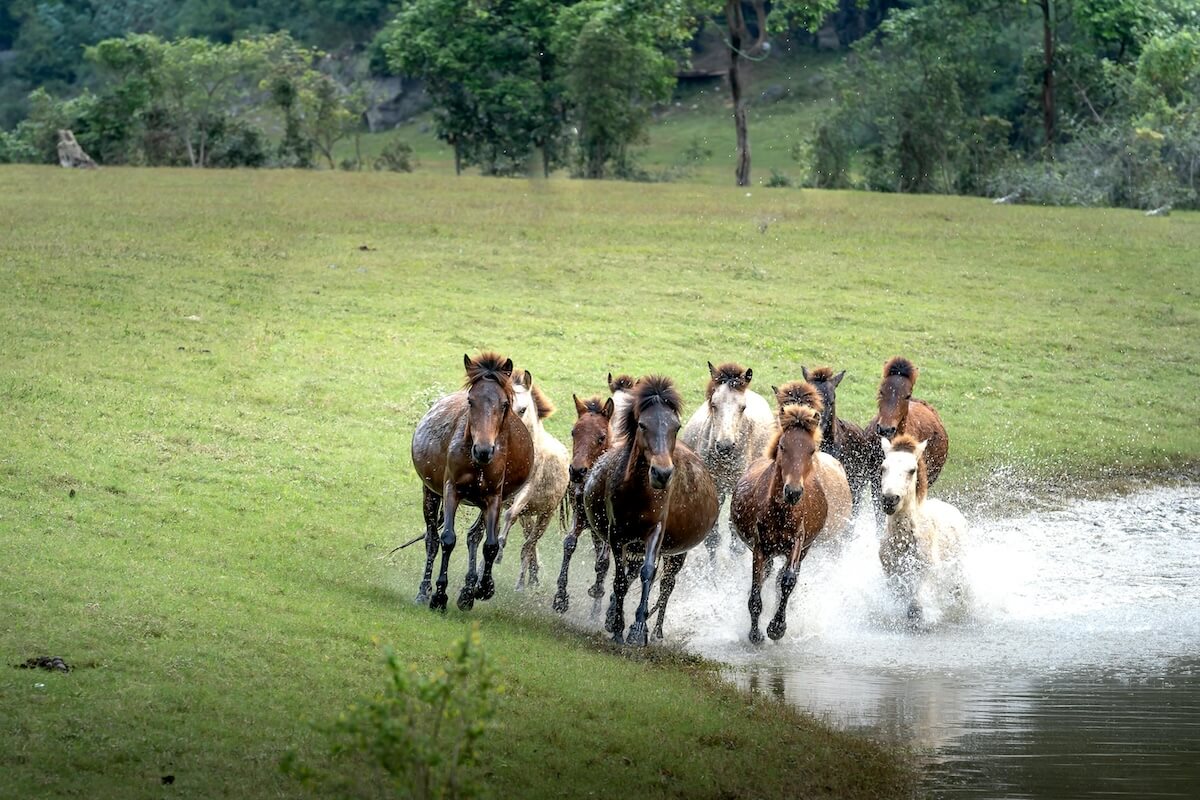
The bulk of the day involves herding. Depending on the season, this might mean moving animals to different pastures, checking on distant herds, or bringing them back for milking. You're welcome to join on horseback or foot. The work is simultaneously monotonous and demanding—animals move slowly but constantly require attention.
What surprises most visitors is how much of nomadic life is maintenance. Fixing things, making things, preparing for the next season. In early summer, there's shearing. In autumn, cashmere combing. Throughout, there's ger maintenance, tool repair, processing dairy products. The work is endless because survival requires self-sufficiency.
Evenings center on food. Dinner is usually the main meal—often meat-based soups, dumplings called buuz, or simply mutton with bread. The portions are generous. The meat is... abundant. Vegetables are rare. Dairy is everywhere—cheese, yogurt, dried curds that taste nothing like what you're used to.
The Cultural Exchange: What Actually Matters
Language barriers dissolve faster than you'd expect. Yes, most families speak little to no English, and you probably speak no Mongolian. But hospitality has its own vocabulary. You learn to communicate through gestures, shared work, and willingness to look foolish while trying to help.
Mongolian nomads are famously hospitable—not in the performative way of service industries, but genuinely. This tradition comes from practical necessity. In a landscape this vast and harsh, helping travelers isn't optional—it's how everyone survives. If you pass a ger, you're expected to stop for tea. If someone needs help, you provide it. This reciprocity has kept the culture intact.
Your hosts will want to know about you—where you're from, what you do, whether you're married, how many children you have. These aren't invasive questions in Mongolian culture; they're how relationships begin. They'll show you family photos, introduce you to neighbors who drop by, and probably invite you to try airag (fermented mare's milk) which tastes exactly as weird as it sounds but refusing is impolite.
Gifts matter here. Bring something practical from Ulaanbaatar—tea, sugar, flour, rice, or sanitary items like soap and toothpaste. Not tourist trinkets, but things they'll actually use. Many families also appreciate photos of themselves, printed if possible, since cameras are common but printers aren't.
The Practical Stuff Nobody Mentions
Bathrooms: There aren't any. You'll be directed to a spot 'over there' (usually behind a hill or far from the camp). Bring toilet paper and hand sanitizer. This is non-negotiable. Some families have pit toilets; most don't. You adapt or you suffer.
Showers: Also don't exist. You can wash hands and face with water from a portable washstand. For anything more, tour operators can arrange visits to nearby tourist camps with shower facilities for a small fee (usually $5-10). Plan accordingly. Two days without showering won't kill you, but knowing this ahead prevents disappointment.
Sleeping: Your guest ger will have beds or sleeping platforms. Bring a sleeping bag or use the provided bedding (which is washed between guests, but bring your own if you're particular). Nights get cold—even in summer, temperatures can drop to near freezing. Layer up.
Electricity: Most families have solar panels for basic lights and phone charging. Sometimes there's a TV. Don't expect reliable power. Bring battery packs and download any maps or content you need beforehand. Buy a local SIM card in Ulaanbaatar ($5-6 for 15GB) if you need connectivity—coverage is surprisingly good.
Food considerations: If you're vegetarian or have dietary restrictions, arrange this through your tour operator beforehand. Nomadic diets are meat-centric because that's what they have. Some families can accommodate restrictions, but don't expect variety. Dairy and meat are constants.
What to bring: Warm layers (nights are cold), sturdy walking shoes, sun protection (steppe sun is intense), basic toiletries, any medications you need, gifts for your hosts, and snacks if you're particular about food. Also bring patience, flexibility, and willingness to be uncomfortable. That's not being dramatic—it's being honest.
When to Go (It Matters More Than You Think)
May through September is the window. Outside this, you're dealing with either brutal cold (Mongolia has winter temperatures that regularly hit -40°F) or mud season that makes travel nearly impossible.
June through August is peak season—warmest weather, greenest landscape, most tourist infrastructure operating. This is when most homestays are available and families are most receptive to visitors. July brings Naadam Festival, Mongolia's biggest celebration, which is worth experiencing but also means everything is more crowded and expensive.
September offers a sweet spot: still warm enough for comfortable travel, fewer tourists, autumn colors on the steppe, and families preparing for winter (interesting work to observe). It's also harvest season for cashmere, if your visit coincides with that timing.
How long to stay: 1-2 nights is standard and sufficient for most travelers. You experience enough to understand the lifestyle without overstaying your welcome. If you genuinely want to work and learn, a week is meaningful. Anything longer requires advance arrangement (Workaway or similar programs) and real commitment to the work involved.
Why This Actually Matters
Here's the uncomfortable truth: nomadic life in Mongolia is shrinking. Harsh winters (dzud), climate change, and economic pressure are pushing families toward permanent settlement. Young people increasingly choose urban education over herding. Each generation, fewer people carry forward this knowledge.
Your visit—when done respectfully through proper channels—provides income that helps families maintain their lifestyle. It's not charity; it's economic support that makes the nomadic choice more viable. The money you pay helps fund children's education, buy supplies, and offset the cost of raising animals in an increasingly difficult climate.
But beyond economics, these homestays preserve something else: the understanding that other ways of living are possible. That self-sufficiency isn't just a concept but a practiced skill. That hospitality can be genuine rather than transactional. That connection to land and animals creates a different kind of knowledge than anything you'll find in cities.
Two days in a ger won't make you understand nomadic life completely—that would take years. But it will crack open assumptions about what 'normal' means, what 'necessary' looks like, and what 'comfortable' really requires. You'll leave knowing how little you need, how much work sustains simplicity, and how generosity functions when resources are limited.
You'll also leave with memories that don't fit into Instagram frames: the weight of a full milk bucket, the specific smell of burning dung mixed with morning tea, the moment when your host family's grandmother laughs at your clumsy attempt to catch a horse, the realization that you're sitting in a felt tent in the middle of nowhere eating food you can't identify, and feeling, inexplicably, completely at home.
That's what living with Mongolian nomads teaches you. Not how they live—that takes longer—but that they do. Still. Against considerable odds. And for now, if you're willing to embrace discomfort and participate in good faith, they'll let you glimpse what that actually means.


Comments
How did this story make you feel?
No comments yet. Be the first to share your thoughts!