Vietnam on $35 a Day: The Budget Traveler's Paradise That Actually Delivers
From steaming bowls of pho at 6am to limestone karsts at sunset, Vietnam remains Southeast Asia's best value destination. Here's how to stretch your money from Hanoi to Saigon.
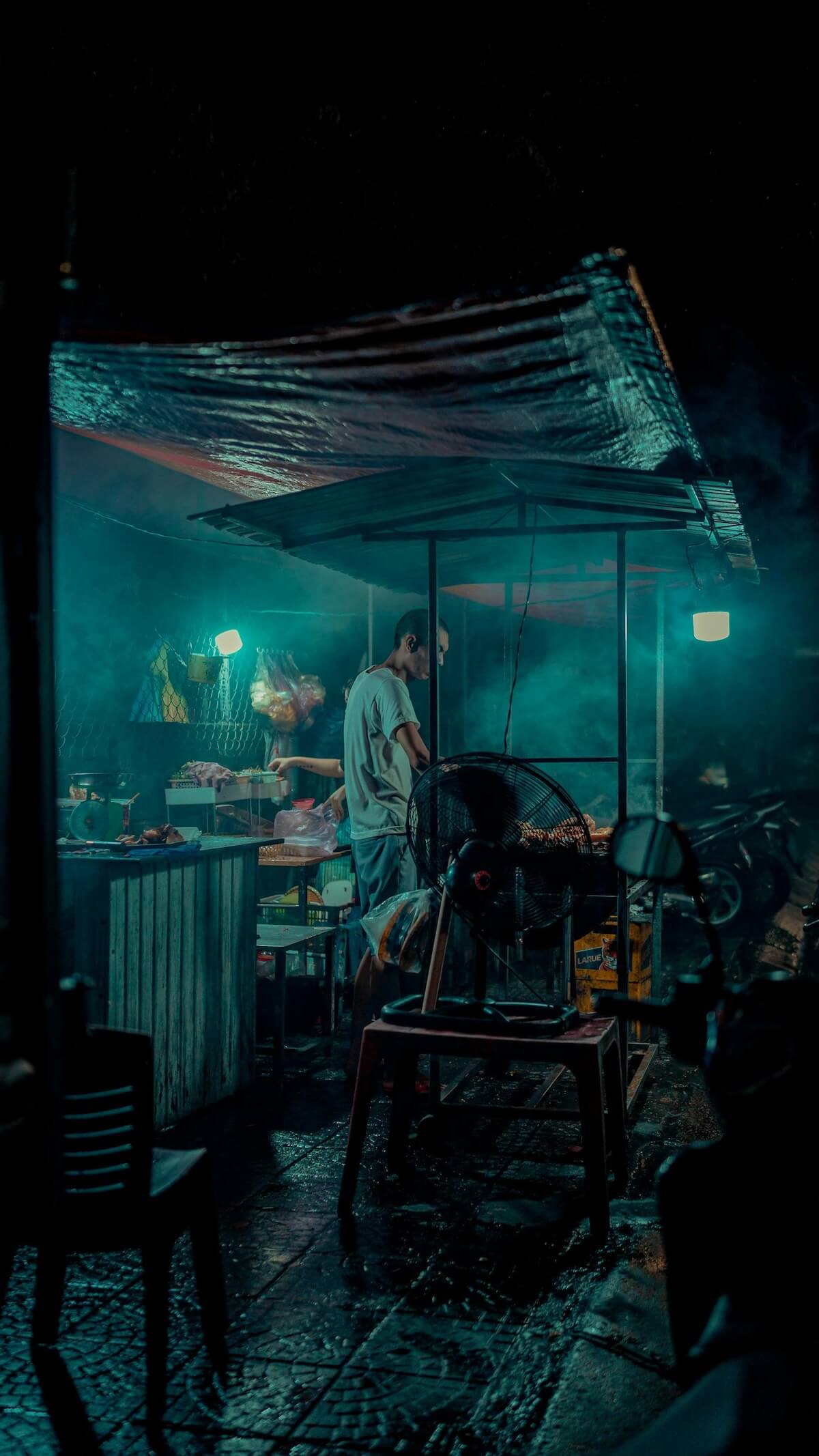
The bowl of pho cost 60,000 dong. That's about $2.50. It arrived at a plastic table on a Hanoi sidewalk at 7am, steam rising into the humid morning air, alongside a plate of fresh herbs, bean sprouts, and lime wedges. The broth had simmered for hours. The beef was silken. An elderly woman ladled it from a cart she'd probably been working for decades. This is Vietnam's promise to budget travelers: not just cheap, but genuinely excellent.
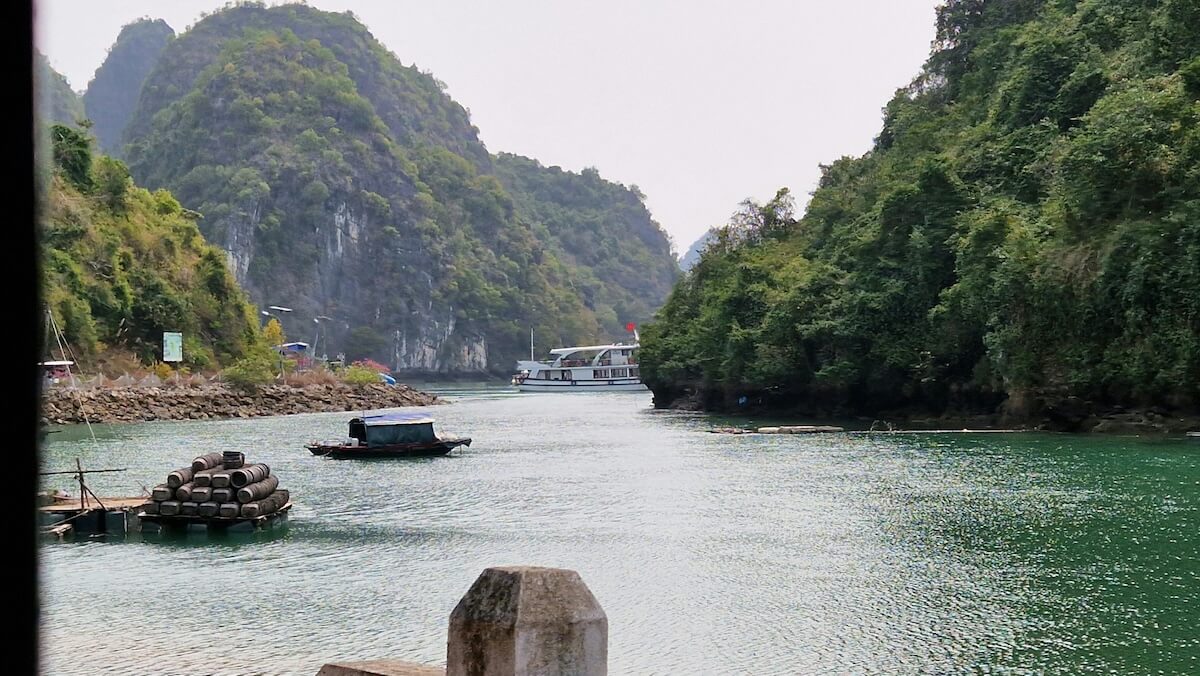
Vietnam stretches 1,650 kilometers from the Chinese border to the Mekong Delta, offering limestone karsts rising from emerald waters, ancient towns glowing with lanterns, rice terraces cascading down mountainsides, and cities pulsing with ten million motorbikes. It's been a backpacker favorite for decades, and despite increasing tourism, it remains one of the world's best destinations for travelers watching their spending. The food alone justifies the trip. The scenery makes it unforgettable.
The Real Numbers
Budget backpackers can genuinely travel Vietnam on $25-35 per day. That covers hostel dorms, street food, local transport, and basic activities. Mid-range travelers spending $50-80 daily get private rooms in boutique hotels, restaurant meals, and organized tours. Even at the comfortable end, Vietnam costs less than a budget trip through Western Europe.
- Hostel dorm bed: $5-10 per night
- Private room in guesthouse: $15-25 per night
- Boutique hotel: $30-50 per night
- Street food meal: $1-3
- Restaurant meal: $5-10
- Vietnamese coffee (cà phê sữa đá): $0.50-1.50
- City bus: $0.30
- Grab motorbike across Hanoi: $1-3
- Overnight sleeper bus (Hanoi to Hue): $15-25
- Domestic flight (Hanoi to Ho Chi Minh): $30-80
Vietnam runs almost entirely on cash. Credit cards work at upscale hotels and some tourist restaurants, but assume you'll need dong for everything else. ATMs are everywhere but charge $5-8 per withdrawal regardless of your bank. Bring US dollars or euros to exchange at gold shops or currency offices for better rates. The dong's zeros take getting used to—a million dong sounds impressive until you realize it's about $40.
Hanoi: Where It Begins
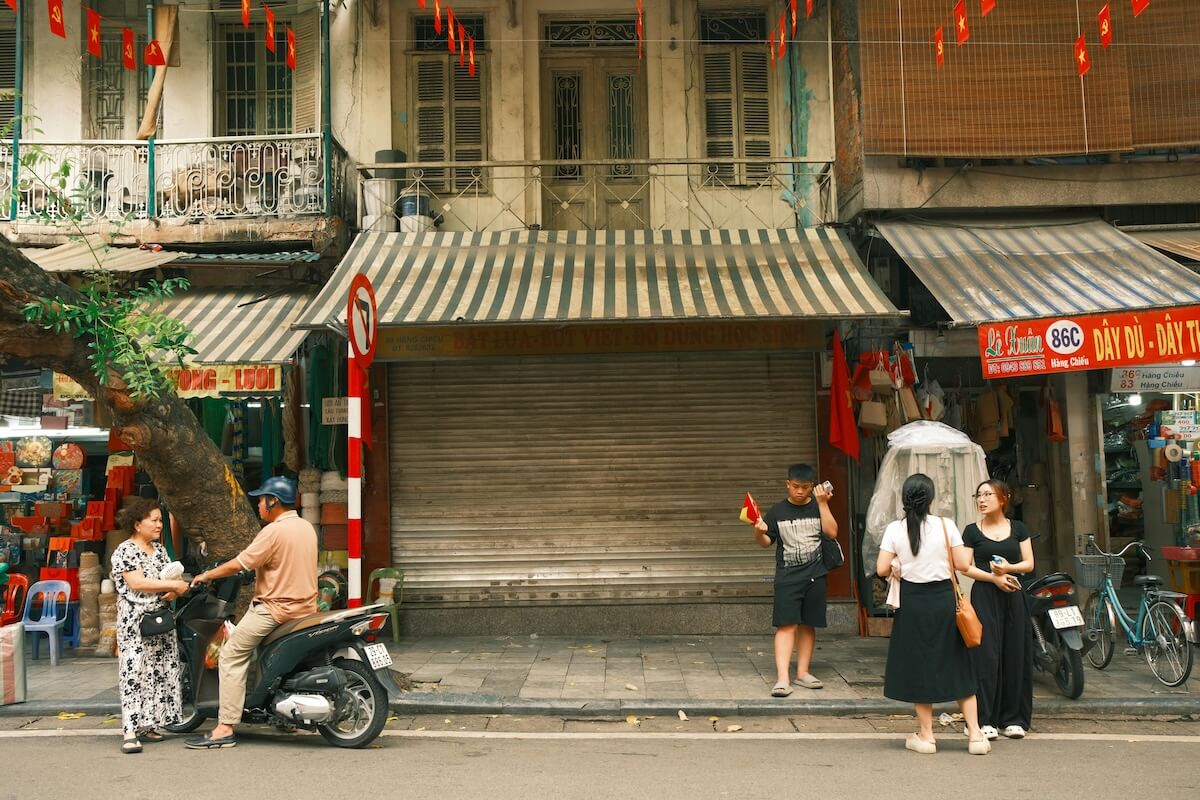
Vietnam's capital is sensory overload in the best way. The Old Quarter's 36 streets—each historically dedicated to a single trade—tangle into a maze of narrow lanes where motorbikes weave between vendors, temples hide behind shopfronts, and the smell of grilling meat mingles with incense. It's chaotic, loud, and utterly captivating. Most travelers need a day or two just to find their bearings.
The free attractions are some of the best. Hoan Kiem Lake anchors the city center, its morning tai chi practitioners and evening strollers creating a peaceful counterpoint to surrounding traffic. The Old Quarter itself costs nothing to explore—lose yourself in its alleys, duck into ancient temples, and watch commerce unfold as it has for centuries. The Ho Chi Minh Mausoleum and surrounding complex are free (though lines can be long). Budget museums like the War Remnants equivalent, Hoa Lo Prison, charge around $2.
Hanoi's food scene rewards the adventurous. Pho—the iconic beef noodle soup—tastes best at simple street stalls where locals crowd plastic stools at 6am. Bun cha (grilled pork with noodles and herbs) became internationally famous and remains a lunchtime staple. Banh mi sandwiches cost under $2 and rival anything you'd pay ten times more for elsewhere. Egg coffee, a Hanoi specialty, transforms a simple drink into dessert. Eat where locals eat, sit on the tiny plastic chairs, and your food budget will stretch remarkably far.
Ha Long Bay: Worth the Hype
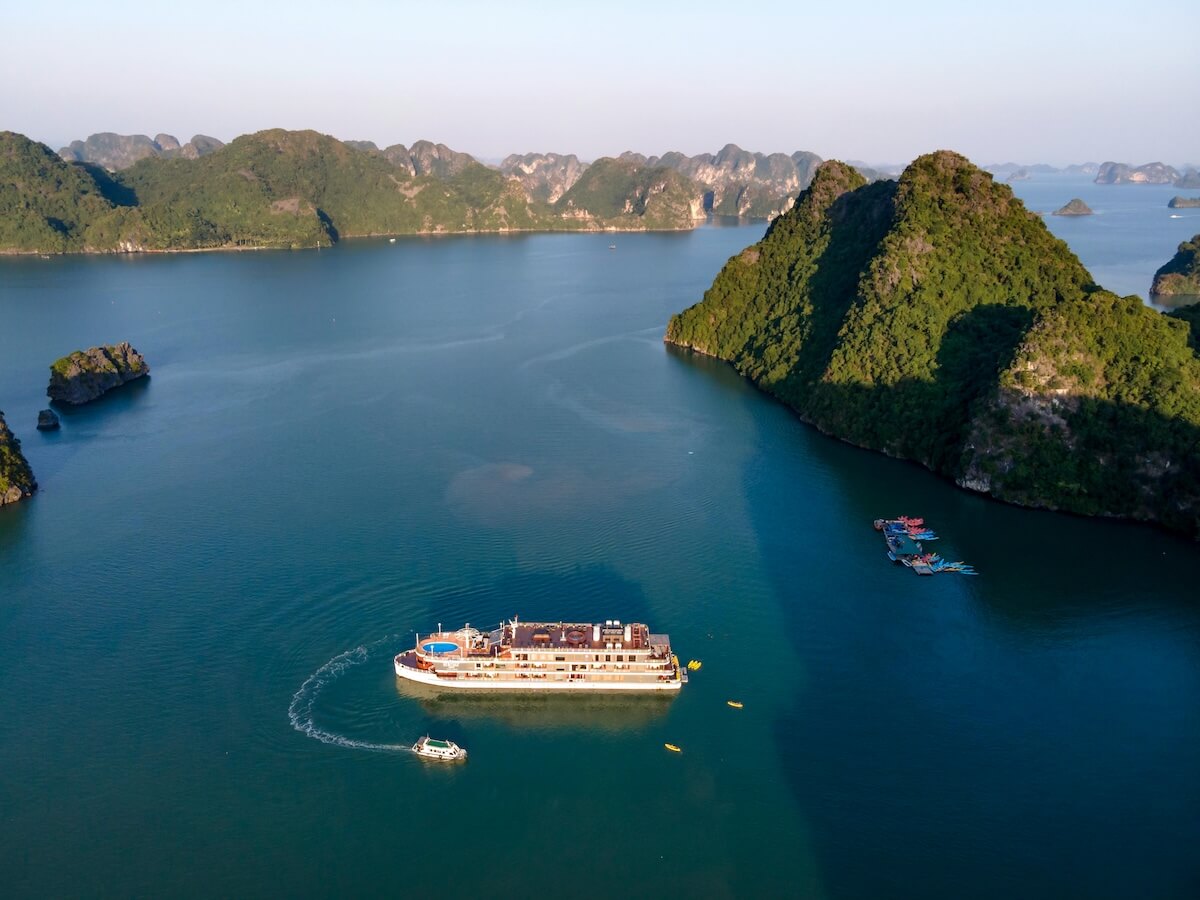
Nearly 2,000 limestone karsts rising from emerald waters create one of Earth's most dramatic seascapes. Ha Long Bay is Vietnam's most famous destination for good reason—it's genuinely spectacular, the kind of landscape that makes you understand why UNESCO exists. The question isn't whether to visit, but how to do it without blowing your budget or joining a cattle-car tour.
Day trips from Hanoi (4 hours each way) feel rushed and spend more time on buses than boats. Budget overnight cruises ($35-65) cram too many people onto tired vessels. The sweet spot is a mid-range overnight cruise ($80-150) with kayaking, cave visits, and sunset drinks on deck—still remarkably affordable compared to similar experiences elsewhere. Alternatively, base yourself on Cat Ba Island and take day boats into the less-crowded Lan Ha Bay, which offers similar scenery with fewer tour groups.
Ninh Binh: Ha Long on Land
Two hours south of Hanoi, Ninh Binh offers limestone karsts without the boats—or the crowds. Rice paddies flood between towering rock formations, sampans glide through caves carved by rivers, and ancient temples perch on cliffsides. It's often called 'Ha Long Bay on land,' and the comparison holds. Budget travelers find better value here than on the bay itself.
The boat ride through Tam Coc's three caves, with rowers using their feet to paddle, costs around $7 and ranks among Vietnam's most memorable experiences. Trang An, a UNESCO site with longer boat routes through more caves, charges similar prices. Climb the 500 steps to Mua Cave viewpoint for a panorama that justifies every bead of sweat. Rent a bicycle ($2-3/day) or motorbike ($5-7/day) to explore independently—the countryside rewards those who wander.
Sapa: Mountains and Minorities
The terraced rice fields of Sapa cascade down mountainsides in geometric perfection, changing color with the seasons—flooded mirrors in spring, vibrant green in summer, golden at harvest. Beyond the scenery, Sapa offers encounters with Vietnam's ethnic minorities—Hmong, Red Dao, Tay—whose traditional dress, villages, and markets provide cultural depth beyond typical tourist experiences.
Getting there from Hanoi involves either a 5-6 hour bus ride or overnight sleeper train followed by a short transfer. The overnight option saves accommodation costs and arrives you fresh for morning hiking. Budget homestays in minority villages ($15-25 including dinner and breakfast) offer the most authentic experience. Trekking guides can be hired for $20-30 daily, or you can follow well-marked trails independently. The cable car to Fansipan, Indochina's highest peak, costs around $35 round-trip for those who prefer views without the climb.
Central Vietnam: History and Charm
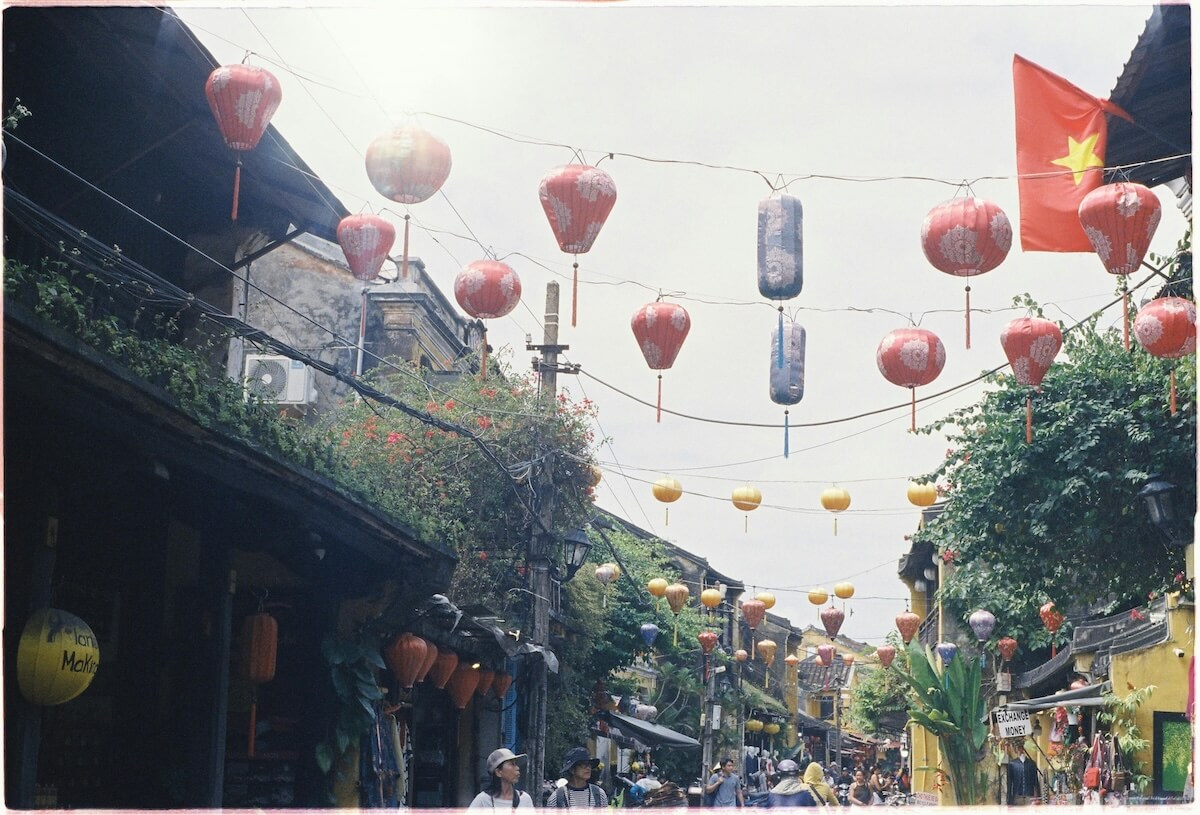
The ancient town of Hoi An glows with silk lanterns at dusk, their colors reflected in the Thu Bon River. This UNESCO World Heritage site perfectly preserved its trading-port past—Japanese bridges, Chinese temples, French colonial buildings, and Vietnamese tube houses line pedestrian streets. It's tourist-heavy but genuinely beautiful, and the tailoring industry means custom-made clothes at remarkable prices (suits from $100, dresses from $30).
Hue, the former imperial capital, spreads along the Perfume River with its massive citadel, royal tombs, and pagodas. The Imperial City alone justifies a day's exploration. Between the two cities, Da Nang offers beaches, the famous Golden Bridge at Ba Na Hills, and the dramatic Hai Van Pass—one of Southeast Asia's great motorcycle routes.
The sleeper train from Hanoi to Hue or Da Nang (14-17 hours, $25-60 depending on berth class) ranks among the world's great rail journeys—coastal scenery, comfortable bunks, and the experience of waking to a completely different landscape. Book 4-berth cabins for the best balance of price and privacy.
Ho Chi Minh City: Southern Energy
Saigon (locals still use the old name) pulses with different energy than Hanoi—faster, more commercial, more obviously modern. Skyscrapers rise beside French colonial architecture, rooftop venues overlook the Saigon River, and the food scene spans street carts to fine dining. The War Remnants Museum ($2) offers sobering perspective on the American War, while the Cu Chi Tunnels (day trip, $10-30) let you crawl through the underground network that helped defeat a superpower.
Budget travelers find excellent value in Districts 1 and 3, where hostels cluster near backpacker zones but local life continues around them. The Ben Thanh Market area works for central location; Bui Vien Street offers nightlife (and noise). Street food here trends different than the north—banh mi reaches its apex, broken rice (com tam) anchors meals, and the coffee culture runs even stronger.
The Mekong Delta
South of Saigon, the Mekong River fragments into countless channels, creating a water world of floating markets, fruit orchards, and stilted villages. Day trips from Ho Chi Minh City ($20-40) visit the famous Cai Rang floating market, but staying overnight in Can Tho lets you experience the market at dawn when it's most active—and most photogenic.
The delta rewards slow travel. Rent a bicycle and lose yourself on narrow paths between rice paddies. Take local boats between villages. Eat fruits you've never seen before, picked that morning. It's Vietnam at its most rural and least tourist-developed—a counterpoint to the famous destinations that reminds you how most of the country actually lives.
Getting Around
Vietnam's length makes transportation a significant consideration. The classic backpacker route runs Hanoi to Ho Chi Minh City (or reverse), with stops along the way. You have options at every budget level.
Sleeper buses connect major cities cheaply ($15-40 depending on distance) and save on accommodation. Quality varies wildly—research companies before booking, and consider paying slightly more for reputable operators like Futa or The Sinh Tourist. The 'open bus ticket' concept (one price for multiple legs) sounds appealing but locks you into specific companies and schedules.
Trains offer more comfort and scenery, particularly the coastal route through central Vietnam. Four-berth sleeper cabins provide genuine rest. Book through the official Vietnam Railways website or 12go.asia. Domestic flights (VietJet, Bamboo Airways) cost $30-80 and cover in hours what takes days overland—worth considering for the Hanoi-Ho Chi Minh City stretch if time matters more than money.
Eating Your Way Through
Vietnamese food is the trip's secret weapon. It's not just cheap—it's extraordinary, built on fresh herbs, complex broths, and regional variations that change every few hundred kilometers. Eating well here costs less than eating badly in most countries.
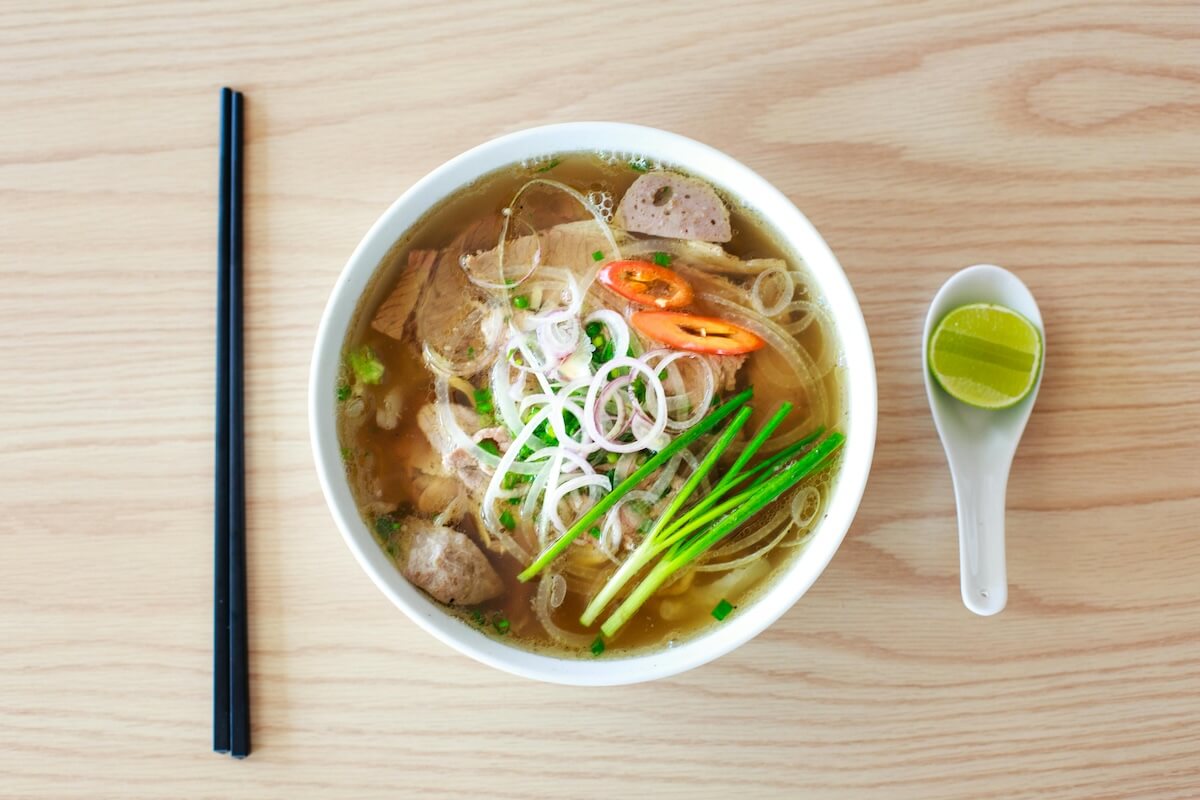
Street food isn't just budget-friendly—it's often the best food available. The pho stall that's been operating for three generations knows what they're doing better than most restaurants. Look for crowds of locals, rapid turnover (freshness), and specialization (one dish done perfectly rather than long menus). Breakfast might be banh cuon (steamed rice rolls) or xoi (sticky rice with toppings). Lunch brings bun (noodle bowls) or com (rice plates). Dinner could be anything, but probably involves sitting on a plastic stool watching the world go by.
Regional specialties worth seeking: Hanoi's bun cha and pho; Hue's bun bo Hue (spicy beef noodle soup) and banh khoai (crispy pancakes); Hoi An's cao lau (thick noodles) and white rose dumplings; Saigon's banh mi and com tam. Vietnamese coffee—strong, sweet, often served with condensed milk over ice—is a revelation.
When to Go
Vietnam's climate varies dramatically by region, and there's no perfect time for the whole country. The north (Hanoi, Ha Long Bay, Sapa) is best from October to April, with cool, dry weather—though winter in Sapa can be genuinely cold. Central Vietnam (Hue, Hoi An, Da Nang) peaks from February to August, avoiding the October-November rainy season. The south (Ho Chi Minh City, Mekong Delta) works year-round, with dry season from November to April.
Avoid Tet (Vietnamese New Year, late January or early February). The country effectively shuts down, transport fills weeks in advance, and prices spike. Conversely, the weeks after Tet can be excellent—domestic tourists return to work while international visitors remain scarce.
Practical Matters
Most nationalities need a visa. The e-visa system ($25, processed online in 3-5 days) covers 90-day single-entry stays and works smoothly. Apply at least a week before travel. Some nationalities qualify for visa exemptions of 15-45 days—check current regulations before booking.
English is widely spoken in tourist areas, limited elsewhere. Learning basic Vietnamese phrases earns goodwill—'xin chao' (hello), 'cam on' (thank you), and 'bao nhieu' (how much?) go far. Google Translate's camera function helps with menus and signs.
Crossing streets in Vietnamese cities looks impossible but follows unwritten rules: walk slowly and steadily, don't stop or run, and traffic flows around you. Trust the process. It works, somehow.
The Bottom Line
Vietnam delivers what it promises. The food is as good as its reputation suggests. The scenery genuinely stuns. The history resonates. And the prices let you experience it all without constant calculator anxiety. A month here costs less than a week in many European capitals—and you'll eat better, see more, and collect stories that last longer.
The country has changed dramatically in recent decades and continues evolving rapidly. Tourism infrastructure improves yearly. Prices creep upward, though they remain remarkably low by global standards. Go now, go slowly, eat everything, and let Vietnam reveal itself at its own pace. The plastic stool waiting at some street-corner pho stall might just be the best seat in your travel life.


Comments
How did this story make you feel?
No comments yet. Be the first to share your thoughts!