Portugal: Western Europe's Budget Gateway (And Why It's Worth Every Euro)
World-class cities, dramatic coastlines, and custard tarts for €1.50—Portugal delivers European charm at prices that won't require a second mortgage. Here's how to make your euros stretch from Lisbon to the Algarve.
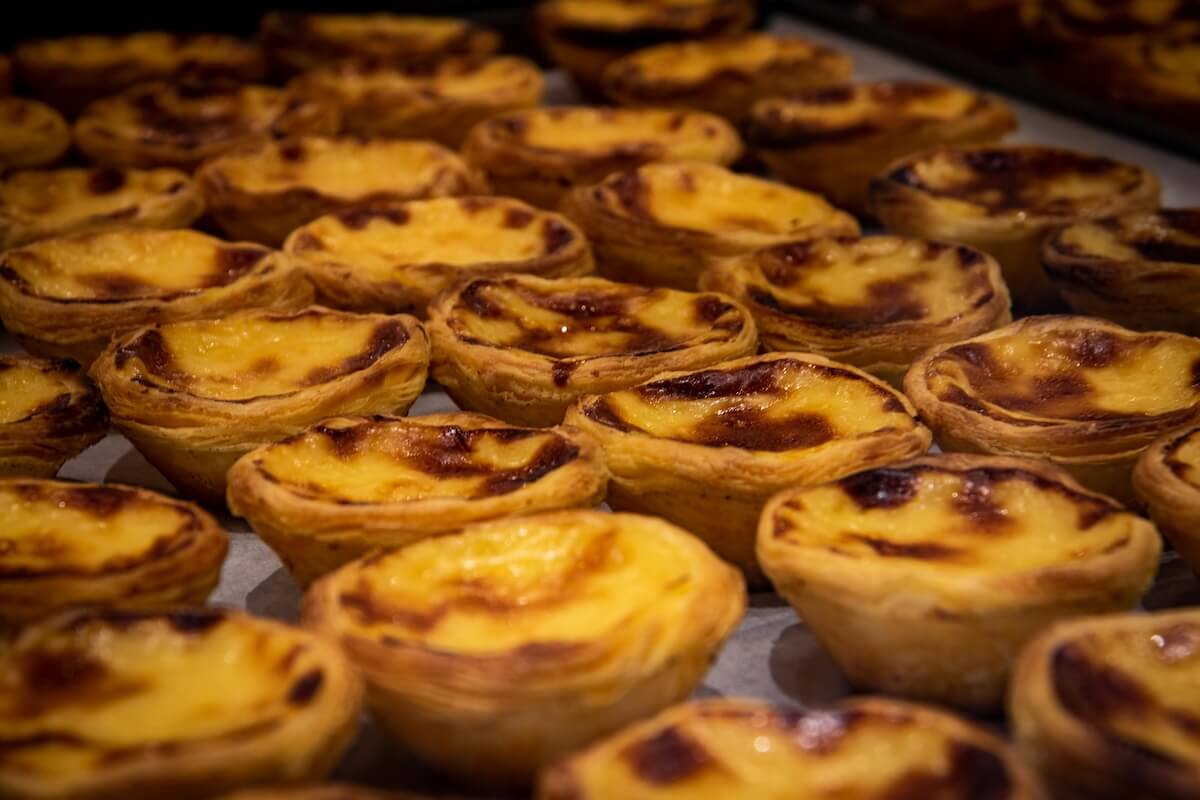
The pastel de nata cost €1.20. Warm from the oven, its flaky pastry shattered at first bite, giving way to silky egg custard caramelized on top. I ate it standing at a marble counter in a Lisbon bakery that's been making these since my grandparents were children, alongside construction workers grabbing breakfast and tourists who'd read about the place online. A €0.80 espresso completed the scene. Total cost for what might be the world's best breakfast: €2.
Portugal occupies an unusual position in European travel: genuinely affordable without feeling like a compromise. You get historic cities built from pastel-colored tiles, Atlantic coastline that ranges from surf beaches to dramatic cliffs, food that punches far above its weight class, and prices that make neighboring Spain look expensive. Paris costs twice as much. London, three times. Yet Portugal delivers architecture, culture, and gastronomy that rival anything on the continent.
The Real Numbers
Budget backpackers can genuinely explore Portugal on €45-65 per day. That covers hostel dorms, local food, public transport, and selective attractions. Mid-range travelers spending €100-150 daily get boutique hotels, restaurant meals, and most experiences without constant calculation. Even at comfortable levels, Portugal costs significantly less than France, Italy, or the UK.
- Hostel dorm bed: €15-25 per night
- Private room in guesthouse: €40-70 per night
- Boutique hotel: €80-150 per night
- Pastel de nata: €1-1.50
- Espresso: €0.80-1.20
- Restaurant lunch (prato do dia): €8-12
- Dinner at local tasca: €12-20
- Lisbon metro single ticket: €1.80
- Train Lisbon to Porto: €25-45
- Museum entry: €5-15
Portugal uses the euro, and card payments work almost everywhere. ATM fees vary by bank—Portuguese banks often charge €1-3 per withdrawal for foreign cards. The viva viagem card in Lisbon and andante card in Porto simplify public transport and reduce per-trip costs significantly.
Lisbon: The Obvious Starting Point
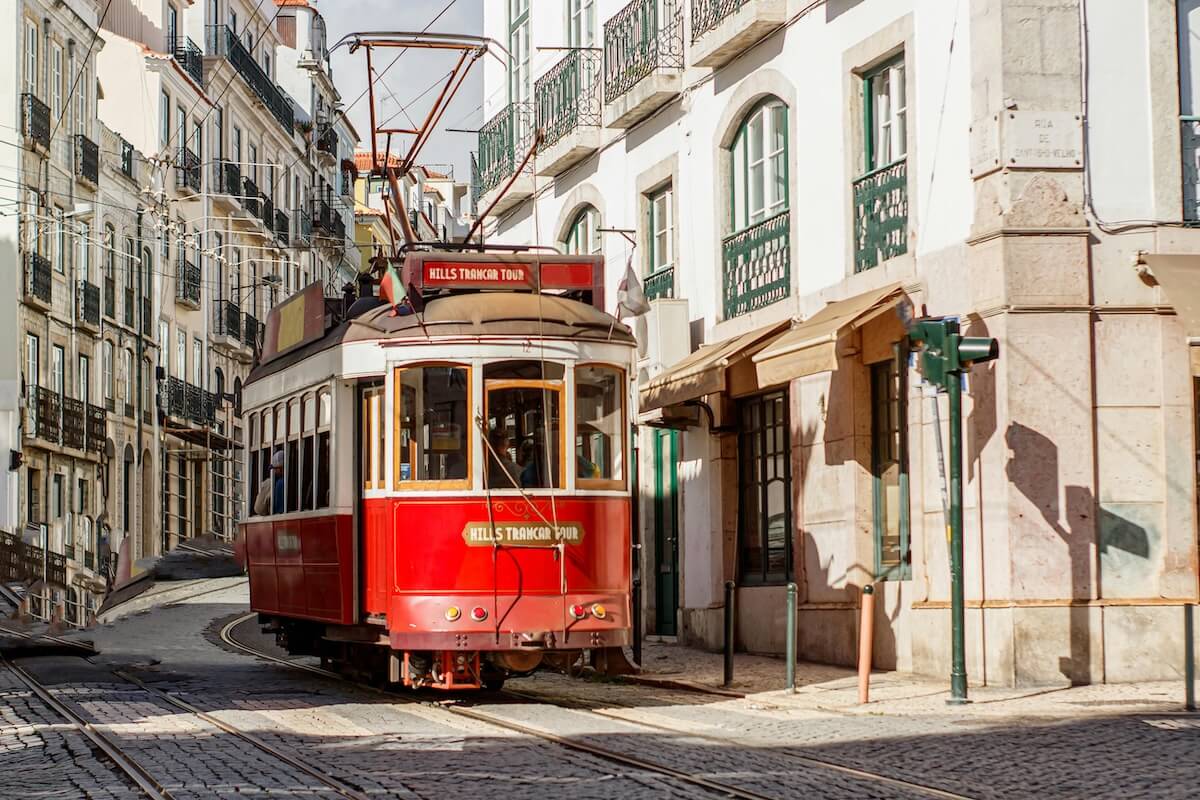
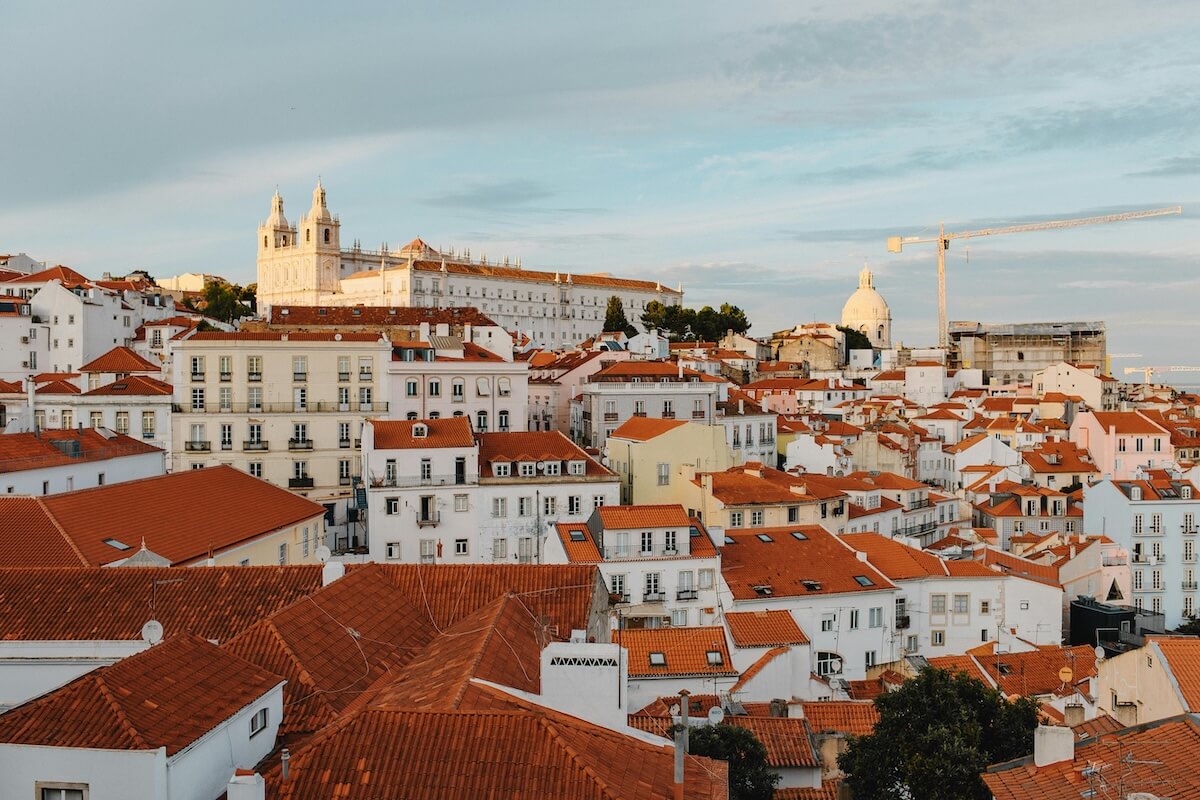
Portugal's capital climbs seven hills above the Tagus River, a city of terracotta rooftops, blue-and-white tiles, and rattling yellow trams that seem designed for Instagram but have actually been running since the 1930s. Lisbon rewards walking, despite the hills—each neighborhood reveals a different character, from the medieval tangle of Alfama to the elegant grid of Baixa to the bohemian bars of Bairro Alto.
The city's best experiences cost nothing. Wandering through Alfama's narrow alleys reveals hidden squares and unexpected viewpoints. The miradouros (viewpoints) scattered across the city offer panoramas for free—Miradouro da Senhora do Monte at sunset is worth planning around. Walking from Baixa through Chiado to Bairro Alto covers centuries of architecture and countless tile-covered facades. Free walking tours provide excellent introductions; tip what you think it was worth.
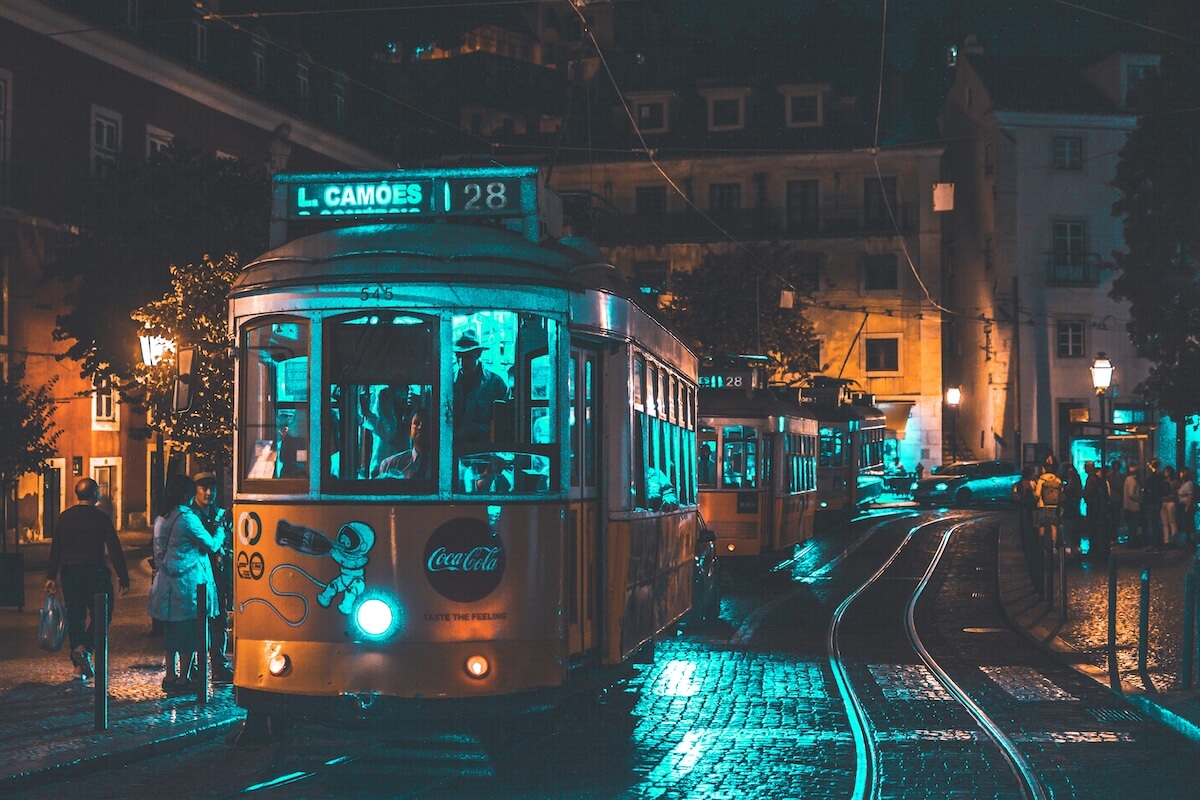
The iconic Tram 28 costs €3.10 and provides a rattling tour through the city's historic neighborhoods—though it's often packed with tourists who've read the same guidebooks. Consider riding it early morning or taking regular trams for similar views with fewer crowds. The Santa Justa elevator and funiculars offer alternatives for climbing Lisbon's steeper hills.
Belém, a short tram ride west of central Lisbon, clusters several major attractions: the ornate Jerónimos Monastery (€18), the Belém Tower (€15), and the MAAT contemporary art museum. More importantly for budget travelers, it's also home to Pastéis de Belém, the original pastel de nata bakery. The line looks intimidating but moves quickly, and the tarts here—served warm, dusted with cinnamon—justify the minor wait.
Porto: The Underrated Gem
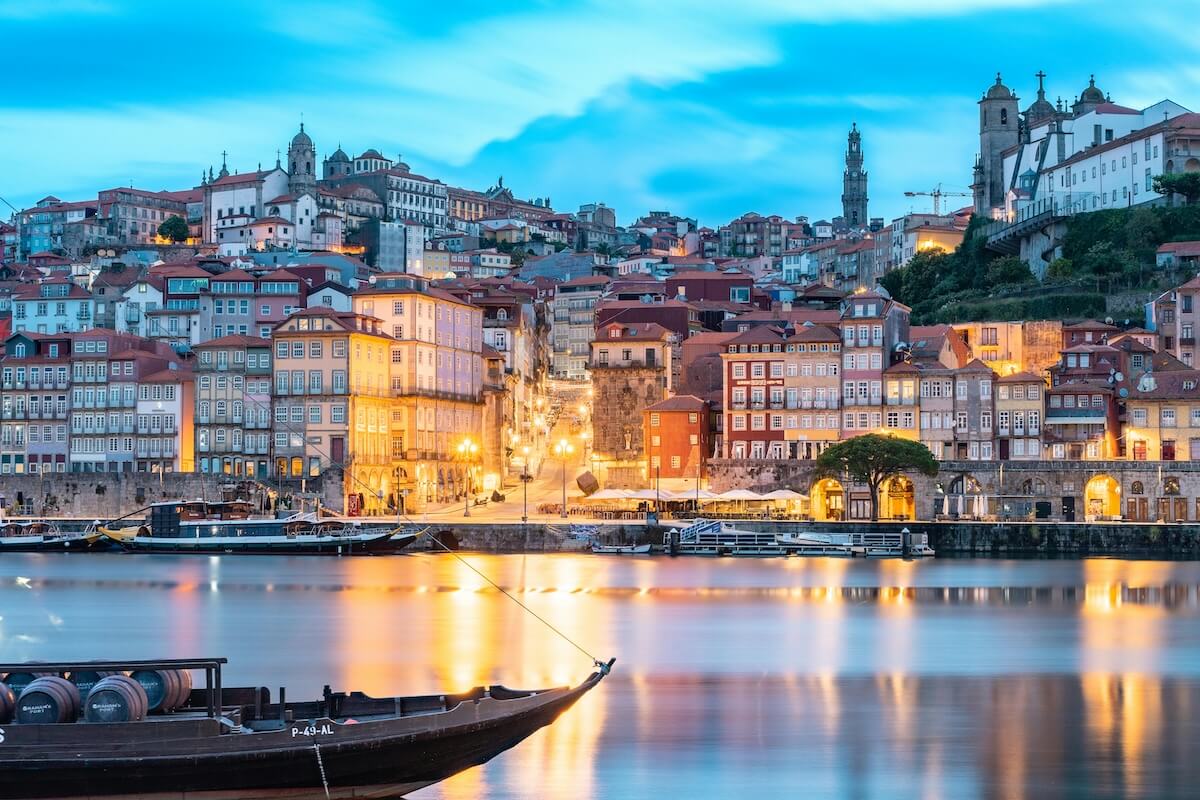
Portugal's second city stacks colorful houses down hillsides to the Douro River, its historic center so picturesque that UNESCO protected the whole thing. Porto feels grittier than Lisbon, more working-class, prouder of its rough edges. It's also generally cheaper—accommodation costs 15-20% less, and the food scene rivals or exceeds the capital.
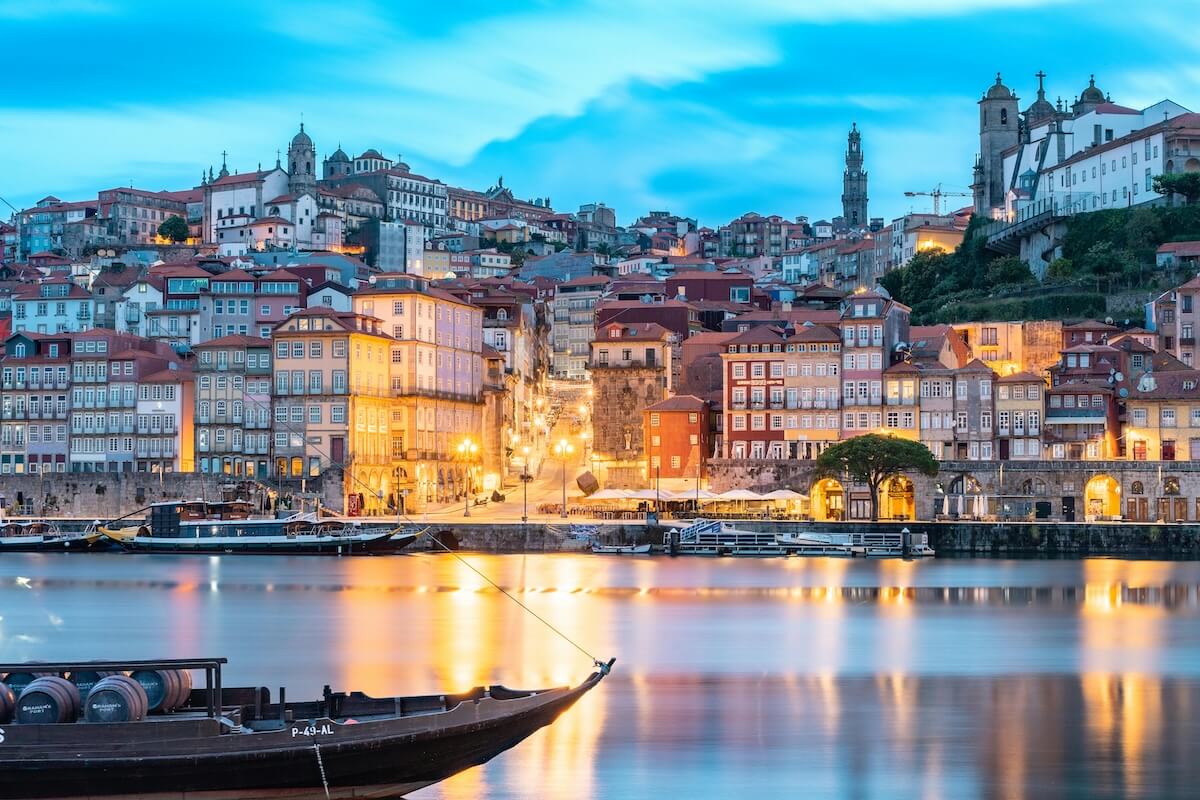
The Ribeira waterfront, where medieval buildings in every shade of yellow, orange, and blue tumble down to the river, is Porto's postcard image. Cross the Dom Luís I bridge (walking the upper level is free and offers the best views) to Vila Nova de Gaia for the famous port cellars. Many offer free tours with tastings; others charge €15-25 for more comprehensive experiences.
Livraria Lello, often called one of the world's most beautiful bookstores, charges €8 entry (redeemable if you buy a book). The crowds can overwhelm, so arrive early. São Bento station costs nothing to admire—its azulejo tiles depicting Portuguese history make it worth visiting even without train tickets. The Clérigos Tower (€8) provides panoramic views, though walking uphill to the Jardins do Palácio de Cristal offers free alternatives.
Porto's food scene centers on hearty dishes. The francesinha—a sandwich layered with multiple meats, covered in cheese and drowned in beer-based sauce—is the city's signature indulgence (€10-15). Tripas à moda do Porto (tripe stew) earned the city's residents their nickname, tripeiros. More accessible options include bifanas (pork sandwiches, €3-4) and the city's excellent bread.
Beyond the Big Two
Sintra, 40 minutes by train from Lisbon (€4.60 round-trip), deserves at least a full day. This forested hilltop town holds the Pena Palace, a fantastical confection of towers and terraces painted in Easter egg colors, plus Moorish castle ruins, the mysterious Quinta da Regaleira, and the westernmost point of continental Europe at Cabo da Roca. Palace entry runs €15-20 each, so pick your priorities or budget a splurge day. The town itself is free to explore, with cobbled streets and excellent restaurants.
The Algarve, Portugal's southern coast, trades historic cities for beach life. Golden cliffs plunge into turquoise waters, sea caves invite kayak exploration, and fishing villages turned resort towns offer everything from budget hostels to luxury hotels. Lagos and Albufeira are most developed (and crowded in summer); Sagres and Tavira offer quieter alternatives. Off-season (November to April), prices drop 30-50% and crowds vanish, though some businesses close.
Coimbra, halfway between Lisbon and Porto, holds one of Europe's oldest universities (founded 1290) and a compact historic center that rewards a day's exploration. The university's baroque library, Biblioteca Joanina, is spectacular (€13). Évora, in the Alentejo region, offers Roman temples, medieval walls, and a chapel decorated with human bones—plus some of Portugal's best traditional food at lower prices than coastal areas.
Getting Around
Portugal's train network, operated by CP (Comboios de Portugal), connects major cities efficiently. The Lisbon-Porto route runs frequently (3 hours, €25-45 depending on train type and booking time). Book alfa pendular trains in advance for best prices. Regional trains to smaller destinations cost less and often offer scenic routes along the coast or through wine country.
Buses often reach places trains don't, particularly in the Algarve. Rede Expressos operates intercity routes; regional companies fill gaps. Prices are generally reasonable—Lisbon to Lagos runs about €20-25. FlixBus also operates some routes with particularly budget-friendly prices if booked ahead.
Renting a car makes sense for exploring the Alentejo, Douro Valley, or smaller coastal towns. Roads are generally good, tolls can add up on highways (budget €15-25 for a Lisbon-Algarve trip), and parking in cities is challenging and expensive. Consider renting only for the countryside portions of your trip.
Eating Your Way Through
Portuguese food operates in the shadow of its flashier Mediterranean neighbors, which keeps prices reasonable while delivering meals that rival anything in Spain or Italy. The country runs on salt cod (bacalhau), grilled sardines, roast chicken, and pork in various preparations. Seafood is excellent, particularly along the coast. Portions are generous—often too generous for one person.
The prato do dia (dish of the day) at local tascas and restaurants offers the best budget value—typically €8-12 for a complete meal with soup, main, and sometimes dessert. These set lunches represent how many Portuguese eat, and following locals to their regular spots leads to better food than tourist-menu restaurants. Markets like Lisbon's Time Out Mercado da Ribeira or Porto's Mercado do Bolhão offer good food at slightly inflated (but still reasonable) prices.
Breakfast in Portugal traditionally means coffee and pastry at a counter—quick, cheap, and delicious. Beyond pastéis de nata, try travesseiros (pillow-shaped pastries) in Sintra or queijadas (cheese tarts) throughout the country. Supermarkets stock excellent bread, cheese, and cured meats for picnic lunches that cost a fraction of restaurant meals.
When to Go
Portugal's peak season runs June through August, when prices spike, beaches crowd, and accommodation requires advance booking. Lisbon and Porto stay hot and busy; the Algarve becomes a solid wall of European tourists. If this is your only option, book early and budget higher.
Shoulder seasons (April-May, September-October) offer the sweet spot: warm weather, manageable crowds, and significantly lower prices. Spring brings wildflowers; fall means harvest festivals and excellent light for photography. Cities feel less frantic, and attractions become pleasant rather than overcrowded.
Winter (November-March) drops prices further—30-50% below peak—but brings rain, particularly in the north. Lisbon and the Algarve remain mild enough for comfortable exploring, though some Algarve businesses close seasonally. Porto and the north can feel genuinely cold and grey. For budget travelers willing to embrace weather flexibility, winter offers exceptional value.
Practical Matters
EU citizens need only an ID card. Americans, Canadians, Australians, and many others get 90 days visa-free within the Schengen Area. Starting 2025, visa-exempt travelers need ETIAS authorization (€7, valid 3 years)—apply online before travel. Portugal uses Type F plugs (same as elsewhere in Europe) and runs on 230V.
Portuguese hospitality runs warm but initially reserved. Learn a few phrases—bom dia (good morning), obrigado/obrigada (thank you, masculine/feminine)—and service improves noticeably. English is widely spoken in tourist areas but less common in smaller towns or among older generations.
Tipping isn't expected but is appreciated. Rounding up or leaving small change at restaurants is standard; 10% signals exceptional service. Taxis and other services don't require tips. Portugal is generally very safe, though pickpockets work tourist areas in Lisbon and Porto—standard precautions apply.
The Bottom Line
Portugal offers what budget travelers dream of: genuine European culture, world-class cities, beautiful landscapes, and remarkable food at prices that don't require constant anxiety. It's not the cheapest destination in Europe—Eastern European capitals and the Balkans still win that competition—but it might be the best value, delivering experiences that exceed what you'd get for twice the price elsewhere.
The country has grown more expensive since pre-pandemic days, particularly for accommodation in Lisbon and Porto. But strategic timing, willingness to stay slightly outside historic centers, and embracing local eating habits keep costs manageable. A week in Portugal still costs less than a long weekend in Paris, and the pastéis de nata alone justify the trip. Stand at that bakery counter at 8am, watch the city wake up, and understand why Portugal keeps drawing travelers back.


Comments
How did this story make you feel?
No comments yet. Be the first to share your thoughts!