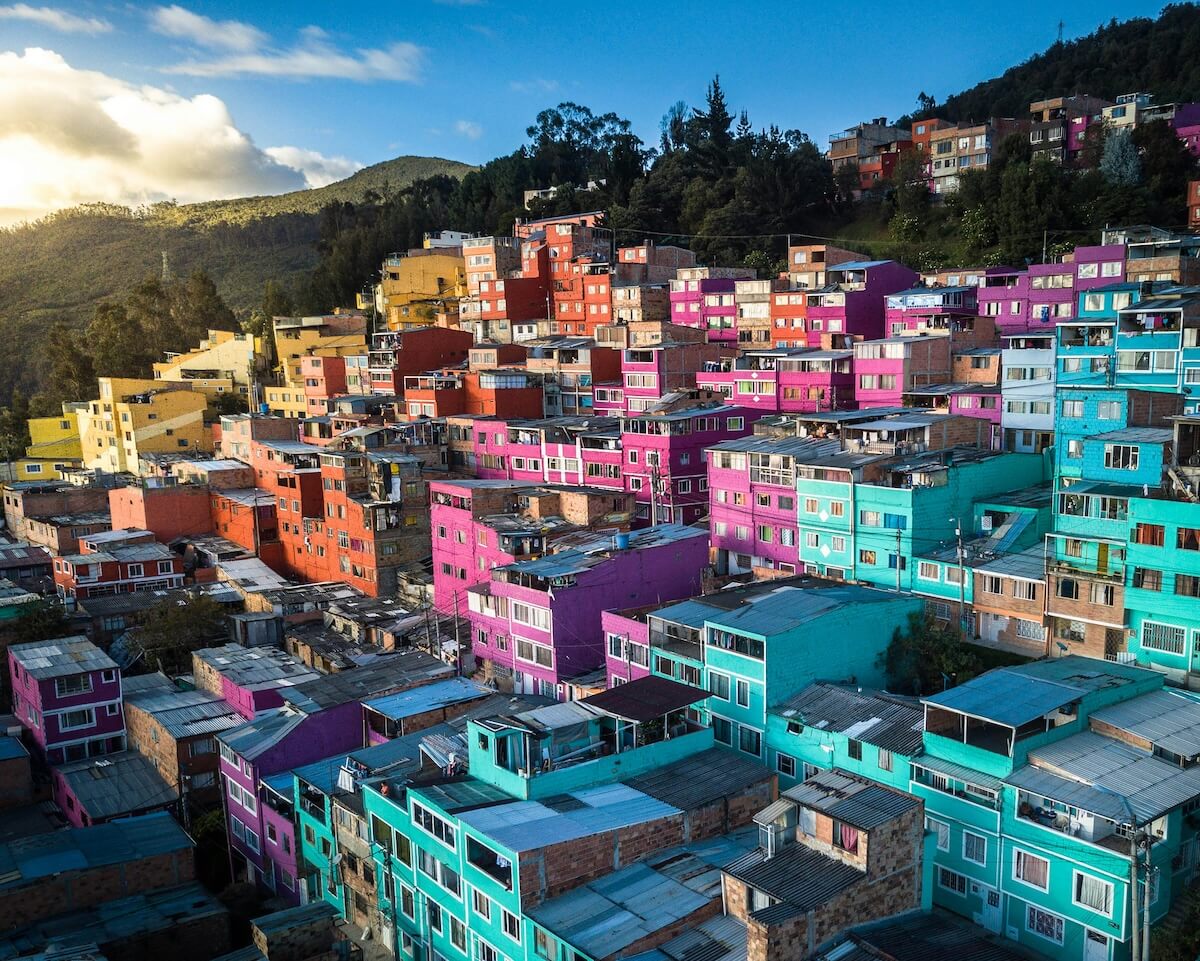
Colombia: South America's Best-Value Destination
Caribbean beaches, Andean coffee country, transformed cities, and genuine hospitality—all at prices that make neighboring countries feel expensive. Here's how to travel Colombia well on $40-60 a day.
The hostel owner in Medellín charged me $8 for a private room with a view of the Aburrá Valley. Breakfast was included. When I asked if there was a mistake with the price, she laughed and said this was normal. That was my introduction to Colombian value—the persistent sense that what you're getting far exceeds what you're paying.
Colombia offers something rare in travel: genuine diversity at budget prices. Caribbean beaches rival those of islands that cost three times as much to visit. Andean cities combine cosmopolitan culture with manageable costs. Coffee country provides rural beauty and agricultural tourism. Amazon jungle, desert landscapes, colonial towns, and one of the world's most transformed urban success stories—all accessible without the prices that typically accompany such variety.
The country's reputation still trails its reality. Travelers who visited a decade ago remember higher risk and lower infrastructure. Those who've been recently tell different stories—stories of efficient transport, excellent hostels, and locals who seem genuinely pleased that foreigners finally recognize what Colombia offers. The gap between perception and experience creates opportunity for budget travelers willing to trust updated information.
The Budget Reality
Comfortable budget travel in Colombia runs $40-60 USD per day, covering accommodation, food, local transport, and activities. Backpackers staying in dorms, eating street food, and moving slowly can manage $25-35. Those wanting private rooms, sit-down meals, and more frequent transport will spend $50-70. Colombia isn't Southeast Asia cheap, but it's significantly more affordable than Chile, Argentina, or Brazil.
Accommodation drives the biggest variance. Hostel dorms run $8-15 per night depending on city and quality. Private rooms in hostels or budget hotels cost $15-30. Airbnbs in local neighborhoods offer excellent value at $20-40 for entire apartments. Cartagena's old town and touristy areas command premiums; neighborhoods a short walk away cost half as much for similar quality.
Food in Colombia rewards the adventurous eater. Menu del día—the set lunch offered at countless local restaurants—provides soup, main course, drink, and often dessert for $2-4. Street food like arepas, empanadas, and fresh fruit runs $0.50-2 per item. Restaurant meals cost $5-12 for generous portions. Only tourist-oriented venues in places like Cartagena's walled city approach international prices.
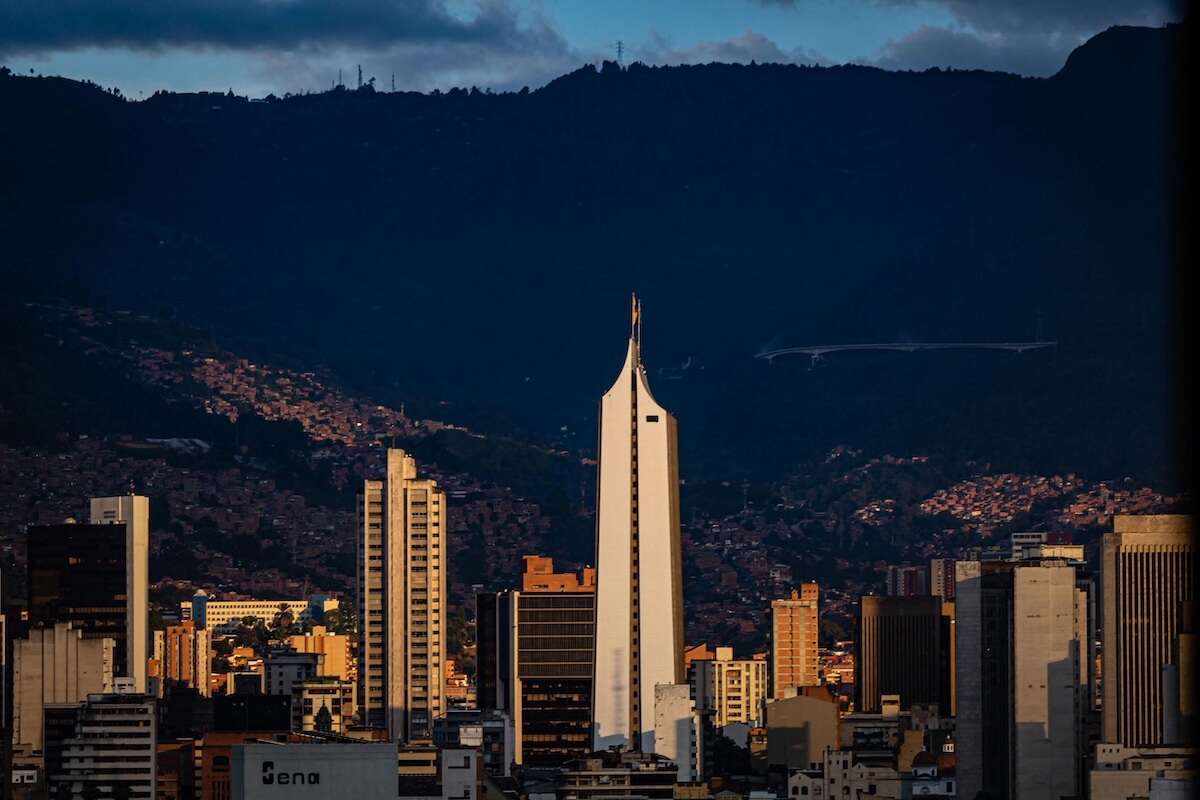
Transport between cities is efficient and affordable. Modern buses with air conditioning, WiFi, and reclining seats connect major destinations at reasonable prices—Medellín to Cartagena costs around $40-50 for the 13-hour journey. Domestic flights, when booked in advance, often cost $30-60 between major cities, making them competitive with buses for longer routes. Within cities, metro systems in Medellín and Bogotá cost under $1 per ride.
Medellín: The Transformation Story
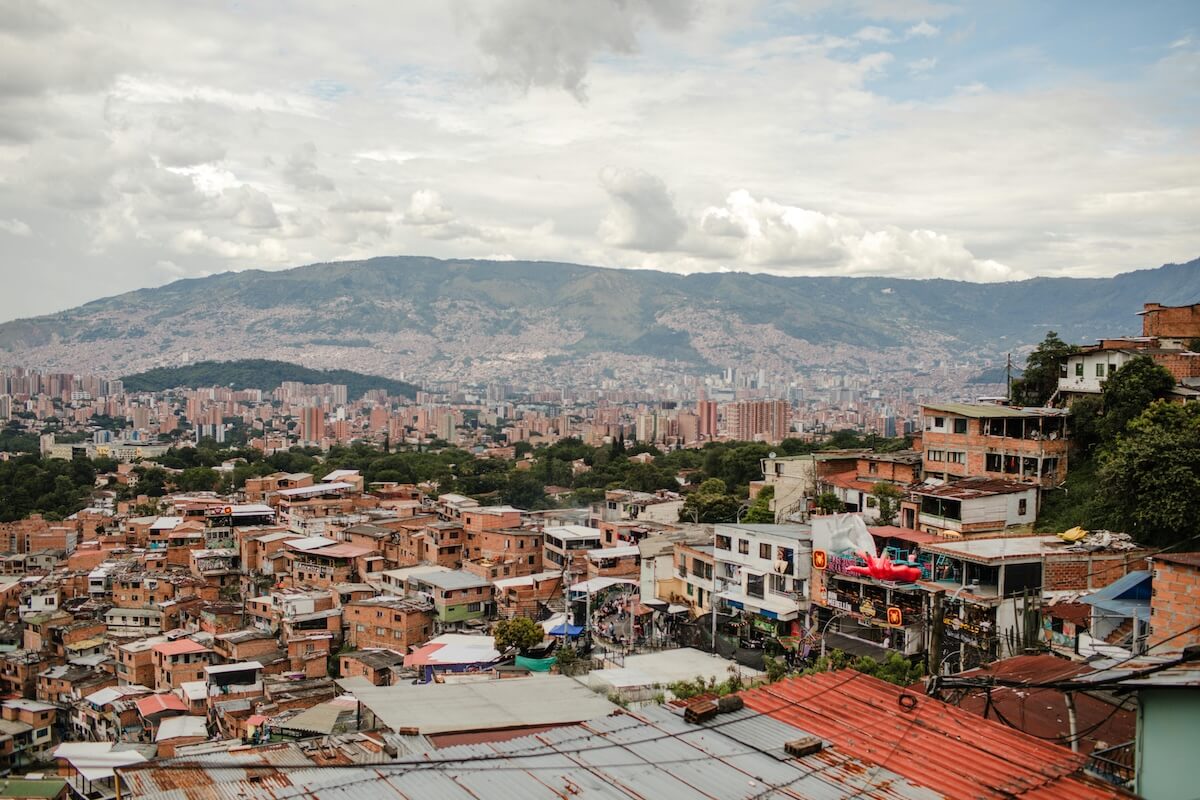
Medellín's story is well-known: from one of the world's most dangerous cities in the 1990s to a model of urban renewal that wins international planning awards. The transformation is real and visible—innovative public transport including cable cars connecting hillside barrios to the metro, libraries and parks in formerly neglected neighborhoods, and a palpable sense of civic pride. For travelers, this translates into a modern, navigable city with excellent infrastructure at developing-world prices.
The Poblado neighborhood attracts most foreigners with its restaurants, nightlife, and comfortable hostels. It's pleasant but somewhat sanitized—the Colombia that feels most familiar to international visitors. Laureles offers similar amenities with a more local character and lower prices. For deeper immersion, neighborhoods like Envigado or Boston provide genuine Colombian city life with minimal tourist infrastructure.
Medellín's climate—called the City of Eternal Spring—means temperatures around 22-28°C year-round. No heating or air conditioning needed, which partly explains the low accommodation costs. The weather also supports outdoor living: parks fill with families on weekends, street food vendors operate everywhere, and the city's famous transformation projects—escalators in Comuna 13, cable cars to Santo Domingo—become attractions in themselves.
Budget activities abound. The metro and metrocable system costs under $1 for rides that offer better views than most paid tours. The Botanical Garden is free. Walking tours operate on tips. Museums including the Museo de Antioquia (home to Botero's work) charge $3-5. The greatest expense might be the temptation to extend your stay—Medellín is that livable.
The Caribbean Coast
Cartagena's walled old town is Colombia's most touristed area, and prices reflect this—accommodation and restaurants inside the walls cost roughly double what you'd pay elsewhere in the country. But even here, smart choices keep costs reasonable. Stay in Getsemaní, the neighborhood just outside the walls, where hostels and guesthouses offer proximity without the premium. Eat at the fruit vendors and lunch spots locals use rather than the restaurants with multilingual menus.
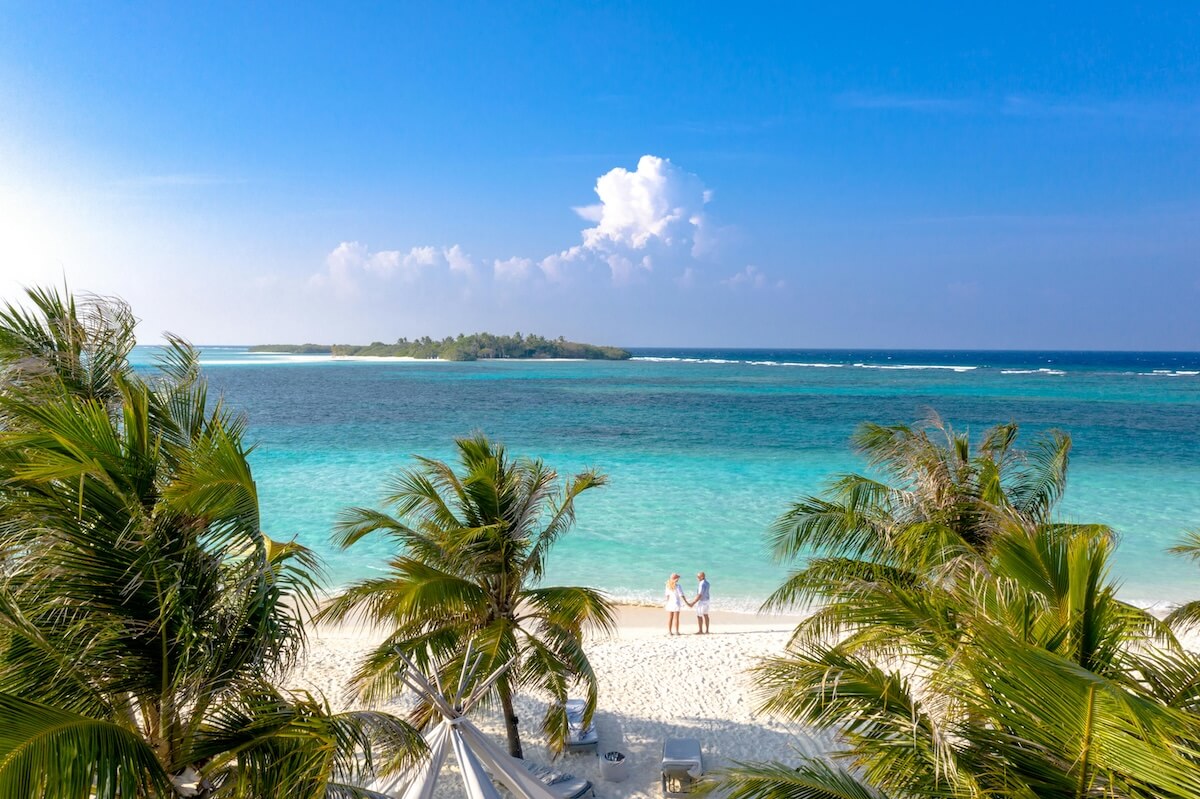
Beyond Cartagena, the coast offers genuine beach value. Santa Marta provides a more local alternative with access to Tayrona National Park—one of Colombia's most beautiful stretches of Caribbean coastline. Park entry costs around $20, and camping or staying in hammocks inside the park runs $10-20. The combination of jungle meeting beach creates landscapes that rival far more expensive Caribbean destinations.
Palomino, a small town northeast of Santa Marta, attracts backpackers with its river tubing, uncrowded beaches, and hammock-heavy hostels charging $10-15 for dorms. The vibe is laid-back to the point of sleepy—perfect for travelers seeking beach time without Cartagena's tourist infrastructure or prices. Further along the coast, the Guajira Peninsula offers desert landscapes meeting the sea, reachable via budget tours from Santa Marta or Cartagena.
The San Andrés and Providencia islands, located closer to Nicaragua than mainland Colombia, offer Caribbean island experiences at Colombian prices. Flights from major cities cost $50-100 round trip when booked in advance. Accommodation on San Andrés has gotten pricier but remains cheaper than comparable Caribbean islands. Providencia, smaller and less developed, provides the kind of pristine Caribbean setting that costs five times as much elsewhere.
Coffee Country
The Zona Cafetera—the coffee-growing region centered around Armenia, Pereira, and Manizales—offers one of Colombia's best value propositions. Lush green hills covered in coffee plants, traditional fincas (farms) offering accommodation, and the chance to see how the world's coffee is actually produced. Staying on working coffee farms typically costs $20-40 per night including breakfast and often a farm tour.
Salento, a small town of colorful houses and cobblestone streets, serves as the tourist gateway to the region. It's touristy by Colombian standards but remains charming and affordable. From here, hike to the Valle de Cocora to see Colombia's iconic wax palms—the world's tallest palm trees, reaching 60 meters into cloud forest air. The hike is free; transport by jeep costs a few dollars.
Coffee tours range from informal conversations with farmers willing to show you around for a tip to organized experiences costing $10-25 that cover the full production process from plant to cup. Tasting Colombia's coffee at its source—smoother and less acidic than you might expect—reframes everything you thought you knew about the drink.
Bogotá: The Capital Experience
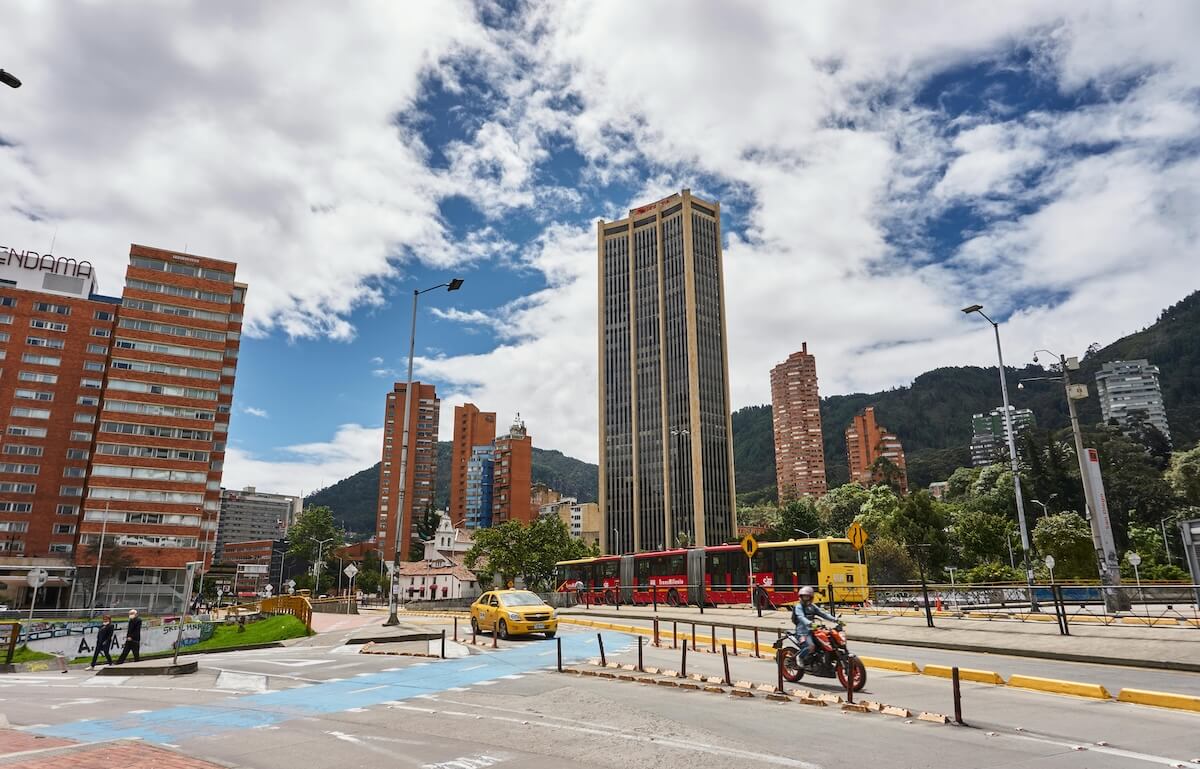
Bogotá intimidates some travelers with its size (8+ million people) and altitude (2,640 meters), but the capital rewards those who engage with it. La Candelaria, the historic center, offers colonial architecture, world-class museums, and budget hostels in walkable proximity. The Museo del Oro (Gold Museum) and Museo Botero are free or nearly free, displaying some of Latin America's finest collections.
The altitude affects everyone initially—shortness of breath, fatigue, sometimes headaches. Arriving before hiking destinations like the Lost City or high Andean treks allows acclimatization. The cool climate (averaging 14°C) requires layers but makes walking the city's sprawling neighborhoods comfortable.
Bogotá's food scene rivals Medellín's at similar prices, with everything from traditional Colombian to international cuisines available at budget to mid-range costs. The ciclovía—when major streets close to cars every Sunday and holiday—transforms the city into a pedestrian and cycling paradise, offering free entertainment and a window into bogotano culture.
The Safety Question
Colombia's past is not its present, but acknowledging the history helps contextualize the current reality. The country has transformed dramatically since the worst years of the 1990s and early 2000s. Violence has decreased substantially. Tourist infrastructure has improved. Areas that were once off-limits are now accessible. Millions of travelers visit Colombia annually and return home with stories of hospitality rather than crime.
That said, Colombia is not Europe. Petty theft—pickpocketing, phone snatching, distraction scams—occurs in tourist areas. Certain neighborhoods in major cities remain risky, especially at night. Rural areas near borders with Venezuela or in regions with ongoing conflict require research before visiting. The practical approach: exercise urban awareness similar to any large city, follow local advice about neighborhoods to avoid, and don't flash expensive items.
The specific concerns that defined Colombia's reputation—kidnapping, cartel violence, guerrilla activity—have not disappeared entirely but affect tourists minimally. Staying on established routes, traveling by day in unfamiliar areas, and not involving yourself in the drug trade (this sounds obvious, but it matters in Colombia) addresses the vast majority of risks. Most travelers report feeling safer than they expected.
Practical Logistics
Visas are straightforward for most nationalities—90 days on arrival for US, EU, UK, Canadian, and Australian citizens, among others. Extensions are possible at immigration offices for an additional 90 days. Long-term budget travelers often use Colombia as a base, combining the generous visa allowance with the affordable cost of living.
Spanish helps enormously. Outside tourist areas, English is rare. Even basic Spanish—greetings, numbers, food vocabulary—improves experiences and opens doors. Colombians appreciate the effort and often respond with warmth and patience to struggling speakers. A few weeks studying before arrival pays dividends.
The Colombian peso is the only practical currency. US dollars are difficult to exchange outside major cities and airports, and card acceptance varies—many smaller businesses remain cash-only. ATMs are widespread but charge fees; withdrawing larger amounts less frequently reduces costs.
Internal flights are often the best value for longer distances. Viva Air, Wingo, and Avianca's budget options offer fares that compete with overnight buses while saving time. Book in advance, travel with carry-on only to avoid baggage fees, and compare carefully—sometimes buses remain cheaper, sometimes flights win.
Making It Work
Colombia rewards slow travel. The diversity of regions means that rushing creates expensive backtracking and superficial experiences. Spending a week in Medellín, another in coffee country, time on the coast—this rhythm allows depth while keeping costs low. Transport between regions is the biggest expense; minimizing long-distance moves maximizes budget efficiency.
Eat like locals and your food costs plummet. Menu del día is a revelation: complete meals for $2-4 that often outshine restaurant food at five times the price. Street food is generally safe if you observe basic precautions (choose busy vendors, watch that food is cooked fresh). Markets and supermarkets make self-catering feasible in accommodations with kitchens.
Free and cheap activities dominate. Walking tours, public parks, beach days, hiking, museum free days, and simply experiencing Colombian street life require little or no money. The expensive activities—multi-day treks like the Lost City, diving courses, organized tours—are genuinely worth saving for, but they're optional supplements to a budget trip, not requirements.
Colombia offers what travelers increasingly seek: genuine experience at manageable cost. The country's complexity—its difficult history alongside its remarkable present, its urban innovation alongside traditional cultures, its Caribbean alongside its Andes—rewards engagement beyond the surface. That this comes at prices well below comparable destinations elsewhere is the bonus that makes Colombia one of South America's best values for the budget traveler.


Comments
How did this story make you feel?
No comments yet. Be the first to share your thoughts!