Turkey: Where $50 a Day Feels Like $150 (And the Food Alone Is Worth the Flight)
The Turkish lira's collapse is a traveler's windfall. Here's how to eat like royalty, sleep in cave hotels, and explore 10,000 years of history on a budget that would barely cover a day in Paris.
Here's a number that should get your attention: $1 currently buys you about 44 Turkish lira. Five years ago, that same dollar got you 7 lira. The math isn't complicated. Turkey has become one of the most absurdly good-value destinations on Earth, and unlike some budget destinations where cheap means compromising, Turkey delivers the kind of food, history, and landscapes that would cost three times as much anywhere in Western Europe.
This isn't some undiscovered backpacker secret, either. Turkey gets over 50 million tourists a year. It has world-class infrastructure, a cuisine that rivals Italy and Japan, and a transit network that puts most European countries to shame. The difference is that your money goes absurdly far here. A three-course meal at a proper sit-down restaurant runs $8-12. A ferry across the Bosphorus costs less than $1.50. A night in a boutique cave hotel in Cappadocia can be had for $40. This is what budget travel looks like when a country has first-world infrastructure and developing-world prices.
The Real Daily Budget: What $50 Actually Gets You
Let's skip the vague promises and talk actual numbers. On $50 a day, you're not roughing it in Turkey. You're eating well, sleeping comfortably, and seeing the sights. On $30-35 a day, you're still having a great time, just making smarter choices. Here's what that looks like in practice.
- Accommodation: $15-25/night for a clean guesthouse or private hostel room. In smaller cities like Antalya's old town or Selçuk near Ephesus, you'll find charming pensions for $15. Istanbul's Sultanahmet area runs $20-30 for a private room with breakfast included.
- Food: $10-15/day eating a mix of street food and sit-down restaurants. A simit (sesame bread ring) from a cart costs $0.25. A full kebab plate with sides runs $4-6. A traditional Turkish breakfast spread at a local cafe is $5-8 and will keep you full until dinner.
- Transport: $3-5/day using public transit. Istanbul's Istanbulkart works on ferries, metro, trams, and buses at roughly $0.70 per ride. Intercity buses between major cities cost $10-20.
- Sightseeing: $5-10/day. Many mosques are free. Museum entry fees have risen in recent years (Hagia Sophia's upper gallery is around $25, Topkapi Palace runs $30-35), but you can spread these across your trip and balance them with free experiences.
- Miscellaneous: $5/day for tea (you'll drink a lot of it), water, snacks, and small purchases.
Istanbul: The $50-a-Day City That Feels Like $200
Most people start in Istanbul, and most people don't give it enough time. Three days is the minimum. You could spend a week and still feel like you're scratching the surface. The city sprawls across two continents, and the neighborhood you're in determines your experience entirely.
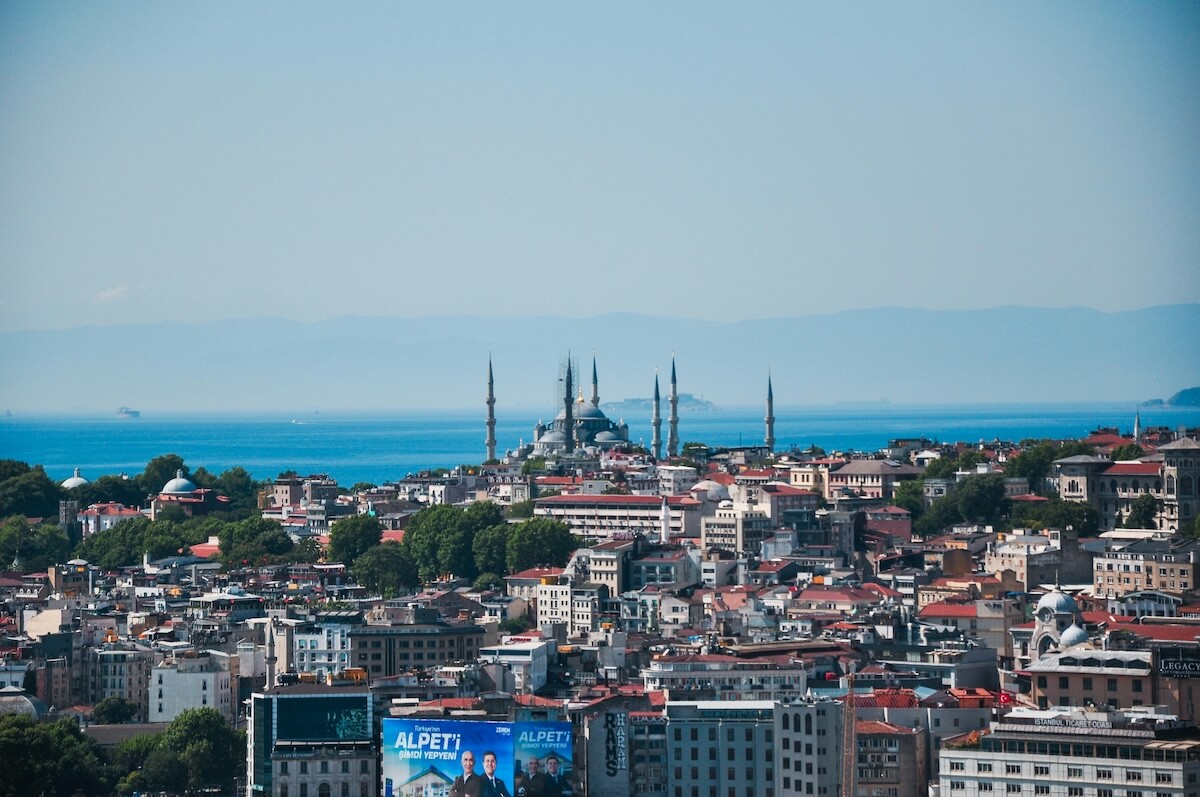
Sultanahmet is where the big-ticket sights cluster: the Hagia Sophia, the Blue Mosque, Topkapi Palace, the Basilica Cistern. Stay here if it's your first visit. The accommodation is slightly pricier, but you'll save on transport by walking to everything. The Blue Mosque is free to enter (dress modestly and visit outside prayer times). The Hagia Sophia's ground floor is also free, though the upper gallery now requires a ticket.
But the real budget magic happens when you cross the Galata Bridge to the neighborhoods locals actually live in. Kadıköy, on the Asian side, has a food market that rivals anything in the tourist zones at half the price. Take the ferry from Eminönü for less than $1.50 and you'll get one of the best views in Istanbul thrown in for free. Karaköy and Balat are where young Istanbulites eat and shop, full of $3 lunch spots and $1 Turkish coffee.
The Food Situation (It's Better Than You Think)
Turkish food is one of the world's great cuisines, and it's engineered for budget travelers. The country runs on cheap, filling, protein-rich street food that isn't an afterthought — it's the main event. Forget the tourist restaurants on Sultanahmet's main drag with their picture menus and aggressive hosts. Walk two blocks in any direction and you'll find where locals eat.
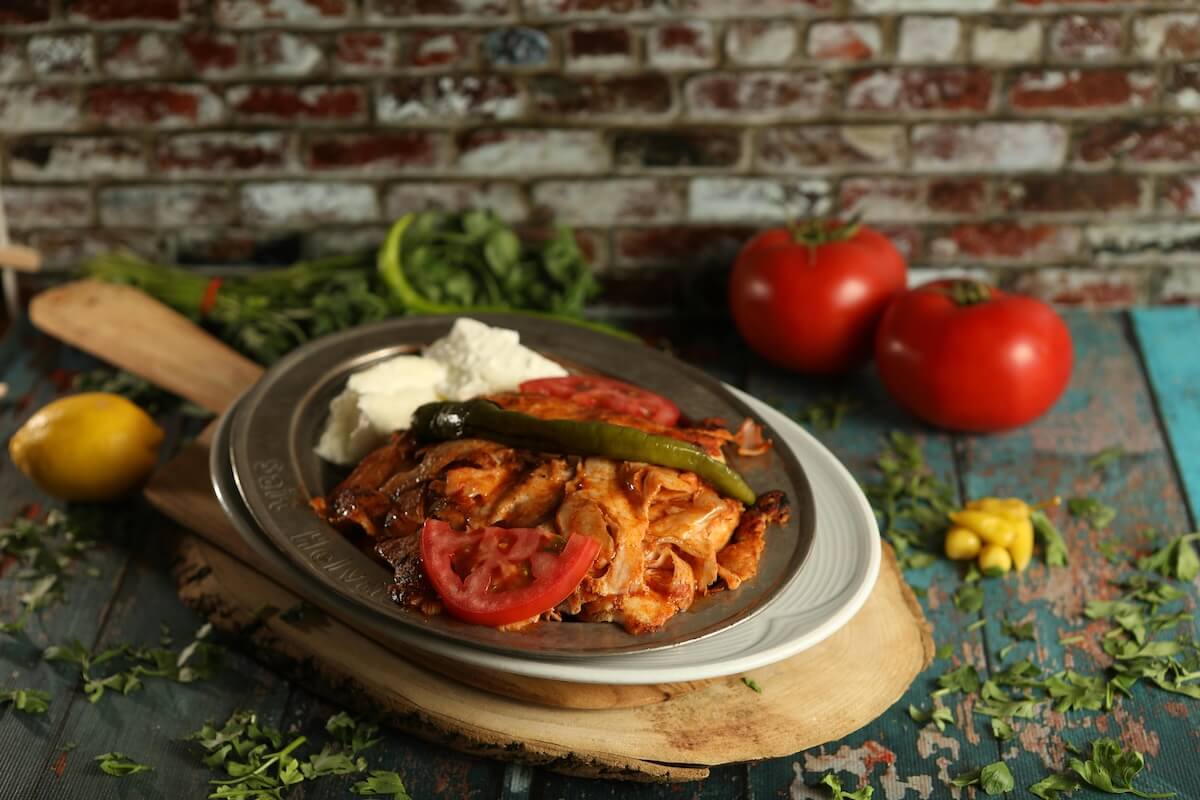
Your daily food strategy should look something like this: Start with a simit from a street cart for breakfast ($0.25) or, if you want to do it properly, find a kahvaltı spot serving traditional Turkish breakfast — a spread of cheeses, olives, tomatoes, cucumbers, honey, kaymak (clotted cream), eggs, and unlimited tea for $5-8. This meal is so substantial that lunch becomes optional. When you do eat midday, grab a lahmacun (thin crispy flatbread with spiced meat, essentially Turkish pizza) for $2-3, or a döner wrap for $3-4. Dinner at a proper lokanta (cafeteria-style restaurant where you point at what looks good) runs $4-6 for a full plate.
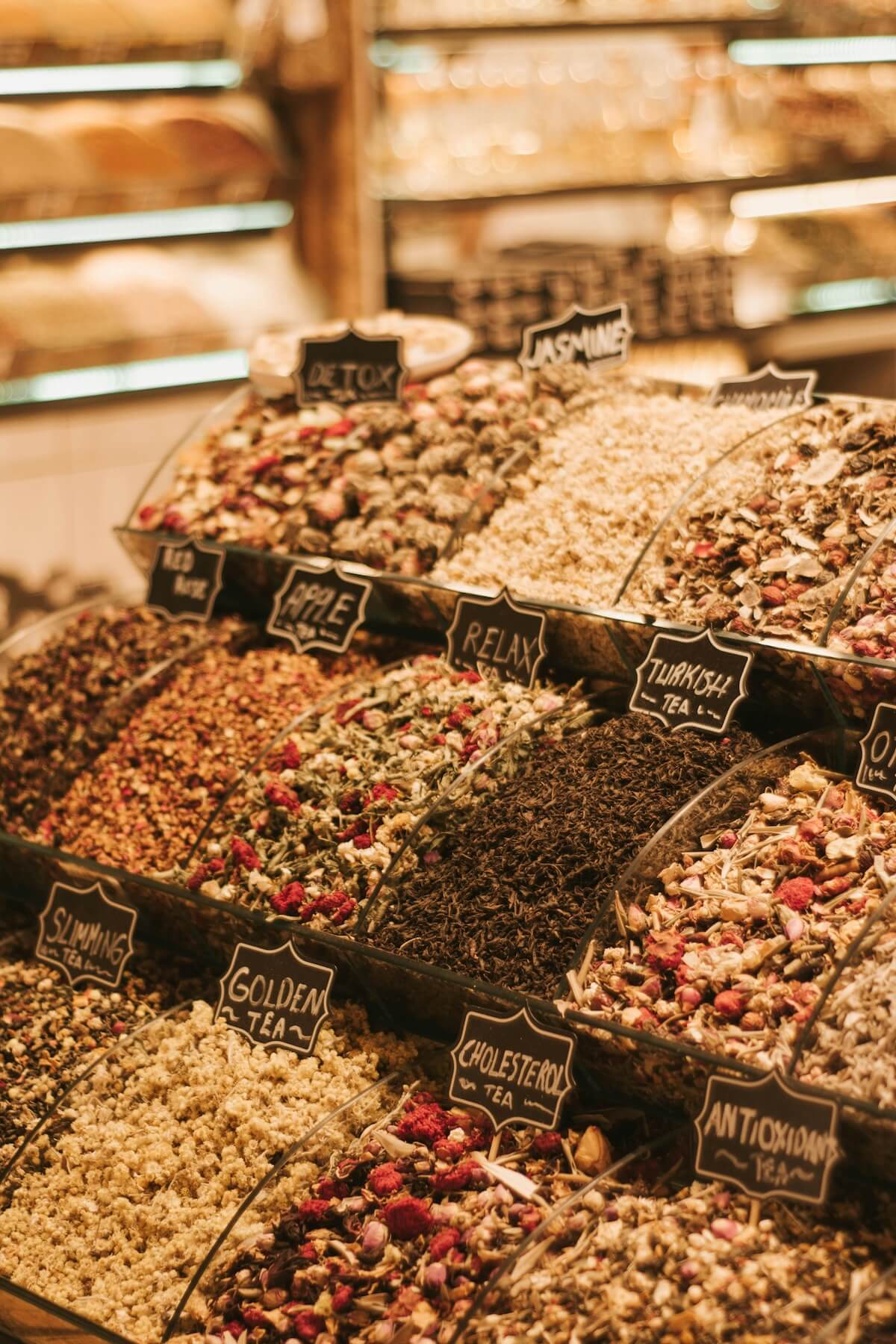
Pide (Turkish flatbread stuffed with cheese, meat, or eggs) is another budget hero — a full pide with mixed toppings costs $3-5 and is a meal in itself. Gözleme, a stuffed savory crepe usually found at market stalls, runs $2-3. And everywhere you go, tea is either free or costs less than $0.50. It's served in those distinctive tulip-shaped glasses, and refusing it is practically a cultural offense.
Beyond Istanbul: Where the Real Value Lives
Istanbul is Turkey's most expensive city, which tells you something about what the rest of the country costs. Once you leave, your budget stretches even further.
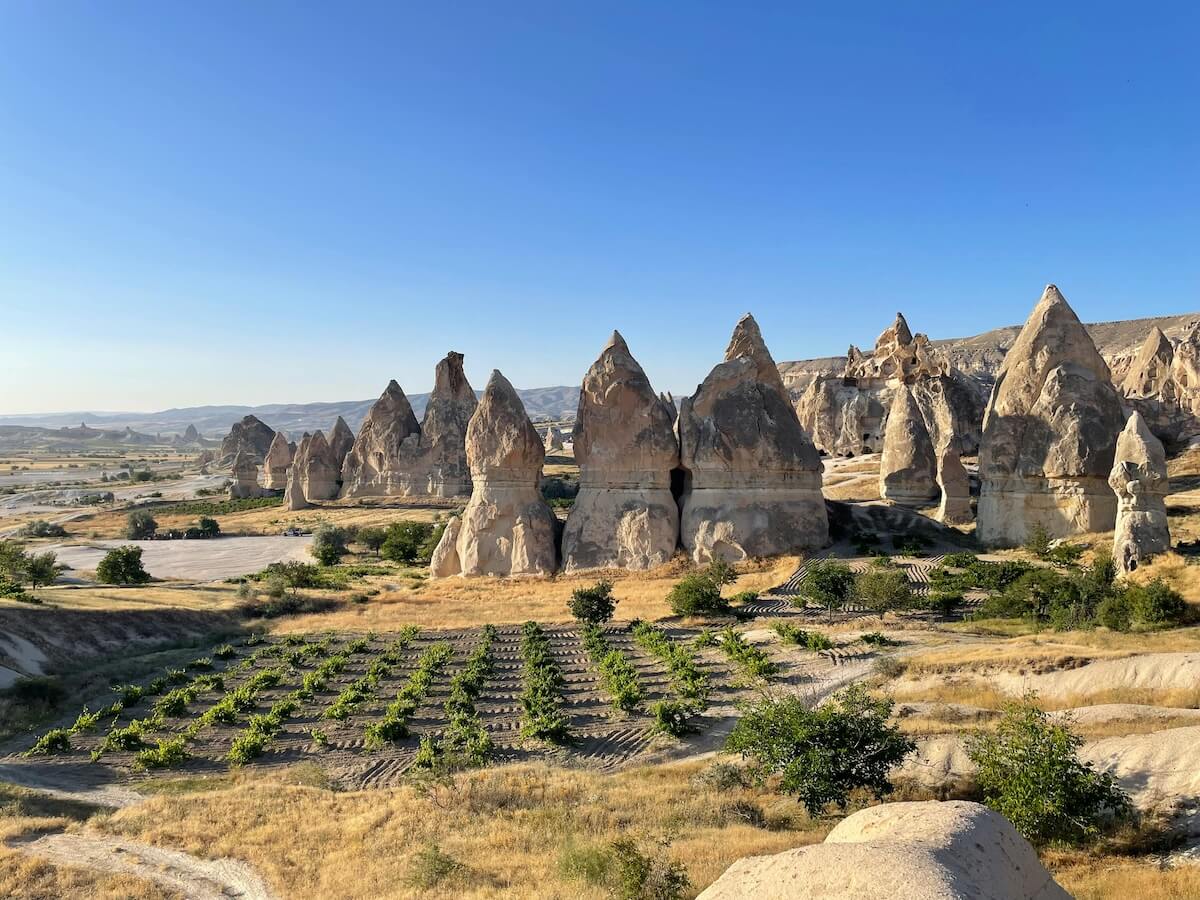
Cappadocia is the one splurge most budget travelers make, and it's worth it. The famous hot air balloon rides run $150-250 depending on the operator and season — not cheap, but a once-in-a-lifetime experience over a landscape that looks like another planet. Everything else here is remarkably affordable. Cave hotels (actual rooms carved into rock) start at $30-40 a night. The open-air museum in Göreme, with its Byzantine-era cave churches and frescoes, costs about $15. You can hike the Rose Valley and Love Valley for free, and the sunset views over the fairy chimneys from the town's viewpoints don't cost a thing.
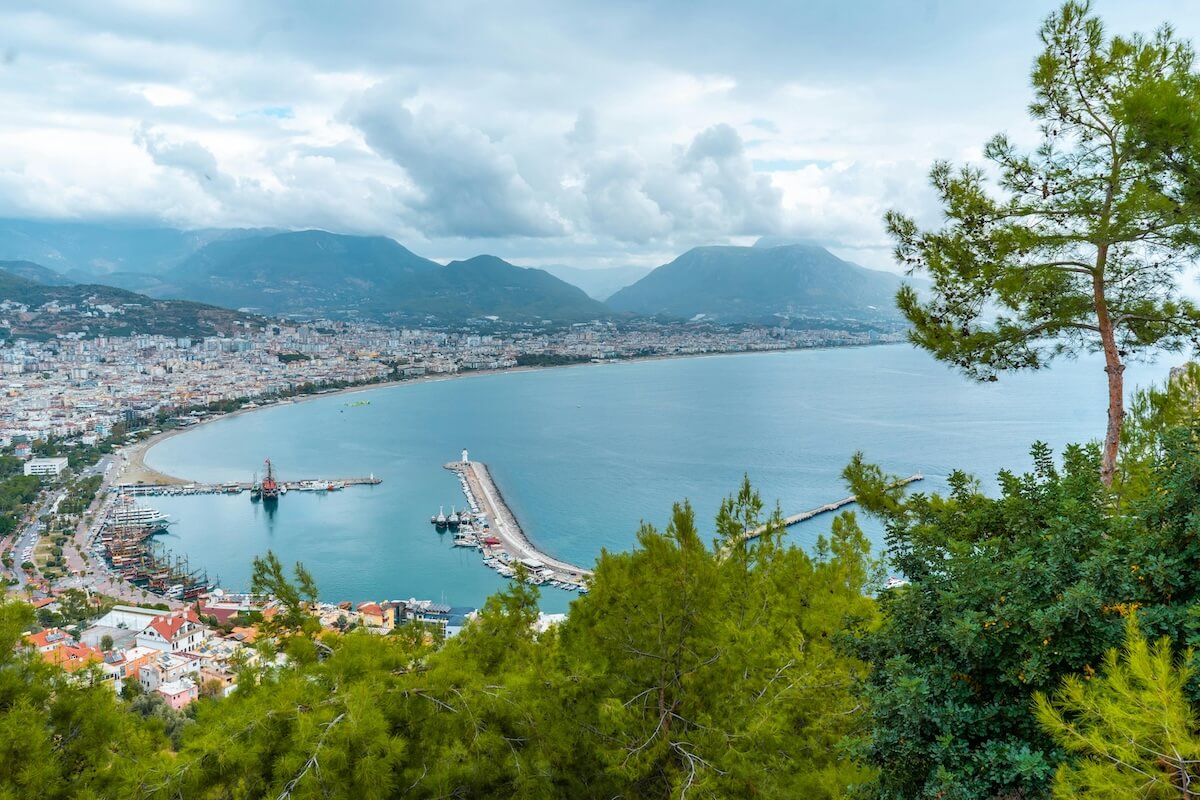
The Mediterranean coast is where Turkish budget travel really shines. Antalya's Kaleiçi (old town) has guesthouses from $15 a night, public beaches that are free, and some of the best-preserved Roman ruins in the world scattered along the coastline. The ancient city of Phaselis is a short bus ride away, where you can swim at a beach backed by 2,000-year-old aqueducts. Olympos, further down the coast, has a treehouse camp culture where basic accommodation runs $10-15 a night. The nearby Chimera flames — natural gas vents that have been burning on a mountainside for millennia — are free to visit after a short hike.
Getting Around Without Getting Burned
Turkey's intercity bus network is genuinely excellent. Companies like Metro Turizm, Pamukkale, and Kamil Koç run modern, comfortable coaches between every major city. Istanbul to Cappadocia (Göreme) runs about $15-20 for a 10-hour overnight bus — not glamorous, but it saves you a night's accommodation. Istanbul to Antalya is similar. Buses include complimentary snacks, water, and sometimes even hot drinks, a level of service you won't find on European budget carriers.
Domestic flights are another option when your time is short. Pegasus Airlines and AnadoluJet frequently run sales on routes like Istanbul to Antalya or Istanbul to Cappadocia (via Kayseri or Nevşehir airports) for $25-50 one way if you book in advance. That Istanbul-to-Cappadocia overnight bus trip? You can do it in 75 minutes by air for roughly the same price.
The Practical Stuff That Saves You Money
A few logistics that will keep your costs down and your trip smooth. First: visas. Many nationalities need an e-visa, which costs about $20 and takes five minutes to get online at evisa.gov.tr. Do this before you arrive — the airport kiosks work too, but why risk the queue?
For money, bring a travel-friendly debit card with no foreign transaction fees and withdraw lira from ATMs as needed. Avoid exchanging money at airport counters or hotels, where rates are consistently worse. When paying by card at restaurants or shops, you'll sometimes be asked whether to pay in your home currency or lira — always choose lira. The other option triggers Dynamic Currency Conversion, which pads in a worse exchange rate and hidden fees.
Timing matters for your budget too. Shoulder season (April-May and September-October) is the sweet spot: warm weather, thinner crowds, and accommodation prices 20-30% lower than peak summer. July and August bring scorching heat to the interior and higher prices on the coast. Winter (November-March) makes Istanbul and Cappadocia significantly cheaper, though you'll trade warmth for dramatic moody skies and the chance to see Cappadocia dusted in snow, which is its own kind of magic.
A Week in Turkey: The $350 Itinerary
Here's what a realistic seven-day trip looks like at $50 a day. Three days in Istanbul: cover the Sultanahmet sights, take the ferry to the Asian side, eat your way through Kadıköy market, and wander the backstreets of Balat. Take an overnight bus or a quick flight to Cappadocia for two days: hike the valleys, explore the open-air museum, and watch the balloons at dawn even if you don't ride in one (the view from the ground is free and nearly as spectacular). Then bus or fly to Antalya for two days of Mediterranean coastline, Roman ruins, and the old town.
At $50 a day, that's $350 for the week, not counting your international flight. You'll have eaten extraordinary food, stood inside buildings that were ancient when the Roman Empire fell, swum in the Mediterranean, and walked through landscapes that exist nowhere else on the planet. Try getting that in Italy or Greece for three times the price.


Comments
How did this story make you feel?
No comments yet. Be the first to share your thoughts!