Via Ferrata in the Dolomites: Climbing Italy's Iron Roads
Fixed cables, iron rungs, and suspended bridges let non-climbers scale vertical walls in one of the world's most dramatic mountain ranges. Here's what it's actually like to clip into the Dolomites.
Seventy meters above the valley floor, you're standing on a steel rung bolted into vertical limestone, both hands gripping a cable that disappears upward into a crack in the rock. Below your feet: nothing but air and a view that would cost thousands in helicopter tours. Your harness connects you to the cable via two lanyards with carabiners, and as long as you stay clipped in, you cannot fall more than a few meters. This is via ferrata—the iron road—and it makes the impossible feel almost casual.
Via ferrata routes originated in the Alps during World War I, when Italian and Austro-Hungarian forces needed to move soldiers and supplies through vertical terrain. They installed fixed cables, ladders, and metal rungs that allowed passage along cliff faces and across exposed ridges. After the war, these routes became recreational, and the Dolomites—with their dramatic vertical limestone towers—emerged as the global epicenter of via ferrata climbing.
Today, the Dolomites contain hundreds of via ferrata routes ranging from gentle introductions to multi-day alpine epics. The system democratizes vertical terrain: routes that would require years of climbing experience to attempt free become accessible to anyone with basic fitness, a head for heights, and proper equipment. You're not climbing in the traditional sense—you're ascending protected routes where the infrastructure does much of the safety work.
How Via Ferrata Works
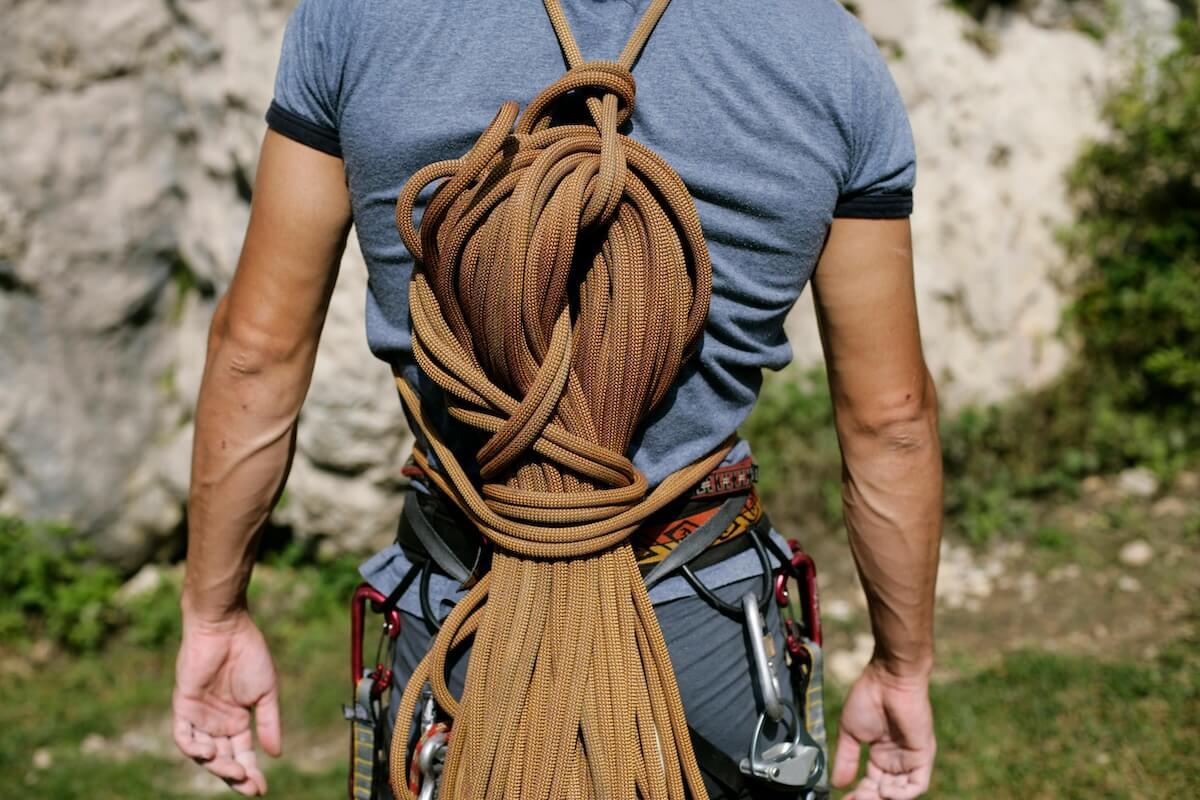
The core concept is simple: a steel cable runs continuously along the route, anchored to the rock at regular intervals. You wear a harness connected to two lanyards, each ending in a specialized carabiner designed for via ferrata use. As you climb, you keep at least one carabiner clipped to the cable at all times, moving them alternately past each anchor point. If you slip, you fall only to the next anchor—typically a meter or two—before the system catches you.
Routes include various aids depending on terrain: metal rungs (stemples) hammered into the rock for foot and hand holds, ladders for vertical sections, and sometimes suspension bridges spanning gaps between towers. The cable itself provides security but isn't meant for pulling yourself up—that's what the rungs and natural rock features are for. Your arms will tire quickly if you rely too heavily on the cable rather than your legs.
The grading system varies by country, but Italian via ferrata typically use a scale from K1 (easy) to K6 (extremely difficult). K1 and K2 routes suit beginners with reasonable fitness. K3 requires more endurance and comfort with exposure. K4 and above demand significant upper body strength, climbing experience, and absolute comfort with serious vertical terrain. Honest self-assessment prevents epics on routes beyond your capability.
The Dolomites Difference
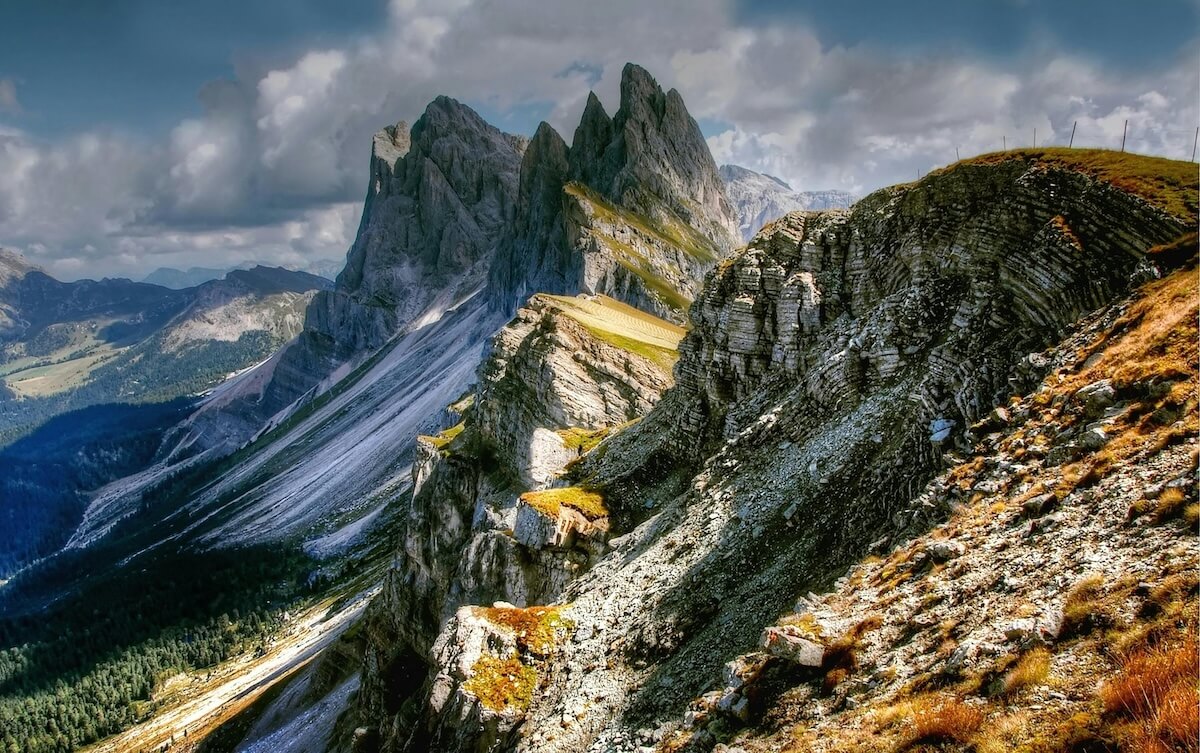
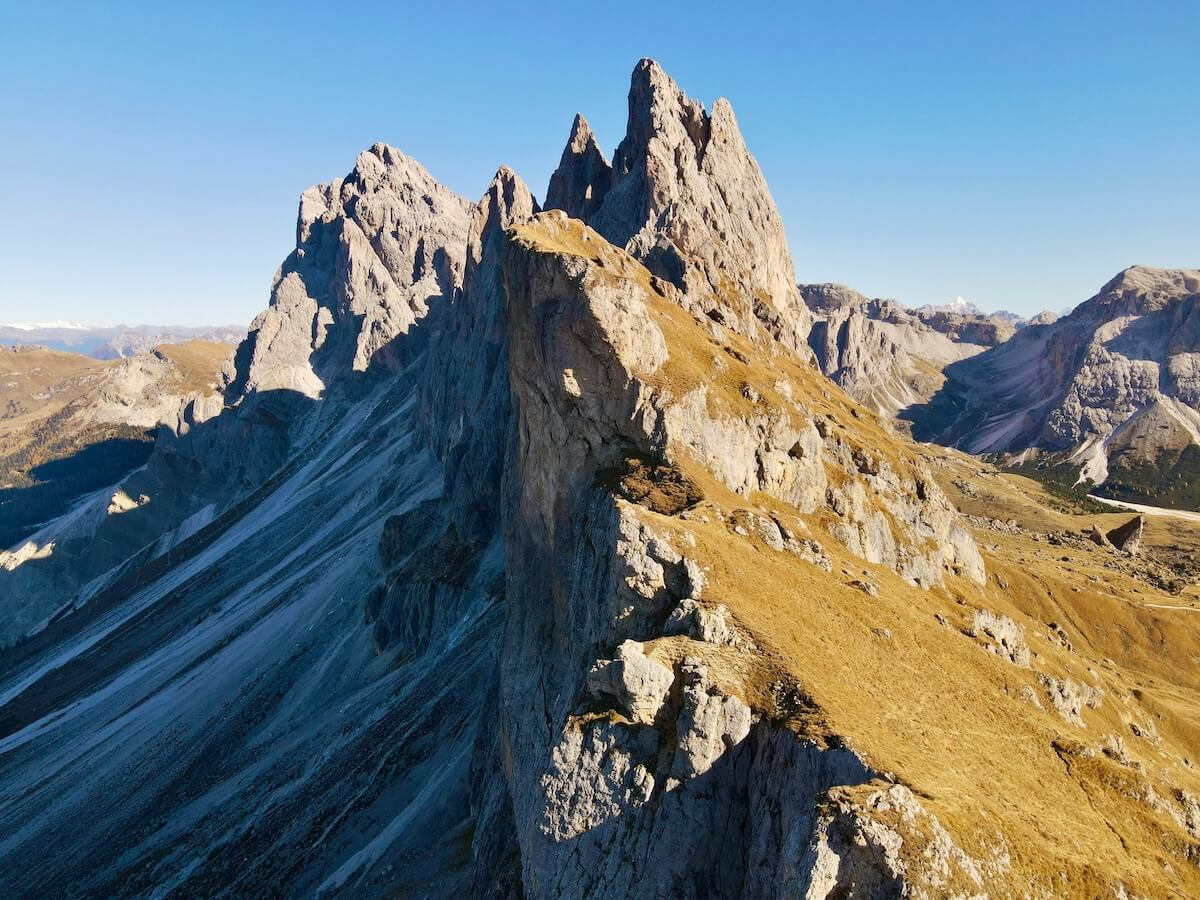
Via ferrata exist throughout the Alps, but the Dolomites offer something unique: pale limestone towers that rise vertically from green valleys, creating some of the most dramatic mountain scenery anywhere on Earth. Routes here don't just ascend mountains—they navigate through spires, across knife-edge ridges, and up walls that seem to defy gravity. The rock itself is a UNESCO World Heritage site, and the via ferrata provide access to terrain that would otherwise require professional climbing skills.
The history adds depth to the experience. Many routes follow paths established during World War I, when these peaks formed the front line between Italy and Austria-Hungary. Remains of trenches, fortifications, and tunnels are visible along certain routes. Climbing where soldiers once fought, often in winter conditions with inadequate equipment, puts modern recreational concerns in perspective.
The infrastructure supports adventure seamlessly. Mountain huts (rifugi) dot the high terrain, offering meals, accommodation, and the chance to break multi-day routes into manageable segments. Cable cars and chairlifts provide access to starting points, eliminating hours of approach hiking. Well-marked trails connect routes, and detailed guidebooks cover every significant via ferrata in the region.
Classic Routes for Different Levels
For first-timers, the Via Ferrata Averau near Cortina offers a perfect introduction: moderate difficulty (K2), stunning views, manageable length, and easy access via chairlift. The route ascends a relatively gentle ridge to a summit with panoramic Dolomite views, allowing beginners to experience the system without overwhelming exposure. Plan around three hours for the complete circuit.
The Via Ferrata Brigata Tridentina in the Sella Group steps up intensity to K3, featuring more vertical terrain and dramatic exposure on a route that traverses beneath and around massive limestone towers. The climbing is more sustained, the positions more spectacular, and the sense of mountain immersion deeper. Budget four to five hours and expect to work harder.
Serious via ferrata athletes pursue routes like the Via Ferrata delle Bocchette in the Brenta Dolomites—a multi-day traverse across some of the range's most spectacular terrain. This isn't beginner territory: sections reach K5 difficulty, require glacier travel, and demand full alpine competence. But for those with the skills, it represents via ferrata at its most committing and rewarding.
The Sass Pordoi via ferrata offers a middle ground: challenging enough to feel serious (K3-K4), short enough to complete in a half-day, and topped by a rifugio where you can recover with food and views before descending by cable car. It's the kind of route that makes you feel like a mountaineer without requiring you to actually be one.
The Physical Reality
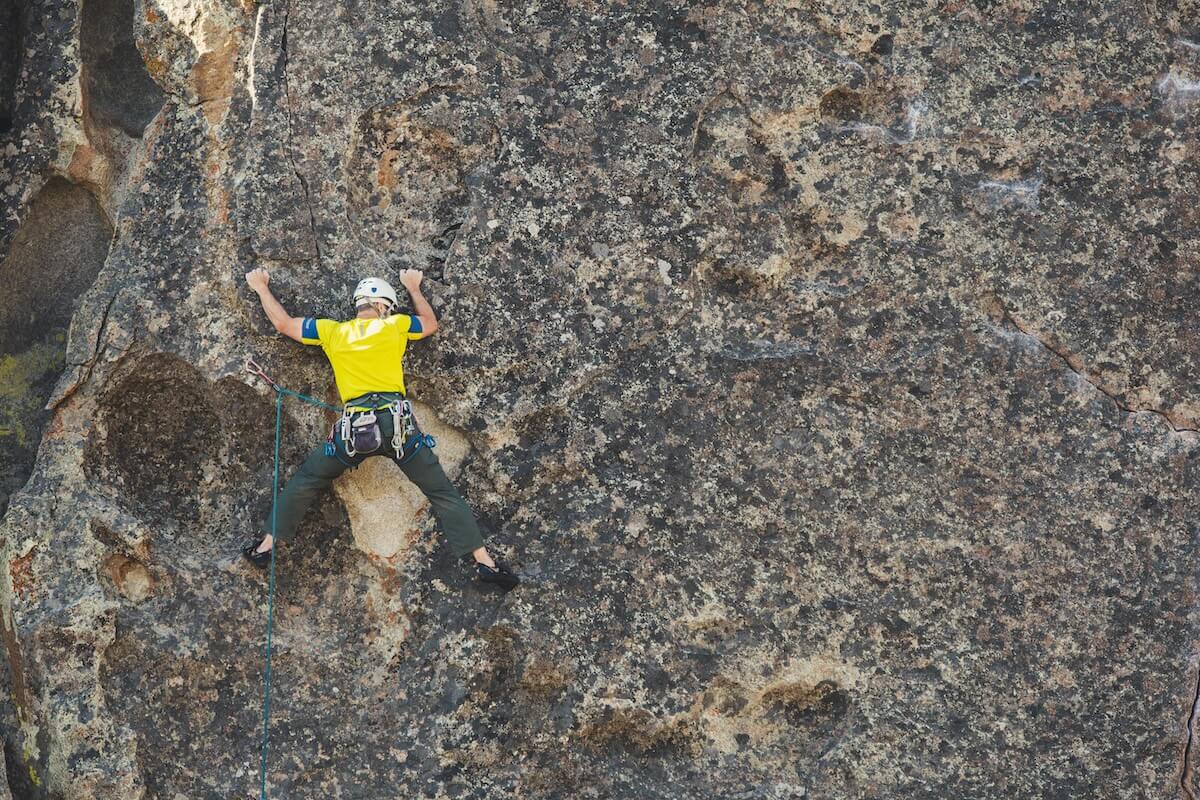
Via ferrata demands more than it might seem. Yes, the cable protects against catastrophic falls, but you still need to move your body through vertical and exposed terrain for hours at a time. Arms fatigue from gripping rungs. Legs burn from sustained stepping. The altitude—most Dolomite routes sit between 2,000 and 3,000 meters—affects everyone who isn't acclimatized.
Fear of heights is the other filter. The protection systems work, but your lizard brain doesn't always believe that. Standing on a narrow ledge with hundreds of meters of air beneath you triggers primal responses regardless of how many carabiners connect you to the cable. Some people discover they're fine with exposure; others find it overwhelming. Testing yourself on an easier route before committing to something serious is wise.
Weather creates urgency. The Dolomites generate afternoon thunderstorms regularly in summer, and being caught on an exposed ridge during lightning is genuinely dangerous—the steel cables that protect you from falls become hazards during electrical storms. Starting early, watching the sky, and being willing to retreat are essential skills.
Going Guided vs. Independent
First-timers benefit enormously from going with a guide. Local mountain guides know route conditions, optimal timing, weather patterns, and techniques that make climbing more efficient and enjoyable. They ensure your equipment is correctly fitted and that you understand proper clipping technique before you're committed to exposed terrain. A guided introduction typically costs €100-200 per person for a full day.
Experienced hikers comfortable with self-rescue and route-finding can tackle many via ferrata independently after learning the system. Detailed guidebooks describe every route with difficulty ratings, timing estimates, and approach instructions. The main requirements are honest self-assessment, appropriate gear, and the discipline to turn back when conditions or abilities don't match the route.
The social dynamic matters too. Via ferrata routes can get crowded, especially popular ones near cable car access. Passing on exposed sections requires coordination, and getting stuck behind a slow party can add hours to your day. Guides know which routes are crowded when and can time departures to minimize congestion.
Practical Planning
The via ferrata season runs from late June through September, when routes are typically snow-free and rifugi are open. July and August bring the best weather but also the biggest crowds and highest prices. Early July and September offer a balance of good conditions and somewhat fewer people. Some lower routes open earlier and stay accessible later, but high routes may hold snow into July.
Base yourself strategically. Cortina d'Ampezzo offers the most developed infrastructure—hotels, restaurants, equipment shops, and guide services—but prices reflect its status as a luxury resort. The Val Gardena and Alta Badia valleys provide good access to the Sella Group routes with a more authentic mountain village feel. Arabba and Alleghe offer quieter bases for the southern Dolomites.
Budget for €150-250 per day including accommodation, food, transport, and any guided services. Gear rental adds €20-30 daily if you don't bring your own. Mountain huts charge €60-100 for dinner, bed, and breakfast—expensive by hostel standards but reasonable for what they provide in remote locations.
Getting to the Dolomites typically means flying into Venice, Innsbruck, or Munich, then driving or taking buses into the mountains. Having a car provides flexibility for reaching trailheads and moving between areas. Without one, you're more dependent on cable cars and public transport, which works but limits options.
The Deeper Appeal
Via ferrata isn't climbing and isn't hiking—it occupies a space between that offers something neither provides alone. The sense of verticality and exposure creates engagement that flat trails can't match. The protection systems remove the commitment required for real climbing while preserving the positions and views. You end up in places that feel earned, having done something that felt at least a little scary, returning with memories that don't fade quickly.
The Dolomites themselves contribute as much as the activity. These mountains are genuinely extraordinary—pale towers rising from green meadows, the rock glowing pink at sunrise and sunset, villages tucked into valleys that seem designed for postcards. Via ferrata provides a way to engage with this landscape physically, to climb into it rather than just looking from below.
There's something honest about moving through mountains on your own power, trusting equipment and your own body to handle what the terrain presents. The cable catches you if you fall, but you still have to make every move yourself. At the top, tired and maybe a little scared but safe, you've done something real. The mountain didn't care whether you made it or not, and you made it anyway. That feeling doesn't get old.


Comments
How did this story make you feel?
No comments yet. Be the first to share your thoughts!