Bolivia's Death Road: Cycling the World's Most Dangerous Road
The North Yungas Road earned its nickname honestly. Here's what it's actually like to descend 3,600 meters on a mountain bike through fog, waterfalls, and vertical drops that don't leave room for error.
The bus that passes you on this road doesn't honk first. It simply appears from the fog, forcing your group to press against the cliff face while the vehicle squeezes past on a section of gravel barely wide enough for one. Below your left elbow, there's nothing—just a vertical drop into clouds that might be hiding a river 600 meters down, or might extend forever. This is kilometer eight of the North Yungas Road, and you have 56 kilometers to go.
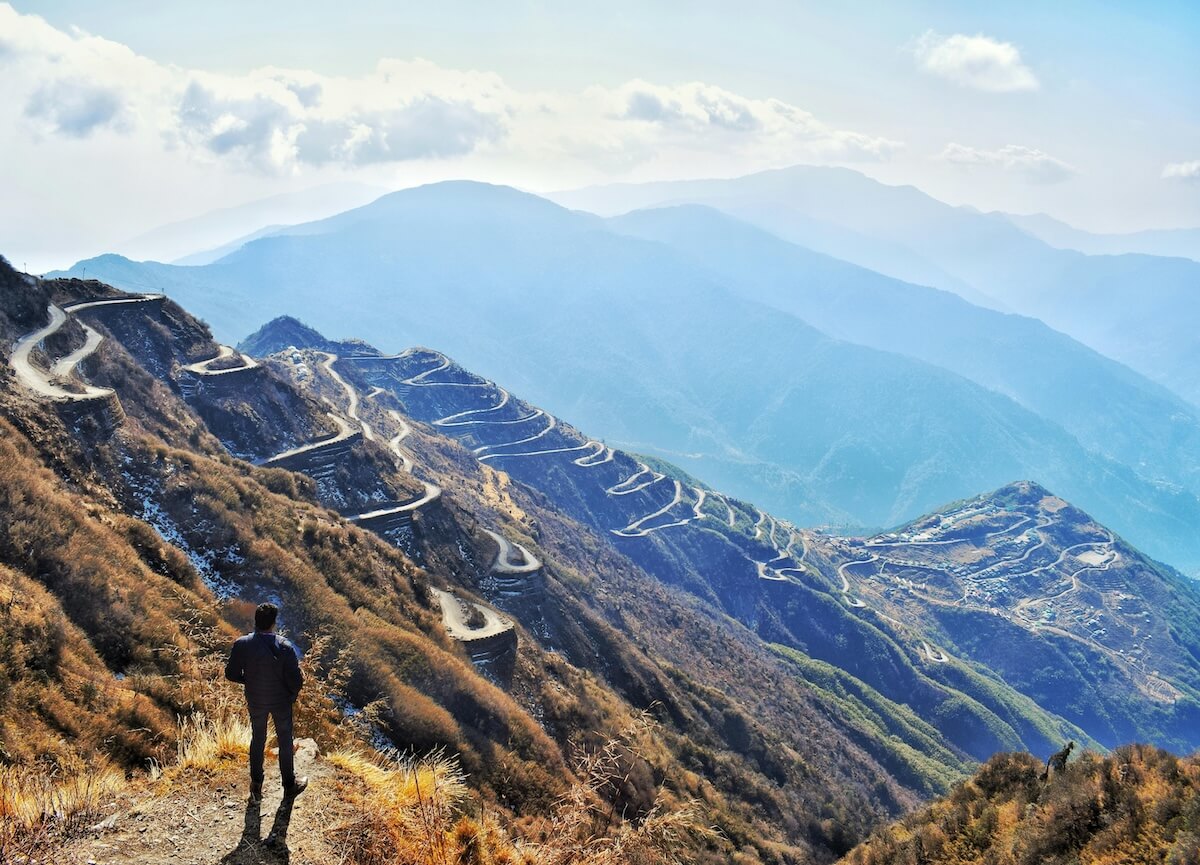
Bolivia's Death Road earned its name from the Inter-American Development Bank, which labeled it the world's most dangerous road in 1995 after estimating 200-300 deaths per year along its 64-kilometer length. The narrow, unpaved track carved into sheer mountainside connected La Paz to the Yungas lowlands, with no guardrails, single-lane sections requiring one vehicle to back up for another, and waterfalls crossing the road surface. Crosses marking accident sites clustered at the worst corners.
Then, inevitably, it became a tourist attraction. When a bypass road opened in 2006, commercial traffic moved to the safer route, and adventure tour operators saw opportunity. Today, thousands of travelers annually descend the Death Road on mountain bikes, trading motor vehicle danger for two-wheeled adrenaline on one of South America's most infamous stretches of asphalt and gravel.
Understanding the Descent
The ride begins at La Cumbre pass, 4,650 meters above sea level, where the air is thin and cold and the landscape is barren Altiplano. From there, you descend through multiple climate zones over roughly four hours of riding, ending in the subtropical Yungas at around 1,100 meters—a drop of 3,500 vertical meters. Few cycling experiences anywhere match this combination of elevation loss, dramatic scenery, and genuine exposure.
The first section, from La Cumbre to the turnoff point, is paved and relatively wide. This is warmup territory—fast descents on sealed road, cold wind cutting through whatever layers you're wearing, views opening up as you drop below the clouds. The pavement ends where the real Death Road begins, and everything changes.
The unpaved section is what you came for and what earns the road its reputation. The surface alternates between packed dirt, loose gravel, mud, and streams flowing across the road from waterfalls above. Width varies from around four meters to sections where two bikes can barely pass. The drop-off side—always on your left, following Bolivian driving rules designed to give uphill drivers the advantage—presents vertical or near-vertical drops with nothing between your wheel and the void.
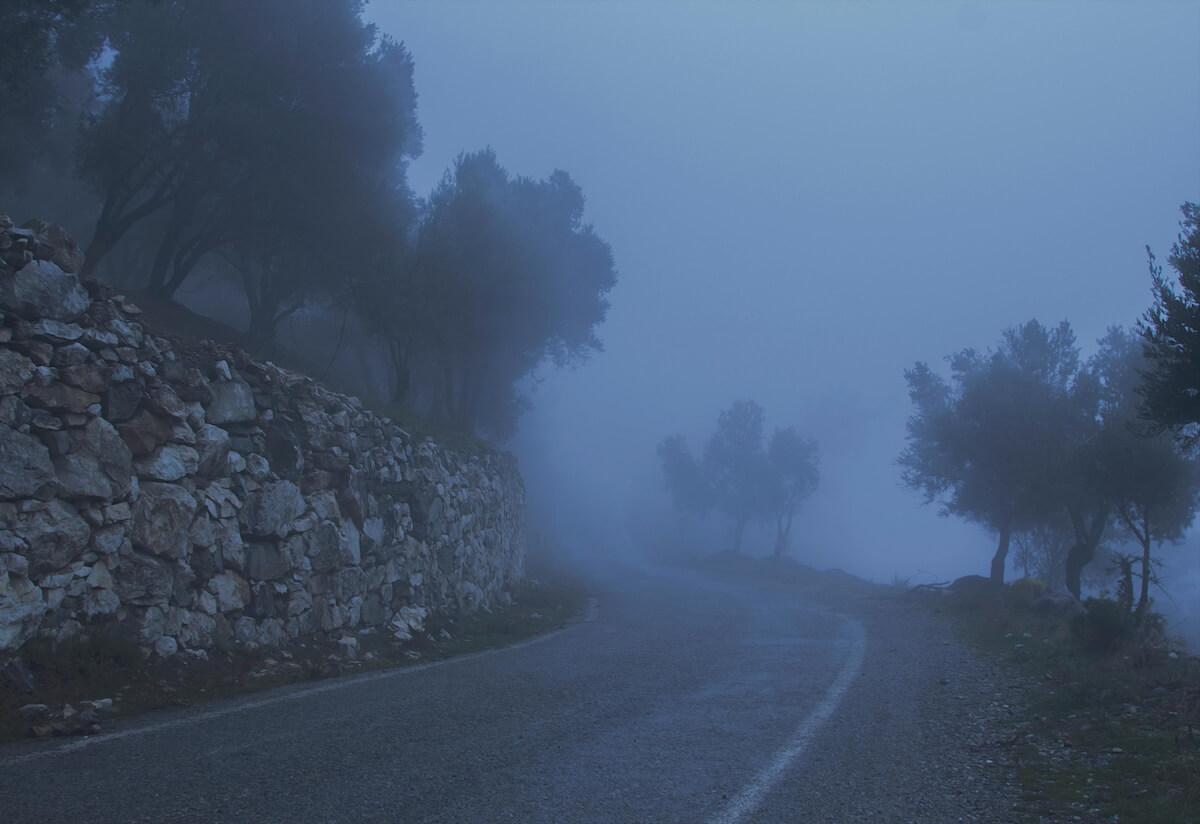
Fog is common, especially in the middle elevations where cloud forest begins. You'll ride through waterfalls that soak you completely. Rocks appear suddenly through the mist. The road surface changes without warning from reasonable grip to slick clay. These aren't theoretical hazards—they're constants that demand attention for the entire descent.
The Risk Reality
People have died cycling the Death Road. Not frequently—perhaps one or two tourists per year in recent times—but it happens. Most fatalities involve excessive speed, inexperience with mountain biking, or equipment failure. The road punishes overconfidence severely; there are no soft crashes when the margin is vertical rock.
The danger, however, is significantly lower than the road's reputation suggests. Commercial traffic has moved to the bypass. Tour operators have years of experience managing groups. Modern mountain bikes with disc brakes handle far better than the vehicles that once navigated this road. And crucially, you control your own speed—unlike passengers in buses that once plunged over the edge.
The risks that remain are real: brake failure from heat buildup, loss of control on loose surfaces, collision with oncoming traffic or other cyclists, and simple mistakes from fatigue or inattention. Taking this ride seriously, following guide instructions, and riding within your abilities addresses most of these. The Death Road rewards caution and punishes recklessness.
Honest self-assessment matters here. If you've never ridden a mountain bike, this is not the place to learn. If your instinct on a steep descent is to grab both brakes hard, you need practice first. If you can't resist the urge to race, you're adding unnecessary risk. The ride is manageable for competent cyclists who respect the environment; it's genuinely dangerous for everyone else.
Choosing an Operator
Operator quality varies dramatically, and this is not the place to save money. The difference between good and bad operators shows up in bike maintenance, guide experience, group sizes, safety equipment, and response protocols when things go wrong. A few dollars saved on tour cost becomes meaningless compared to functional brakes.
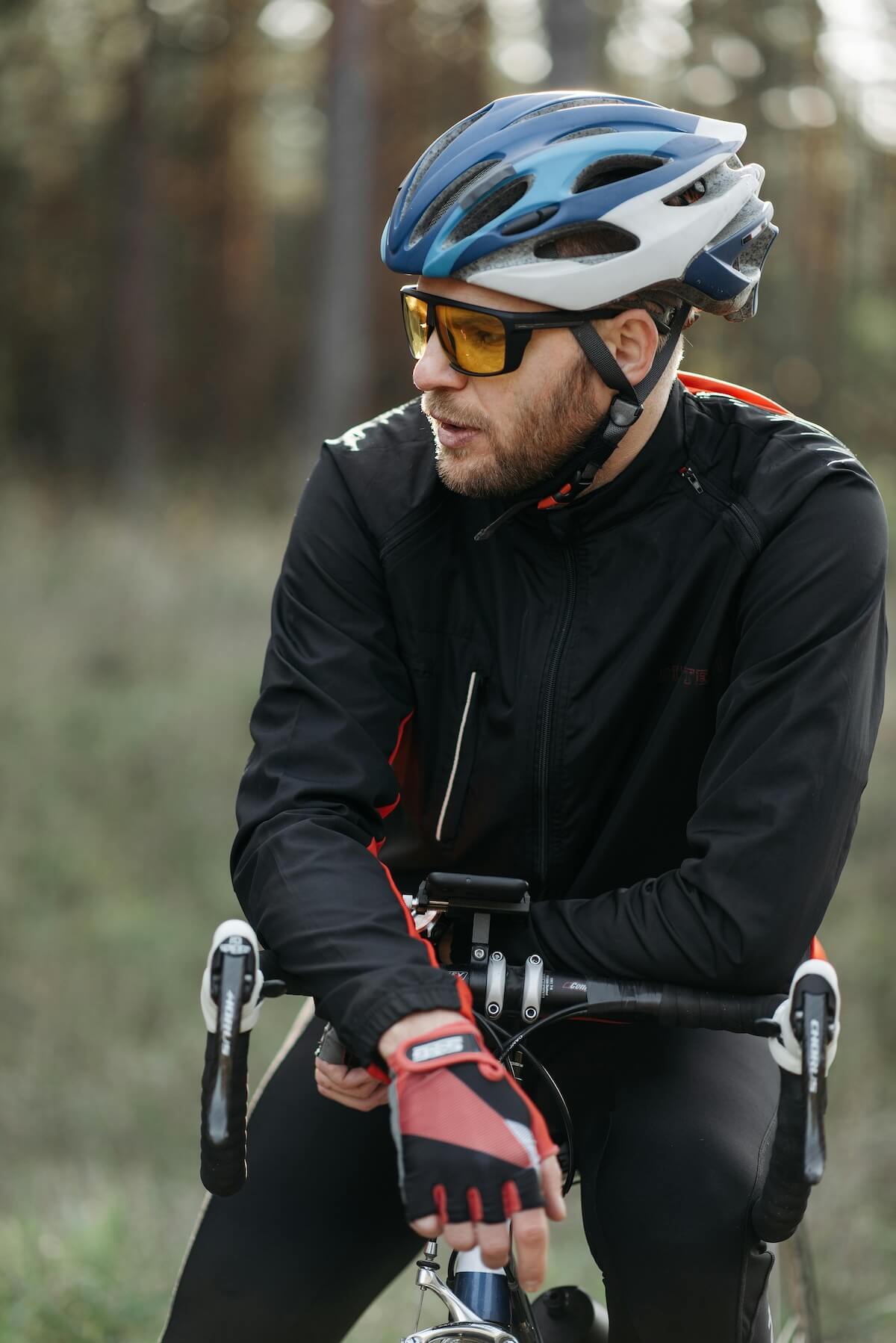
Quality indicators include: full-suspension mountain bikes rather than hardtails, hydraulic disc brakes, full-face helmets (not just standard cycling helmets), elbow and knee pads, guides who actually lead and sweep rather than just driving the support vehicle, small group sizes, and clear safety briefings that cover braking technique, hand signals, and what to do if problems occur.
Expect to pay $80-150 USD for reputable operators in La Paz. Budget tours exist at half this price but cut corners on equipment and guide ratios. Ask specific questions: How old are the bikes? When were brakes last serviced? What's the guide-to-rider ratio? What insurance coverage exists? Operators who answer confidently and specifically are more trustworthy than those who deflect.
Book through your accommodation or based on traveler recommendations rather than accepting offers from street touts. The established operators with good reputations have survived because they don't kill customers. That sounds dark, but it's the relevant metric.
The Day Itself
Tours depart La Paz early, typically around 7 AM. The drive to La Cumbre takes about an hour, climbing through the city's dramatic topography before reaching the stark highland pass. At this altitude, you'll feel the thin air, and the cold will surprise you—temperatures at 4,650 meters in the early morning require serious layering.
The safety briefing covers braking (rear brake dominates, front brake used carefully), hand signals, spacing between riders, what to do when vehicles approach, and how to handle various road conditions. Pay attention. The guides aren't being dramatic—they're sharing information that keeps people alive. The tendency to tune out safety briefings works against you here.
The paved section descent warms you up and also demonstrates your bike's handling. By the time you reach the junction where the old road splits from the new bypass, you should have a feel for the brakes and your own comfort level. This is the point of no return in multiple senses.
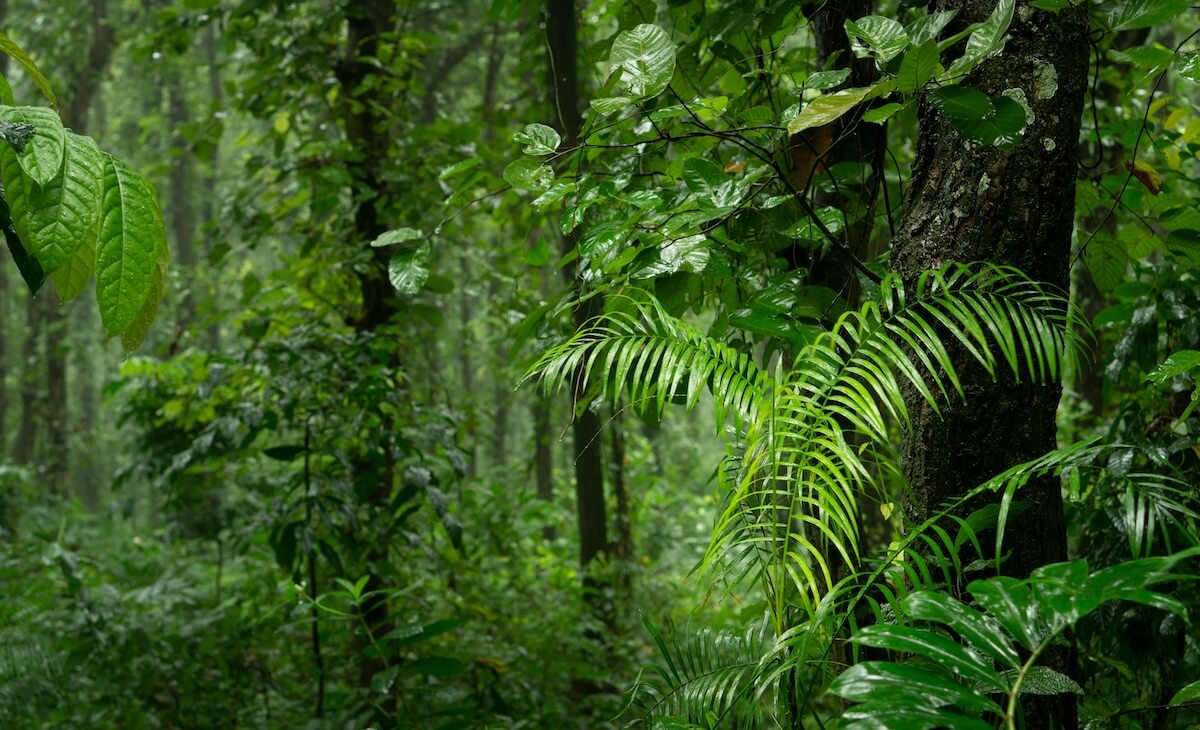
The unpaved descent takes two to three hours depending on group pace and photo stops. The scenery transforms continuously as you drop through climate zones—barren highlands giving way to cloud forest, cloud forest opening into subtropical jungle lush with vegetation. The temperature rises as the altitude falls, and layers come off progressively.
The most exposed sections demand complete focus. Certain corners have earned nicknames from the accidents that occurred there. Crosses and memorials dot the cliffsides. These reminders aren't morbid tourism—they're genuine markers of why caution matters. The road itself is the attraction; dying on it would be a terrible waste.
Most tours end in Yolosa or Coroico, small Yungas towns where lunch, a shower, and a pool await. The contrast between the morning's cold, thin air and the afternoon's tropical warmth feels like arriving in a different country. You've descended nearly the height of the Alps in a single morning.
Who Should Do This
The Death Road suits confident cyclists comfortable with sustained descents, changing surfaces, and genuine exposure. You don't need to be an expert mountain biker, but you need basic bike handling skills, comfort with speed, and the ability to stay focused for several hours. Physical fitness matters less than technical competence—the road is almost entirely downhill.
If your cycling experience is limited to flat paths and city streets, consider practicing on hills and trails before attempting this. If you're genuinely afraid of heights, the exposure may be psychologically difficult regardless of skill level. If you tend toward recklessness when adrenaline kicks in, that tendency could prove fatal here.
Age isn't a barrier—fit 60-year-olds complete the ride regularly—but honest physical assessment is essential. The altitude at the start affects everyone, and several hours of sustained concentration and bike control are more demanding than they might seem.
Practical Details
Bring layers you can remove progressively—the temperature range from start to finish can exceed 30°C. Wear clothes you're willing to get wet and dirty; the waterfalls don't miss. Secure sandals for the pool afterward are worthwhile. Leave valuables at your accommodation in La Paz.
Most operators include transport, bike rental, protective gear, guide services, and lunch in their price. Some include photos and video; others charge extra. Confirm what's included when booking. Tips for guides who kept you alive are appropriate.
The best conditions are typically May through October, the dry season when roads are less muddy and visibility better. The ride operates year-round, but wet season adds mud, reduced visibility, and more waterfall volume. Some consider the extra challenge worthwhile; others prefer drier conditions.
Return to La Paz takes three to four hours by vehicle, ascending back through the climate zones you descended. Many tours stop at animal sanctuaries or viewpoints en route. You'll arrive back in the city by evening, exhausted in the particular way that comes from sustained adrenaline followed by relaxation.
Worth the Risk?
The Death Road's fame rests partly on genuine danger and partly on marketing. The actual risk for cautious cyclists with reputable operators is relatively low—probably comparable to many adventure activities that don't carry such dramatic names. But the consequences of mistakes are absolute in ways that most activities aren't. This isn't bungee jumping with redundant safety systems; this is a road where going over the edge means exactly what it sounds like.
What you get in exchange is one of the world's great descents. The vertical drop is staggering. The scenery transforms from moonscape to jungle in a single morning. The exposure concentrates attention in ways that feel electric rather than exhausting. And there's something to be said for confronting a road that killed hundreds, navigating it successfully, and arriving at the bottom with stories to tell.
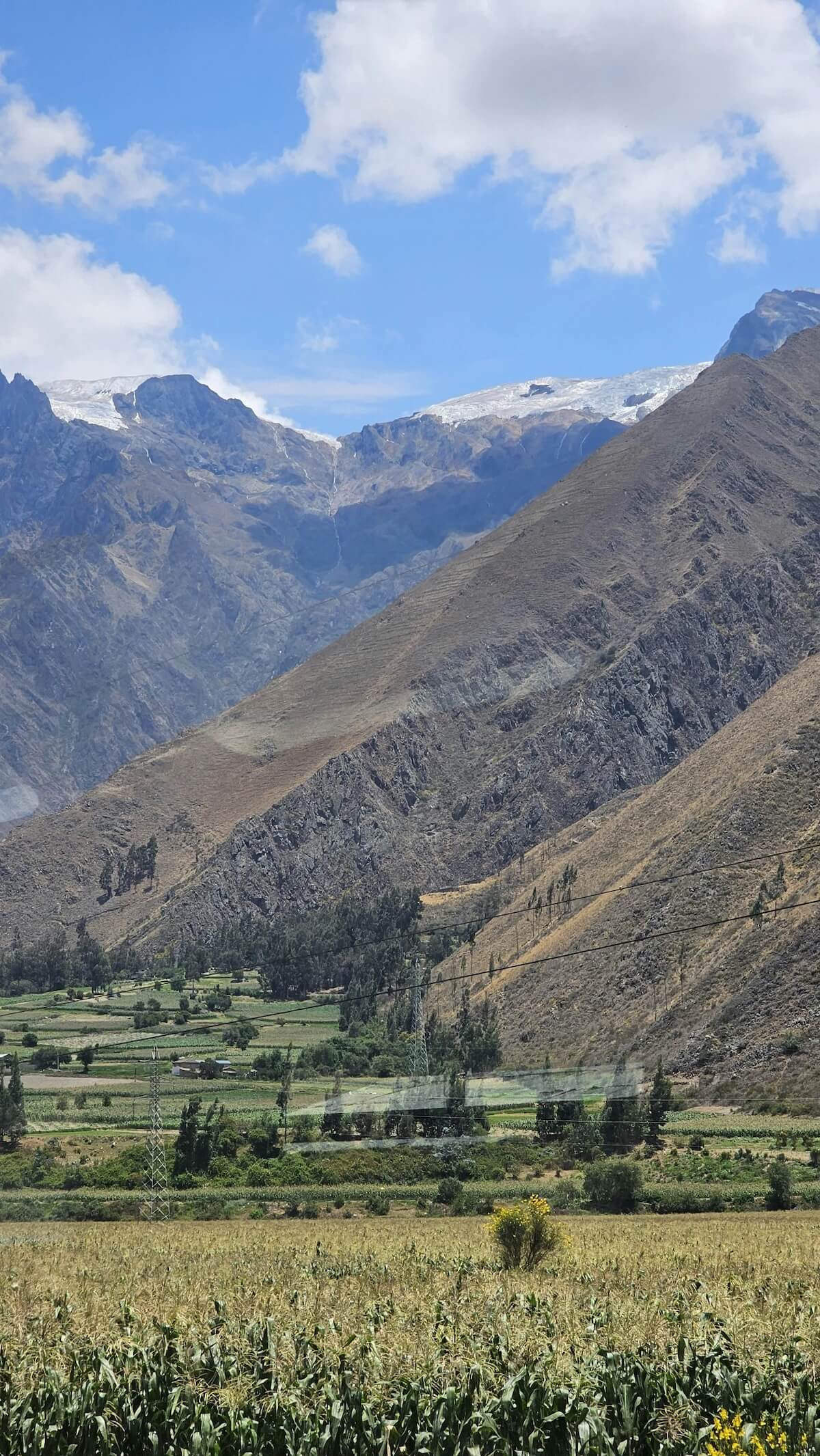
The Death Road isn't for everyone, nor should it be. But for cyclists who want to test themselves against something real, who can manage risk without being paralyzed by it, who want to descend through three climate zones on a road that legitimately earned its reputation—there's nothing quite like it. Just keep your weight back, your eyes forward, and your speed honest. The road doesn't forgive much, but it rewards those who give it proper respect.


Comments
How did this story make you feel?
No comments yet. Be the first to share your thoughts!