Rafting the Zambezi: One Day on Africa's Most Legendary Rapids
Below Victoria Falls, the Zambezi River turns into one of the world's premier white water destinations. Here's what it's actually like to spend a day crashing through Class V rapids in the Batoka Gorge.
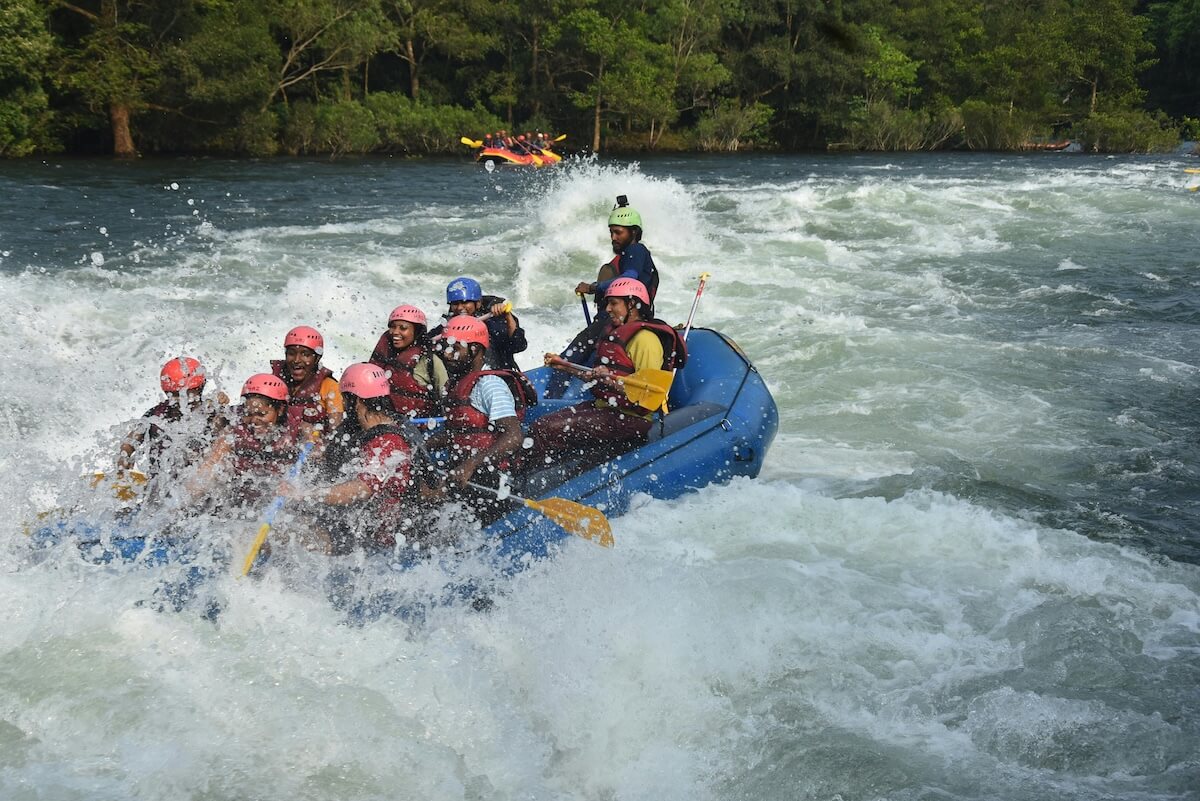
The raft flips so fast you don't have time to be scared. One moment you're paddling hard right, the guide screaming commands over the roar of water. The next moment the river wins, and you're underwater in the churning foam of Rapid Number 7, nicknamed The Terminator, wondering which way is up. Then the life jacket does its job, you break the surface gasping, and your guide is already hauling you back into the raft, grinning. Welcome to the Zambezi.
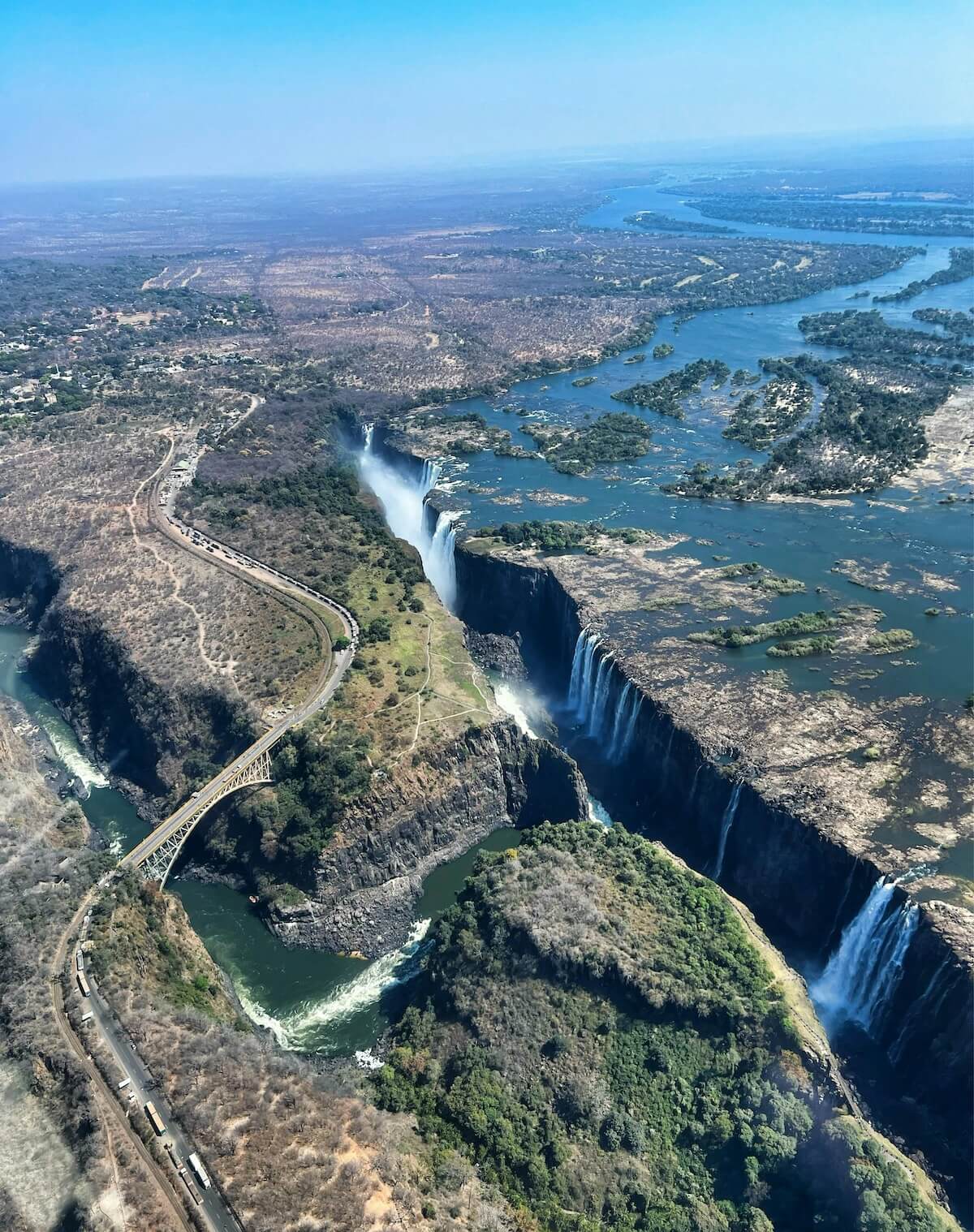
The section of the Zambezi River immediately below Victoria Falls ranks among the finest one-day white water runs on Earth. Over roughly 25 kilometers, the river drops through the Batoka Gorge, creating a concentrated sequence of Class III to Class V rapids that draws paddlers from around the world. This isn't a gentle float trip. This is proper white water, demanding respect and rewarding courage with one of the most exhilarating days you can have in a boat.
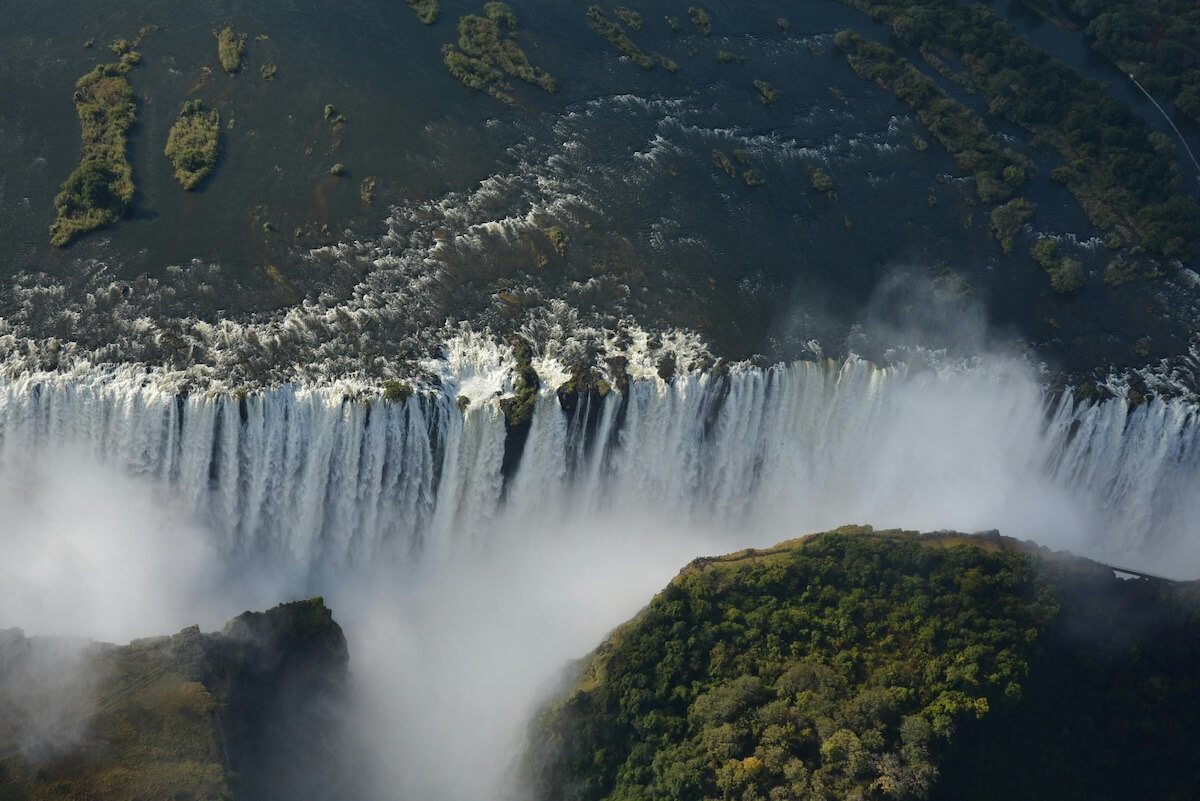
What makes the Zambezi special isn't just the difficulty—though that's considerable—but the combination of factors. The rapids are dramatic and consistent. The water is warm year-round, so flips feel like adventures rather than ordeals. The gorge itself provides stunning basalt cliff scenery. And Victoria Falls, one of the world's great natural wonders, roars just upstream, adding context to every wave. Few rivers offer this complete package.
Understanding the Run
The commercial rafting section starts below the falls, accessed from either the Zambian or Zimbabwean side (both operate similar trips). The river here has dropped through the falls and enters the Batoka Gorge, where basalt walls rise hundreds of feet on either side, concentrating the massive water volume into a relatively narrow channel. This geography creates the rapids.
Most commercial trips cover rapids numbered 1 through 18 or 25, depending on the operator and water levels. The lower numbers are closer to the falls; higher numbers progress downstream. Water levels fluctuate seasonally—the Zambezi is biggest from February through July after the rainy season, lower from August through January. Both conditions offer excellent rafting, but the character differs. High water means bigger waves but some rapids wash out into fast-moving current. Low water exposes more technical rock gardens and maintains the most challenging features.
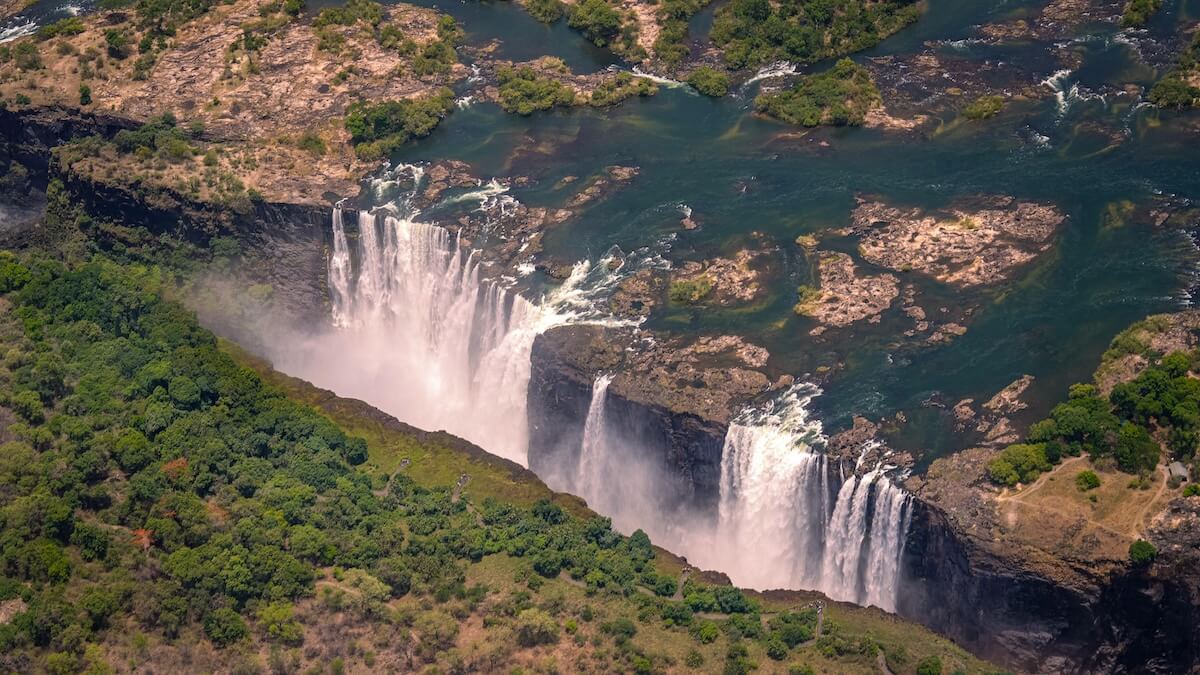
The rapids themselves have earned reputations and nicknames that reflect their character. Morning Glory (Rapid 4) is often the first major test, a long wave train that sets the tone. Stairway to Heaven (5) follows quickly. The Terminator (7) lives up to its name—a steep, powerful drop that flips rafts regularly. Gnashing Jaws of Death (9), Commercial Suicide (14), and Oblivion (18) continue the ominous naming tradition, though the names are more marketing than mortal warning. These rapids demand attention and respect but are run safely thousands of times per season.
A Day on the River
Full-day trips typically begin with pickup from your accommodation around 7 AM. After a safety briefing and equipment fitting—helmet, life jacket, paddle—you'll either hike down into the gorge or take a vehicle to the put-in point. The hike down is steep and memorable, dropping several hundred feet on switchback trails cut into the gorge walls. Consider this the warmup; you'll appreciate the scenery more on the way up when you're too tired to complain.
Rafts hold six to eight paddlers plus a guide who steers from the back and calls commands. You'll receive a crash course in the basics: forward paddle, back paddle, get down (bracing for impact), and how to hold on when everything goes sideways. The commands are simple because there's no time for complexity when you're approaching a wall of white water.
The first rapids build confidence. They're exciting enough to get your heart rate up but manageable enough that your team finds its rhythm. Then the river steps up. By Rapid 4 or 5, you understand that this is serious water. By Rapid 7, you've likely experienced your first flip—if not, you're either very skilled or very lucky. The river has a way of humbling everyone eventually.
Between rapids, the river calms into pools where you catch your breath, drink water, and watch the gorge walls slide past. Guides share stories and point out features. Sometimes you'll see wildlife along the cliffsides—baboons are common, and birds of prey circle overhead. These quiet stretches provide necessary recovery before the next chaos.
Lunch happens on a sandy beach mid-gorge, and after hours of adrenaline, the simple spread of sandwiches tastes exceptional. Then back in the rafts for the afternoon session, often including some of the run's biggest rapids. By late afternoon, you've covered the full section and face the final challenge: climbing back out of the gorge. The hike up is harder than it sounds after a day of paddling, but the sense of accomplishment at the top is genuine.
The Flip Question
You will probably flip. This isn't pessimism; it's probability. The Zambezi's biggest rapids flip rafts regularly, even with experienced crews paddling hard and guides reading lines perfectly. Some rapids have flip rates above 50 percent. Accepting this reality in advance transforms the experience—flipping becomes part of the adventure rather than a failure.
When the raft goes over, your job is simple: hold your breath, protect your head, let the life jacket bring you up, and listen for your guide's whistle signaling which direction to swim. Guides are trained in swift-water rescue and have throw bags ready. Unless you're separated far downstream, you're typically back in the raft within minutes, exhilarated and ready for the next rapid.
The Zambezi's warm water makes swims relatively pleasant. You're not fighting hypothermia or gasping from cold shock. The biggest risks are hitting rocks (hence the helmet) and swimming too close to the next rapid. Follow your guide's instructions, stay calm, and trust your equipment. Thousands of people swim these rapids every year without serious injury.
Who Should Do This
The Zambezi isn't a beginner river, but it doesn't require previous rafting experience either. What it requires is reasonable fitness, swimming ability, and genuine comfort with risk. If being underwater and uncertain which way is up sounds terrifying rather than exciting, this might not be your adventure. If that sounds like exactly the kind of controlled chaos you're seeking, you're in the right place.
Most operators set minimum ages around 15-16, though this varies with water levels. Maximum age is generally fitness-dependent rather than number-dependent—plenty of fit 60-year-olds run the Zambezi successfully. The physical demands include paddling hard on command (arms and core), hiking steep trails (legs and cardio), and swimming in current if you flip (general fitness). You don't need to be an athlete, but this isn't a passive sightseeing float.
Health conditions matter. Heart problems, back problems, pregnancy, and recent surgeries typically disqualify participants. Operators ask about medical history for good reason—the physical forces involved are real. Be honest on the waivers; these aren't legal formalities but actual safety questions.
Practical Considerations
Full-day trips from either Victoria Falls (Zimbabwe) or Livingstone (Zambia) run $150-200 USD per person including transport, equipment, lunch, and professional photos/video of your run. The photo packages are worth considering—action cameras on helmets and photographers stationed at major rapids capture moments you'll want to remember. Budget operators exist but aren't recommended; on serious white water, guide quality and equipment maintenance matter.
Bring swimwear, sunscreen (waterproof, generously applied), secure sandals or water shoes with heel straps, and a change of clothes for afterward. Leave jewelry, watches, and anything you can't afford to lose at your accommodation. Glasses need a secure strap; contacts are generally fine. Most operators provide dry bags for small items, but assume everything on your person will get thoroughly wet.
The best time for rafting is generally August through December—water levels have dropped enough to expose the best features, and weather is warm and dry. February through April sees the highest water after rainy season, with bigger waves but some rapids washing out. May through July is transitional. Operations run year-round except during extreme flood conditions, typically a few weeks in late March or April. Book at least a day in advance during peak season (August-October).
Both Zimbabwe and Zambia offer equivalent rafting experiences—the river is the border, and you'll often cross back and forth during the run. Choose your base based on other factors: Victoria Falls town (Zimbabwe) has more tourist infrastructure and nightlife; Livingstone (Zambia) is quieter and slightly cheaper. Both provide easy access to viewing the falls themselves, which you should absolutely do before or after your rafting day.
The Bigger Picture
A dam has been proposed for the Batoka Gorge for decades. If built, it would flood much of this section, drowning the rapids that make the Zambezi famous. Development pressures and power needs make the dam periodically likely, then unlikely, then likely again. Nothing has been built yet, but nothing is guaranteed either. This isn't a reason to rush your trip, but it's context worth knowing—the Zambezi's rafting section exists in a window that may not stay open forever.
For now, the river runs as it has for millennia, carving deeper into basalt, creating the features that challenge and reward paddlers from around the world. The Zambezi doesn't care about your skill level or your fears or your bucket list. It simply flows, powerful and indifferent, offering one of the world's great adventure experiences to anyone willing to grab a paddle and hold on.
That night, back at your accommodation, muscles you didn't know you had will announce themselves. Your arms will be tired from paddling, your legs from hiking, your core from bracing. You'll have stories that sound exaggerated but aren't—the raft really did flip that dramatically, you really did swim through that chaos, the walls really were that high. And somewhere in the middle of recounting the day, you'll realize you're already wondering when you can do it again.


Comments
How did this story make you feel?
No comments yet. Be the first to share your thoughts!