Everest Base Camp: Two Weeks in the Shadow of the World's Highest Peak
A complete guide to trekking Everest Base Camp—from the terrifying Lukla flight to acclimatization strategy and what it feels like to stand beneath the world's most famous mountain.
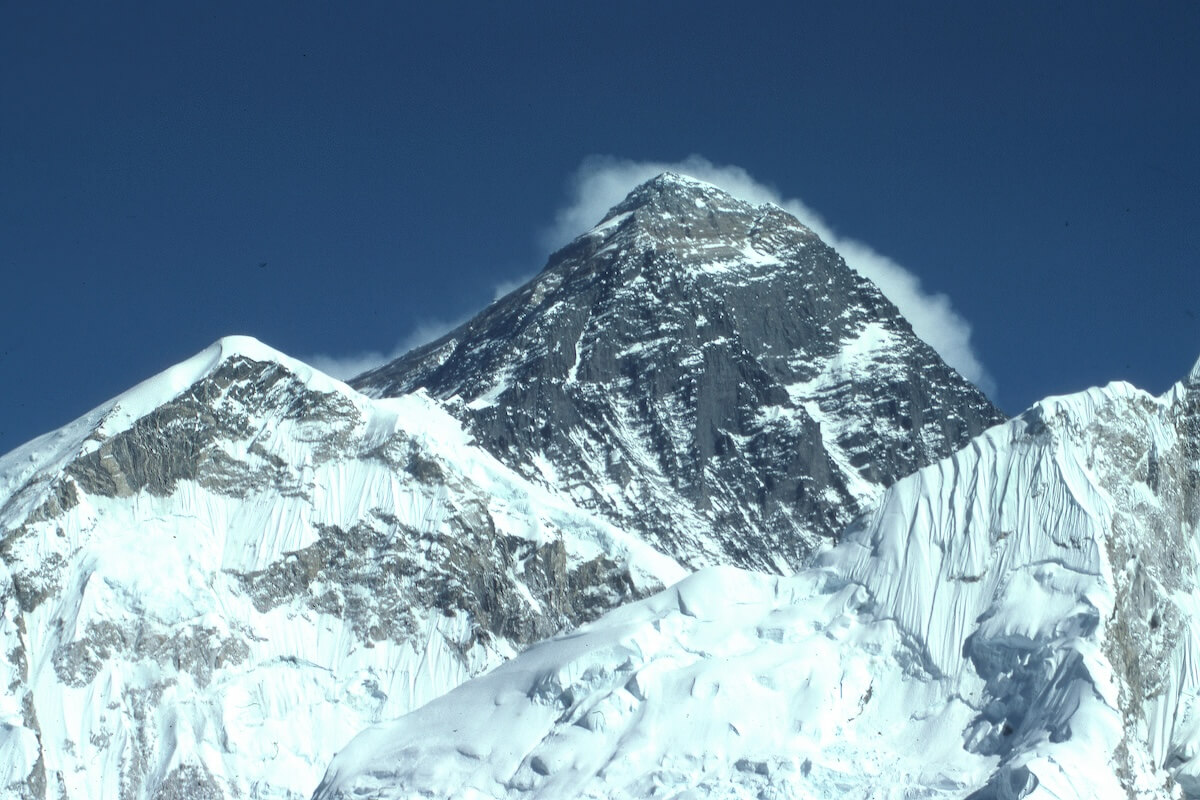
The alarm goes off at 4 AM in Gorak Shep, the highest settlement on the trail. Outside, it's brutally cold—temperatures hover around minus fifteen. Your head pounds from the altitude; sleep at 5,164 meters is more like a series of brief blackouts between gasps for air. But none of that matters now. You layer every piece of clothing you brought, click on your headlamp, and step into the darkness for the final push to Kala Patthar. When you reach the summit two hours later, chest heaving, fingers numb, the sun crests the eastern ridgeline and ignites the summit pyramid of Everest in gold. You're standing at 5,545 meters, watching the highest point on Earth catch the morning light. This is why people walk for two weeks through the Himalayas.
The Everest Base Camp trek is arguably the world's most famous hike—a journey through the Khumbu Valley that takes you from subtropical forest to glacial moraine, through Sherpa villages and past Buddhist monasteries, culminating at the staging ground where climbers prepare to assault the world's tallest mountain. Unlike actually climbing Everest (which costs $50,000+ and requires serious mountaineering skills), the trek to base camp is achievable for anyone with reasonable fitness and the willingness to walk five to seven hours daily at altitude.
The Numbers
The classic Everest Base Camp trek covers approximately 130 kilometers round-trip over 12-14 days. You'll start at Lukla (2,860 meters) and climb to Everest Base Camp at 5,364 meters, with a side trip to Kala Patthar at 5,545 meters for the best views. Total elevation gain across the trek exceeds 2,500 meters, though you'll actually climb and descend far more than that due to the undulating terrain. About 40,000 trekkers complete the route each year.
Success rates depend heavily on itinerary length. Treks of 12-14 days with proper acclimatization days see completion rates above 85%. Shorter itineraries—some operators offer 10-day versions—have significantly higher failure rates, with altitude sickness forcing many trekkers to turn back. The mountain doesn't negotiate: give your body time to adapt, or it will stop you.
The Lukla Experience
Your trek begins with one of the world's most notorious flights. Lukla's Tenzing-Hillary Airport sits on a mountain shelf at 2,860 meters, with a runway just 527 meters long—roughly one-tenth the length of a typical international runway. The strip ends at a stone wall on one end and drops into a valley on the other. There's no go-around option for pilots. You land correctly, or you don't land.
The flight from Kathmandu (or increasingly from Ramechhap during peak season) takes about 40 minutes and offers heart-stopping views of the Himalayan range—if the weather cooperates. Flights only operate in clear conditions, which means delays are common. Experienced trekkers build buffer days into their itineraries for exactly this reason; getting stranded in Lukla waiting for weather is practically a rite of passage.
Day by Day Through the Khumbu
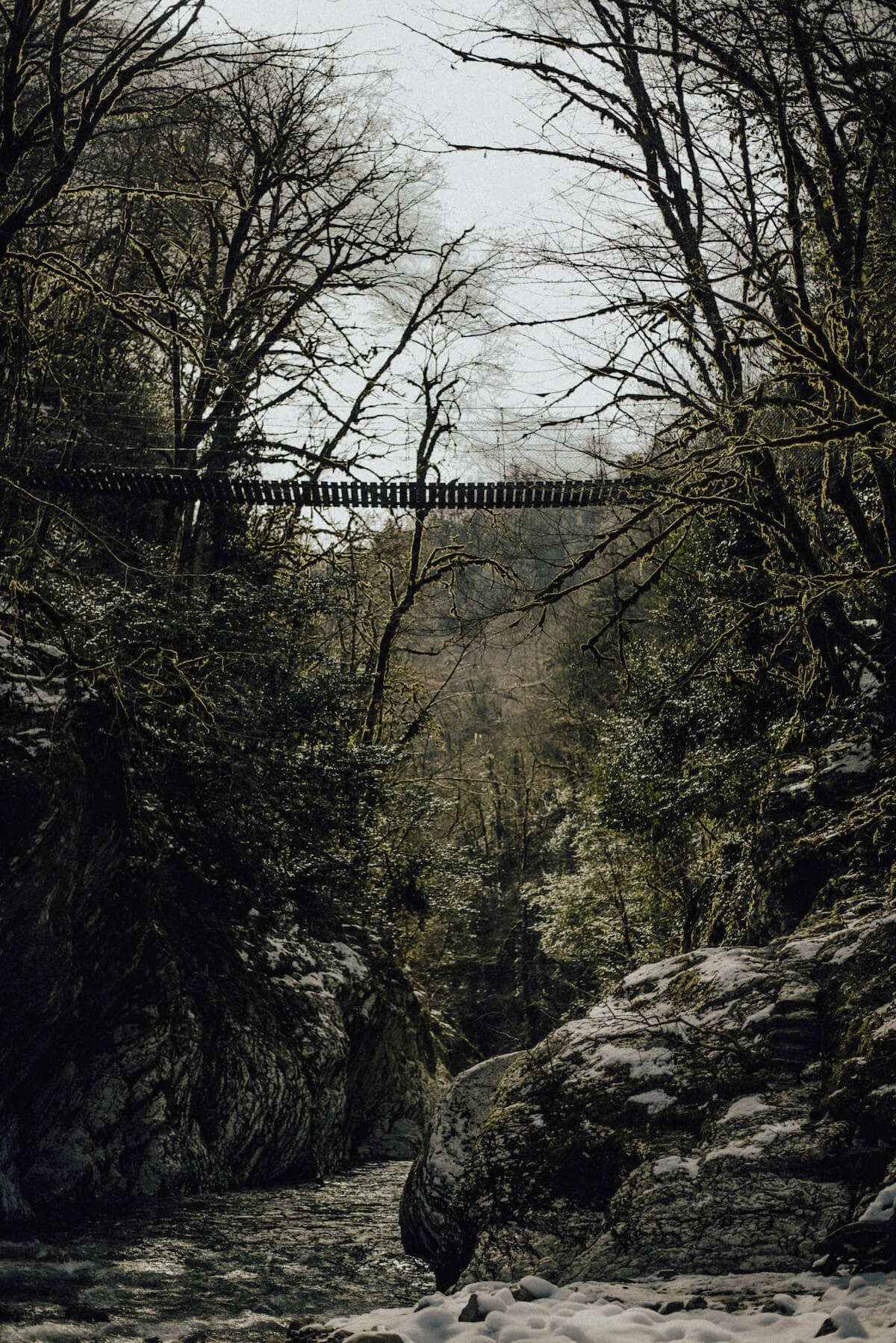
The first day from Lukla to Phakding is intentionally easy—a gradual descent along the Dudh Koshi River, passing through small villages and crossing your first suspension bridges. It's a warm-up day, maybe three to four hours of walking, designed to let your body begin adjusting to the altitude while you find your trekking rhythm.
Day two delivers the first real challenge: the climb to Namche Bazaar. The morning starts gently, following the river through pine forest and crossing increasingly dramatic suspension bridges. Then comes Namche Hill—a relentless 600-meter ascent that takes most trekkers two to three hours of steady climbing. When you finally crest the ridge and see Namche spread across its amphitheater of terraced hillside, you'll understand why Sherpas call it the gateway to Everest.
Namche Bazaar (3,440 meters) is where you'll spend your first acclimatization day—and it's worth every hour. This bustling Sherpa town has evolved into a surprisingly cosmopolitan outpost: gear shops selling everything you forgot to pack, bakeries serving real espresso, internet cafes, even a small Irish pub. Use your rest day to hike up to the Everest View Hotel for your first proper look at the mountain, or explore the Sherpa museum and local monasteries. The goal is to climb high during the day, then return to sleep at Namche's elevation.
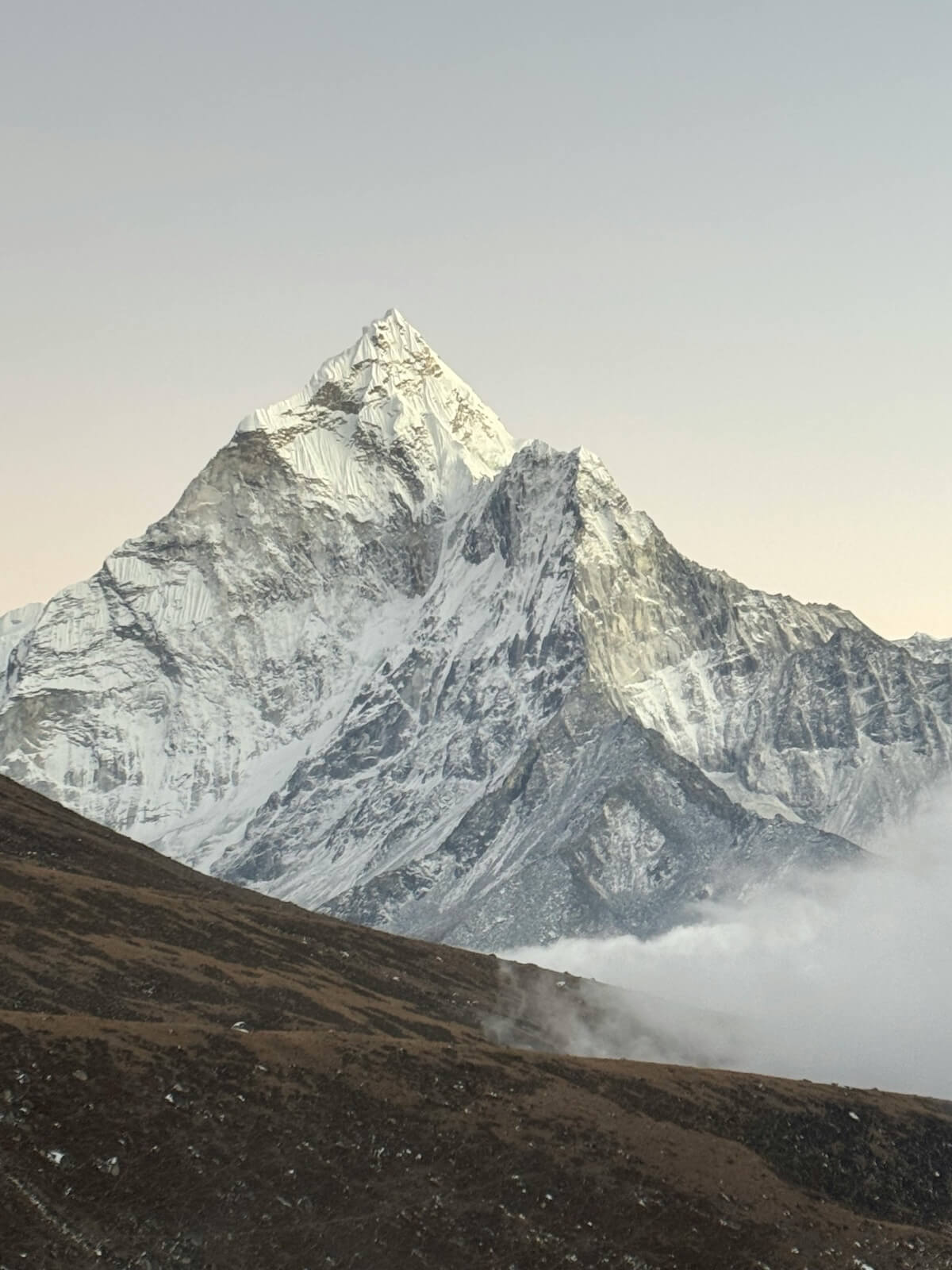
From Namche, the trek continues through increasingly dramatic terrain. You'll descend to cross the Dudh Koshi again, then climb to Tengboche (3,870 meters), home to the most important monastery in the Khumbu. The monastery itself is worth an hour's exploration, and the views of Ama Dablam—many people's favorite Himalayan peak—are extraordinary. Another day takes you to Dingboche (4,410 meters), where you'll spend a second crucial acclimatization day hiking to viewpoints above 5,000 meters.
The High Country
Above Dingboche, the landscape transforms. The last trees disappeared days ago; now you're walking through high-altitude desert, past memorial cairns for climbers who didn't return from the mountain. The trail climbs to Lobuche (4,910 meters), then pushes on to Gorak Shep (5,164 meters), the final settlement before base camp. Here, at an elevation higher than Mont Blanc's summit, you'll spend your last night before the final push.
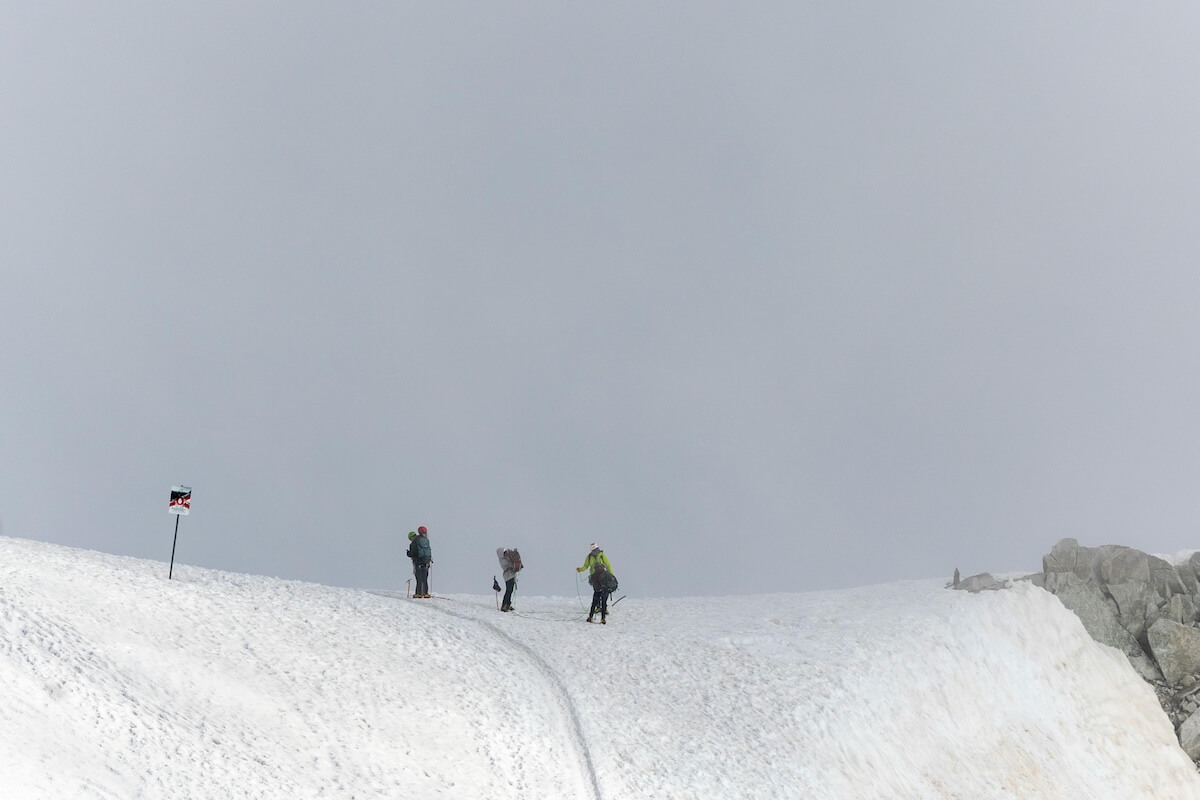
Everest Base Camp itself sits at 5,364 meters on the Khumbu Glacier. During climbing season (April-May and September-October), it's a city of colorful expedition tents, buzzing with activity as teams prepare for summit attempts. Outside climbing season, it's a windswept expanse of rock and ice. Either way, the location is humbling—you're standing at the foot of a mountain that has claimed over 300 lives, surrounded by ice formations and seracs, looking up at the Khumbu Icefall where so many climbing tragedies have occurred.
But here's the thing: the view from base camp isn't actually that impressive. You're too close to the mountain, surrounded by glacier, and can't see the summit. That's why most itineraries include an early morning hike to Kala Patthar (5,545 meters), a rocky viewpoint that offers the classic Everest panorama. This pre-dawn slog is brutal—you're exhausted, altitude-sick, and frozen—but watching sunrise illuminate the world's highest peak is a memory that lasts forever.
Altitude: The Real Challenge
Fitness is not the primary challenge of this trek. Reasonably active people who can walk five to seven hours daily will be fine. The challenge is altitude—specifically, whether your body can adapt fast enough to function at elevations where the air contains 50% less oxygen than at sea level.
Acute Mountain Sickness (AMS) affects roughly 50-75% of trekkers at some point on the EBC route. Symptoms include headache, nausea, fatigue, dizziness, and loss of appetite. For most people, these remain manageable annoyances that pass as acclimatization improves. For some, AMS progresses to life-threatening conditions: High Altitude Pulmonary Edema (HAPE) fills your lungs with fluid; High Altitude Cerebral Edema (HACE) causes brain swelling. Both require immediate descent and can kill within hours if untreated.
Your best defenses are time and hydration. Choose an itinerary with at least two acclimatization days (typically at Namche and Dingboche). Drink three to four liters of water daily. Walk slowly—pole pole, as they say on Kilimanjaro. Many trekkers take acetazolamide (Diamox), a prescription medication that helps the body adapt faster; consult your doctor before your trip. Watch for symptoms in yourself and your companions. And remember: turning back is not failure. Altitude sickness can strike anyone regardless of fitness or prior altitude experience.
Permits and Practicalities
The permit situation for the Everest region simplified in recent years. You'll need two permits: the Sagarmatha National Park Entry Permit (NPR 3,000, roughly $25 USD) and the Khumbu Pasang Lhamu Rural Municipality Permit (NPR 2,000, roughly $17 USD). The old TIMS card requirement has been eliminated for this region. Both permits can be obtained in Kathmandu or at checkpoints in Lukla and Monjo, though getting them in Kathmandu saves time.
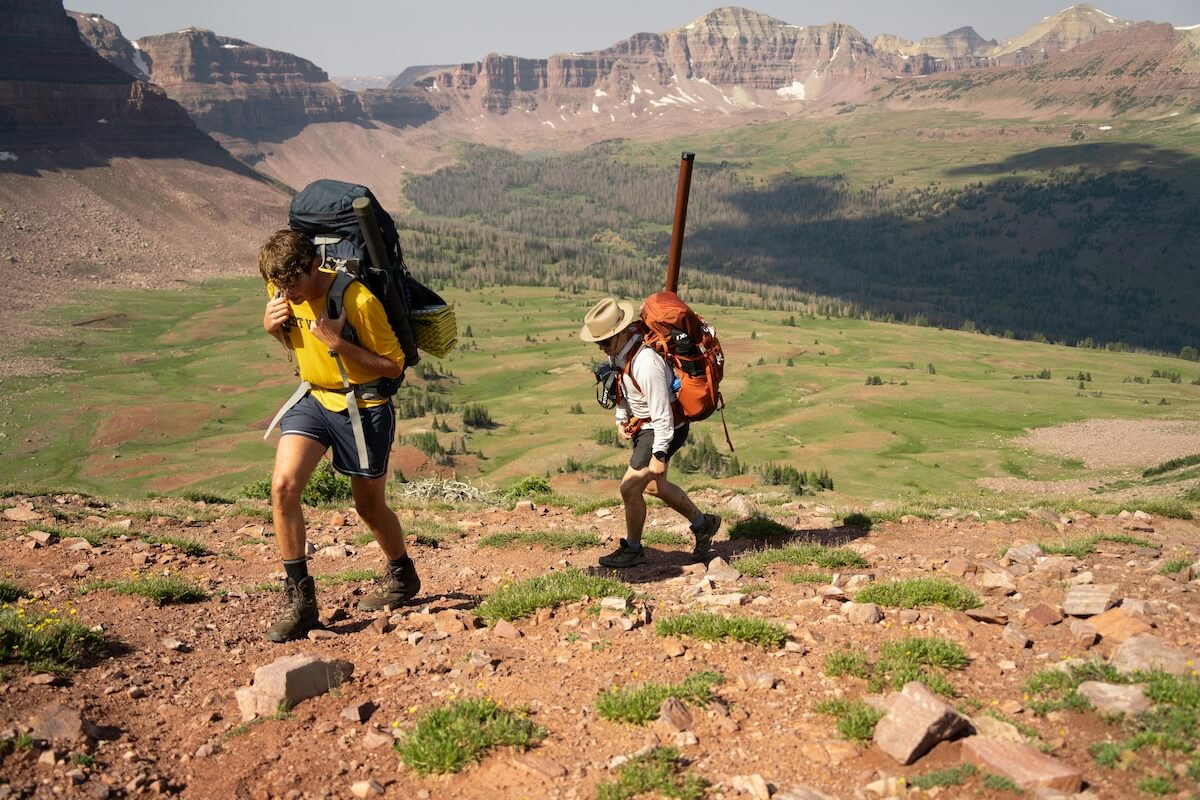
Unlike some other treks in Nepal, you can legally trek to Everest Base Camp independently—no guide required. That said, most trekkers choose to go with an organized group or hire a guide and porter. The benefits are substantial: guides know the route, speak the language, and can help in emergencies. Porters carry your main bag (typically up to 15 kg), letting you walk with just a daypack. For first-time Himalayan trekkers, the peace of mind is worth the cost.
What You'll Spend
Costs vary dramatically depending on how you trek. Independent trekkers managing their own logistics can complete the route for $800-1,200 USD including flights, permits, accommodation, and food. Budget group treks with a Nepali operator typically run $1,000-1,500 USD for a full package. Western-operated or luxury treks with superior accommodation and guides can reach $3,000-5,000 USD.
- Lukla flights (round-trip from Kathmandu): $350-400 USD
- Permits (Sagarmatha + Khumbu): ~$45 USD total
- Teahouse accommodation: $5-15 per night
- Meals: $20-35 per day
- Guide: $25-35 per day
- Porter: $20-25 per day
- Tips: $100-200 total for guide and porter
Teahouse costs increase with altitude. A room in Phakding might be $5; the same basic room in Gorak Shep could be $15-20. Food follows the same pattern—everything has to be carried up by porters or yaks, and prices reflect that. Charging devices costs extra ($3-5 per charge), as does hot water and Wi-Fi. Budget an extra $100-150 for miscellaneous expenses beyond the basics.
Teahouse Life
Forget camping—unless you specifically book a camping trek, you'll sleep in teahouses every night. These family-run lodges vary from surprisingly comfortable (at lower elevations) to basic but adequate (at higher elevations). Expect a private room with two beds, thin mattresses, and plenty of blankets. Walls are typically plywood, so you'll hear your neighbors. Bathrooms range from attached Western toilets to shared squat toilets. Hot showers are available at lower elevations for an additional fee; above Dingboche, most people skip bathing entirely.
Common areas center around a central stove—often fueled by dried yak dung—where trekkers gather in the evenings to eat, play cards, and share stories. The food is basic but plentiful: dal bhat (rice with lentil soup and vegetables), noodle soups, fried rice, pasta, and potatoes in various preparations. Many trekkers eat dal bhat twice daily; it's cheap, nutritious, and includes free refills. Western food is available but less reliable. Above all, avoid meat at high altitude—refrigeration is inconsistent, and food poisoning when you're days from medical care is no joke.
When to Go
The Everest region has two main trekking seasons. Spring (March-May) offers warming temperatures, blooming rhododendrons at lower elevations, and the excitement of climbing season at base camp. Autumn (September-November) provides the clearest skies and most stable weather, making it the most popular time—and the most crowded. October especially can feel like a superhighway on the main trail.
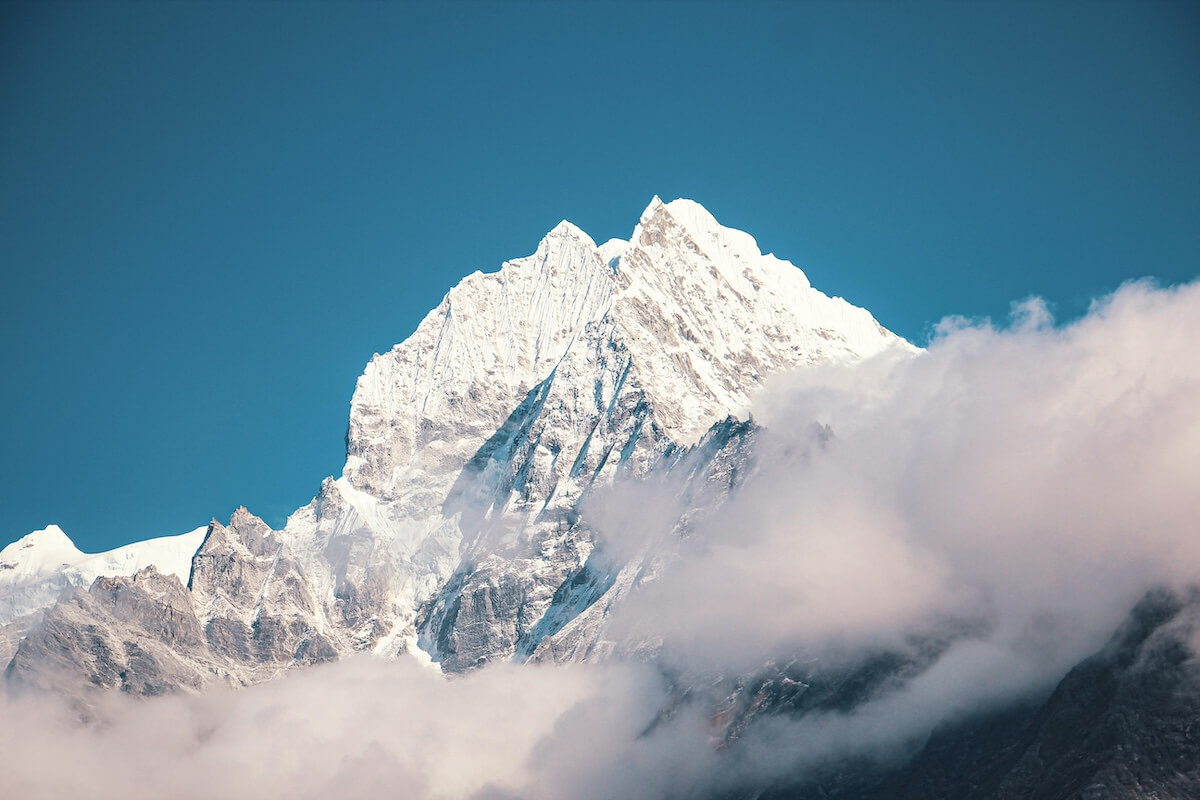
Winter (December-February) is cold and quiet. Fewer trekkers mean more authentic teahouse experiences, but temperatures at high elevation can drop to minus 20°C or colder at night. Some teahouses close. It's a season for experienced trekkers who don't mind challenging conditions. Monsoon season (June-August) brings daily rain, leeches at lower elevations, and obscured views—generally not recommended unless you specifically enjoy suffering.
The Cultural Dimension
The Everest Base Camp trek isn't just a physical journey—it's an immersion into Sherpa culture. This Tibetan Buddhist community has called the Khumbu home for centuries, and their villages, monasteries, and way of life are integral to the trekking experience. You'll pass mani walls inscribed with prayers (always keep them on your right), spin prayer wheels, and hear monks chanting at monasteries perched on impossible ridgelines.
The Sherpas' relationship with mountaineering is complex. They've become synonymous with Himalayan climbing—their name is now a job title as much as an ethnic identity—and many families have lost members to the mountains. Tengboche Monastery holds memorial ceremonies for fallen climbers. Yet the trekking and climbing industry has also brought unprecedented prosperity to the region, funding schools, hospitals, and infrastructure. Treat your guides, porters, and teahouse hosts with respect; their hospitality makes your adventure possible.
What They Don't Tell You
Sleep deteriorates dramatically above 4,000 meters. Periodic breathing—where your breathing stops briefly during sleep—is common and terrifying the first time it happens. You'll wake gasping, convinced something is wrong. It's normal at altitude, but it means you'll arrive at each day's destination already exhausted from the previous night.
The descent is faster but not easier. You'll cover in four days what took eight days going up, and the relentless downhill batters your knees and toes. Trekking poles are essential. Tape your toes if they're hitting the front of your boots. By the time you reach Lukla, you'll be dreaming of flat ground.
The trail has changed. What was once a remote wilderness experience is now a well-trodden tourist route. The main path sees thousands of trekkers during peak season. Teahouses have Wi-Fi. You can charge your phone. This accessibility is both blessing and curse—it makes the trek safer and more comfortable, but don't expect pristine solitude. If you want fewer crowds, consider the shoulder seasons or alternative routes like the Three Passes Trek.
But here's what else they don't tell you: standing at Kala Patthar at sunrise, watching the first light hit Everest's summit pyramid while the valley below remains in shadow, is one of those moments that reorganizes your sense of what's possible. You walked here. You climbed through your own exhaustion and discomfort and doubt. The mountain doesn't care about your ambitions or your Instagram, but it rewards those who approach it with patience and respect. Two weeks of walking through the most dramatic landscape on Earth, sleeping in villages where prayer flags snap in the wind, earning every meter of altitude—that's an experience that stays with you. The Himalayas have a way of making everything else feel small.


Comments
How did this story make you feel?
No comments yet. Be the first to share your thoughts!