Tunisia: North Africa Without the Crowds (Or Morocco's Prices)
While Morocco gets all the attention, Tunisia quietly offers Roman ruins that rival anything in Italy, Sahara access at half the cost, and Mediterranean beaches nobody's heard about.
Every year, hundreds of thousands of travelers descend on Morocco. They photograph the blue streets of Chefchaouen, haggle in Marrakech's souks, and take camel rides into the Sahara that cost $200 minimum. Meanwhile, next door, Tunisia offers essentially the same experiences—better Roman ruins than anywhere except Rome itself, equally dramatic desert landscapes, blue-and-white towns that preceded Instagram by centuries—for half the price and a fraction of the crowds.
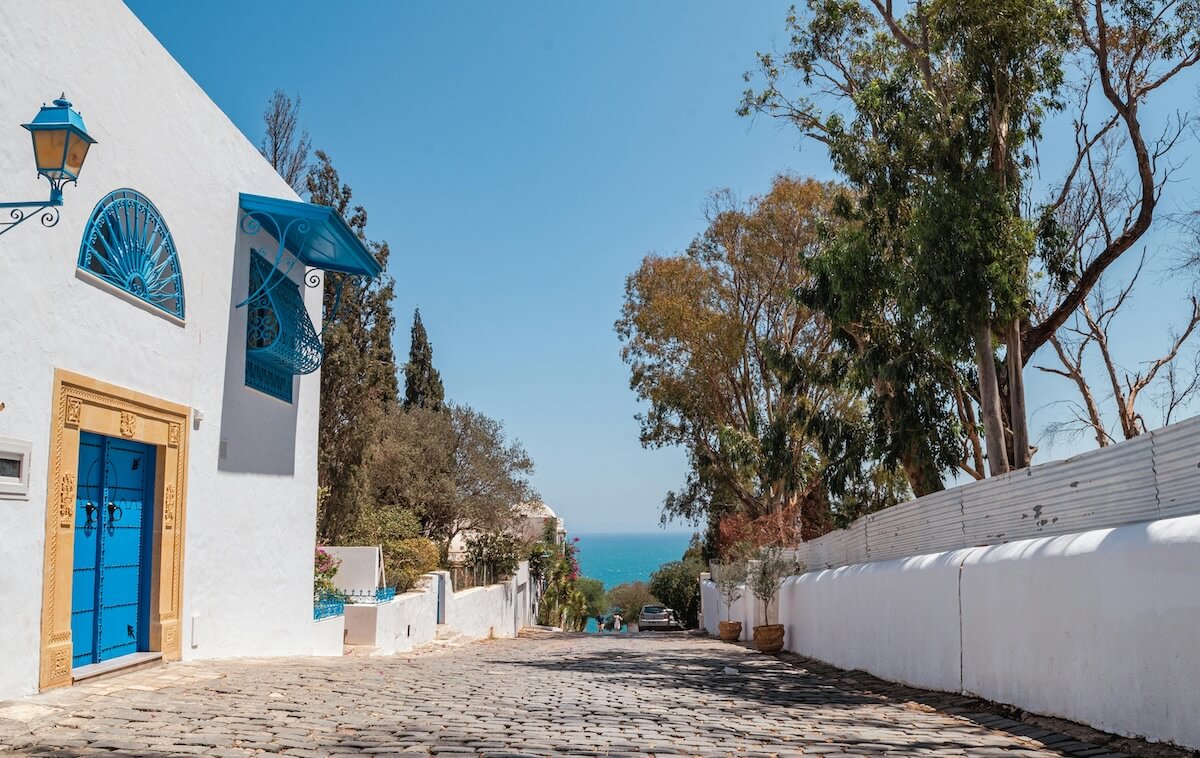
This isn't a case of Tunisia being Morocco's "budget alternative." Tunisia is the original. The Carthaginians were here before Marrakech existed. The Roman amphitheater at El Djem seats 35,000 and is better preserved than the Colosseum. Sidi Bou Said has been blue and white since the 18th century. The Sahara in southern Tunisia is where Star Wars was filmed, not Morocco.
But because Tunisia's tourism industry nearly collapsed after the Arab Spring and subsequent attacks, then got further battered by COVID, it's remained genuinely undiscovered. No tour group hordes. No aggressive selling. No Instagram overcrowding. Just a small North African country between Algeria and Libya that's slowly, carefully rebuilding its reputation while maintaining prices that make budget travelers wonder if there's been a mistake.
What Tunisia Actually Offers
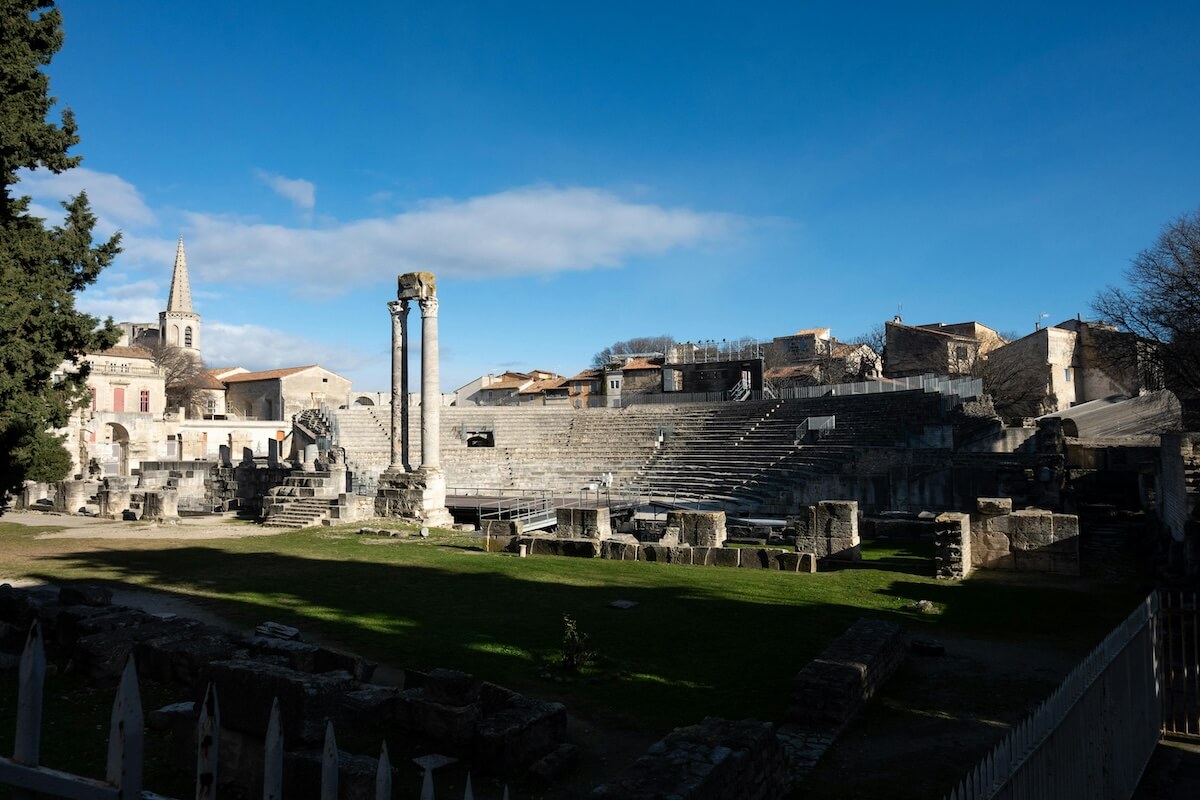
Roman history that rivals Italy: Carthage—yes, that Carthage, Hannibal's Carthage—sits just outside Tunis. The ruins sprawl across hilltops overlooking the Mediterranean, less impressive than you might expect given the city's historic significance but absolutely worth visiting for context. The real star is El Djem's amphitheater, third-largest in the Roman world, staggeringly well-preserved, with underground passages you can actually explore. Then there's Dougga, a complete Roman town on a Tunisian hillside where you'll have elaborate mosaics and temples nearly to yourself.
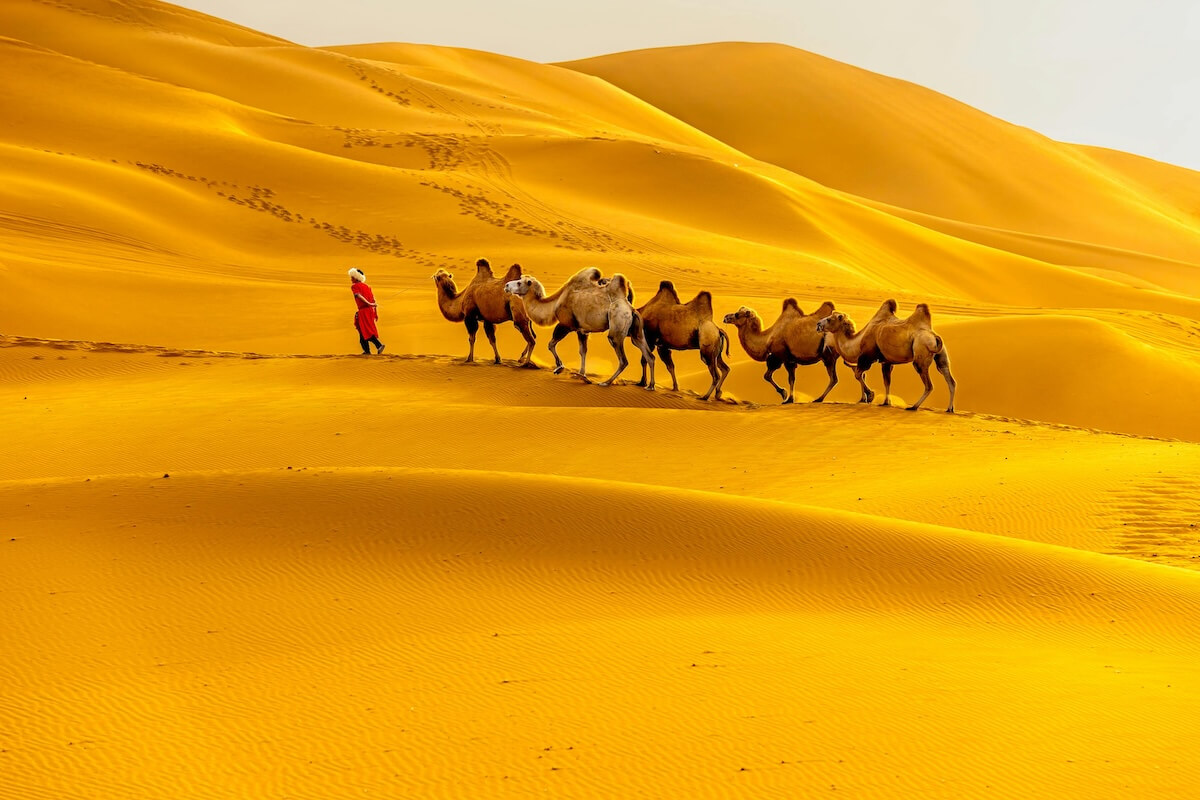
The Sahara, accessible and affordable: Southern Tunisia provides desert access without the Morocco premium. From Douz (the "gateway to the Sahara"), you can arrange overnight desert camps for $50-80, multi-day camel treks for $100-150, or 4x4 excursions to remote dunes for under $200. Compare that to Morocco's Erg Chebbi tours starting at $200+ for one night.
Mediterranean beaches nobody mentions: Tunisia's northern coast offers 1,300km of Mediterranean shoreline. Djerba island has palm-fringed beaches, traditional Berber villages, and some of North Africa's oldest synagogues. Hammamet balances beach resort infrastructure with historic medina charm. These aren't "secret"—Tunisians and Europeans know them—but they're unknown to North American travelers fixated on Morocco.
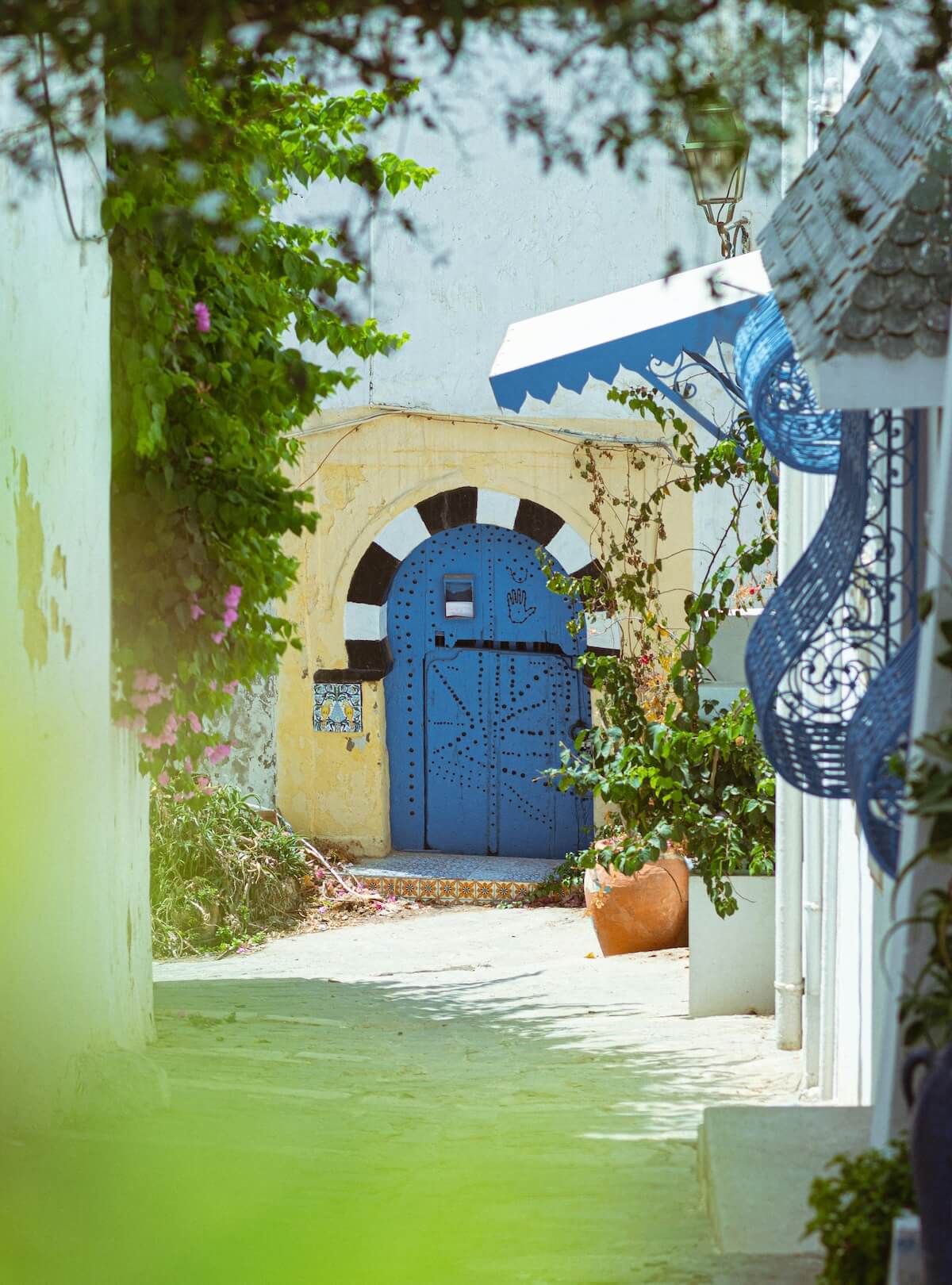
Architecture that predates the Instagram age: Sidi Bou Said, a clifftop town overlooking the Mediterranean, has been photographed since photography was invented. Blue-painted doors and window frames against white walls, bougainvillea cascading down alleys, cafes where you drink mint tea while watching the sea. It's 20 minutes from Tunis by metro. Entry is free. It's stunning. Almost nobody from outside Europe knows about it.
The Budget Reality: What Things Cost
Accommodation: Budget options exist but aren't as cheap as Southeast Asia. Hostel dorms run $10-15 per night in Tunis; private rooms in budget hotels cost $20-30. Mid-range hotels (actual comfort, breakfast included) run $50-70. Five-star luxury—if you want it—hits $100-150. Tunisia's tourism decline means fewer hostels and more traditional hotels, which raises minimum costs slightly but ensures better quality at the budget end.
Food: Street food and local restaurants are remarkably cheap. Brik (egg-filled pastry) costs $1-2. Couscous with vegetables runs $3-5. Fresh seafood near the coast: $8-12 for grilled fish with sides. Mid-range restaurants rarely exceed $15 per person. Alcohol exists (Tunisia is secular) but is expensive by local standards—wine costs $10-20 per bottle at restaurants, though cheaper at stores.
Transport: Louages (shared minivans) are the budget choice—Tunis to Douz costs around $15-20 for a 7-8 hour journey, but requires flexibility since they leave when full. Trains connect major northern cities; Tunis to Sousse runs $8-20 depending on class. Buses are comfortable and cheap ($10-15 for long distances). Car rental starts around $30/day but is worth it for southern exploration given limited public transport to Sahara areas.
Activities: Most archaeological sites charge minimal entry—$3-8 for major ruins like Carthage or El Djem. Medinas are free to wander. Desert excursions are the main expense: budget $50-80 for overnight camp experiences, $100-200 for multi-day desert exploration. Hammams (traditional bathhouses) cost $5-15 depending on whether you include massage.
Daily budget breakdown: Budget travelers comfortable with basic hotels, street food, and public transport can manage on $40-50 per day. Mid-range travelers wanting comfort, occasional taxis, and guided activities should budget $70-100 daily. Even at that level, you're spending half what Morocco costs.
Where to Actually Go: The Practical Route
Tunis (2-3 days): The capital doesn't win beauty contests, but it's functional, interesting, and worth your time. The medina (old city) sprawls through narrow streets full of craftsmen, spice vendors, and the occasional tourist. The Bardo Museum houses one of the world's best Roman mosaic collections—if you care about history, this is mandatory. Carthage ruins spread across the northern suburbs (metro accessible). Sidi Bou Said is a 30-minute metro ride followed by uphill walking, but this blue-and-white clifftop village is legitimately one of North Africa's most photogenic places.
Stay near the medina for atmosphere or in Ville Nouvelle (new city) for convenience and WiFi. Food options range from street vendors in the medina to French-influenced cafes downtown. Tunis isn't beautiful, but it's real—working North African capital with layers of history and surprisingly good coffee.
El Djem & Kairouan (1-2 days): El Djem's amphitheater justifies the detour. This Roman arena seated 35,000, hosted gladiator fights, and remains staggeringly intact. Unlike the Colosseum, you can explore underground passages where gladiators and animals waited. The scale is difficult to process until you're standing in it. Entry costs about $8; the entire town exists to support this single ruin.
Kairouan, Islam's fourth-holiest city, offers the Great Mosque (founded 670 AD) and a well-preserved medina. Non-Muslims can't enter the prayer hall, but the courtyard alone impresses. The city feels less touristy than it deserves, which means authentic carpet workshops, genuine interactions, and minimal hassle.
Southern Tunisia & the Sahara (4-5 days minimum): This is why most people come. The drive south takes you through landscape that shifts from Mediterranean agriculture to salt flats to desert. Chott el-Djerid, Tunisia's largest salt lake, stretches white and surreal along the main road. Stop, walk on the crusty salt, take photos that look like Bolivia's Uyuni at a fraction of the cost.
Tozeur makes a good base—palm oases, old town built entirely from brick patterns, decent hotels. From here, access Chebika and Tamerza oases (mountain springs in desert landscape) or Star Wars filming locations at Ong Jmel.
Douz is the Sahara gateway. Basic but functional—hotels, restaurants, tour operators. Arrange desert excursions here: overnight camps in the dunes, camel trekking, 4x4 expeditions to Ksar Ghilane (remote hot spring oasis). Budget options exist through local operators; splurge options through established companies.
Matmata features underground Berber houses—cave dwellings built into hillsides for temperature control. Some families still live in them; others operate as hotels (Hotel Sidi Driss was Luke Skywalker's home in Star Wars). Stay overnight if you want the experience, or visit for a few hours. The landscape is surreal—crater-like homes dotting barren hills.
Tataouine and nearby ksour (fortified granaries) offer more Star Wars locations plus legitimate Berber architecture. Ksar Ouled Soltane is the most impressive—multi-story storage units built into cliffsides, eerily beautiful, usually empty of tourists.
Djerba Island (2-3 days if you have time): Tunisia's largest island offers beaches, traditional architecture, and North Africa's oldest synagogue (El Ghriba, still in use). The main town, Houmt Souk, has a functioning medina, decent restaurants, and significantly fewer hassles than mainland tourist areas. Djerba works as both beach relaxation and cultural exploration, though it's less essential if you're focused on desert and ruins.
Transport Reality: How Movement Works
Louages (shared minivans) are Tunisia's backbone transport. They leave from specific stations in each city, head to fixed destinations, and depart when full (usually 8-9 passengers). No schedule, no booking, just show up and wait. They're cheap, reasonably comfortable, and used by locals, which means you'll meet actual Tunisians rather than only tourists.
The system: arrive at the louage station, find the departure area for your destination (usually clustered by region), ask which van is next, pay the driver, wait until full, depart. Luggage goes on the roof or in back. Expect close quarters. It's slower than private transport but faster than buses and costs almost nothing.
Trains connect northern coastal cities (Tunis, Sousse, Sfax) efficiently. Comfortable, punctual enough, and cheap ($8-20 for long routes). Buy tickets at stations; first class exists but second class is fine. Trains don't reach the south—road transport only for Sahara areas.
Buses offer fixed schedules and comfort but move slower than louages. Major companies like SNTRI connect all significant cities. Book a day or two ahead for long routes. Prices similar to or slightly less than louages.
Car rental makes sense for southern Tunisia. Public transport to/from desert areas is limited and time-consuming. Rental costs $30-50 per day for basic cars; 4x4s run $60-80 daily (unnecessary unless going very remote). Roads are good on main routes, rougher but manageable to most tourist sites. GPS works; download offline maps anyway.
Split among 3-4 people, car rental is cost-effective and enables flexibility—stop at oases, detour to ruins, adjust timing for sunset over salt flats. Fuel is cheap by Western standards.
Practical Details That Actually Matter
Visas: Most nationalities (US, EU, UK, Canada, Australia) get 90 days visa-free. Verify current rules, but Tunisia makes entry easy—trying to rebuild tourism means minimal bureaucracy.
Safety: Tunisia is safe for tourists. The 2015 attacks were devastating but also eight years ago and led to massive security improvements. You'll see military and police at tourist sites—this is protection, not a warning. Normal urban safety precautions apply in Tunis; elsewhere, petty crime is rare. Solo women travelers report feeling comfortable with standard awareness.
Language: Arabic (specifically Tunisian dialect) and French are official. Older generations speak French fluently (colonial legacy); younger people increasingly speak English in tourist areas. Basic French helps everywhere; Arabic phrasebook earns goodwill. Most interactions involve multilingual improvisation and translation apps.
Religion & culture: Tunisia is 99% Muslim but secular in practice. Tunis has bars, wine is sold, beaches have bikinis. Rural areas are more conservative—dress modestly outside tourist zones (covering shoulders and knees). Ramadan affects opening hours and food availability; travel is possible but requires adjustment.
Internet: Good WiFi in hotels and cafes in cities; spotty or absent in rural areas. Buy a local SIM ($10-15 for several GB) if you need reliable connectivity. Tunisie Telecom and Ooredoo have best coverage.
Season: March-May and September-November are ideal—warm but not scorching, fewer tourists than summer. June-August is very hot (40°C/104°F regularly in the south) but bearable on coasts. December-February is mild on coasts (15-18°C), cold in desert nights. Summer heat makes southern travel exhausting; shoulder seasons are significantly more pleasant.
Hassle factor: Tunisia is remarkably low-pressure compared to Morocco. Vendors in medinas will try to sell you things, but they're not aggressive. Most interactions are friendly; people genuinely seem pleased that tourists are returning. The desperate atmosphere that developed post-2015 has mostly faded—tourism is recovering enough that sellers aren't pushy.
Why Tunisia Works (And Why It Hasn't Been Discovered)
Tunisia's tourism obscurity is partly perception, partly timing. The Arab Spring (2011) started here. Then came attacks in 2015. Then COVID. Each event devastated tourism. The country's been rebuilding gradually, but Morocco's Instagram fame sucked all the oxygen from the North Africa conversation.
This creates opportunity. Tunisia offers Morocco's highlights—Sahara, medinas, history, beaches—without crowds or inflated prices. The infrastructure exists (Tunisia was a major European beach destination before 2011), but occupancy is low enough that you're not fighting for space or paying premium rates.
The Roman ruins are legitimately world-class. El Djem rivals the Colosseum; Dougga has mosaics in situ that would be behind glass anywhere else. Carthage is more significant historically than most UNESCO sites. These aren't "almost as good as"—they're the real thing, just located somewhere people forgot to look.
The desert is identical to Morocco's. Same Sahara, same dunes, same color palette. The only difference is price and crowds. You'll pay half and see a fraction of the tourists.
Sidi Bou Said's blue-and-white aesthetic is what Chefchaouen copied. It's older, arguably prettier, definitely less crowded, and accessible via public transport from a major airport.
But Tunisia requires effort Morocco doesn't. Information is less readily available. English is less common. Public transport to remote areas is limited. You can't arrive and expect everything catered to tourists—you need to figure things out, navigate language barriers, and occasionally accept that travel will be slower or more complicated than in more developed tourist destinations.
This filters travelers. Tunisia attracts people who want experiences over convenience, who are comfortable with rough edges, who prefer authenticity to polish. If that describes you, Tunisia is perfect. If you want everything easy and everyone speaking English, stick with Morocco or return when Tunisia's tourism develops more.
The value is undeniable—$50 daily gets you comfortable accommodation, good food, and extraordinary experiences. The ruins are spectacular. The desert is genuine Sahara. The architecture predates Instagram. And you'll have most of it to yourself, wandering Roman theaters and desert oases without fighting crowds or paying premium prices.
This won't last forever. Tunisia is rebuilding tourism infrastructure, prices will rise, crowds will eventually discover what's been here all along. But for now, it remains North Africa's secret: all the highlights, half the cost, and almost none of the tourists. Go while it's still true.


Comments
How did this story make you feel?
No comments yet. Be the first to share your thoughts!