Oman: The Arabian Peninsula's Best-Kept Secret
While tourists flock to Dubai's glitter, Oman offers something rarer—genuine Arabian hospitality, dramatic landscapes, and a pace that remembers what travel used to feel like.
The immigration officer stamps my passport and says 'Welcome to Oman' like he means it. Not the scripted hospitality of a luxury hotel—something warmer, more genuine. It's the first of many small moments that will define this country.
Oman sits at the southeastern corner of the Arabian Peninsula, sharing borders with the UAE, Saudi Arabia, and Yemen. It has oil wealth like its neighbors but chose a different path—measured development, cultural preservation, and a tourism strategy built on authenticity rather than spectacle. The result is the Gulf destination travelers don't know they're looking for.
Where Dubai built the world's tallest building, Oman passed laws limiting building heights to preserve mountain views. Where Abu Dhabi constructed indoor ski slopes, Oman protected its wadis and deserts. The contrast isn't subtle, and it's entirely intentional.
Muscat: A Capital That Whispers
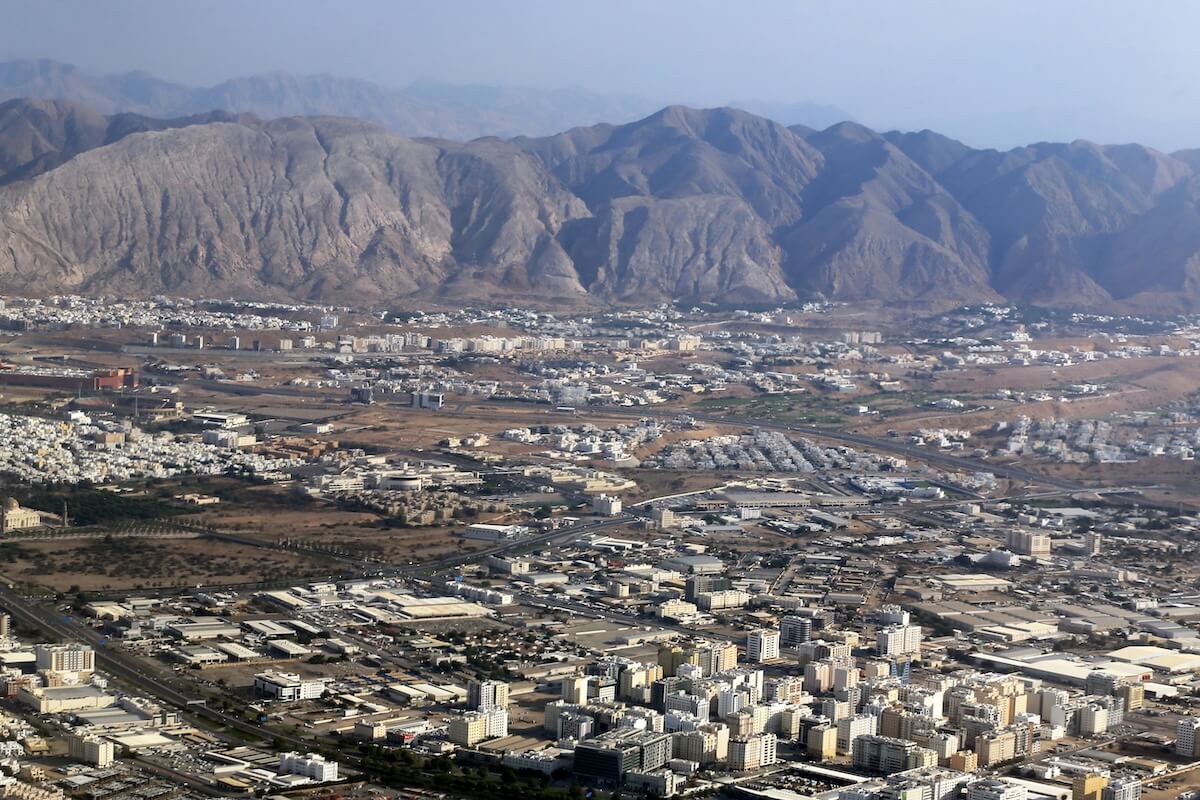
Muscat doesn't announce itself. The city spreads along the coast between the Hajar Mountains and the Gulf of Oman, all white buildings and careful landscaping. There are no skyscrapers competing for attention—a royal decree limits buildings to keep the skyline modest. The effect is startling if you're arriving from Dubai: a capital city that feels calm.
The Sultan Qaboos Grand Mosque is the obvious starting point—one of the few mosques in the Gulf open to non-Muslim visitors. The scale is vast (the main prayer carpet took 600 women four years to weave), but the atmosphere is contemplative rather than overwhelming. Visit early morning before tour buses arrive.
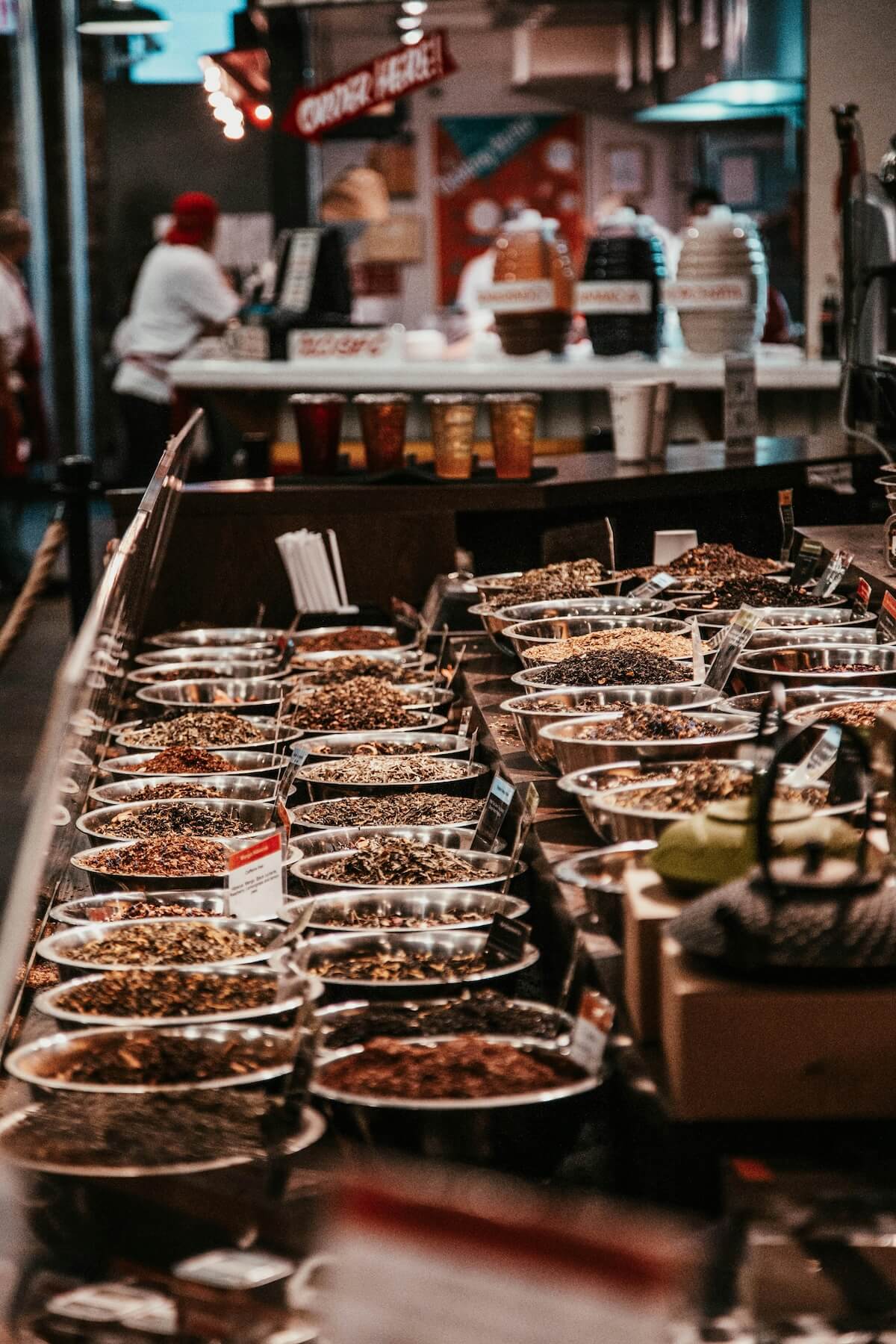
The old quarter of Mutrah is where Muscat shows its age. The corniche curves along the harbor, fishing boats bobbing alongside container ships. Mutrah Souq runs deep into narrow alleys—frankincense, silver, textiles, none of it aggressively sold. Shopkeepers offer tea before prices. The hustle exists but it's gentler here.
For context, visit the National Museum. Oman's history is maritime—traders connecting Africa, India, and the Gulf for millennia. The museum explains why Omanis seem naturally cosmopolitan without trying to be modern. They've been meeting strangers for centuries.
The Mountains: Jebel Akhdar and Jebel Shams
An hour from Muscat, the Hajar Mountains rise abruptly from the coastal plain. These aren't gentle hills—the range includes peaks over 3,000 meters, deep canyons, and villages that until recently were accessible only by donkey.
Jebel Akhdar (Green Mountain) is the accessible option. A paved road winds up to 2,000 meters where rose farms and fruit orchards cling to terraced slopes. The temperature drops noticeably—this is where Omanis escape summer heat. The Anantara resort here is genuinely spectacular, but the village guesthouses offer something more interesting.
Jebel Shams (Sun Mountain) is higher and wilder. The 'Grand Canyon of Arabia' drops 1,000 meters at Wadi Ghul—stand at the rim and watch shadows move across geological time. The balcony walk along the canyon edge is one of the Gulf's best hikes: four hours, moderate difficulty, views that don't quit.
The Wadis: Desert Rivers
Wadis are seasonal riverbeds that cut through Oman's mountains, creating oases of emerald pools and date palms in otherwise harsh terrain. They're the country's natural swimming pools, and visiting at least one is non-negotiable.
Wadi Shab is the most famous—a 45-minute hike from the road through narrow canyon walls leads to pools where you can swim into a cave with a waterfall. It's popular for good reason, but go early or late to avoid crowds. The boat across the initial pool costs a few rials; the hike is easy until the final scramble.
Wadi Bani Khalid runs year-round—reliable water even in summer. The pools are larger and more accessible, with simple restaurants and changing facilities. Less dramatic than Shab but better for a relaxed afternoon.
Wadi Tiwi is the sleeper pick. A drive up the wadi passes through traditional villages where life continues largely unchanged. The road eventually becomes 4WD only, leading to quieter pools than the famous alternatives. Bring your own supplies; there's nothing commercial here.
Wahiba Sands: Desert Without Gimmicks
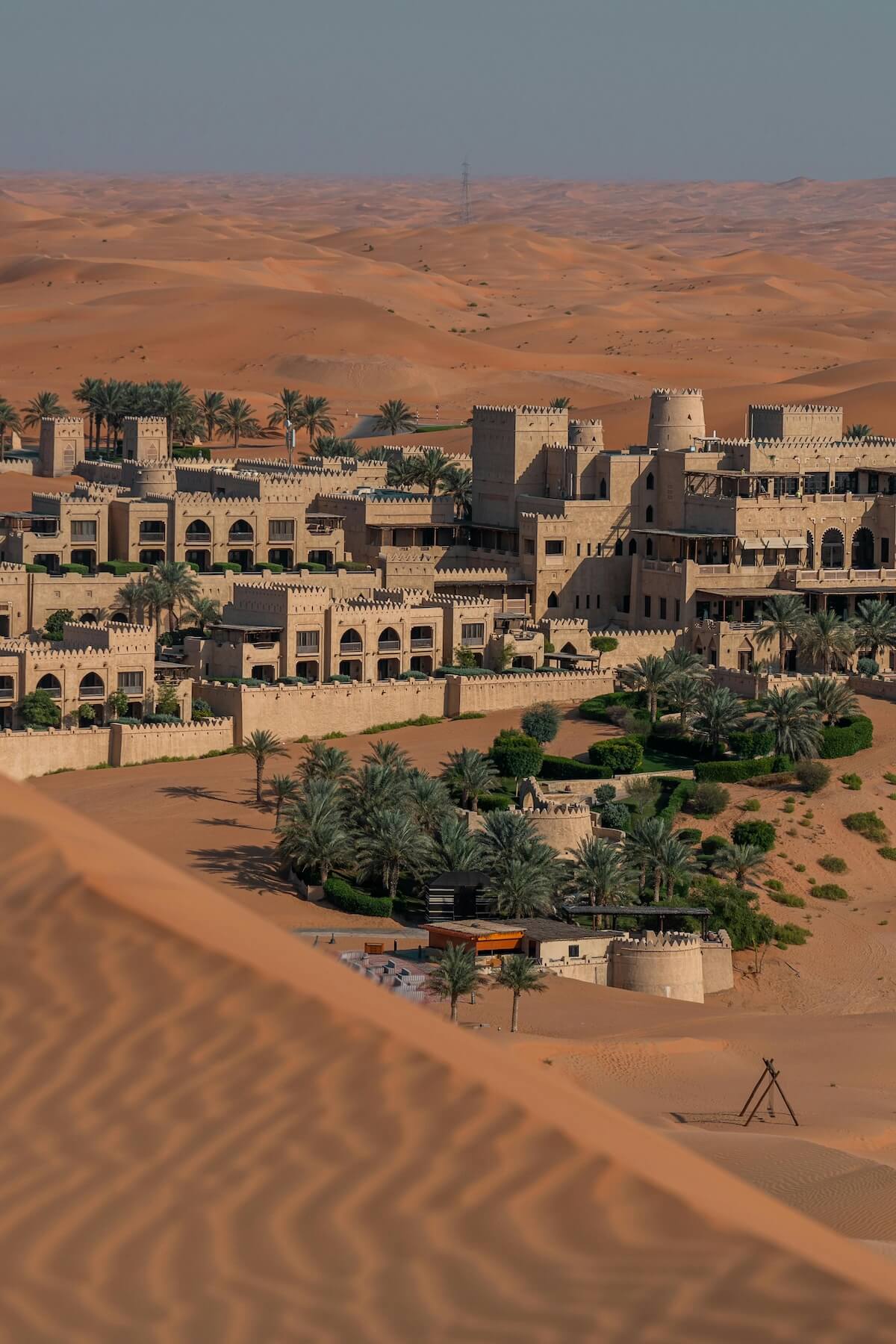
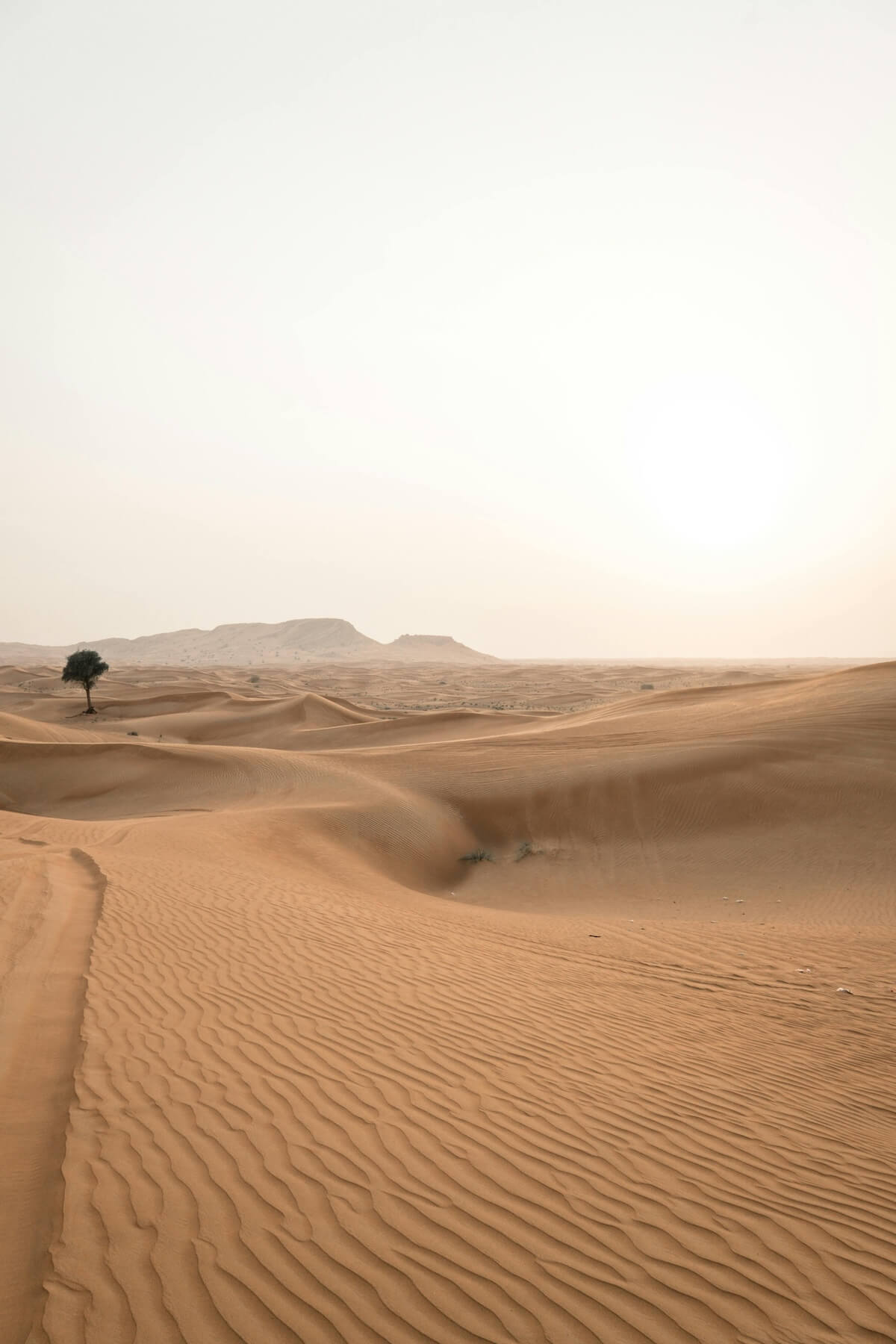
The Wahiba Sands (officially Sharqiya Sands) offer desert experience without the resort sheen of Emirates alternatives. Dunes roll for 180 kilometers, colored from pale gold to deep orange depending on iron content and time of day.
Desert camps range from basic Bedouin-style tents to comfortable glamping setups. What they share is isolation—you'll see stars you forgot existed and wake to silence broken only by wind. Most camps organize dune drives at sunset, but the real experience is simply being there as light changes.
The Bedouin communities here are real, not staged. Some camps are run by families who've lived in the desert for generations. Conversations happen over dates and coffee; hospitality is genuine because it's cultural, not commercial. This is increasingly rare in the Gulf.
The Coast: Musandam and Dhofar
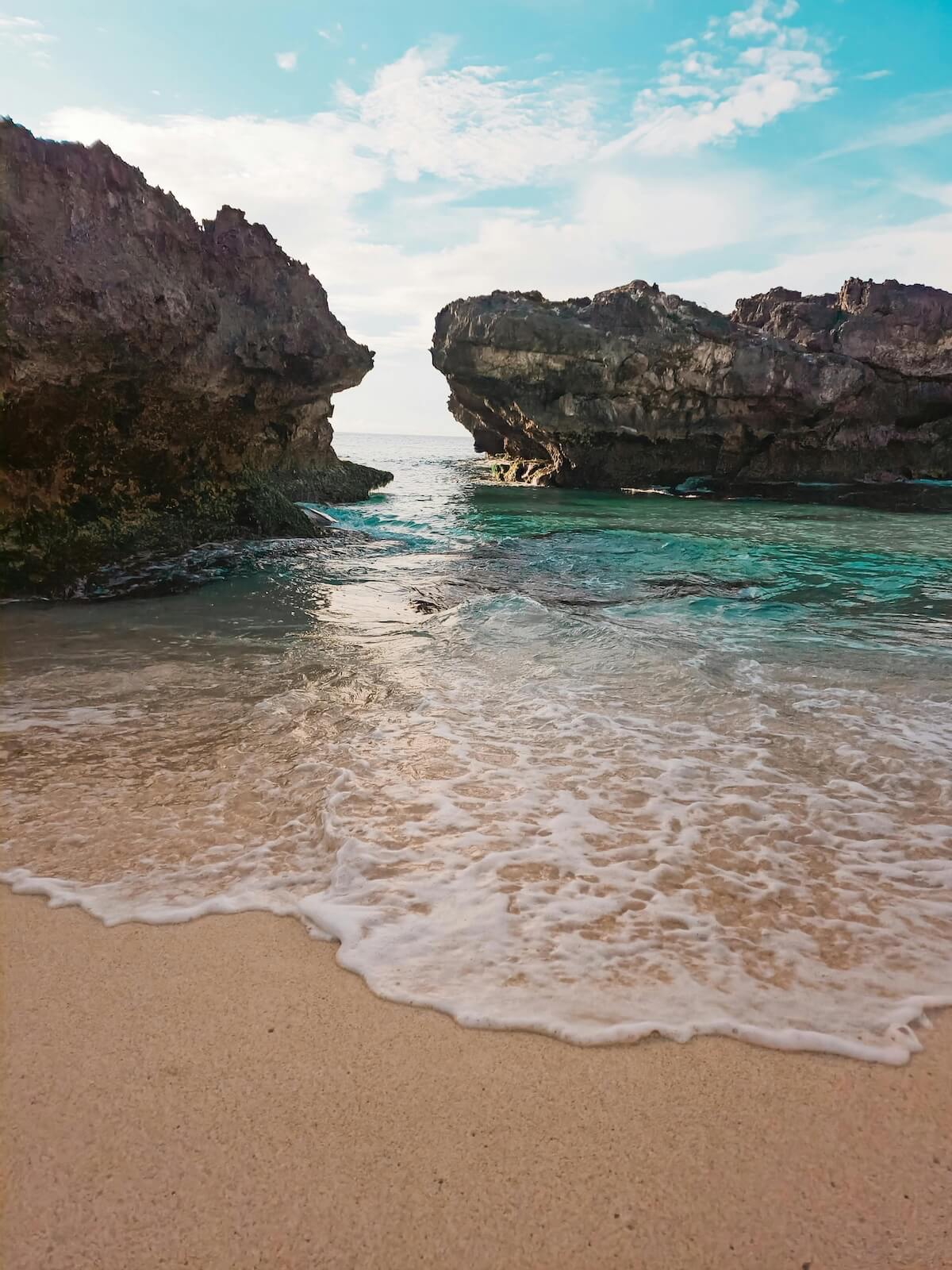
Oman's coastline stretches 3,000 kilometers, much of it empty. Two regions stand out for different reasons.
Musandam is Oman's northern enclave, separated from the rest of the country by UAE territory. The landscape is dramatic—fjords cutting into barren mountains, dolphins in channels so narrow you could throw a stone across. Khasab is the main town; from there, dhow trips navigate the 'Norway of Arabia.' It's a long drive from Muscat (or a short flight) but utterly unlike anywhere else in the region.
Dhofar in the south is different again. From June to September, the khareef monsoon transforms this corner of Arabia into something improbably green—mist rolling over mountains, waterfalls appearing, camels grazing in what looks like Ireland. Salalah, the regional capital, was historically the frankincense trade's center. The trees still grow here, tapped for resin as they've been for millennia.
Practical Matters
Oman is straightforward to visit. Most nationalities get visas on arrival or through a simple e-visa process. The currency is the Omani Rial (OMR)—one of the world's strongest currencies, so prices look low but aren't. Budget roughly $100-150/day for comfortable travel; $60-80 is possible with hostels and careful eating.
- Best months: October to April (summer exceeds 45°C in most areas)
- Driving: Right-hand side, excellent roads, aggressive speed cameras
- Dress code: Conservative—cover shoulders and knees, especially outside Muscat
- Language: Arabic official, English widely spoken
- Ramadan: Country functions but restaurants close daytime; respectful visitors are welcome
Renting a car is the best way to explore. Roads are excellent, signage is clear, and distances between sights require wheels. A week allows Muscat, the mountains, a wadi, and the desert. Two weeks adds Musandam or Dhofar. Trying to see everything in less than a week means too much driving and not enough being there.
The Hospitality Question
Omanis are famously welcoming, but this needs context. The hospitality isn't performative—it comes from genuine cultural values around guests. You'll be offered coffee and dates in shops. Strangers will help with directions beyond what's needed. Invitations to homes aren't unheard of.
The appropriate response is gracious acceptance. Refusing hospitality can offend. Take the coffee, eat the dates, stay for the conversation if time allows. Bring small gifts if visiting homes—something from your country works well. Reciprocity matters even when you can't match the generosity.
This hospitality culture is partly why Oman feels different from its neighbors. The country has oil wealth but developed slower and more deliberately. Tourism was controlled rather than maximized. The result is a place that wants visitors but hasn't contorted itself to attract them.
Who Should Visit
Oman rewards travelers who want substance over spectacle. If you're looking for nightlife, shopping malls, or Instagram architecture, Dubai does that better. If you want to understand Arabian culture, see landscapes that haven't been terraformed, and experience hospitality that predates tourism, Oman delivers.
The country works particularly well for nature-focused travelers willing to drive, couples seeking somewhere romantic without resort clichés, and anyone curious about the Middle East but wary of the obvious destinations. Families with older kids find plenty to do; very young children may find the distances and heat challenging.
What Oman isn't: budget-friendly, convenient for short trips, or easy to navigate without a car. Accept these constraints and what remains is the Arabian Peninsula at its most genuine—mountains and deserts and coast, all wrapped in hospitality that remembers why travelers used to be welcomed as gifts rather than revenue.
The immigration officer was right. Welcome to Oman indeed.


Comments
How did this story make you feel?
No comments yet. Be the first to share your thoughts!