Kyrgyzstan: The Central Asian Country Where $30 a Day Gets You Alpine Lakes, Yurt Camps, and Zero Crowds
While tourists overrun the Silk Road cities next door, Kyrgyzstan remains what budget adventure travel was supposed to be: stunning, accessible, and genuinely off-radar.
Here's what happened to Central Asia tourism: Uzbekistan got discovered. Instagram fell in love with Samarkand's turquoise domes and Bukhara's ancient mosques. Travel bloggers descended. Prices adjusted accordingly. Then everyone forgot about the country next door.
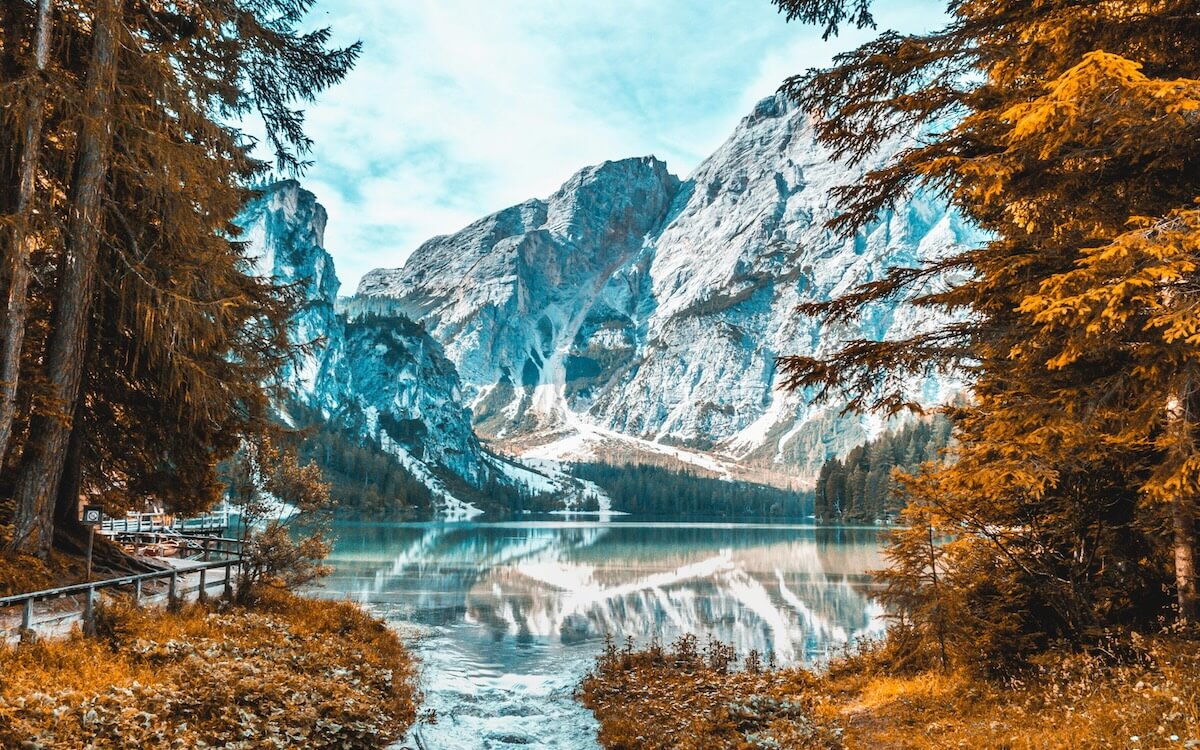
Kyrgyzstan—landlocked, mountainous, 90% covered in peaks that would be national parks anywhere else—somehow stayed under the radar. No Silk Road monuments to photograph. No UNESCO World Heritage Sites that everyone's heard of. Just the second-largest alpine lake in the world, nomadic yurt camps you can actually stay in, multi-day treks through valleys where you'll see more horses than people, and a daily budget that looks like a typo until you realize it's real.
This is the country where $30 covers accommodation, food, and transport if you're careful, where wild camping is legal pretty much everywhere, where marshrutkas (shared minibuses) cost $5 for four-hour journeys, and where the capital city has craft breweries, good coffee, and WiFi fast enough for remote work—all while maintaining prices that make budget travelers weep with relief.
What Kyrgyzstan Actually Is (And Why You Haven't Heard of It)
Kyrgyzstan sits squeezed between Kazakhstan, Uzbekistan, Tajikistan, and China—Central Asia's mountain kingdom, where the Tian Shan and Pamir ranges meet. It's roughly the size of Nebraska, with 6.5 million people, most of whom still maintain semi-nomadic traditions involving livestock, seasonal migration, and yurts.
The country was Soviet until 1991, which explains the Cyrillic signage, Soviet-era architecture in cities, and the fact that Russian works as a second language almost everywhere. But unlike Uzbekistan's preserved medieval cities or Kazakhstan's oil-funded modernity, Kyrgyzstan stayed poor, rural, and—crucially for travelers—undeveloped for mass tourism.
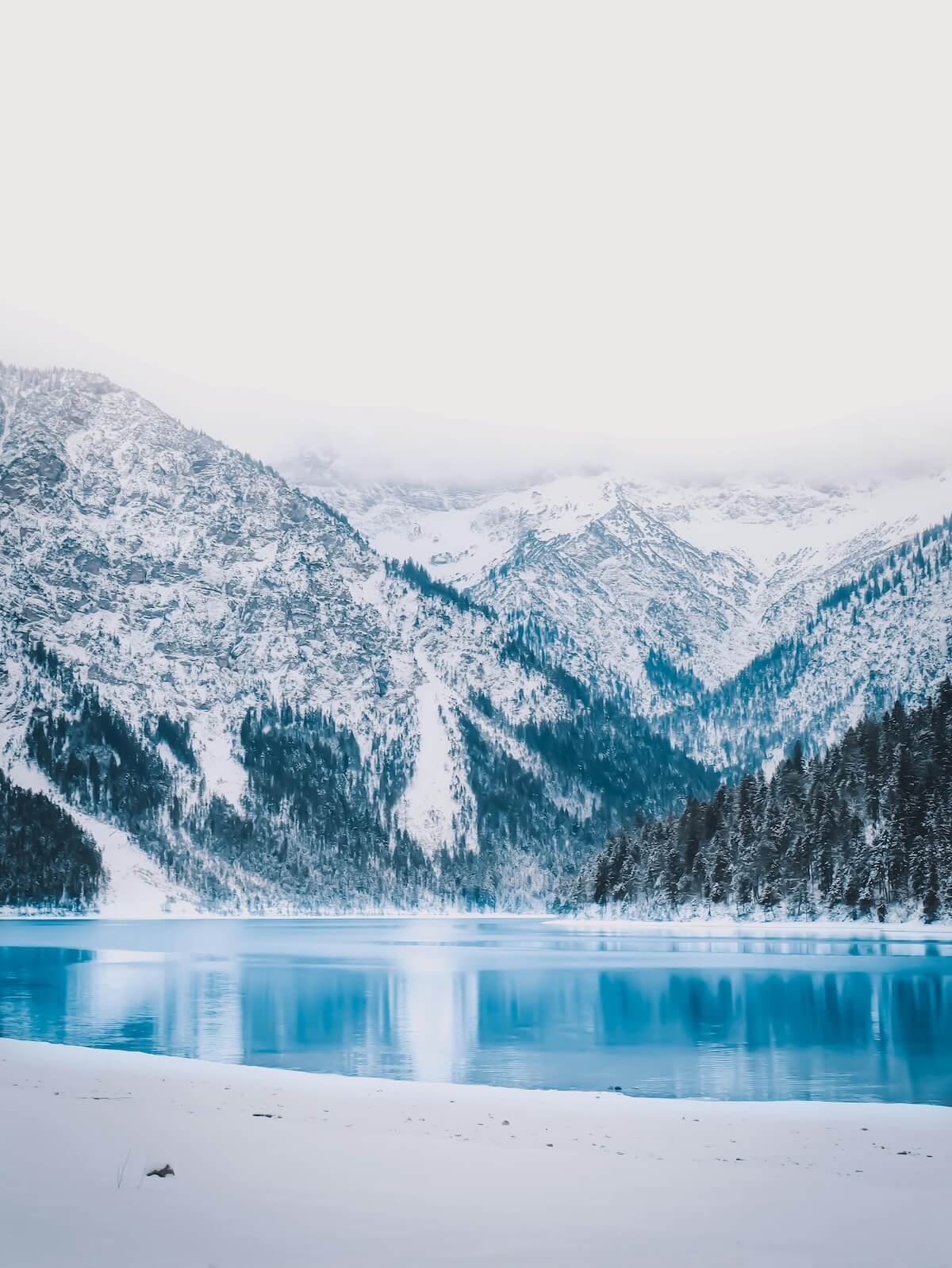
Most visitors come for nature. Not "nice hiking" nature, but the kind where glaciers feed alpine lakes so blue they look photoshopped, where you can trek for days without seeing a road, where Soviet-era maps are still more reliable than Google, and where the infrastructure is basic enough that adventure feels actual rather than manufactured.
The tourism that exists is refreshingly honest: locals offering homestays and yurt camps because it's supplemental income, not because they've been taught to perform hospitality. Tour operators who are genuinely helpful rather than pushy. Fellow travelers who tend toward the independent, outdoorsy type rather than cruise ship crowds.
The Budget Reality: What Things Actually Cost
Let's be specific, because "cheap" means different things to different people:
Accommodation: Hostel dorms run $8-12 per night in Bishkek and Karakol. Budget guesthouses with private rooms cost $15-25, breakfast included. Yurt camps at Song-Kul or Issyk-Kul charge around $25 per person including dinner and breakfast—remarkably good value considering you're sleeping in traditional felt dwellings on high-altitude pastures. Wild camping is free and legal almost everywhere.
Food: Local restaurants serve filling meals for $3-5. A plov (pilaf) that feeds two costs $4. Lagman (noodle soup) runs $2-3. Samsa (meat pastries) from street vendors cost 30-50 cents each. Bishkek's cafes offer cappuccinos for $1.50 and full breakfast for $5. Even mid-range restaurants rarely exceed $10 per person.
Transport: Marshrutkas (minibuses) are absurdly cheap—Bishkek to Karakol (400km, 6 hours) costs $5. Shared taxis run slightly more but still under $10 for long distances. Within cities, marshrutkas charge 15 som (about 17 cents) regardless of distance. Hitchhiking is common and usually involves small payment for gas.
Activities: Most hiking is free—trails aren't gated. Multi-day organized treks run $200-400 depending on duration and group size, but DIY hiking with camping costs nothing beyond food. Horse trekking averages $30-50 per day including guide and horse. National park entrance fees are typically $1-3.
Daily budget breakdown: Budget travelers comfortably manage on $30-40 per day staying in hostels, eating local food, using public transport, and doing mostly self-guided activities. Mid-range travelers spending $70-100 get private rooms, occasional taxis, some guided days, and nicer meals. Even "luxury" here means $150-200 per day—boutique hotels, private drivers, fully guided treks—which is mid-range pricing in Western Europe.
Where to Actually Go (The Practical Itinerary)
Bishkek (2-3 days): The capital isn't why you came, but it's where you'll start. Use it to organize, recover from flights, hit the massive Osh Bazaar for supplies, eat well, and adjust to altitude before heading to mountains. Ala-Too Square offers Soviet-era grandeur. Save the Ales brewery proves women-run craft brewing works even in conservative Central Asia. Tunduk Hostel functions as an unofficial information hub where trekkers swap routes.
Worth it for: Logistics, food variety, meeting other travelers, slow landing before mountain immersion.
Issyk-Kul Lake (3-5 days): The second-largest alpine lake in the world (after Titicaca), Issyk-Kul is 182km long, surrounded by snow-capped peaks, and somehow not frozen despite being at 1,600 meters altitude. The northern shore has been developed for domestic tourism—beach resorts, hotels, somewhat tacky. The southern shore remains comparatively wild.
Base yourself in Karakol at the lake's eastern end. The town itself is pleasant—wooden Russian houses, Dungan mosque, decent restaurants—but mainly serves as trekking hub. From here, tackle the Ala-Kul Lake trek (3 days, spectacular turquoise glacial lake at 3,500m) or Boz-Uchuk Lakes trek (similar difficulty, fewer people). Both are DIY-able if you're experienced; guides cost $100-150 for groups.
En route between Bishkek and Karakol, stop at Jeti-Ögüz ("Seven Bulls") for red rock formations and Fairytale Canyon (Skazka Canyon) for bizarre erosion shapes that look like they belong in New Mexico. Both are roadside; marshrutkas drop you at the turnoff.
Worth it for: High-altitude lakes, serious multi-day trekking, yurt camps with real shepherd families, swimming in impossibly blue water.
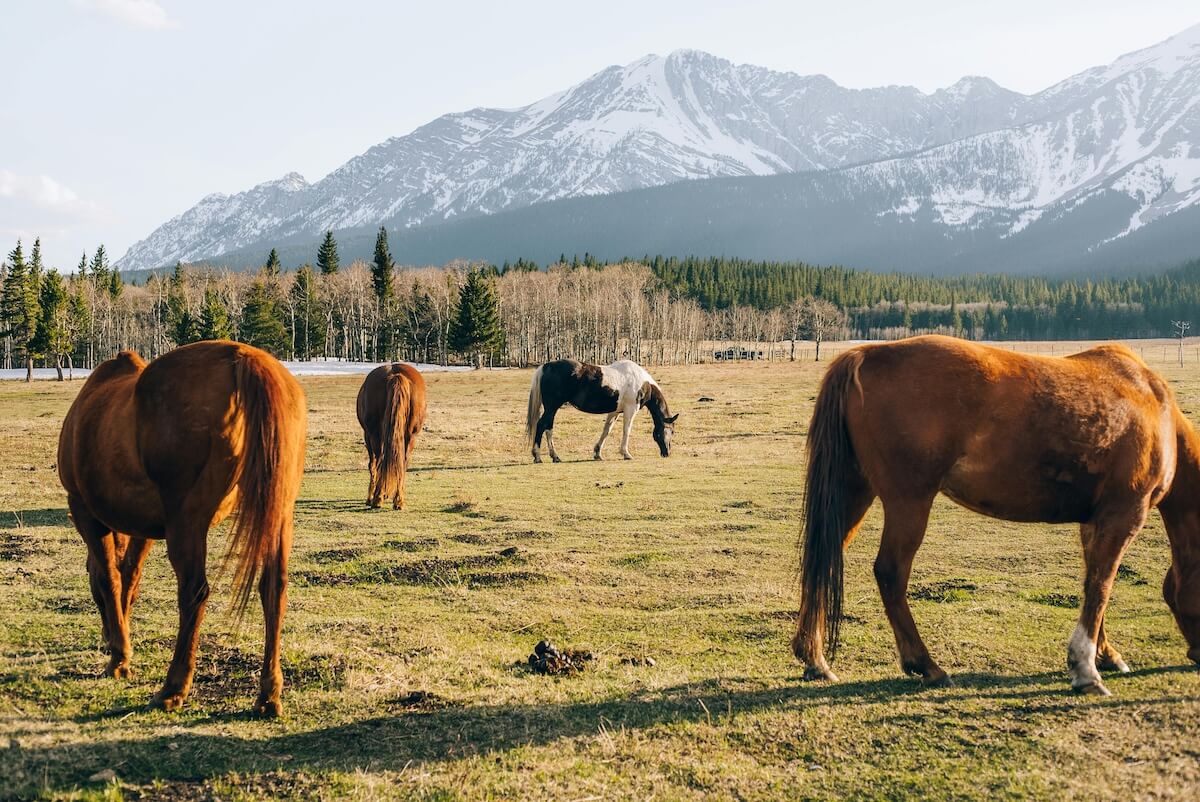
Song-Kul Lake (2-3 days): If you do one thing in Kyrgyzstan, make it Song-Kul. This high-altitude lake (3,016m) is surrounded by summer pastures where Kyrgyz families bring their livestock May through September. Staying in yurt camps here is the closest you'll get to experiencing traditional nomadic life without actually being a shepherd.
Access is deliberately difficult—no paved roads, 4WD required—which keeps crowds minimal. Most travelers arrive via horse trek (3-4 days from Kochkor, spectacular but demanding) or hired 4WD from Kochkor ($100-150 for vehicle, holds 4-5 people). The lake itself is worth the hassle: mirror-flat water, mountains in every direction, complete silence except for wind and horses.
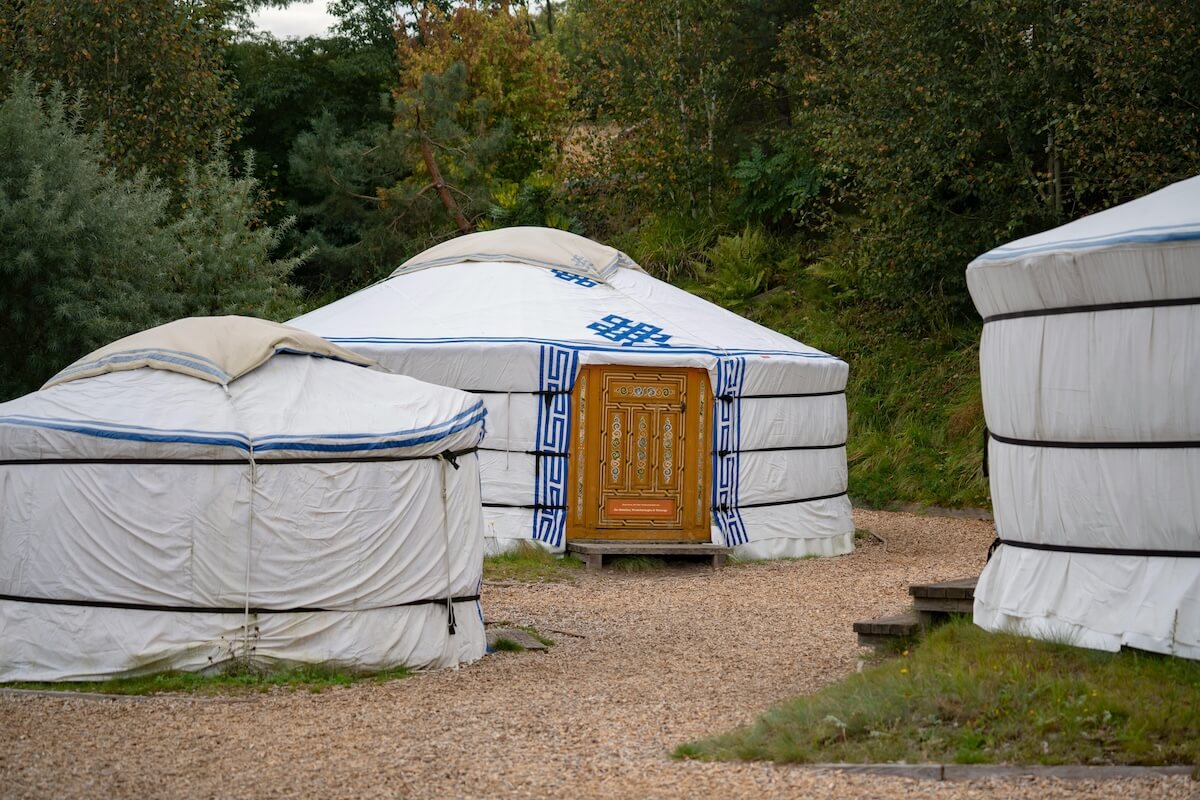
Yurt camps charge $20-25 per person including three meals. You'll share the yurt with other travelers unless you book an entire one (around $80-100). Families are welcoming but not performative—you're guests in their seasonal home, not entertainment for tourists. Expect fresh dairy products, mutton-heavy meals, and horseback riding opportunities.
Worth it for: Authentic nomadic culture, jaw-dropping scenery, complete disconnection (no phone signal), horses everywhere, star-filled nights at 10,000 feet.
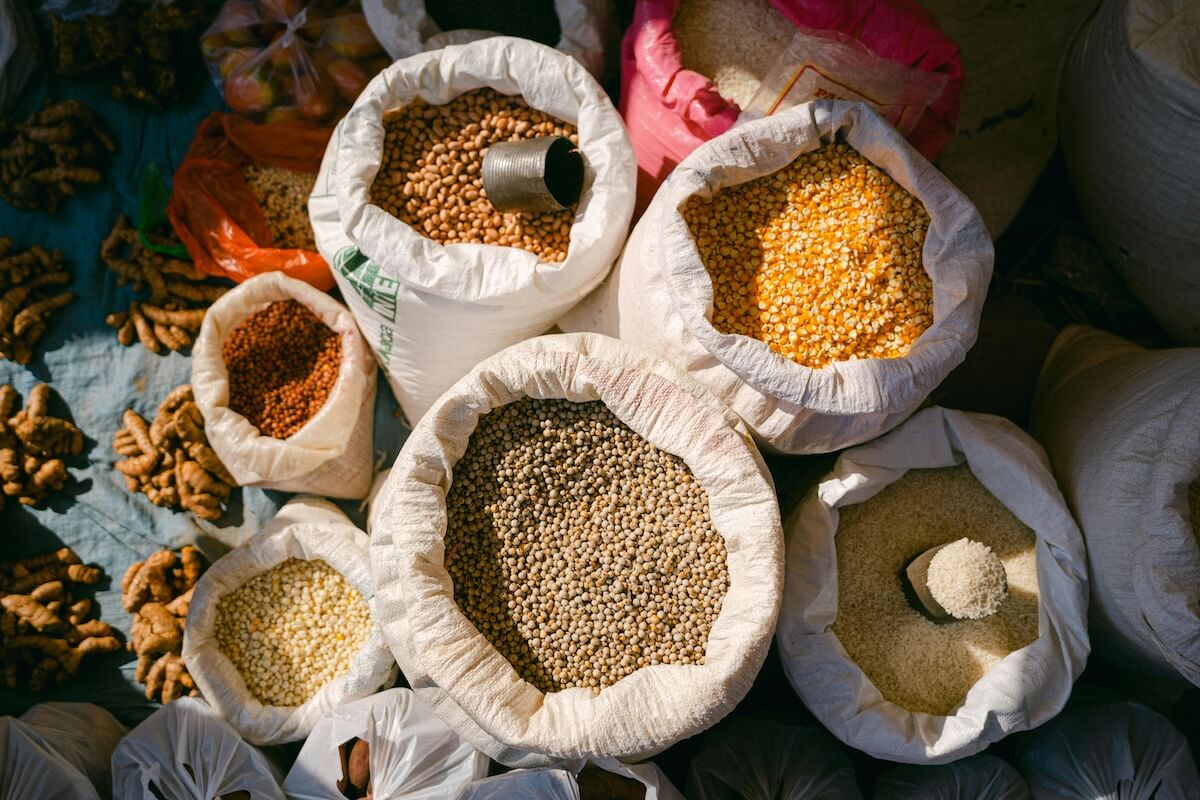
Osh and the South (2-3 days if you have time): Kyrgyzstan's second city feels more Uzbek than Kyrgyz—close cultural ties, large Uzbek population, Central Asia's best bazaar. Sulaiman-Too Sacred Mountain looms over downtown (a UNESCO site, though frankly not that impressive). The real draw is the market: kilometers of stalls selling everything from carpets to livestock, genuinely untouristed despite the city's size.
From Osh, the Pamir Highway into Tajikistan beckons (but that's another trip entirely). Or head to Arslanbob for walnut forests and waterfalls, or Sary-Chelek Lake for pristine alpine beauty without the crowds.
The Transport Reality: How Getting Around Actually Works
Marshrutkas are the backbone. These Soviet-era minibuses leave when full (usually 12-15 passengers), follow semi-fixed routes, cost almost nothing, and require patience. In Bishkek, catch them from either the Western Bus Station (destinations north and west) or New Bus Station (everywhere else). No advance booking—just show up, ask where marshrutkas for your destination leave from, wait for one to fill, pay the driver.
Comfort is... minimal. Expect cramped seats, dubious suspension, Soviet-era maintenance, and drivers who interpret mountain roads as suggestions. But they're safe enough, locals use them daily, and the savings are massive.
Shared taxis (actually normal cars packed with strangers) cost 2-3x marshrutka prices but move faster and more comfortably. Same system: show up at transport hubs, find drivers calling destinations, negotiate if needed (though prices are fairly standard), wait for four passengers total.
Private drivers make sense for remote destinations (Song-Kul, Sary-Chelek) or if you're 3-4 people splitting costs. Negotiate everything upfront—price, stops, waiting time, return journey. Expect $80-150 per day depending on distance and road quality.
Hitchhiking is remarkably common and relatively safe. Locals do it routinely. Offer gas money (calculate rough km x per-liter cost ÷ passengers). This works better in rural areas than cities.
Flights exist between Bishkek and Osh ($50, 45 minutes) if you're short on time. The drive takes 12-14 hours through spectacular but exhausting mountain passes.
What You're Really Signing Up For
The good: Value that seems impossible in 2026. Scenery that rivals Switzerland or New Zealand. Hospitality that feels genuine because tourism hasn't yet professionalized it. Adventure that requires actual competence rather than just showing up with money. Fellow travelers who tend toward interesting rather than Instagram-obsessed.
The challenging: Infrastructure ranges from basic to nonexistent. Roads are rough, transport is slow, comfort is relative. English is rare outside Bishkek and Karakol. Medical facilities are limited (bring comprehensive insurance). Weather changes fast at altitude. Solo trekking requires genuine backcountry skills—rescue infrastructure is minimal.
The cultural adjustments: This is a Muslim-majority country (90%), though secular in practice compared to most. Soviet legacy means attitudes toward modesty are relaxed in cities, more conservative in rural areas. Women travelers report feeling safe but note occasional catcalling in cities. LGBTQ+ travelers should be discreet—legal but socially unaccepted.
Food is meat-heavy. Vegetarians struggle outside Bishkek. Dairy features prominently—kumis (fermented mare's milk), various fresh cheeses, yogurt. If you have dietary restrictions, communicate them clearly and often.
Seasonal realities: May-September is prime time. June-August is warmest and most crowded (though "crowded" here means you'll see other travelers, not masses). September offers autumn colors with fewer people. October through April, most mountain areas are inaccessible—snow closes passes, yurt camps close, temperatures plummet. Bishkek and lowland areas remain accessible year-round but winter is harsh.
Practical Details That Actually Matter
Visas: Most nationalities (US, EU, UK, Canada, Australia, New Zealand) get 60 days visa-free. Always verify current rules. Registration isn't required for stays under 60 days.
Insurance: Get it. Specifically get coverage for high-altitude trekking (most policies cap at 3,000-4,000m; you'll exceed this). HeyMondo covers adventure activities; World Nomads is popular with budget travelers. Medical evacuation from mountains costs tens of thousands without insurance.
Internet: Fast in Bishkek (cafes, hostels, hotels all have WiFi). Decent in Karakol and Osh. Variable in smaller towns. Nonexistent in mountains. Buy a local SIM in Bishkek ($5-10 for decent data) but know coverage is 25% of the country. Beeline has best mountain coverage.
Language: Kyrgyz is official but Russian dominates. Almost everyone speaks Russian; many Bishkek residents prefer it. English works in tourist-facing businesses in Bishkek and Karakol. Elsewhere, basic Russian phrases are essential. Translation apps help but require downloaded dictionaries (no internet remember).
Gear: If trekking, bring your own boots, sleeping bag (0°C comfort minimum), and rain gear. Rental equipment exists but quality is questionable. Wild camping requires full camping setup. Yurt stays provide bedding (bring a sleeping bag liner for hygiene). Sun protection is critical at altitude—the sun feels aggressive.
Safety: Petty theft exists in cities (watch bags, don't flash valuables). Violent crime against tourists is rare. Political instability flares occasionally—check current situation before booking. Mountains pose standard alpine risks—weather, altitude, getting lost. Don't trek alone unless very experienced.
Why This Works Now (But Maybe Not Forever)
Kyrgyzstan's appeal is partly about timing. It's developed enough to be accessible—hostels exist, transport functions, cards work in cities—but not so developed that it's lost authenticity or affordability. You can plan everything yourself online but still feel like you're discovering something.
This window won't last forever. Tourism is growing, slowly. Each year brings slightly more infrastructure, slightly higher prices, slightly more travelers. Uzbekistan's tourism explosion next door is having spillover effects. The country's government wants tourism revenue and is making access easier.
But for now, Kyrgyzstan remains what budget adventure travel used to be before Instagram ruined everything: genuinely remote mountains, authentic cultural experiences, prices that make extended travel feasible, and the satisfaction of having discovered somewhere before the crowds.
The kind of place where you meet other travelers in hostel kitchens comparing trek routes rather than Instagram followers. Where families invite you into yurts because hospitality is cultural rather than commercial. Where $50 buys three days of horse trekking through valleys that look like screensavers but are real.
If you've been putting off Central Asia because Uzbekistan looked expensive or touristy, or because you thought adventure travel required serious money, or because you assumed all the good destinations had been found—Kyrgyzstan is the answer you weren't expecting. Not a placeholder for somewhere better. Not a "budget alternative." Just a legitimately spectacular country that happens to cost almost nothing and remains genuinely undiscovered.
Go before everyone figures this out. Bring good boots, basic Russian phrases, and patience for Soviet-era transport. Leave the tourist expectations behind. You won't need them anyway—this isn't that kind of place.


Comments
How did this story make you feel?
No comments yet. Be the first to share your thoughts!