Tbilisi: The $800/Month Digital Nomad Base Nobody Talks About (With a Year-Long Visa)
Georgia lets most nationalities stay 365 days visa-free. Tbilisi costs $600-1,000 monthly, has decent WiFi, and offers post-Soviet character that either captivates or confuses. No middle ground.
Digital nomad content usually highlights the same cities: Lisbon, Chiang Mai, Medellín, Bali. These places work—proven infrastructure, established communities, endless blog posts explaining every detail. But they're also crowded, increasingly expensive, and thoroughly documented. Everyone knows about them.
Tbilisi, Georgia operates differently. It's cheaper than almost anywhere in Europe—$600-1,000 monthly covers comfortable living. The visa policy is absurdly generous: citizens from 90+ countries (including US, UK, EU, Canada, Australia) get 365 days visa-free. That's not a typo. One year. No paperwork, no income requirements, just show up. The WiFi works, coworking spaces exist, the food is legitimately good, and the city offers both post-Soviet grit and surprising hipster cafes.
But Tbilisi isn't polished. The sidewalks are broken. Drivers are aggressive. Making local friends requires effort. The expat community skews heavily Russian, which creates political tension given Georgia-Russia history. Infrastructure can be rough. This isn't Lisbon—you're not getting Western European comfort at developing country prices. You're getting a genuinely cheap European capital that still feels Eastern, rough-edged, and unfinished.
If you want maximum affordability with functional nomad infrastructure and don't need everything smooth, Tbilisi delivers. If you need polish, go elsewhere. The city either clicks immediately or feels frustrating. There's rarely middle ground.
The Money Reality: What Tbilisi Actually Costs
Tbilisi's appeal starts with costs. This is one of Europe's cheapest capital cities, genuinely affordable rather than "cheap for Europe" which usually means "still expensive."
Accommodation: Studios and one-bedrooms in decent neighborhoods run $300-600 monthly for long-term rentals (3+ months). Furnished, utilities often included. Location matters—Vake and Saburtalo (residential neighborhoods) are cheaper than Old Town or Vera (more central, trendier). Airbnb costs more—$400-800 monthly minimum, less flexible. Coliving spaces exist but aren't as established as other nomad cities; LOKAL was popular but temporarily closed (check current status).
Food: This is where Tbilisi shines. Street food like khachapuri (cheese bread) costs $2-3. Full restaurant meals with local food run $5-10. Upscale dining hits $15-25. Supermarkets are cheap—$100-200 monthly covers groceries if you cook. Georgian cuisine is legitimately excellent—khinkali (dumplings), khachapuri (cheese bread), pkhali (vegetable pâtés), fresh produce. You can eat well for very little money here.
Transport: Taxis via Bolt or Yandex cost $2-5 for most cross-city trips. Absurdly cheap. Monthly metro pass runs $8-10. Walking handles most daily needs if you live centrally. The metro is Soviet-era—functional but aging. Buses cover the city but routes are confusing without Georgian language skills.
Coworking: Options exist but aren't as numerous as major nomad hubs. Terminal (multiple locations) charges around $130 monthly for full membership, $13 daily drop-in. Impact Hub at Fabrika runs $9 daily. Digital Jungle and Space Z offer memberships $130-200 monthly. Many nomads skip coworking entirely—work from apartments or cafes with good WiFi (Coffee LAB, Prospero's Books, various spots in Vake).
Activities: Hiking in Kazbegi (Caucasus mountains, 3-hour drive north) costs minimal beyond transport—marshrutkas (shared minivans) run $8 each way. Wine region tours (Kakheti) cost $30-80 depending on group size and setup. Gym memberships run $30-100 monthly depending on facility. Nightlife is cheap—local drinks $2-5, club entry free or minimal cover.
Monthly budget breakdown:
- Ultra-budget nomad ($600-800): Studio apartment $350, groceries/cheap eats $200, transport $30, coworking $0 (work from home/cafes), activities $50, miscellaneous $100
- Mid-range nomad ($800-1,000): Better apartment $500, mix of cooking and eating out $250, transport/taxis $50, coworking $130, activities/entertainment $100, miscellaneous $150
- Comfortable nomad ($1,000-1,500): Nice apartment in Vake or Vera $600-700, eating out frequently $300, taxis regularly $100, coworking + gym $200, activities/weekend trips $150, miscellaneous $200
These costs are genuinely low for a European capital. Comparable cities (Budapest, Prague, Lisbon) cost 50-100% more for similar quality of life. Tbilisi's affordability is legitimate—you can live comfortably on $800-1,000 monthly, survive on $600 if necessary, or upgrade significantly for $1,200-1,500.
The Visa Miracle: 365 Days, No Questions
Georgia's visa policy is shockingly generous. Citizens from 95+ countries get 365 days visa-free entry. Not 90 days like most of Europe—a full year. Show up at the airport, get stamped in, stay for 12 months. No income requirements, no advance application, no fees beyond the flight.
Eligible nationalities include: US, Canada, UK, all EU countries, Australia, New Zealand, Japan, South Korea, Singapore, UAE, and many others. Check current list online, but if you're from a Western or developed nation, you likely qualify.
This makes Georgia possibly the easiest country in Europe/Eurasia for long-term remote work without visa hassle. No D7 visa applications like Portugal. No 90-day Schengen restrictions. No digital nomad visa paperwork. Just show up.
Tax implications: If you stay 183+ days annually, you become tax resident. Georgia has flat 20% income tax on worldwide income for tax residents. However, freelancers can register as individual entrepreneurs and pay only 1% tax on turnover (up to 500,000 GEL annually, roughly $180,000). This requires registration and some bureaucracy but is doable. Many nomads stay under 183 days to avoid tax residency entirely, or they register as entrepreneurs if staying long-term. Consult tax professional for your specific situation.
The 1% freelancer tax gets mentioned constantly in digital nomad circles. It's real, but requires: registering business in Georgia, maintaining documentation, potentially hiring accountant ($20-50 monthly), and actually being tax resident. For many nomads, it's worth it. For others staying 3-6 months, the hassle exceeds benefit.
Internet and Infrastructure: Functional But Not Amazing
WiFi works in Tbilisi. It's not Thailand-level fast, not Western Europe-level reliable, but it works for most remote work.
Home internet: Fiber connections are common. Speeds average 20-100 Mbps down, 10-50 Mbps up depending on provider and plan. Cost is $15-25 monthly. Silknet and Magti are main providers. Installation takes a few days. Reliability is decent but occasional outages happen, especially in older buildings during storms.
Backup: Mobile data is extremely cheap. Magti offers unlimited 4G for $1.60 weekly or around $6-7 monthly. Coverage is good in Tbilisi, spotty in mountains. Most nomads tether from phones when home internet fails or when working from cafes with slow WiFi.
Coworking WiFi: Terminal, Impact Hub, and major spaces offer 20-50 Mbps typically. Sufficient for video calls, uploads, standard remote work. Not ideal for large file transfers or constant video editing. Cafe WiFi varies wildly—10-30 Mbps common, sometimes slower. Test before committing to working entire day there.
Power outages: They happen. Maybe once monthly in modern buildings, more frequently in older areas. Usually brief (minutes to an hour). Having mobile data backup is essential. Battery packs help for laptop work during outages.
The honest assessment: Tbilisi's internet handles standard remote work fine. If you're doing basic laptop work, video calls, email, standard tasks—no problem. If you need consistent 100+ Mbps, guaranteed uptime, or upload-heavy work, this might frustrate you. Test it for a month before committing long-term.
Where to Actually Live: Neighborhood Breakdown
Tbilisi sprawls along a valley with hills on both sides. The Kura River runs through center. Neighborhoods have distinct characters.
Vake: Leafy residential area, middle-class Georgian families, good cafes, parks, safer pedestrian infrastructure than most areas. Popular with long-term expats. Feels like proper neighborhood rather than tourist zone. Apartments cost $350-600 monthly. Coworking options exist (Terminal has location here). 20-30 minutes from Old Town by taxi/metro. Quiet, functional, lacks excitement but excellent for focused work life.
Saburtalo: Similar to Vake but slightly cheaper ($300-500 monthly apartments). More residential, less polished. University area so younger energy but not really "hip." Further from center (30-40 minutes to Old Town). Works well for budget-conscious nomads wanting apartment space and quiet. Some coworking spaces (Space Z is here). Less English spoken than central areas.
Vera: Trendy neighborhood, cafes, restaurants, coworking spaces (Terminal on Khorava is very popular), embassies, cleaner streets. Mixture of renovated buildings and Soviet blocks. More expensive ($500-800 monthly). Closer to action, easier to meet other nomads/expats, better restaurant variety. Good compromise between central location and residential feel.
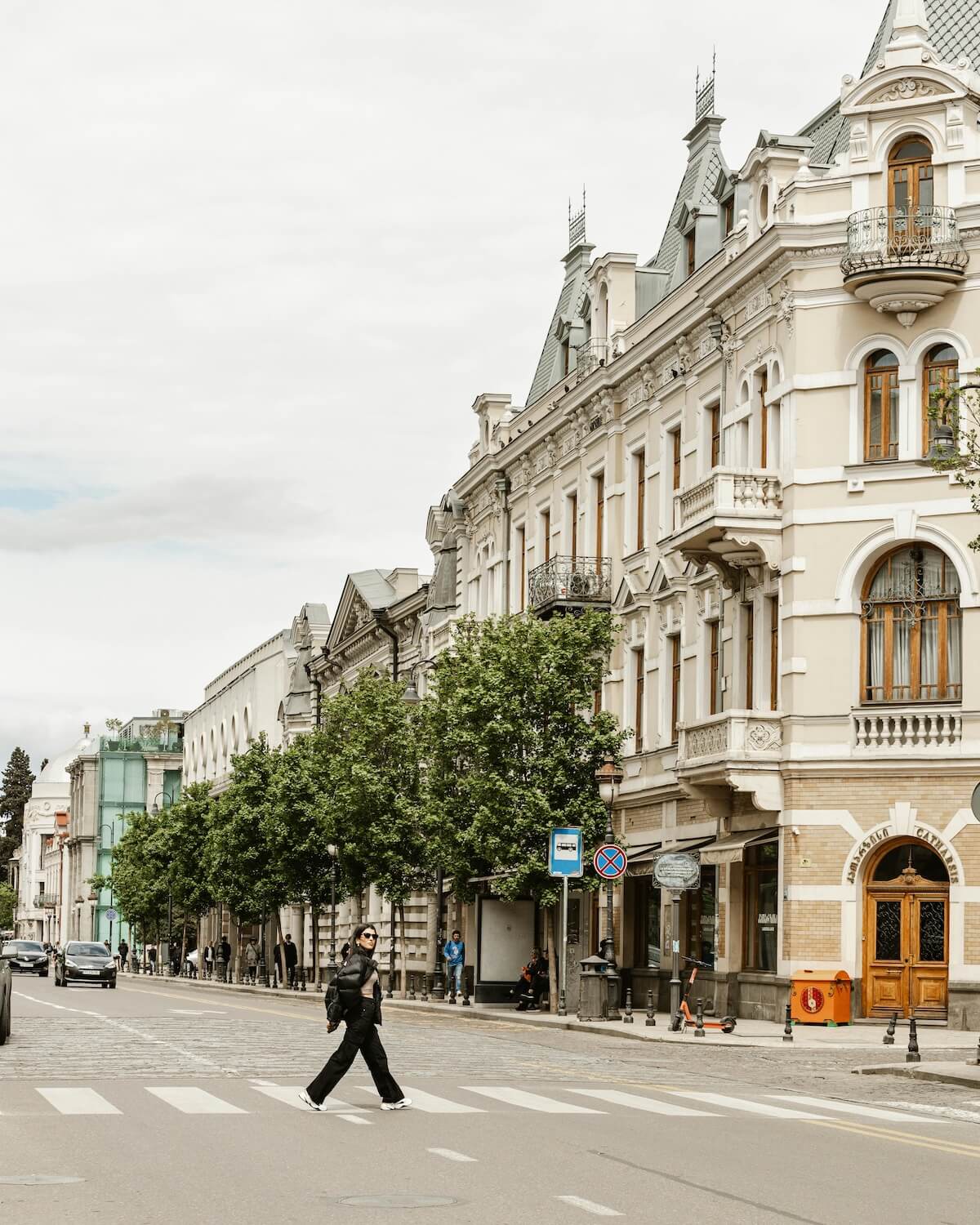
Old Town: Touristy, beautiful historic buildings with crooked staircases and wooden balconies, narrow streets, restaurants aimed at tourists, higher prices ($600-1,000+ monthly). Romantic for short stays, less practical long-term. Difficult to navigate (steep hills, confusing layout), services aimed at tourists not residents. Most long-term nomads avoid living here but visit for dinners and sightseeing.
Fabrika: Not exactly a neighborhood—it's a converted Soviet sewing factory turned hostel/creative space. Impact Hub coworking is here. Attracts backpackers, short-term nomads, younger travelers. Community vibe but transient population. Good for meeting people initially, less suitable for long-term productive work life. Cheapish accommodation but dormitory-style unless you get private room.
Most long-term digital nomads choose Vake or Vera. Saburtalo for budget. Old Town for romantic short stay. Your choice depends on priorities: cheapest (Saburtalo), most nomad-friendly (Vera), most residential (Vake), prettiest (Old Town).
The Community Reality: Russian-Heavy and Politically Complicated
Tbilisi's digital nomad community exists but isn't massive or particularly organized compared to major hubs. Facebook groups (Digital Nomad Tbilisi) have several thousand members. Coworking spaces organize occasional events. Meetups happen but aren't weekly structured affairs like some cities.
The significant factor: the community is heavily Russian. After Russia's 2022 invasion of Ukraine, thousands of Russians relocated to Georgia (along with Armenia, Turkey, Serbia). Tbilisi became newbie Russian digital nomad destination number one. Many coworking spaces, expat gatherings, and Facebook groups are now Russian-language dominated.
This creates complexity. Georgia and Russia have tense history—Russia occupies 20% of Georgian territory (Abkhazia and South Ossetia), fought war in 2008, and many Georgians harbor resentment toward Russia. Russians relocating en masse to Georgia created mixed reactions: economic benefit versus cultural tension.
For non-Russian nomads, this means: expat groups often operate in Russian, though younger Russians speak English. Some events default to Russian language. Georgian locals can be friendlier to non-Russian foreigners. The political situation adds undercurrent of tension that wouldn't exist otherwise.
Meeting Georgians: Difficult. Young professionals often leave for higher salaries elsewhere. Those who stay are busy with work and family. The culture is warm but insular—making Georgian friends requires genuine effort, speaking some Georgian, and time. Many expats report feeling welcomed but not integrated. You'll have expat social circle, Georgian acquaintances, but deep local friendships are rare unless you invest significantly.
English proficiency: Young people (under 35) in Tbilisi generally speak English reasonably well. Older generations don't. Service workers, government offices, doctors—expect Georgian or Russian only in many cases. You'll need translation apps or local help for bureaucracy.
What You Actually Do in Tbilisi: The Daily Life
Remote work life in Tbilisi follows straightforward patterns. Wake up, work from apartment or head to coworking space by 9-10am. Work day runs standard hours. Lunch might be: quick khachapuri ($2-3) from local bakery, full restaurant meal ($5-8), or packed food from home.
After work: gym if you have membership, walk through Vake Park, meet friends for dinner, explore different neighborhoods, or just relax at apartment. Evening activities aren't abundant unless you seek them out. No organized nomad events most nights. You make your own social life or join existing Russian-language groups.
Weekends: This is when Georgia reveals itself. Tbilisi is great base for regional exploration.
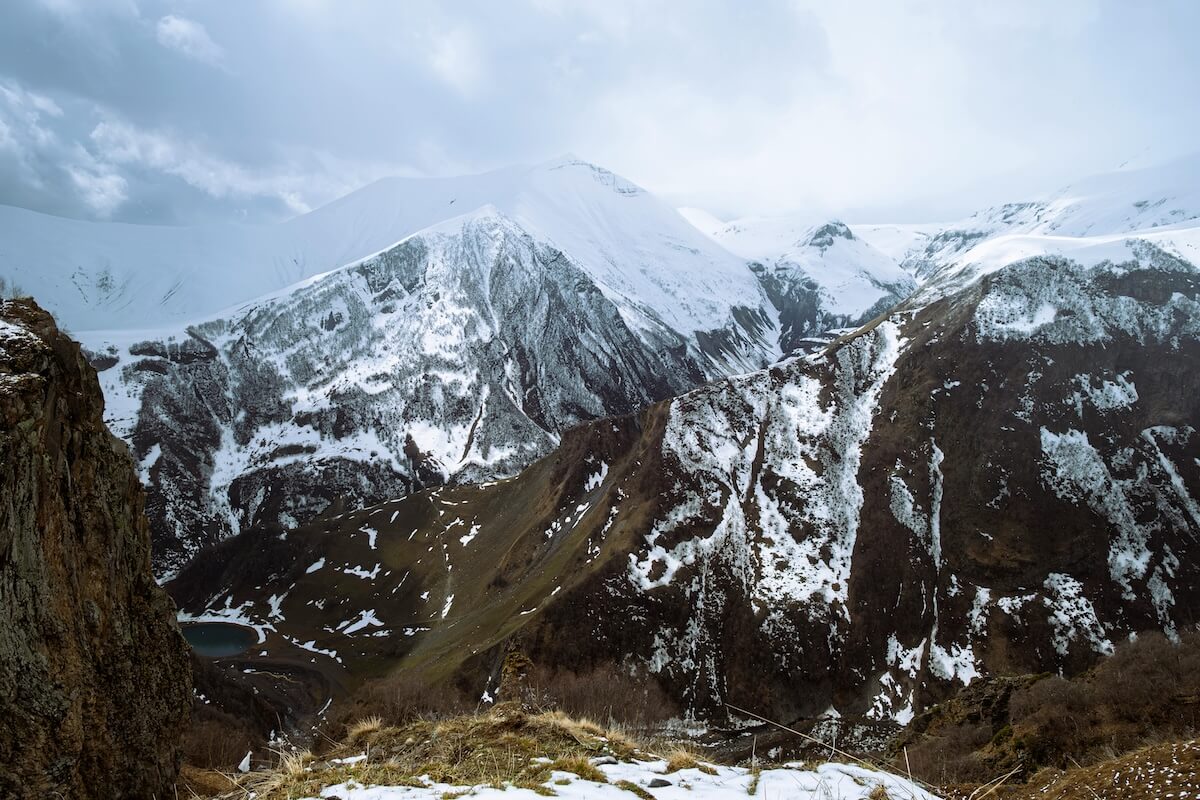
Kazbegi: Three-hour drive north into Caucasus mountains. Dramatic peaks, Gergeti Trinity Church perched on hilltop (iconic photo), hiking trails, clean mountain air. Day trips work, overnight trips better. Marshrutkas run $8 each way, private tours $50-80, rental car gives flexibility. Essential weekend trip for nature lovers.
Kakheti wine region: East of Tbilisi, rolling hills covered in vineyards. Georgian wine culture is ancient (8,000 years). Wine tours visit multiple wineries, include tastings and lunch, cost $30-80 depending on group size. Worth doing once at minimum, enthusiasts return multiple times.
Batumi: Black Sea coastal city, 6-hour drive or short flight. Different vibe than Tbilisi—beachy, more modern, palm trees, casinos. Good for weekend escape, less interesting long-term. Summer destination primarily.
Mtskheta: Ancient capital, 30 minutes from Tbilisi. UNESCO sites, historic churches, riverside town. Easy half-day trip.
The pattern: Tbilisi works as base. The city itself is interesting but not endlessly exciting. Surrounding Georgia—mountains, wine regions, ancient sites, nature—provides weekend variety. This setup suits people who want affordable base city for work with accessible exploration options.
The Cultural Reality: Post-Soviet Rough Edges
Tbilisi isn't Western Europe. It's ex-Soviet, still developing, rough around edges in ways that either charm or frustrate.
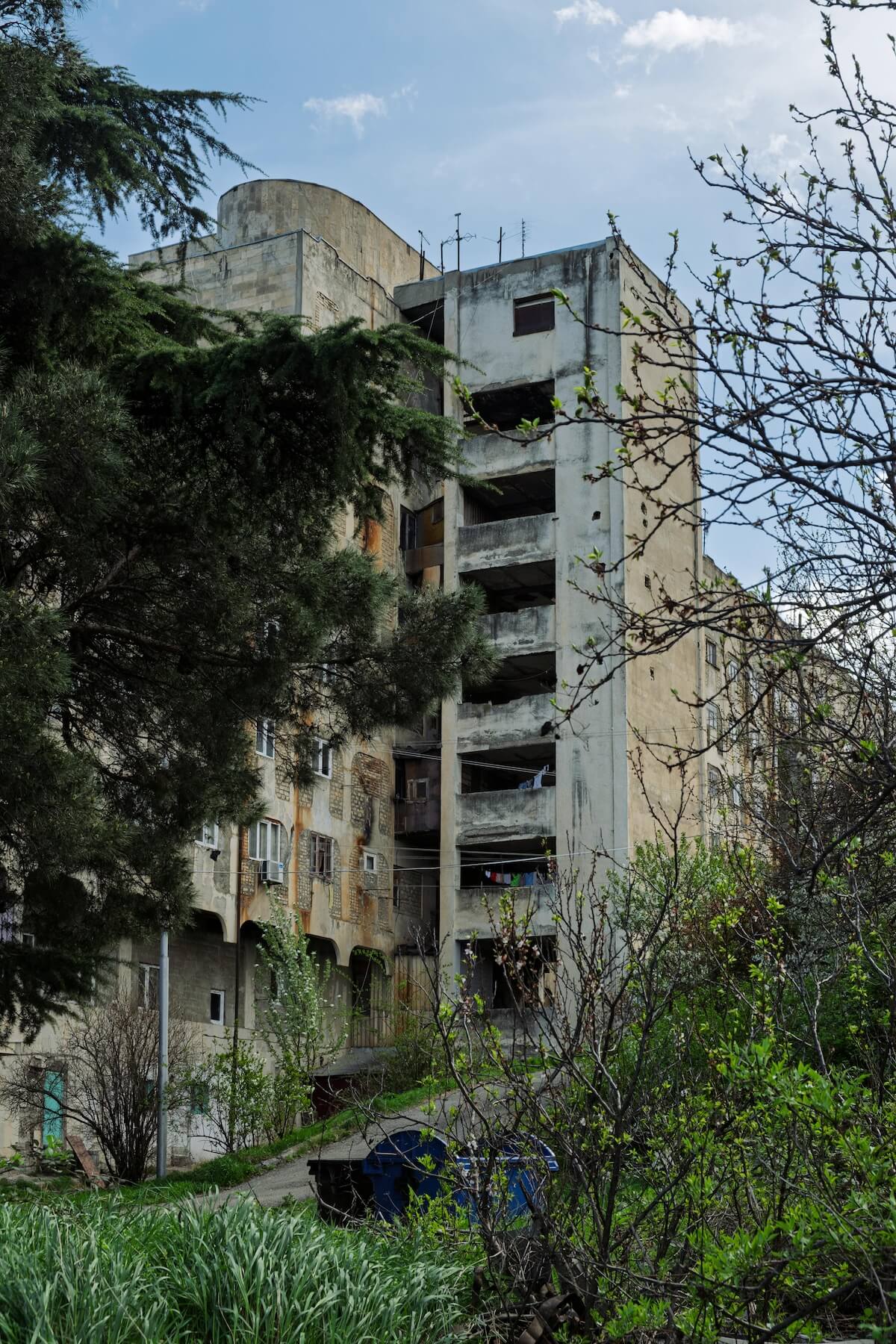
Infrastructure: Sidewalks are broken. Seriously. Hole-filled, uneven, sometimes nonexistent. You'll twist ankle if not careful. Drivers are aggressive—pedestrian crossings are suggestions, not rules. Buildings range from beautifully renovated to crumbling Soviet blocks. The contrast is jarring. Public transport exists but isn't intuitive without language skills.
Service: Variable. Some places are welcoming and professional. Others are indifferent bordering on rude. Restaurant service can be slow by Western standards. Bureaucracy is complicated. Banking requires patience. Things work eventually but rarely smoothly.
Safety: Tbilisi is very safe. Violent crime against foreigners is rare. Petty theft exists but isn't common. Women report feeling safe walking alone at night. The main danger is aggressive driving and broken sidewalks causing falls. Sketchy-looking areas are usually fine. Avoid dodgy bars that might overcharge, but even these are more scam risk than danger risk.
Georgian culture: Warm hospitality is genuine once you break through initial reserve. Georgians are proud of their culture, wine, food, and independence. Family is central. Traditional gender roles persist more than Western Europe but are evolving in cities. The culture values toasts, long dinners, and social bonding over drinking (though less intense than Russian stereotype).
LGBTQ+ considerations: Georgia is conservative. Tbilisi has small gay scene but public displays of affection between same-sex couples might attract negative attention. Legal protections exist but cultural acceptance lags. Not hostile like some regions, but not welcoming like Western Europe. Queer travelers report mixed experiences—mostly fine with caution, occasional uncomfortable moments.
Who Tbilisi Works For (And Who Should Skip It)
Tbilisi succeeds for: Budget-conscious nomads wanting European base under $1,000 monthly, people comfortable with rough edges and Soviet aesthetic, remote workers needing year-long visa without paperwork, foodies who want excellent cuisine cheap, hikers and nature lovers using city as base for Caucasus exploration, anyone tired of polished nomad hotspots wanting something raw and different.
Tbilisi fails for: People needing perfect infrastructure, digital nomads requiring ultra-fast guaranteed internet, travelers wanting organized community events and structure, anyone uncomfortable with post-Soviet aesthetic and bureaucracy, remote workers needing Western-level English everywhere, LGBTQ+ travelers wanting openly welcoming environment.
The honest take: Tbilisi is cheap, functional, interesting, and rough. It's not trying to be Lisbon. You get year-long visa, $600-1,000 monthly costs, decent internet, excellent food, and access to stunning nature—packaged in crumbling Soviet architecture with broken sidewalks and complicated local dynamics.
If you need everything smooth, pay more and go elsewhere. If you can handle rough edges, appreciate genuine affordability, and want base that isn't on every digital nomad Instagram feed, Tbilisi delivers precisely what it promises: ultra-cheap European capital where visa isn't problem, costs are genuinely low, and life is functional if imperfect.
Try it for a month. The city reveals itself slowly. First week feels disorienting—where is everything, why are sidewalks broken, how does anything work? Second week starts making sense—you find your cafe, figure out taxi apps, discover good restaurants. Third and fourth weeks, rhythm develops. You're working remotely in European capital for less than anywhere comparable, eating excellent food cheap, and planning weekend mountain trips. The rough edges stop bothering you or they don't, and you leave.
Tbilisi isn't for everyone. But for nomads seeking maximum affordability with functional basics and willing to accept imperfection, it's possibly Europe's best-kept secret. Just don't expect polish. Expect cheap rent, good khachapuri, broken sidewalks, and a year-long visa that makes everywhere else seem complicated.


Comments
How did this story make you feel?
No comments yet. Be the first to share your thoughts!