Lisbon for Digital Nomads: Europe's Sunniest Remote Work Hub
300 days of sunshine, espresso for €0.70, and a timezone that works for both London and New York. Lisbon has quietly become Europe's most popular digital nomad destination—here's what you need to know.
The sun hits the terrace around 9am. You're on your second bica—the espresso that fuels Lisbon, served in a cup the size of a thimble for less than a euro. The wifi at this cafe hasn't dropped below 50 Mbps all morning. Your afternoon meeting with a client in New York is six hours away, which means you'll knock out focused work through lunch, take the call at 4pm, and still make sunset drinks at a miradouro with a view of the entire city.
This is the Lisbon routine, and it's why the city has become the default European destination for remote workers. The math is straightforward: affordable by Western European standards, warmer than anywhere else on the continent for most of the year, timezone-compatible with both European and American clients, and possessed of that ineffable quality that makes you want to stay.
Portugal actively courts digital nomads—it was one of the first countries to offer a dedicated visa—and the infrastructure has caught up with the demand. Here's what a year of working from Lisbon actually looks like.
Why Lisbon Works
The timezone is the killer feature. Lisbon runs on Western European Time (WET), which means it's aligned with London in winter and just one hour behind in summer. For Americans: New York is 5 hours behind, Los Angeles is 8. You can take East Coast calls in the late afternoon and still have an evening. West Coast requires more creativity, but morning meetings there are your early evening—workable.
The weather is genuinely exceptional. Lisbon gets more sunshine than any major European city—around 300 days per year. Winters are mild (think 10-15°C), summers are warm but not brutal thanks to Atlantic breezes. The Portuguese spend an astonishing amount of time outdoors, and you will too.
Infrastructure is solid. Fiber internet is widespread in central neighborhoods; most apartments advertise 100-500 Mbps, and in my experience, they deliver. 4G/5G coverage is excellent if you need a mobile backup. The metro works, Uber works, the airport has direct flights to most of Europe and increasingly to North America.
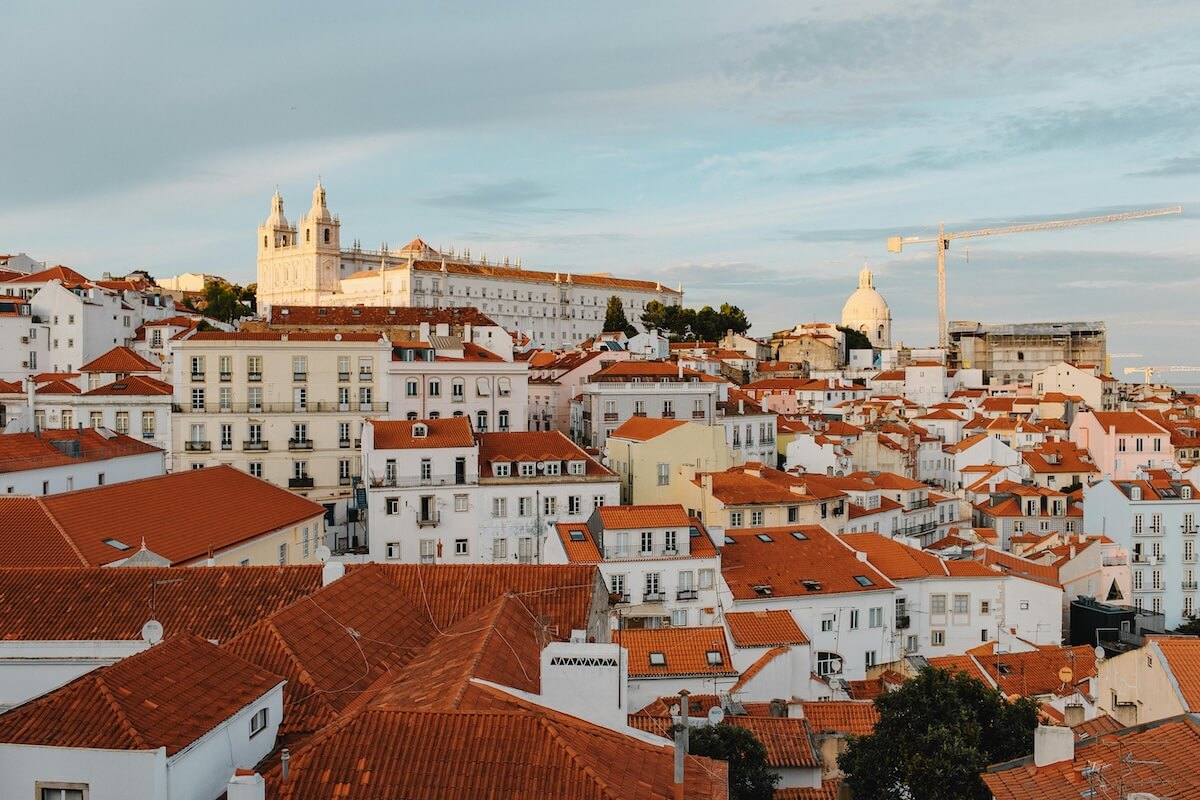
And then there's the intangible: Lisbon is beautiful in a way that sneaks up on you. The light is famous among photographers. The hills create viewpoints everywhere. The faded grandeur of azulejo-tiled buildings gives the city character that newer places can't replicate. It's old without being a museum, lived-in without being shabby.
The Neighborhoods
Lisbon sprawls across seven hills along the Tagus River. The neighborhoods where nomads congregate have distinct personalities—choose based on your priorities.
Príncipe Real is the current favorite. A leafy, upscale neighborhood with a central garden, excellent cafes, and a concentration of coworking spaces. It's walkable to the historic center but feels residential. The crowd skews slightly older and more established than other nomad hubs. Rents are higher—expect €1,200-1,800 for a one-bedroom—but the quality of life justifies it for many.
Bairro Alto and Chiado are the historic center, beautiful and central but noisier. Bairro Alto is Lisbon's nightlife district; living there means accepting that your street will be loud on weekends. Chiado is more refined, with upscale shopping and the famous Brasileira cafe. Both offer location at the cost of peace.
Alfama is the oldest neighborhood, a maze of narrow streets below the castle. Picturesque but not practical for daily work—steep hills, limited flat terrain, fewer modern amenities. Worth exploring; harder to live in.
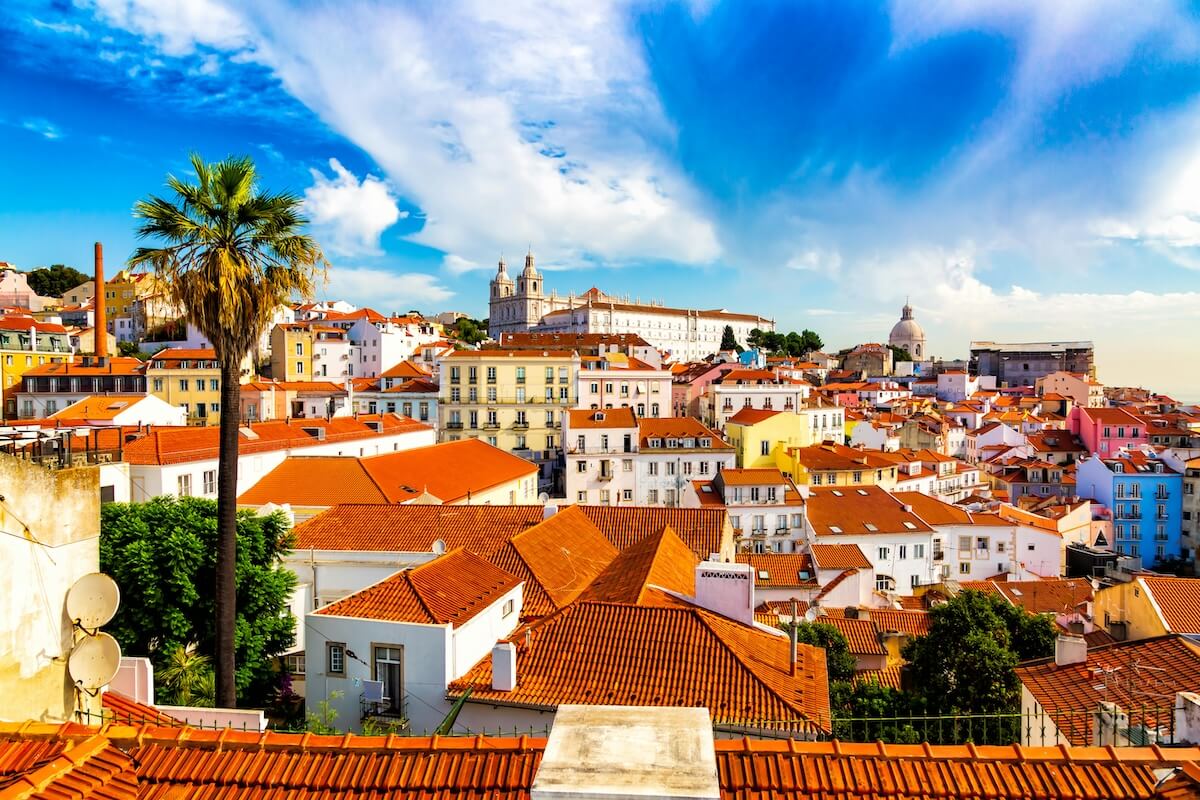
Graça offers views and value. On a hill east of the center, it's more local, less polished, and significantly cheaper. The miradouros (viewpoints) here are legendary. Younger nomads on tighter budgets often land here.
Across the river, Almada and Cacilhas offer the best value with the tradeoff of a ferry commute. Views back toward Lisbon are spectacular, and you'll pay 30-40% less for housing. The Ponte 25 de Abril bridge looks exactly like the Golden Gate because the same company built it.
Working: Cafes and Coworking
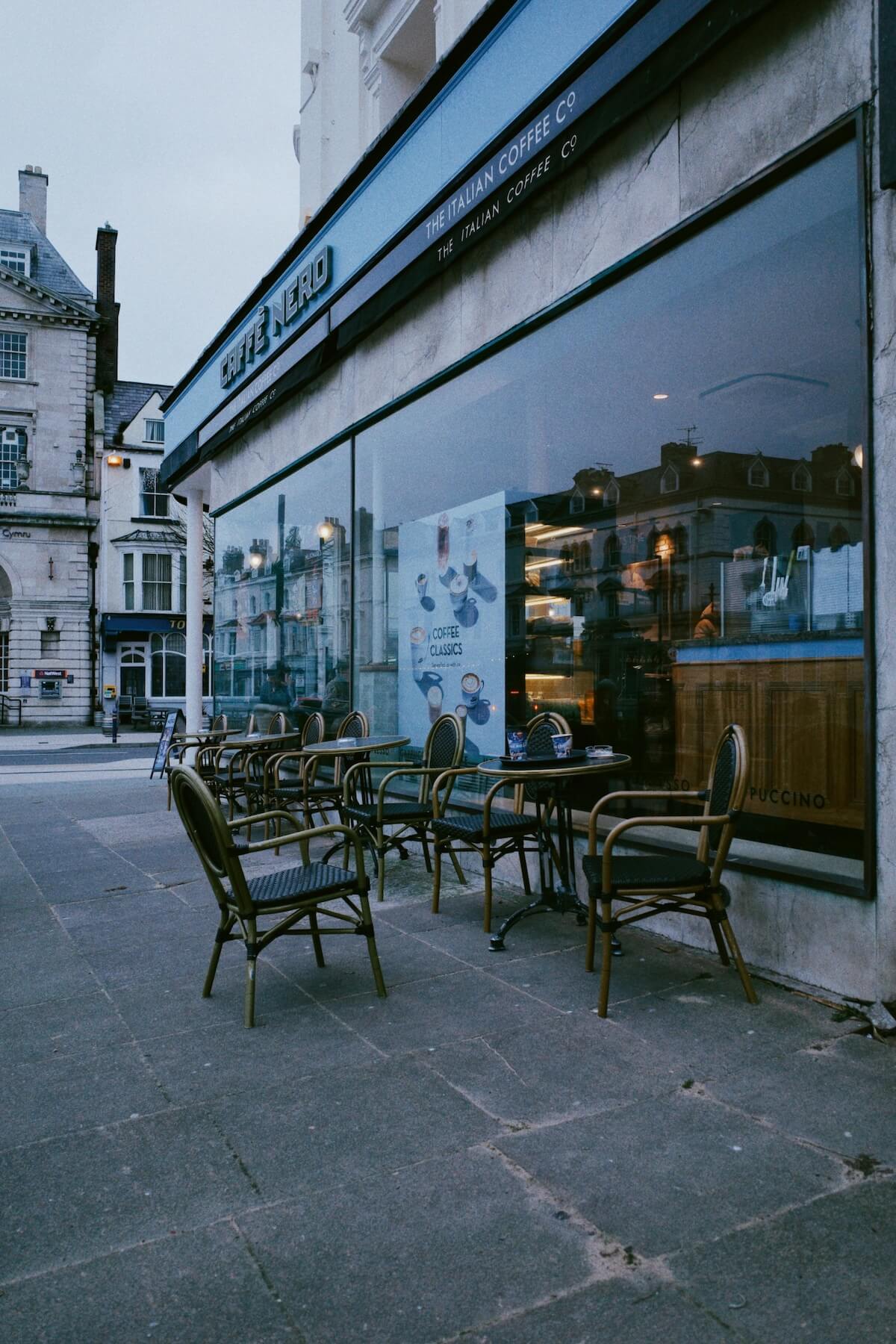
Lisbon's cafe culture is strong, and most places are laptop-friendly during off-peak hours. The culture is less openly work-focused than, say, Mexico City—you won't see as many obvious laptop camps—but good spots exist.
Copenhagen Coffee Lab has multiple locations and is essentially designed for remote work. Fabrica Coffee Roasters in Baixa combines excellent coffee with a productive atmosphere. Landeau Chocolate is famous for its chocolate cake but also works as a work spot. The Brasileira is historic and beautiful but not practical for long sessions—visit for the experience, work elsewhere.
Coworking is well-developed. Heden in Príncipe Real is the community-focused option, running events and fostering connections between members. Second Home near Mercado da Ribeira occupies a gorgeous greenhouse-style space. Cowork Central is no-frills but reliable with multiple locations. Prices run €150-300/month for hot desks, €300-500 for dedicated spaces.
Many nomads work primarily from home. Lisbon apartments often have terraces or access to rooftops, and the weather permits outdoor work much of the year. If your apartment has good wifi and light, you may not need coworking at all.
Cost of Living: The Numbers
Lisbon is no longer cheap by Southern European standards. A decade of tourism, investment, and digital nomad influx has pushed prices up significantly. It's still good value compared to London, Paris, or Amsterdam, but not the bargain it was in 2015.
Housing dominates the budget. A furnished one-bedroom in central neighborhoods runs €1,000-1,600/month. Studios exist from €800-1,200. Further out—Graça, Almada, or suburban areas—cuts costs 20-30%. The rental market is tight; booking ahead for the first month on Airbnb while you apartment-hunt locally is common practice.
Food is where Portugal delivers value. A bica (espresso) costs €0.70-1.00. Pastéis de nata (custard tarts) are €1-1.50 each. Lunch at a tasca (traditional restaurant) runs €8-12 for a full meal with drink. Supermarket groceries are 30-40% cheaper than Northern Europe. The seafood—particularly grilled sardines, bacalhau (salt cod), and fresh fish—is exceptional and priced accordingly.
Going out is reasonable. Dinner at a mid-range restaurant runs €20-35/person. Fado shows—the traditional Portuguese music—are €25-50 with drinks included at tourist venues, cheaper or free at authentic local spots.
Realistic monthly budgets: €1,800-2,200 for comfortable living in a central area. €2,500-3,000 for living well (nicer apartment, frequent restaurants, activities). €1,400-1,700 is possible with roommates or peripheral neighborhoods and cooking at home.
The Portugal Digital Nomad Visa
Portugal was an early mover on digital nomad visas, and the program remains one of Europe's most accessible. The visa allows stays of up to one year (renewable) and can lead to residency.
Requirements are straightforward: proof of income averaging €3,040/month (four times Portugal's minimum wage), health insurance valid in Portugal, a clean criminal record, and proof of remote work or self-employment for a company outside Portugal.
The process involves applying at a Portuguese consulate before arrival (or while on a tourist stay of under 90 days). Processing takes 2-4 months typically. Once approved, you'll need to register with the Portuguese tax authorities and pay taxes if you stay more than 183 days in a calendar year.
For EU citizens, none of this applies—you have the right to live and work in Portugal automatically. Americans, Canadians, and many others get 90 days visa-free in the Schengen zone, which can cover short stays.
Beyond the City: Day Trips and Escapes
One of Lisbon's advantages is easy access to variety. The city never feels claustrophobic because escape is always close.
Sintra is 30 minutes by train and feels like entering a fairy tale. The Pena Palace is absurdly colorful; the castle ruins and Quinta da Regaleira gardens are moody and mysterious. Go early on weekdays to avoid crowds.
Cascais and Estoril are the beach towns, also 30 minutes by train along a scenic coastal route. Cascais has a charming town center; Estoril has the casino that inspired James Bond. Both have beaches, though the Atlantic is cold—Portuguese beaches are more for atmosphere than swimming much of the year.
The Setúbal peninsula south of Lisbon has the best beaches and the Arrábida Natural Park—dramatic cliffs meeting blue water. Requires a car but worth it for a day escape.
Surfing is huge in Portugal. Ericeira, an hour north, is a World Surfing Reserve. Costa da Caparica, just across the river, has beach after beach accessible by a small coastal tram. Even if you don't surf, the coast is striking.
The Social Scene
Finding people is easy. Lisbon has a dense concentration of remote workers, and the community is well-organized.
Coworking spaces run regular events. Meetup groups cover everything from tech to hiking to language exchange. The Facebook groups for Lisbon digital nomads are active with event listings and housing leads.
The Portuguese themselves are reserved initially—friendlier than Northern Europeans, less immediately warm than Southern Europeans—but genuine connections form with time. Speaking even basic Portuguese helps enormously; the effort is noticed and appreciated.
Dating apps work normally. The social scene centers around terraces, rooftop bars, and the various miradouros (viewpoints) that double as sunset gathering spots. Nightlife runs late—dinner at 9pm, drinks after 11pm, clubs that don't peak until 2am.
The Downsides
Lisbon isn't perfect. Some legitimate frustrations:
Housing is tight and getting tighter. The short-term rental market competes with long-term housing, and landlords often prefer Airbnb income to annual leases. Finding a good apartment at a reasonable price requires time, luck, or connections. The market is particularly brutal in summer.
Bureaucracy is genuinely difficult. Portugal's administrative systems are slow, paper-heavy, and often inexplicable. Getting a NIF (tax number), opening a bank account, registering for anything—each involves paperwork and waiting. Bring patience.
The Atlantic is cold. Unlike the Mediterranean, the Portuguese coast requires a wetsuit for serious swimming outside of August. If warm ocean is essential to your happiness, this matters.
Tourism has changed the city. The historic center has become visibly tourist-oriented, with souvenir shops and pastéis de nata chains replacing neighborhood businesses. The locals who remain have complicated feelings about this.
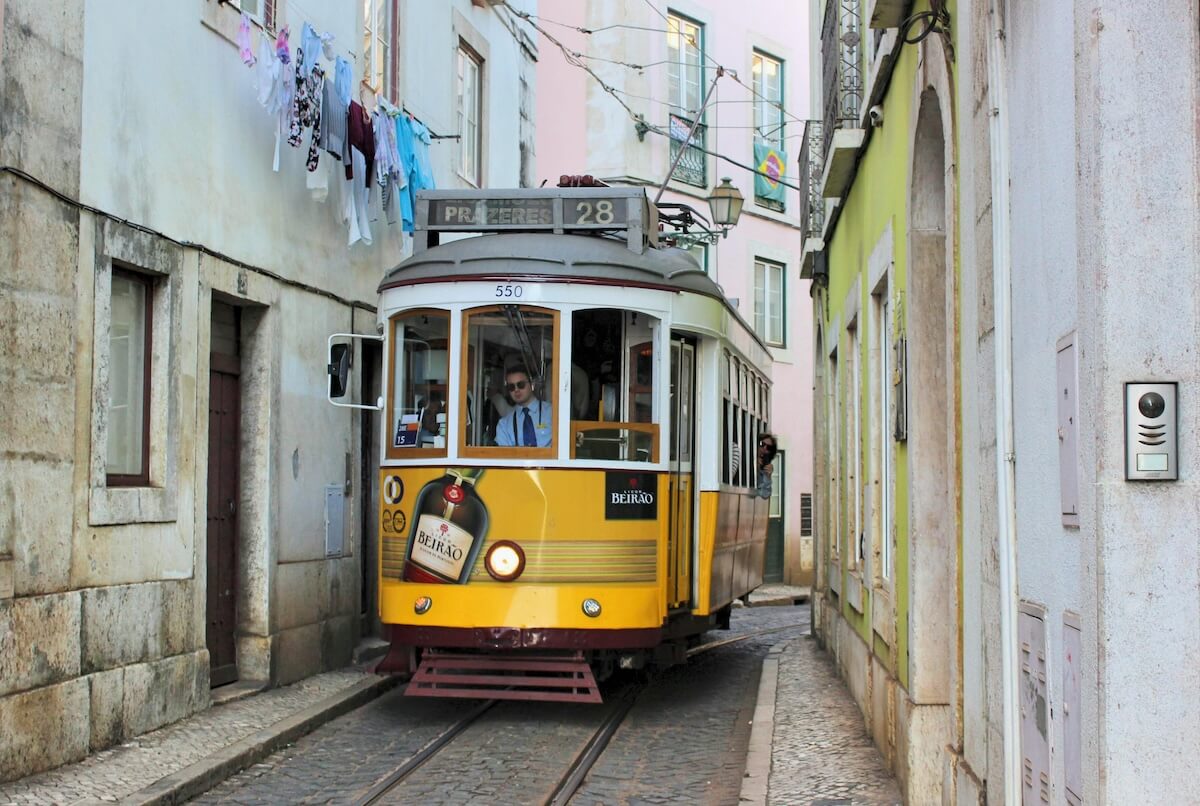
The hills are serious. Lisbon is built on seven of them, and the cobblestones are often uneven. If mobility is a concern, neighborhood choice matters significantly. Good shoes are not optional.
Who Lisbon Is For
Lisbon works best for people who want European culture and quality of life at below-Paris prices. It's ideal if you're working with European or East Coast American clients and need reasonable timezone overlap with both.
It suits those who value aesthetics—the light, the architecture, the views—and don't mind paying more than Bali or Mexico City for the privilege of European infrastructure and safety.
It's particularly good for a first step into longer-term international living. The digital nomad visa creates a pathway to residency. English is widely spoken. The learning curve is gentler than many destinations.
It might not work if you need beach-and-swimming lifestyle (try the Canary Islands or the Algarve instead), if your budget is genuinely tight (Southeast Asia will go further), or if you dislike cities with visible tourism (increasingly hard to avoid here).
Making It Work Long-Term
Many nomads plan a month in Lisbon and stay a year. The city earns loyalty through accumulation—favorite cafes, familiar walks, the way the light hits your neighborhood at a particular hour.
For extended stays: secure housing with a contract if possible (better prices, more stability). Register with the local parish (Junta de Freguesia) for access to local services. Learn enough Portuguese to handle daily interactions—it changes how people treat you. Find routines outside the obvious nomad spots; the city has depth beyond the highlights.
The best version of Lisbon life involves less of the Instagram miradouros and more of the neighborhood tascas, the riverside walks in Belém, the day when you realize you've built something closer to a life than a trip.
That's the real pitch for Lisbon: not that it's cheap (it isn't anymore) or that it's perfect (it has frustrations), but that it's a genuine city where you can do genuine work while building something that feels less temporary than the nomad lifestyle often does. The sun helps. The espresso helps. But it's the possibility of staying that makes the difference.


Comments
How did this story make you feel?
No comments yet. Be the first to share your thoughts!