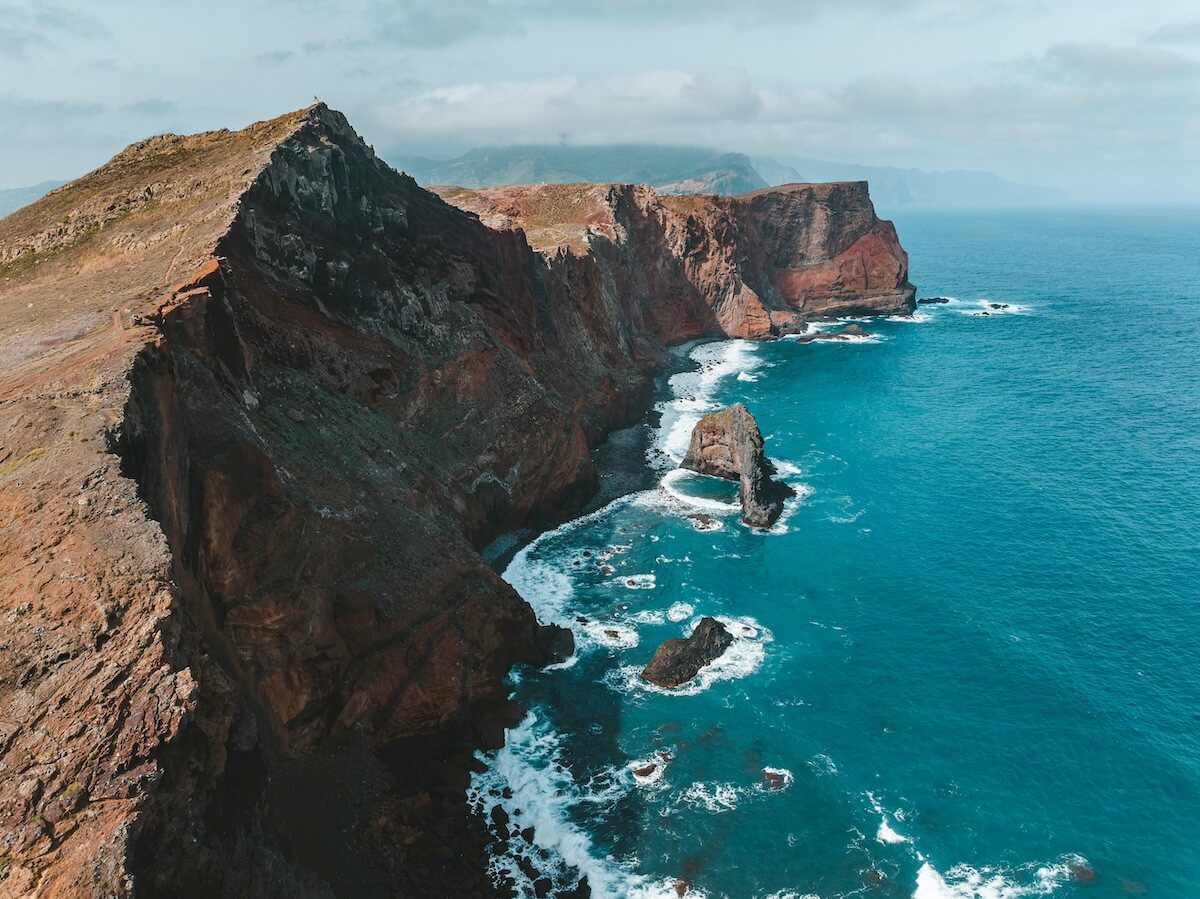
Madeira's Digital Nomad Village: When a Government Actually Wants Remote Workers
Portugal built the world's first official digital nomad village on this Atlantic island. Free coworking, fiber internet, year-round spring weather, and a community that isn't accidental.
Most digital nomad destinations happen organically—Chiang Mai filled with backpackers who stayed, Bali attracted surfers with laptops, Lisbon became popular because remote workers liked the vibe. Madeira did something different: Portugal's government looked at a small fishing village called Ponta do Sol, realized it had fiber internet and needed economic revitalization, and deliberately built infrastructure specifically for remote workers.
In 2021, they launched the Digital Nomads Madeira Islands program. Free coworking space with ocean views. Community managers to help integration. Networking events, skill-sharing workshops, weekly dinners. Not a tourist gimmick—an actual strategy to attract educated professionals to an island that historically struggled economically.
Three years later, it worked. Ponta do Sol regularly hosts 80-100 digital nomads. Funchal (the capital) developed its own coworking scene. Other towns—Machico, Santa Cruz, Jardim do Mar—built their own nomad infrastructure. Madeira now competes seriously with Lisbon and Porto as Portugal's remote work hubs, offering something those cities can't: year-round spring weather, dramatic hiking 20 minutes from your apartment, and community structure that makes integration effortless.
This isn't the cheapest digital nomad destination. You won't live on $800 monthly like Southeast Asia. But Madeira offers something specific: professionally-built infrastructure, government support for integration, a legitimate community (not just randoms in the same city), and lifestyle quality that makes monthly costs feel justified. If you want remote work with actual structure rather than figuring everything out alone, Madeira delivers.
The Digital Nomad Village: What Actually Exists
Ponta do Sol is a small coastal town 20 minutes west of Funchal. Population around 8,000. One main street running along the cliff above the Atlantic. A few restaurants, cafes, small supermarket, pebble beach at the bottom of town. Historically it survived on fishing and agriculture. Tourism existed but minimally.
The Digital Nomads Madeira Islands program installed free coworking space in a renovated building in the town center. Modern desks, ergonomic chairs, fast internet (100+ Mbps consistently), meeting rooms, outdoor terrace overlooking the ocean. Open to anyone who registers (free, takes five minutes online). Operating hours are weekday business hours, though access sometimes extends to evenings and weekends.
The space typically hosts 30-80 people on any given day depending on season. Mix of freelancers, remote employees, entrepreneurs, and occasional laptop tourists trying it for a week. Age range skews 25-40. Nationality mix is genuinely international—Europeans dominate but Americans, Canadians, Brazilians, and various others appear regularly.
Community managers organize weekly events: group dinners at local restaurants, hiking trips into the mountains, skill-sharing sessions where nomads teach each other specialized knowledge, beach volleyball, occasional parties. Participation is optional but the structure makes meeting people essentially automatic. Show up to coworking, someone will talk to you within an hour. Attend a group dinner, you'll have friends by dessert.
This sounds suspiciously wholesome. It mostly is. The government-backed structure creates community that forms naturally in the right conditions rather than forcing it. People are there specifically to work remotely and be part of this scene. Self-selection filters for openness. The result is unusually functional for a transient population.

Downsides exist. Ponta do Sol is small—one main street, limited restaurant variety, no real nightlife beyond occasional gatherings. If you need urban stimulation or diverse food options, you'll drive to Funchal regularly. The community can feel insular if you're not naturally social—everyone knows everyone, which is great or claustrophobic depending on personality. And turnover is constant. You'll make friends who leave next month. That's intrinsic to nomad life but feels more pronounced in a small town.
Funchal: The Capital Alternative
Funchal offers different trade-offs. Population 110,000. Actual city infrastructure—restaurants ranging from local tavernas to upscale dining, multiple supermarkets, nightlife that exists beyond organized events, shopping, museums, marina, historic old town. Less intimate than Ponta do Sol, more functional for daily life.
Coworking spaces include Cowork Funchal (€10 daily or monthly membership options), Sangha Cowork Funchal (modern space, professional atmosphere, networking events), and several smaller spaces. The scene is less centralized than Ponta do Sol—you won't automatically meet every remote worker in town, but networking opportunities exist through coworking memberships and Facebook/Slack groups.
Living costs run slightly higher in Funchal—apartments €700-1,200 monthly for one-bedroom depending on location and quality. Restaurants cost the same as Ponta do Sol but more options exist. Transport is easier (bus network, more taxis) but walking handles most daily needs in central areas.
Choose Funchal if you want: urban amenities, more anonymity, easier access to flights (airport is here), less dependence on community events for social life, or you've tried small-town nomading before and know it's not your thing. Choose Ponta do Sol if you want: tight-knit community, free coworking, focus on outdoor activities, intentional slower pace, or you're new to digital nomading and want structure.
The Money Question: What Madeira Actually Costs
Let's establish reality: Madeira isn't cheap. It's affordable compared to Western Europe or North American cities, but expensive compared to Southeast Asia, Latin America, or Eastern Europe. Monthly costs range €1,200-2,000 for comfortable living depending on choices.
Accommodation: Private studios/one-bedrooms in Ponta do Sol run €500-800 monthly for long-term rentals (minimum 1-3 months). Funchal costs €700-1,200 depending on neighborhood and quality. Coliving spaces exist—Nomadico in Paul do Mar/Jardim do Mar charges €500-1,200 monthly including accommodation and coworking; Homeoffice Madeira in Santa Cruz runs similar rates. Short-term Airbnbs cost significantly more—expect €800-1,500 monthly minimum.
Coworking: Ponta do Sol is free. Funchal coworking runs €10 daily drop-in or €40-150 monthly depending on membership level. Most nomads in Ponta do Sol use the free space; Funchal residents split between paid coworking and working from apartments/cafes.
Food: Supermarkets are reasonable—€150-250 monthly covers groceries if you cook most meals. Local restaurants charge €8-15 for full meals (soup, main course, drink). Upscale dining runs €20-40 per person. Cafes charge €1-2.50 for coffee, perfect for occasional laptop sessions. Budget €300-500 monthly for food if you mix cooking and eating out.
Transport: Funchal buses cost €30-40 monthly for unlimited pass. Car rental runs €20-40 daily (€400-800 monthly) plus fuel (€1.50/liter). Most nomads either: live in Funchal without car (walkable), live in Ponta do Sol and share rental car with other nomads for weekend exploration, or rent car for 1-2 weeks to explore then return it. Taxis are expensive—ride-sharing culture exists in nomad community for getting around.
Activities: Hiking is free. Beaches are free. Levada walks (irrigation channel trails through forests and mountains) are free. Paid activities include: whale watching €50-80, canyoning €50-100, surfing lessons €40-60, occasional boat trips €30-80. Budget €100-300 monthly if you're active, less if you stick to free outdoor activities.
Sample monthly budget breakdown:
- Budget nomad (€1,200-1,500): Studio in Ponta do Sol €600, groceries €200, eating out occasionally €150, coworking €0 (free), activities €100, transport €50 (buses/shared rides), miscellaneous €150
- Mid-range nomad (€1,500-2,000): One-bedroom in Funchal €900, groceries/restaurants split €400, coworking €100, activities €200, transport €200 (car rental occasionally), miscellaneous €200
- Comfortable nomad (€2,000+): Nice apartment €1,200, eating out frequently €500, coworking €150, activities/entertainment €300, transport €300 (regular car access), miscellaneous €200
These costs assume staying 1-3 months minimum. Short stays cost more due to accommodation premiums. The longer you stay, the better deals you find on apartments and the more you optimize spending.
The Visa Situation: How to Stay Legally
Madeira is part of Portugal, so Portuguese visa rules apply. EU/EEA citizens need nothing—move freely, stay indefinitely, work remotely without permits. Everyone else needs visas for stays beyond 90 days.
The Portugal Digital Nomad Visa (D8 Visa) launched in late 2022 specifically for remote workers. Requirements: proof of remote employment or self-employment, minimum monthly income of €3,480 (this increased from €2,800 in 2024, may rise again), valid passport, clean criminal record, Portuguese health insurance. Application process involves submitting documents to Portuguese embassy/consulate in home country, waiting 2-3 months for approval, then moving to Portugal and registering for residence permit.
Once approved, the visa grants one year residence, renewable annually. After five years of legal residence, you can apply for permanent residency and eventually citizenship (requires Portuguese language test at A2 level).
Tax implications: If you spend 183+ days in Portugal annually, you become tax resident and pay Portuguese income tax on worldwide income. However, Portugal's Non-Habitual Resident (NHR) program offers reduced tax rates for 10 years for qualifying foreign income. This is complex—consult tax professional if staying long-term. Short stays (under 183 days annually) don't trigger tax residency.
Many nomads use the 90-day tourist visa, leave Schengen for 90 days, return for another 90 days. This technically works but is gray area—you're not supposed to work on tourist visa even if working remotely for non-Portuguese clients. The D8 visa legitimizes this, but requires commitment and meeting income threshold.
Alternative: D7 visa (passive income visa) works for retirees, investors, or anyone with stable passive income meeting minimum thresholds. Different requirements than D8 but achieves same result—legal residence.
The Climate Reality: Year-Round Spring
Madeira markets itself as "eternal spring." This is mostly accurate. Winter temperatures (December-February) range 15-19°C daytime, rarely dropping below 12°C at night. Summer (June-August) hits 20-26°C, occasionally reaching 30°C during hot spells. This is dramatically milder than mainland Portugal, which gets genuinely hot in summer and cold in winter.
Rain happens primarily October-March. Not constant—patterns involve occasional rainy days followed by clear weather. Summer (April-September) is drier with more consistent sun. Microclimates vary across the island—south coast (where Funchal and Ponta do Sol are) is sunniest and warmest; north coast gets more rain and clouds; mountains are cooler and foggier.
The climate enables outdoor activities year-round. You can hike in January wearing a light jacket. You can swim in October without wetsuit. This is Madeira's primary selling point for nomads—work inside when you need to, step outside to 22°C sunshine and hit a trail or beach whenever you want break.
Downsides: Occasional winter storms bring heavy rain and wind—expect 2-5 days monthly December-February where outdoor plans get cancelled. Summer fog can blanket mountains, limiting hiking visibility. And "year-round spring" means it never gets hot by tropical standards—if you need 35°C beach weather, mainland Portugal or elsewhere serves you better.
What You Actually Do Here: The Lifestyle Reality
Digital nomad life in Madeira follows predictable patterns. Mornings: wake up, work from apartment or head to coworking by 9-10am. Work until lunch (12:30-2pm typically). Lunch break might involve: grabbing local restaurant meal (€8-12), eating packed lunch on coworking terrace overlooking ocean, or quick swim at nearby beach if weather is perfect.
Afternoon: More work until 5-6pm. Post-work activities depend on day and energy: sunset hike on nearby trail (levadas are everywhere), swim at natural volcanic pools, gym session, join community event if one's scheduled, or just relax at apartment/cafe.
Evenings: Group dinners 1-2 times weekly if you're social and in Ponta do Sol (community managers organize these). Otherwise, cook at home, eat at local restaurant, meet friends for drinks, or join whatever social event is happening. Funchal has more nightlife—bars, occasional club nights, live music. Ponta do Sol is quieter—socializing happens through organized events or spontaneous gatherings, not bar-hopping.
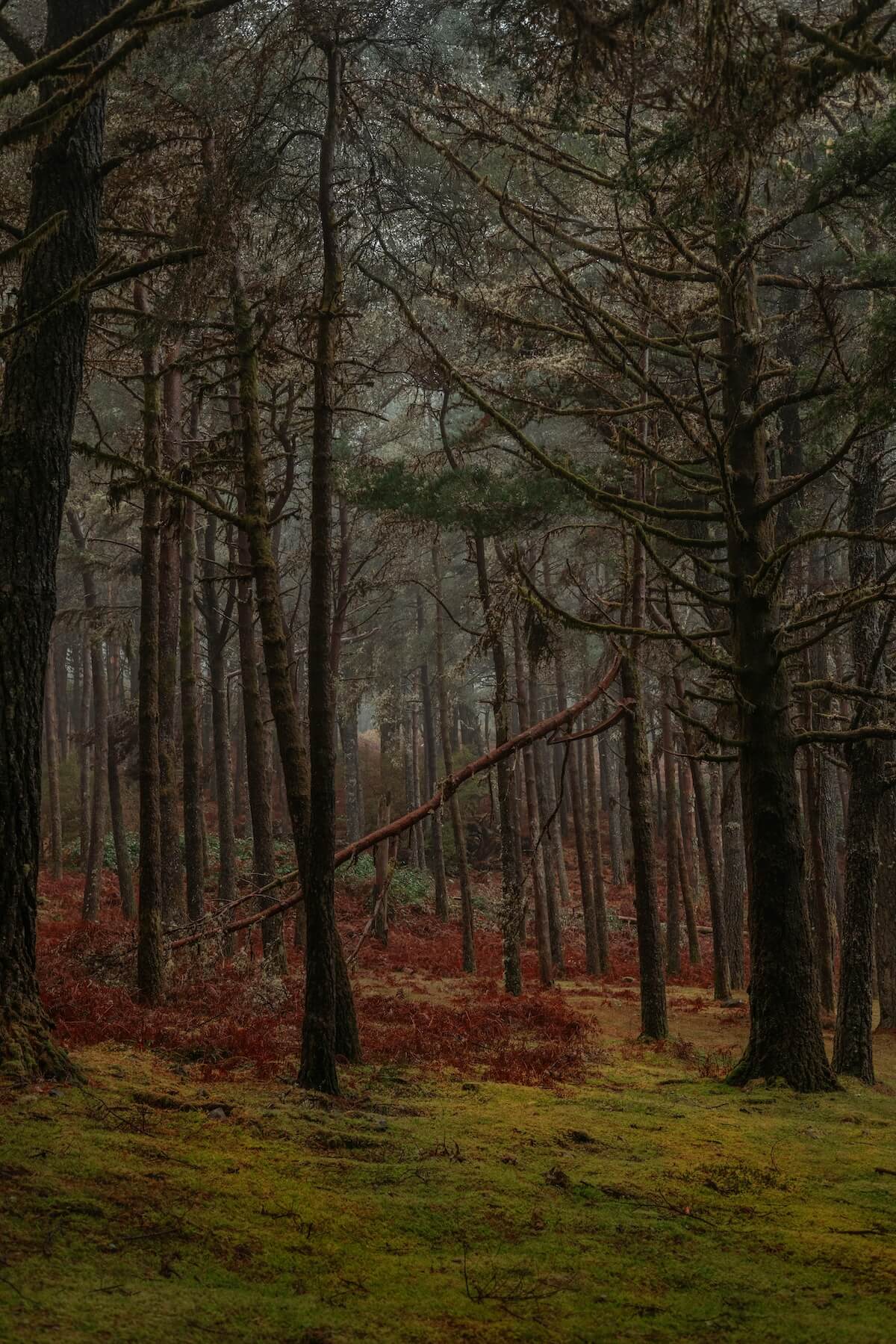
Weekends: This is when Madeira shines. Saturday morning: drive 45 minutes to trailhead, hike Levada das 25 Fontes (waterfalls and laurel forest) or Pico do Arieiro (mountain peak with dramatic views). Afternoon: swim at Porto Moniz natural pools (volcanic rock formations creating protected swimming areas) or explore Santana (traditional triangular houses). Evening: dinner in mountain village or coastal town you've never tried.
Sunday: More relaxed—beach day at Calheta (one of few sandy beaches), explore Funchal's old town and markets, or just recover from Saturday hiking. Some nomads use weekends for island exploration via rental car. Others maximize outdoor activities. Some treat it like normal weekend and don't do anything special.
The rhythm works because outdoor activities are accessible. Need break from screen? Twenty-minute drive reaches hiking trailhead. Fifteen-minute walk reaches ocean. This integration of work and outdoor lifestyle is Madeira's core appeal—you're not sacrificing access to nature for work infrastructure or vice versa.
The Community: What Works and What Doesn't
Madeira's nomad community is unusually structured. Slack and WhatsApp groups exist for housing tips, ride-sharing, event coordination, and general questions. Weekly meetups happen in Ponta do Sol. Monthly networking events occur in Funchal. Facebook groups (Digital Nomads Madeira) have 3,000+ members sharing advice and organizing gatherings.
This structure helps newcomers integrate fast. Arrive in Ponta do Sol, attend one group dinner, suddenly you know 15 people. Show up to coworking space, join the lunch group, you're part of community within days. For solo travelers or people new to remote work, this removes the hardest part—finding your people.
What works: The government backing creates legitimacy and infrastructure most nomad destinations lack. Community managers actually do their jobs—organizing events, helping with logistics, facilitating connections. The community attracts people who want community, self-selecting for social openness rather than pure cheapness.
What doesn't always work: High turnover means relationships reset constantly. You'll meet amazing people who leave after four weeks. The small-town dynamic can feel limiting—everyone knows your business, rumors spread, relationship drama affects broader community. And if you don't naturally click with the current group, your options are limited in a town of 8,000 where half the nomads you'll ever meet are already present.
Funchal offers more anonymity but less automatic community. You'll need to make effort—attend coworking networking events, join Facebook groups, message people for coffee. The infrastructure exists but doesn't hold your hand.
Cultural integration with locals: Mixed results. Ponta do Sol's influx of nomads created economic benefits (occupied apartments, filled restaurants) but also tension—rising rents, changing town character, language barriers. Younger locals generally welcome nomads; older residents are more ambivalent. Learning basic Portuguese helps significantly. Making effort to support local businesses rather than only nomad-frequented places matters.
Practical Realities That Matter
Language: Portuguese with Madeiran accent. English is common in tourist areas, coworking spaces, and among younger people. Daily life outside nomad bubble requires Portuguese or patience with translation apps. Supermarkets, banks, government offices, local restaurants—expect Portuguese-only interactions. This isn't Bali where everyone speaks English.
Healthcare: EU citizens use European Health Insurance Card. Non-EU citizens need private insurance (required for visa). Quality is good—public hospitals in Funchal, private clinics throughout island, pharmacies everywhere. Costs are low compared to US—doctor visits €50-100 without insurance, medications cheap. Emergency services are competent.
Banking: Opening Portuguese bank account is possible with residence permit but bureaucratic. Many nomads use TransferWise/Wise, Revolut, or home country banks. ATMs accept international cards (check fees). Credit cards work widely.
Shopping: Funchal has everything—multiple supermarkets (Continente, Pingo Doce), electronics stores, clothing shops, international products. Ponta do Sol has small supermarket covering basics, pharmacy, few shops. Major shopping requires Funchal trip (20 minutes by car, 30-40 by bus).
Safety: Madeira is very safe. Petty theft exists in tourist areas but violent crime is rare. You can walk anywhere at night without concern. Hiking alone is safe (though always tell someone your route). The main dangers are ocean (currents can be strong) and mountain weather (fog/rain can make trails dangerous).
Time zone: GMT/UTC+0 (same as London, Lisbon). This works well for European clients, manageable for US East Coast (5 hours behind), rough for US West Coast (8 hours behind), and terrible for Asian timezones. If your work requires real-time US West Coast collaboration, reconsider Madeira.
Who Madeira Works For (And Who It Doesn't)
Madeira succeeds for: Solo travelers wanting community structure, remote workers new to nomading who need support, outdoor enthusiasts who want hiking/swimming access while working, Europeans seeking mild year-round weather, people willing to pay mid-range prices for quality infrastructure, anyone tired of Southeast Asia but not wanting expensive Western Europe, and freelancers/remote employees with stable income meeting visa thresholds.
Madeira fails for: Extreme budget travelers (costs are €1,200+ monthly minimum), party-focused nomads (nightlife is minimal outside Funchal), people needing big city energy (even Funchal is small), digital nomads requiring Asian/American timezone alignment, travelers allergic to structure/community events, and anyone expecting tropical heat (it's spring-like, not hot).
The honest assessment: Madeira offers professionally-built nomad infrastructure government actually supports, legitimate community rather than randoms in same place, year-round outdoor access integrated with work life, and quality of life justifying mid-range costs. It's not groundbreaking or revolutionary—it's just well-executed. Portugal looked at what digital nomads need, built it deliberately, and maintains it properly.
If you want maximum cheapness, go to Vietnam or Albania. If you want massive city, go to Lisbon or Barcelona. If you want beach party scene, go to Bali. If you want structured community, reliable infrastructure, outdoor lifestyle, and government that actually welcomes you—Madeira delivers exactly that.
The Digital Nomad Village in Ponta do Sol isn't hype or marketing gimmick. It's a small coastal town where Portugal's government installed free coworking, hired community managers, and created conditions for remote workers to thrive. Three years in, it works. Visit for a month, see if the rhythm fits. If it does, stay longer. If it doesn't, at least you tried the world's most deliberately-built nomad destination and learned what you actually want.


Comments
How did this story make you feel?
No comments yet. Be the first to share your thoughts!