Buenos Aires: Where Your Dollar Goes 3x Further (And the Tango Is Free)
Argentina's economic chaos is your remote work opportunity. Buenos Aires costs $800-1,500 monthly with world-class culture, established nomad infrastructure, and a currency advantage that makes steak dinners affordable. Just navigate the inflation.
Argentina's economy is a perpetual mess. Inflation runs 100%+ annually. The official exchange rate is fiction. Multiple parallel exchange rates exist. Banking is complicated. Currency controls change monthly. This sounds terrible for visitors, except for one critical fact: if you earn dollars, euros, or pounds and spend Argentine pesos, you're getting 2-3x the purchasing power you'd have almost anywhere else.
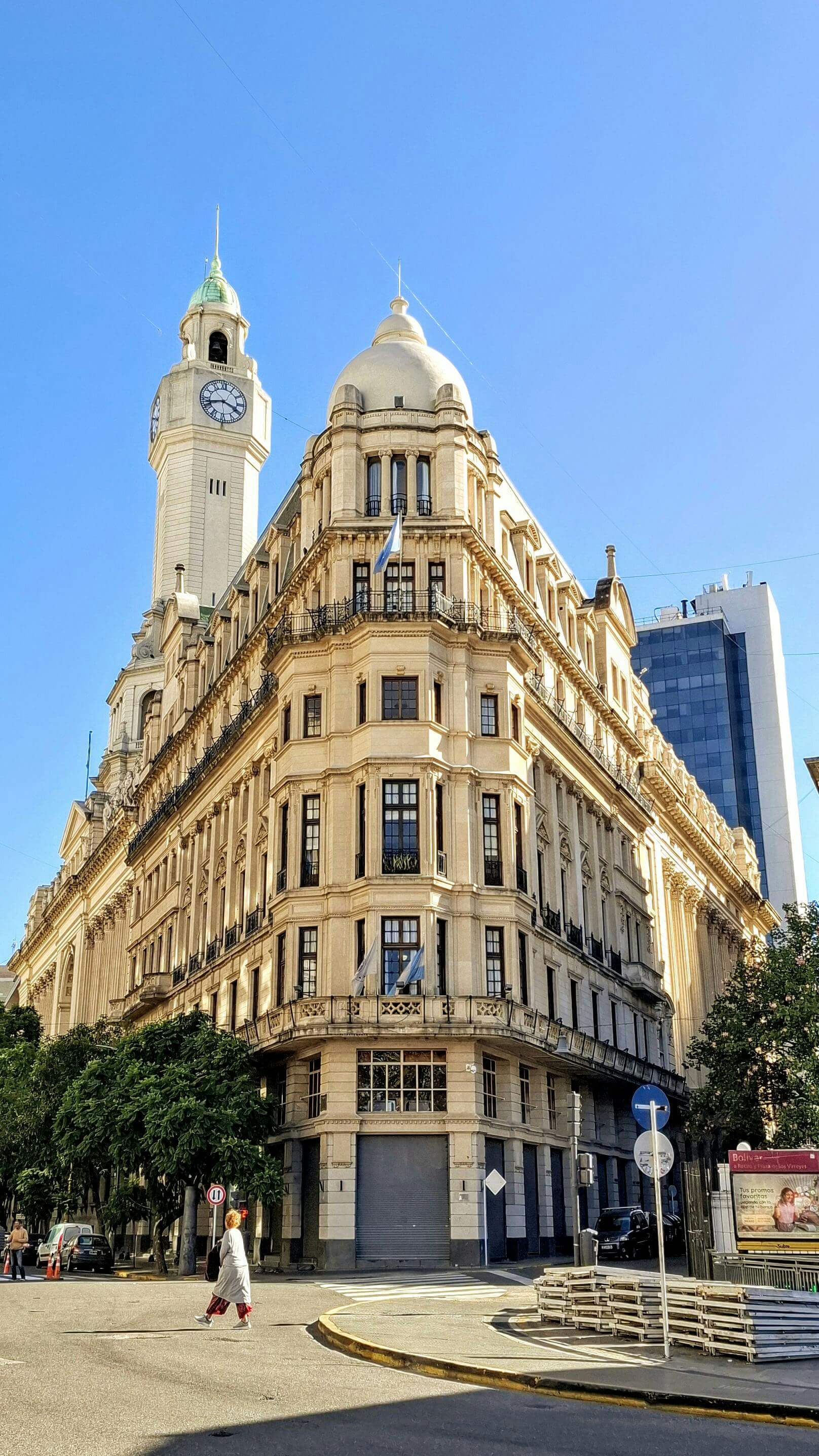
Buenos Aires combines genuine European capital culture—grand architecture, world-class steak, opera houses, literary cafes, sophistication—with developing world prices. You can eat restaurant meals for $8, rent furnished apartments in hip neighborhoods for $500-800 monthly, take tango lessons, attend concerts, explore museums, and live well on $800-1,500 total monthly spending. The catch: you need to understand how money works here, navigate constant inflation, and accept that infrastructure reflects Argentina's economic chaos.
For digital nomads, Buenos Aires offers established community, abundant coworking spaces, excellent cafe culture, reasonable internet (when it works), 180-day visa-free entry for most nationalities, and Latin American time zones that sync with US/Canada. The nomad infrastructure is mature—this isn't pioneering territory. Thousands of remote workers have based here for years, drawn by the cultural richness, affordability, and vibrant city energy.
But Buenos Aires isn't easy. The currency situation requires constant attention. Services are unreliable. Bureaucracy is kafkaesque. Power outages happen. The economy's volatility means prices shift constantly. If you need everything predictable and smooth, skip Argentina. If you can handle chaos in exchange for cultural richness and affordability, Buenos Aires delivers something unique: a legitimate world capital at budget prices.
The Money Game: How Currency Actually Works
Understanding Argentine currency is essential. The official exchange rate is controlled by government and divorced from reality. The blue dollar (dólar blue) is unofficial parallel rate that's typically 50-100% higher than official. When Argentines say "blue dollar," they mean black market exchange rate that reflects actual supply/demand.
How this affects nomads: Bring physical US dollars in excellent condition (no marks, tears, or older series—Argentines are picky). Exchange at cuevas (unofficial exchange houses) or through trusted contacts for blue rate. Never exchange at banks or official places unless you enjoy losing money. Credit cards charge official rate plus fees, making them expensive. ATMs give official rate with terrible fees. Western Union often offers near-blue rates and is legal, useful backup.
Current situation (early 2025): Blue dollar hovers around 1,000-1,200 pesos per USD depending on day, while official rate might be 400-600. This gap constantly changes. Check dolarblue.net or ambito.com for current rates daily. The government occasionally cracks down on parallel exchange, rates shift based on politics, and the whole system is Byzantine. But understanding it multiplies your purchasing power significantly.
Practical tactics: Arrive with $1,000-2,000 cash in pristine $100 bills. Exchange $200-300 at a time as needed. Keep bulk in hotel safe or locked luggage. Ask locals, hostel staff, or expat Facebook groups for trusted exchange contacts. Never change money on street with random people—scams exist. Western Union works well for amounts under $500 and avoids carrying large cash. Local Argentine friends sometimes help with exchanges at blue rate.
The inflation factor: Prices rise constantly. Rent quoted in dollars stays stable, but peso prices for restaurants, transport, and daily costs increase monthly. What costs 1,000 pesos today might be 1,200 pesos in two months. This makes budgeting imprecise—plan for 10-20% price increases across 6-month stay. Track exchange rates weekly and adjust cash exchange timing accordingly.
What Buenos Aires Actually Costs (With Smart Money Moves)
Accommodation: Furnished apartments in Palermo (top nomad neighborhood) run $500-800 monthly for studios, $700-1,200 for one-bedrooms. Book 1-3 months initially. Airbnb works but charges premium. Local real estate groups on Facebook often better—search "Alquileres Temporarios Buenos Aires" or "BA Expats Housing." Landlords often want dollars cash, which works in your favor. Recoleta (upscale) costs $800-1,500 monthly. San Telmo (bohemian) and Villa Crespo (residential) run $400-700. Utilities usually included or minimal ($20-50 monthly).
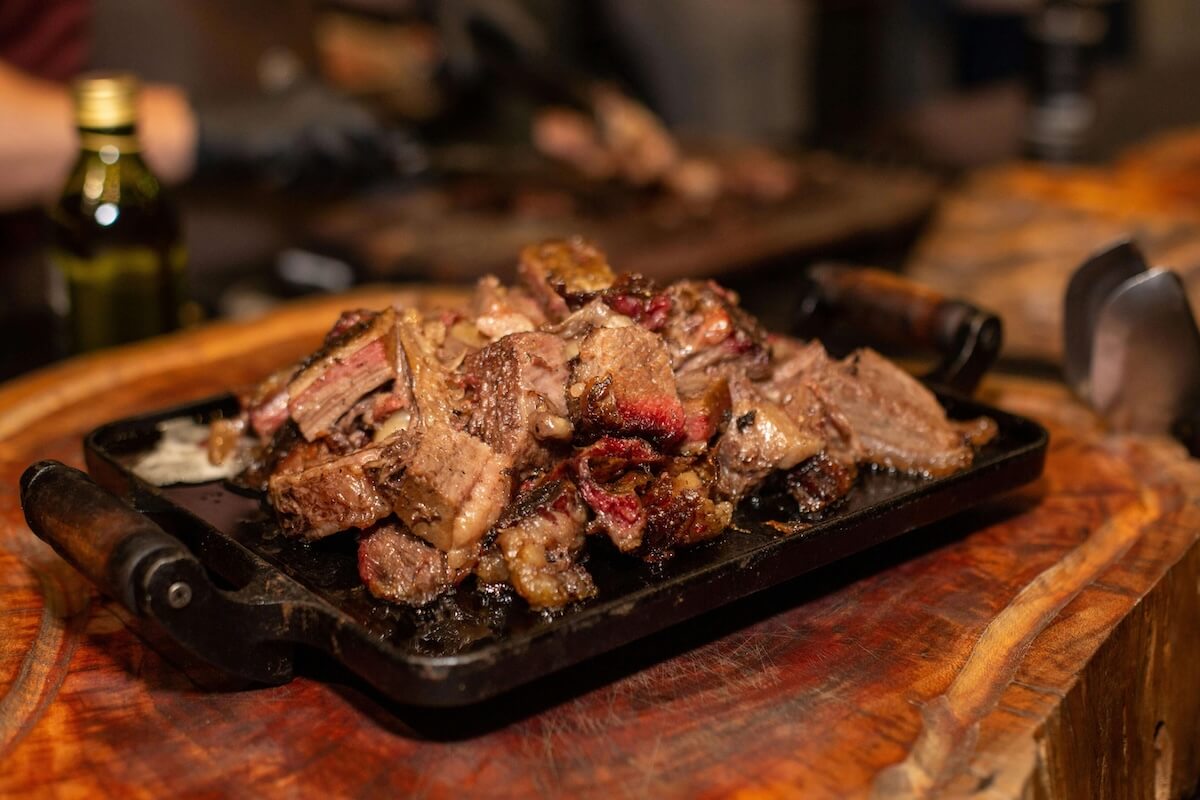
Food: This is where Buenos Aires shines. Restaurant meals cost $5-12 for quality local food. Steak dinner runs $15-25 at good parrillas (steakhouses). Empanadas are $1-2 each. Cafe con leche and medialunas (croissants) for breakfast costs $3-5. Groceries are cheap—$150-250 monthly covers cooking at home regularly. Argentine beef is world-class and affordable.
Transport: Buenos Aires has extensive public transit. Subte (metro) costs $0.30 per ride with SUBE card (rechargeable transit card, $2-3 to purchase). Buses (colectivos) run everywhere for $0.30-0.50. The system is confusing initially—Google Maps transit works well. Taxis are cheap—$3-6 for most cross-neighborhood trips. Uber and Cabify exist with similar pricing. Walking works well in central neighborhoods—Palermo, Recoleta, San Telmo, and Microcentro are walkable.
Coworking: La Maquinita Co has multiple locations, costs around $120-180 monthly for unlimited access, offers professional spaces with good community. WeWork exists (more expensive, $200-300 monthly). Huerta Coworking ($100-150 monthly) is sustainability-focused, popular with nomads. Area Tres focuses on startups and entrepreneurs. Most offer day passes ($10-15) to test before committing. Many nomads skip coworking entirely—Buenos Aires has exceptional cafe culture, most coffee shops welcome laptop workers all day.
Activities: Tango lessons run $10-20 per class, free milongas (tango dance events) happen nightly. Museums cost $2-8 entry, many free on certain days. Concerts and live music are $10-25. Asado (barbecue) gatherings organized by hostels/meetups cost $15-25 for all-you-can-eat meat and sides. Day trips to Tigre Delta, Uruguay (Colonia), or wine regions run $30-80. Language classes cost $15-25 per hour for private lessons, $100-200 monthly for group courses.
Monthly budget breakdown:
- Budget nomad ($800-1,000): Apartment in Villa Crespo or San Telmo $500, groceries plus occasional eating out $200, coworking $0 (cafes only), transport $20, activities $80, miscellaneous $100
- Comfortable nomad ($1,200-1,500): Palermo apartment $700, mix of cooking and restaurants $300, coworking membership $130, transport $40, tango classes, concerts, weekend trips $200, miscellaneous $150
- Upscale nomad ($1,800-2,500): Nice Recoleta or Palermo apartment $1,000, eating out frequently $500, premium coworking/gym $250, regular taxis $100, cultural activities and travel $300, miscellaneous $200
These costs assume you're exchanging at blue dollar rate. Using official rate would double expenses. The sweet spot for most nomads: $1,000-1,500 monthly provides comfortable living with quality apartment, regular restaurant meals, coworking access, and active cultural life.
Neighborhoods: Where to Actually Live
Buenos Aires is massive—48 neighborhoods (barrios) across sprawling city. Most nomads cluster in 4-5 specific areas. Here's the breakdown:
Palermo: The main nomad hub, subdivided into Palermo Soho (trendy, boutiques, restaurants, nightlife), Palermo Hollywood (media companies, production studios, slightly more residential), and Las Cañitas (dining, sports bars, slightly upscale). This is where you'll find most coworking spaces, highest concentration of English speakers, abundant cafe options, and established expat community. Parks (Bosques de Palermo) provide green space. Safe, walkable, vibrant. The downside: expensive by Buenos Aires standards, can feel like expat bubble disconnected from local Argentine life. Apartments run $600-1,000 monthly.
Recoleta: Upscale neighborhood with French-influenced architecture, wide tree-lined avenues, cultural center, famous cemetery (Evita's grave), luxury hotels, and polished atmosphere. Feels more European than other barrios. Safe, sophisticated, excellent for people who want refined environment. Multiple coworking options, many cafes, regular cultural events. More expensive—$800-1,500 monthly apartments. Slightly older demographic than Palermo, less party scene, more established expats and wealthy Argentines.
San Telmo: Historic neighborhood with colonial architecture, cobblestone streets, antique shops, Sunday flea market, bohemian energy, tango shows, and artistic community. Charming, authentic, photogenic. The catch: older buildings sometimes have infrastructure issues, streets can be rough, slightly less safe than Palermo/Recoleta (still fine with normal precautions). More local flavor, fewer English speakers, more Argentine character. Apartments run $400-700 monthly. Good for people wanting authenticity over polish.
Villa Crespo: Residential neighborhood adjacent to Palermo, historically Jewish area, increasingly popular with younger Argentines and budget-conscious nomads. Authentic local life, good restaurants, craft breweries, calmer than Palermo but still accessible. Less coworking infrastructure but improving. Great value—$400-600 monthly apartments. Works for nomads who want to live like locals rather than expats, don't need constant English speakers around, and prioritize affordability.
Colegiales: Quiet residential barrio near Palermo, leafy streets, local markets, laid-back atmosphere. Popular with long-term nomads who've outgrown Palermo party scene but want proximity to infrastructure. Good cafes, flea market on weekends, easy metro access. Cheaper than Palermo ($450-700 monthly) while maintaining convenience. Less tourist-facing, requires more Spanish, rewards you with genuine neighborhood experience.
First-timers typically choose Palermo for 1-3 months to establish, meet community, learn city, then might move to Villa Crespo, Colegiales, or San Telmo for better value or different energy. Recoleta works for people wanting upscale base from start.
Internet, Infrastructure, and Daily Reality
Internet: Buenos Aires has adequate internet for most remote work. Fiber connections are common in central neighborhoods. Home internet runs 50-100 Mbps typically, costs $15-30 monthly. Reliability is the issue—outages happen, especially during storms or peak demand. Power cuts also affect internet. Always have backup: local SIM with data (Movistar, Claro, Personal offer prepaid plans around $10-20 monthly with decent data). Coworking spaces generally maintain better infrastructure with backup generators.
Cafe WiFi: Buenos Aires cafe culture is legendary. Most cafes have WiFi, many are laptop-friendly, though speeds vary (10-30 Mbps common). Famous nomad cafes include: LAB Tostadores in Palermo Hollywood (excellent coffee, fast WiFi, power outlets), Café Registrado in Palermo (spacious, individual lamps and outlets), Full City Coffee House (patio and interior options), and literally hundreds of others. Café Martinez (local Starbucks equivalent) is ubiquitous and reliable. Order coffee or medialunas, work for hours, no pressure to leave.

Power outages: They happen. Maybe 1-2x monthly in nice neighborhoods, more frequently in older areas. Usually brief (30 minutes to 2 hours), occasionally longer. Building generators are rare except luxury apartments. Have laptop charged, mobile data ready, and flexible schedule. Don't schedule important client calls during Buenos Aires summer (December-February) when demand peaks and outages increase.
Infrastructure quirks: Sidewalks are broken—watch your step. Drivers are aggressive—crosswalks are suggestions. Buildings range from modern to crumbling, sometimes on same block. Elevators are tiny and old. Service is slower than US/Europe—meals take 90+ minutes, bureaucracy requires patience, everything operates on Argentine time. Banking is complicated—opening local account as tourist is difficult, ATMs have low withdrawal limits with high fees.
Healthcare: Argentina has good medical care. Private clinics are affordable—doctor visits cost $20-40, specialists $30-60, dentists $25-50. Medical tourism is common. Private insurance through OSDE or Swiss Medical runs $80-150 monthly for comprehensive coverage. Most nomads use international insurance (SafetyWing, World Nomads) plus pay cash for appointments when needed. Pharmacies are abundant, many medications available without prescription.
Visa Situation: 180 Days, Then What?
Most nationalities (US, Canada, EU, UK, Australia, etc.) get 90-day tourist visa upon arrival. Extensions possible for additional 90 days (total 180 days annually) through immigration office—costs around $100, requires paperwork, time, and patience. Process is bureaucratic but doable.
Argentina introduced Digital Nomad Visa in 2022, allows remote workers to stay 180 days with possibility of 180-day renewal (full year). Requirements: proof of remote work for foreign company, income documentation, clean criminal record, health insurance. Application process is still evolving, experiences vary by consulate. Many nomads skip it—enter as tourists, extend once if staying 6+ months.
The visa run option: Exit to Uruguay (Colonia or Montevideo) for weekend, return with fresh 90 days. Ferry from Buenos Aires to Colonia takes 1 hour, costs $60-120 round trip, makes pleasant weekend trip. Uruguay is more expensive but stable, good contrast to Argentine chaos. This technically resets tourist visa though immigration officers might question frequent border runs.
Tax implications: If staying 180+ days annually, you become Argentine tax resident. Argentina taxes worldwide income for residents. Many nomads stay under 180 days annually to avoid this, or they don't report (not recommended but common). Consult tax professional if planning extended stay. Argentina's tax enforcement is less aggressive than developed countries but risks exist.
The Community: Established But Not Overwhelming
Buenos Aires has mature nomad community without being oversaturated like Chiang Mai or Lisbon. Community exists but isn't in-your-face—you can opt in or out.
Finding people: Facebook groups (BA Expats, Digital Nomads Buenos Aires, Couchsurfing Buenos Aires) are active. Coworking spaces organize events. Language exchange meetups happen weekly (you help with English, locals help with Spanish). Tango classes naturally build social connections. Hostels run events open to non-guests—Milhouse and Che Lagarto organize frequent gatherings. The nomad scene skews American/European, ages 25-40, mix of freelancers, startup workers, and remote employees.
Making local friends: Possible but requires effort. Argentines are warm but insular—strong family/friend groups leave less room for newcomers. Speaking Spanish helps significantly. Attending football matches, joining local clubs (sports, arts), taking classes, and frequenting same cafes/restaurants builds familiarity. Tango community is welcoming if you commit to learning. Don't expect instant deep friendships, but genuine connections develop with time and language effort.
The expat divide: Large American expat population exists, some living in Buenos Aires for years/decades. Old-guard expats sometimes view short-term nomads skeptically. Newer waves of remote workers create distinct subculture. The dynamics are complex—long-term expats know Argentina deeply, newer nomads bring fresh energy but less context. Both groups mix but also maintain separate circles.
Culture, Activities, and Why People Actually Stay
Buenos Aires isn't cheap gateway to beaches or mountains—it's legitimate cultural capital with European sophistication and Latin passion. People stay for the city itself.
Tango: Everywhere. Free outdoor milongas in parks, structured classes ($10-20), professional shows ($30-80), late-night social dancing in traditional venues. Learning tango provides instant community, physical activity, cultural immersion, and impressive skill. Even if you don't become serious dancer, taking few classes and attending milongas offers unique Buenos Aires experience.
Food culture: Argentine beef is legitimately world-class. Parrillas serve massive portions of perfectly grilled meat for $15-25. Asado (barbecue) is social ritual—attending local asado gatherings provides cultural insight. Empanadas are art form—every neighborhood has best-empanadas-in-Buenos-Aires shop. Italian influence means great pasta and pizza. Café culture is serious—porteños spend hours in cafes reading, chatting, observing.
Arts and nightlife: Buenos Aires has thriving theater, opera, concerts, art galleries, bookshops, and literary tradition. Teatro Colón (opera house) rivals European venues. Independent theaters stage experimental work. Live music happens nightly—rock, electronic, folk, jazz. Bars and clubs open late (midnight is early), close sunrise. Drinking culture exists but isn't as intense as some expect—Argentines often drink lightly throughout long evenings rather than binge drinking.
Weekend trips: Tigre Delta (1 hour north) offers boat rides and riverside restaurants. Colonia del Sacramento in Uruguay (1-hour ferry) is colonial town perfect for weekends. Iguazu Falls (2-hour flight) is essential multi-day trip. Mendoza wine region (1.5-hour flight) for vineyard tours. Mar del Plata (5-hour bus) for beach. Bariloche and Patagonia (2-hour flight) for mountains and hiking. Buenos Aires works well as South America hub.
Who Buenos Aires Works For (And Who Should Skip)
Buenos Aires succeeds for: Remote workers comfortable with economic volatility and currency navigation, culture enthusiasts who value museums/theater/tango over beaches, budget-conscious nomads wanting world capital at cheap prices, Spanish learners seeking immersion environment, people who thrive in energetic, slightly chaotic cities, foodies obsessed with quality beef, nomads seeking established community without overwhelming crowds, Latin America explorers using BA as hub for regional travel.
Buenos Aires fails for: Digital nomads needing perfect reliable infrastructure, people who struggle with bureaucracy and inefficiency, travelers uncomfortable navigating parallel currency markets, remote workers requiring 100% internet uptime, anyone needing everything polished and predictable, non-Spanish speakers unwilling to learn (possible but limits experience significantly), people wanting beach/nature lifestyle, travelers who need warm weather year-round (BA has cold winters).
The honest verdict: Buenos Aires offers incredible value if you accept trade-offs. You get genuine European-style capital with grand architecture, sophisticated culture, world-class steak, vibrant nightlife, and literary tradition for $1,000-1,500 monthly. The infrastructure is imperfect, economy is chaotic, and bureaucracy is maddening. But the cultural richness, established nomad community, and purchasing power create compelling package.
First-timers should come for 2-3 months minimum. Week one feels overwhelming—where to exchange money, how transit works, why everyone eats dinner at midnight, Spanish bombardment. Week two starts clicking—you've found your cafe, established routine, met few people, figured out SUBE card. By month two, you're settled—favorite parrilla, regular tango milonga, Spanish improving, city feeling navigable. Many nomads arrive planning 3 months and extend to 6 or 12.
The currency advantage won't last forever. Argentine governments periodically attempt stabilization, which narrows blue dollar gap. Economic cycles mean today's bargain might be tomorrow's moderate price. But for now, Buenos Aires offers rare combination: legitimate world capital culture at budget prices, established nomad infrastructure, Latin American time zones, and enough chaos to keep things interesting.
Come prepared: bring cash dollars, download WhatsApp, join Facebook groups, learn basic Spanish, embrace Argentine time, pack patience for bureaucracy, and understand your bargaining power comes from economic dysfunction. Buenos Aires rewards flexibility, punishes rigidity, and offers cultural experience that's richer than most cities at three times the cost.


Comments
How did this story make you feel?
No comments yet. Be the first to share your thoughts!