New Zealand Solo: The World's Best Country for Traveling Alone
Safe, spectacularly beautiful, and engineered for independent travelers. New Zealand might be the most solo-friendly destination on earth. Here's how to do it right.
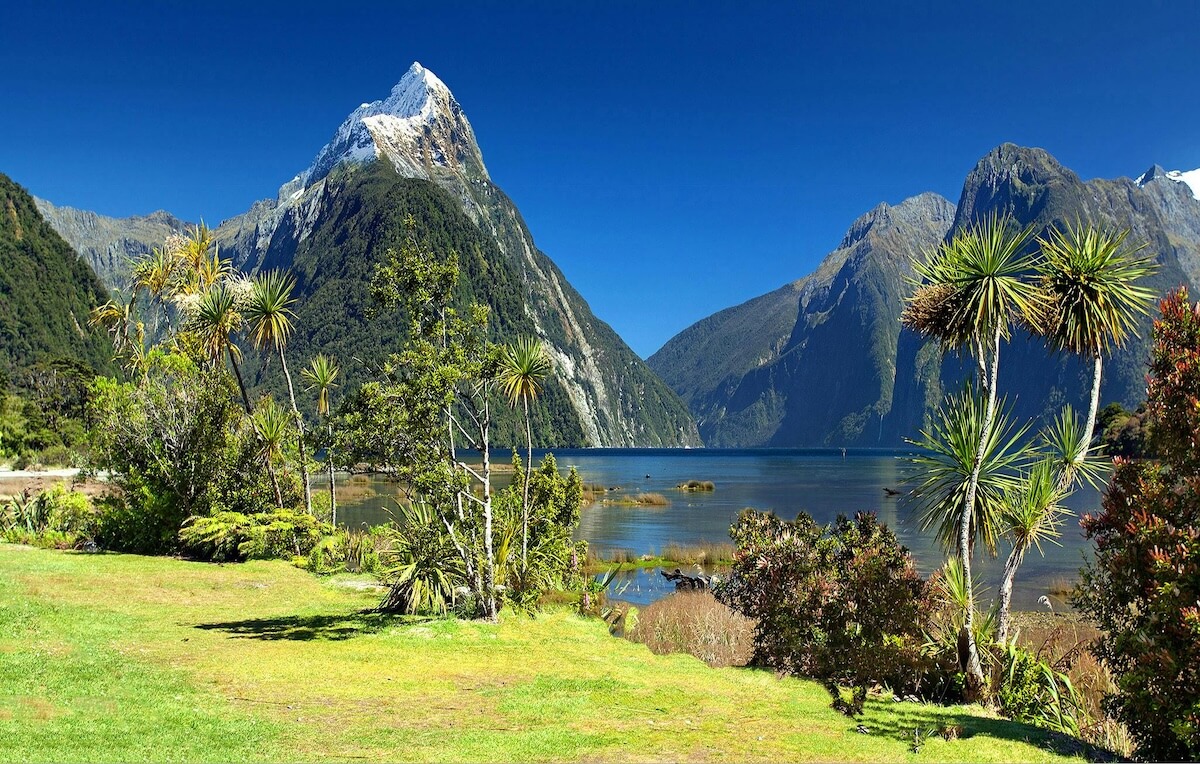
The campervan was parked at the edge of a cliff. Below, Milford Sound stretched toward mountains that dropped straight into black water. It was 6am, I'd driven two hours in the dark to beat the tour buses, and I was completely alone. Just me, instant coffee from a camp stove, and one of the most dramatic landscapes on the planet.
This is New Zealand solo travel: the freedom to chase sunrise at fjords, to change plans on a mountain road, to spend three days on a trail without seeing another person or three hours in a pub making friends you'll keep for years. The country is built for this. Small, safe, spectacularly beautiful, and structured around a backpacker culture that celebrates independent travelers rather than treating them as an afterthought.
I've done New Zealand twice—once as a broke 22-year-old in a $3,000 station wagon, once a decade later with an actual budget—and both times it delivered exactly what solo travel should: the ability to be entirely self-directed in a place worth directing yourself toward.
Why New Zealand Works for Solo Travelers
The safety is real. New Zealand consistently ranks among the world's safest countries. Violent crime against tourists is rare enough to make news when it happens. Hitchhiking, while not universal, still exists here in ways it hasn't in most Western countries for decades—a useful indicator of the general trust level. Women traveling alone report feeling safe in ways they don't elsewhere. This isn't naive optimism; it's what the data and experience both support.
The infrastructure assumes solo travelers. Unlike destinations where being alone means paying double for hotel rooms designed for couples, New Zealand's tourism backbone is the backpacker hostel and the campervan—both formats that work perfectly for one person. Bus networks connect major points. Rental car companies don't charge single-driver premiums. The Great Walks hut system is designed for individual bookings.
The scale is manageable. Both islands can be driven end-to-end in a day if you pushed (you shouldn't). This means a solo traveler can cover the highlights in 2-3 weeks without brutal logistics. There's no train network to master, no complex visa situation, no language barrier. You land, pick up a vehicle, and go.
And the social infrastructure exists when you want it. Hostels are genuinely social spaces. Tour groups for activities (bungee jumping, glacier hikes, boat trips) mix solo travelers together naturally. Kiwis are friendly in an unpretentious way—not aggressively social like some cultures, but genuinely welcoming when interaction happens. You can be as alone or as connected as you want.
The Campervan Question
Most solo travelers in New Zealand face a choice: campervan or car-plus-hostels. Both work, but they create different trips.
Campervans offer maximum flexibility. You sleep where you stop (within freedom camping rules, which are strict but navigable). No booking hostels means no fixed itinerary. Bad weather? Drive somewhere else. Found a perfect beach? Stay another night. The self-contained aspect—kitchen, bed, storage—means you're carrying your home and can be spontaneous in ways fixed accommodation prevents.
The solo campervan math works better than you'd expect. Rental for a small van runs $80-150/day in high season, but you're saving on accommodation ($30-50/night at hostels) and eating mostly self-cooked meals ($15-20/day vs $40-60 eating out). The numbers roughly balance, and you get the freedom premium for free.
Downsides: driving all day then sleeping in the driver's seat gets old. Campervans are slow on mountain roads. You're slightly isolated from the hostel social scene. And if you're not comfortable driving on the left side of the road, adding vehicle living might be too much cognitive load.
Car-plus-hostels offers structure and community. Hostels are where you meet people—the shared kitchens, common rooms, and organized activities (pub crawls, group dinners) create natural social opportunities. You book ahead, which provides routing discipline. The driving is easier in a normal car. And some hostels are genuinely excellent—not just cheap beds but curated experiences.
The hybrid approach works too: rent a car, book hostels in towns, freedom camp in a tent at scenic spots. You lose some convenience but gain flexibility without committing to the full campervan lifestyle.
North Island vs South Island
Both islands deserve time, but if you only have 2-3 weeks, you'll likely pick one. The calculus:
The South Island is the landscape play. Fiordland, the Southern Alps, Queenstown, Milford Sound, glaciers, the Catlins coast—the scenery is more consistently dramatic. It's smaller, less populated, more concentrated. Most of the Great Walks are here. For pure natural spectacle, the South Island wins easily. The tradeoff: less cultural diversity, fewer cities, more driving between highlights.
The North Island offers variety. Auckland and Wellington are actual cities with food scenes, nightlife, and urban energy. Rotorua has geothermal weirdness and Māori cultural experiences. Coromandel Peninsula has beaches. Tongariro has the famous alpine crossing. Hobbiton exists if that matters to you. The North feels more lived-in, less purely touristic.
For first-time solo travelers, I'd recommend the South Island. The highlights are unmissable, the routing is logical (loop from Christchurch or one-way to Queenstown), and the raw landscape rewards the contemplative state solo travel can create. Come back for the North when you know you love the country.
The Great Walks: Solo Hiking Infrastructure
New Zealand's Great Walks are multi-day treks through spectacular terrain, and they're remarkably solo-friendly. The Department of Conservation (DOC) maintains huts along each track—you book a bunk (not a room), share the space with other hikers, and the social dynamic forms naturally. You're hiking alone but sleeping among others.
The Milford Track (4 days, 53km) is the classic—rainforest, waterfalls, Mackinnon Pass, and Milford Sound at the end. It's one-way, point-to-point, which requires transport logistics but creates a journey narrative. Numbers are strictly controlled; the experience feels pristine rather than crowded.
The Routeburn Track (2-3 days, 32km) crosses the divide between Fiordland and Mount Aspiring National Parks. More alpine, more exposed, with views that justify every superlative. Can be done as a loop with the Greenstone/Caples tracks for a longer adventure.
The Tongariro Northern Circuit (3-4 days, 43km) on the North Island crosses volcanic terrain past Mount Doom (for the Tolkien-inclined). The famous Tongariro Alpine Crossing is a day hike that intersects the circuit—do the whole thing for context.
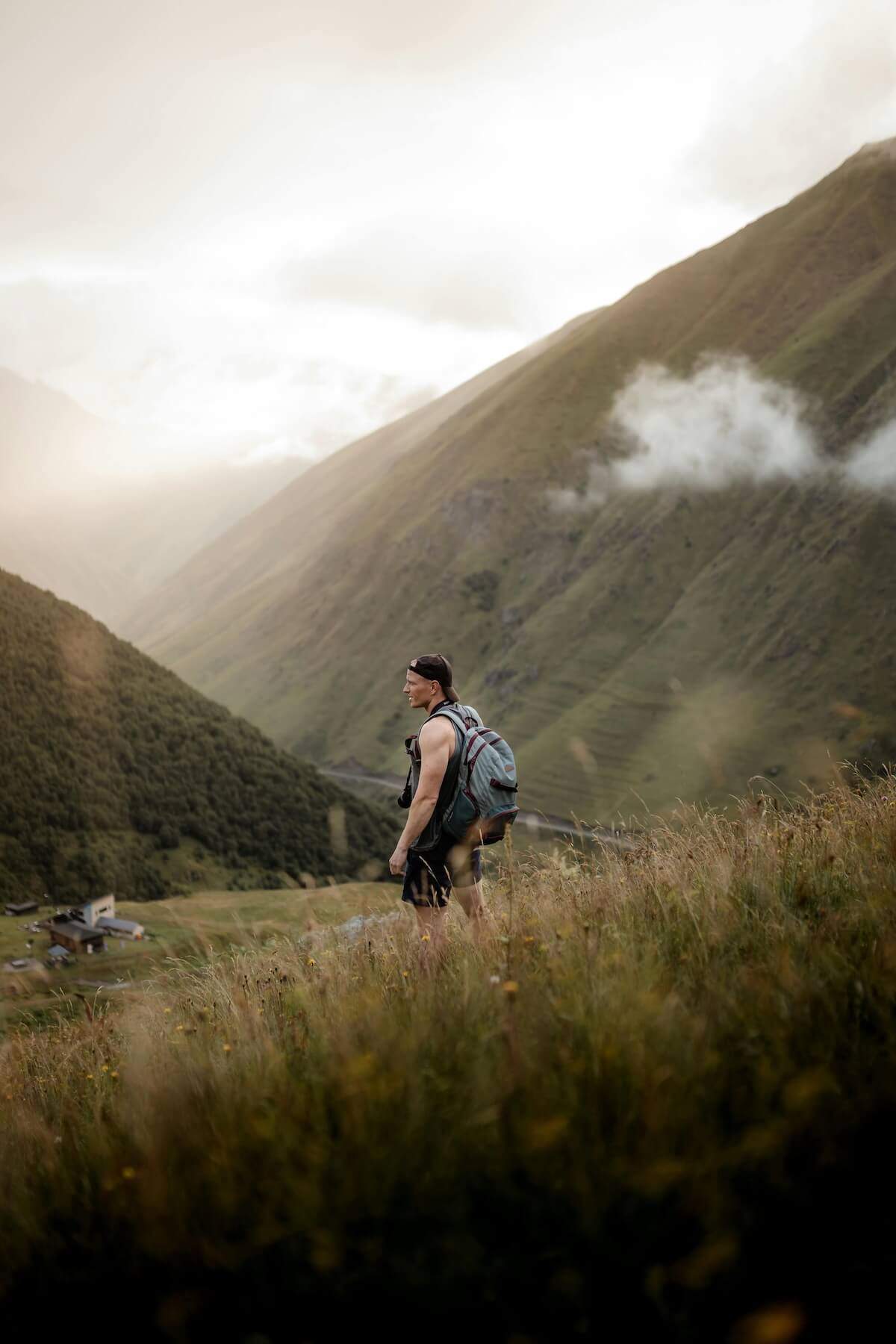
For solo hikers, the hut system transforms what could be an isolating experience into a social one. You'll meet the same people at each hut, share meals, trade route beta, form temporary trail families. It's community without commitment—perfect for solo travelers who want connection they can walk away from.
A Solo Itinerary: South Island in 2-3 Weeks
This routing works for campervans or car-plus-hostels, starting and ending in Christchurch (where the cheap flights land):
Christchurch (1-2 days): Recovering from jet lag, picking up the vehicle, wandering the rebuilt city center. The Botanic Gardens are genuinely lovely. Skip the gondola unless you need an easy orientation.
Kaikōura (1-2 days): Coastal town famous for whale watching and crayfish. The whale watching tours are expensive but legitimate—sperm whales are almost guaranteed. Excellent seals at Point Kean. Good hostel scene if you're staying.
Blenheim/Marlborough (1 day): Wine country if that's your thing. The Sounds are better accessed from Picton.
Nelson/Abel Tasman (2-3 days): Abel Tasman National Park is golden beaches and turquoise water—more Caribbean than you'd expect from New Zealand. Water taxis let you hike one-way sections; the full Coast Track takes 3-5 days. Nelson itself is a pleasant small city with good coffee.
West Coast (2-3 days): Drive the coast road through Punakaiki (pancake rocks, blowholes) down to the glacier region. Franz Josef and Fox glaciers are receding but still impressive. Heli-hikes land you on the ice; the walks get you close. Hokitika is jade country and has a quirky vibe.
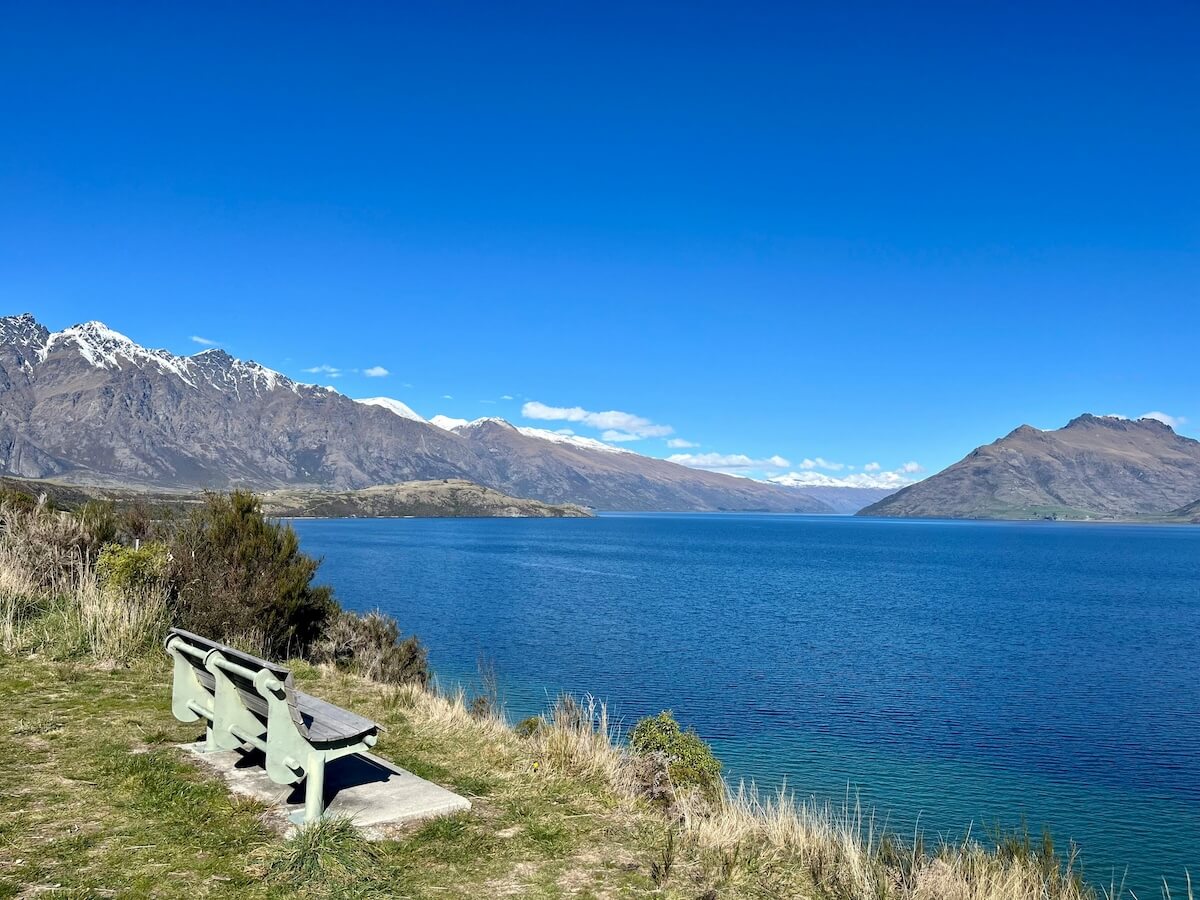
Queenstown (2-4 days): The adventure capital thing is real but not obligatory. Bungee, skydiving, jet boats exist if you want adrenaline. The town also works as a base for hiking and simply existing in a beautiful setting. Lake Wakatipu is legitimately spectacular.
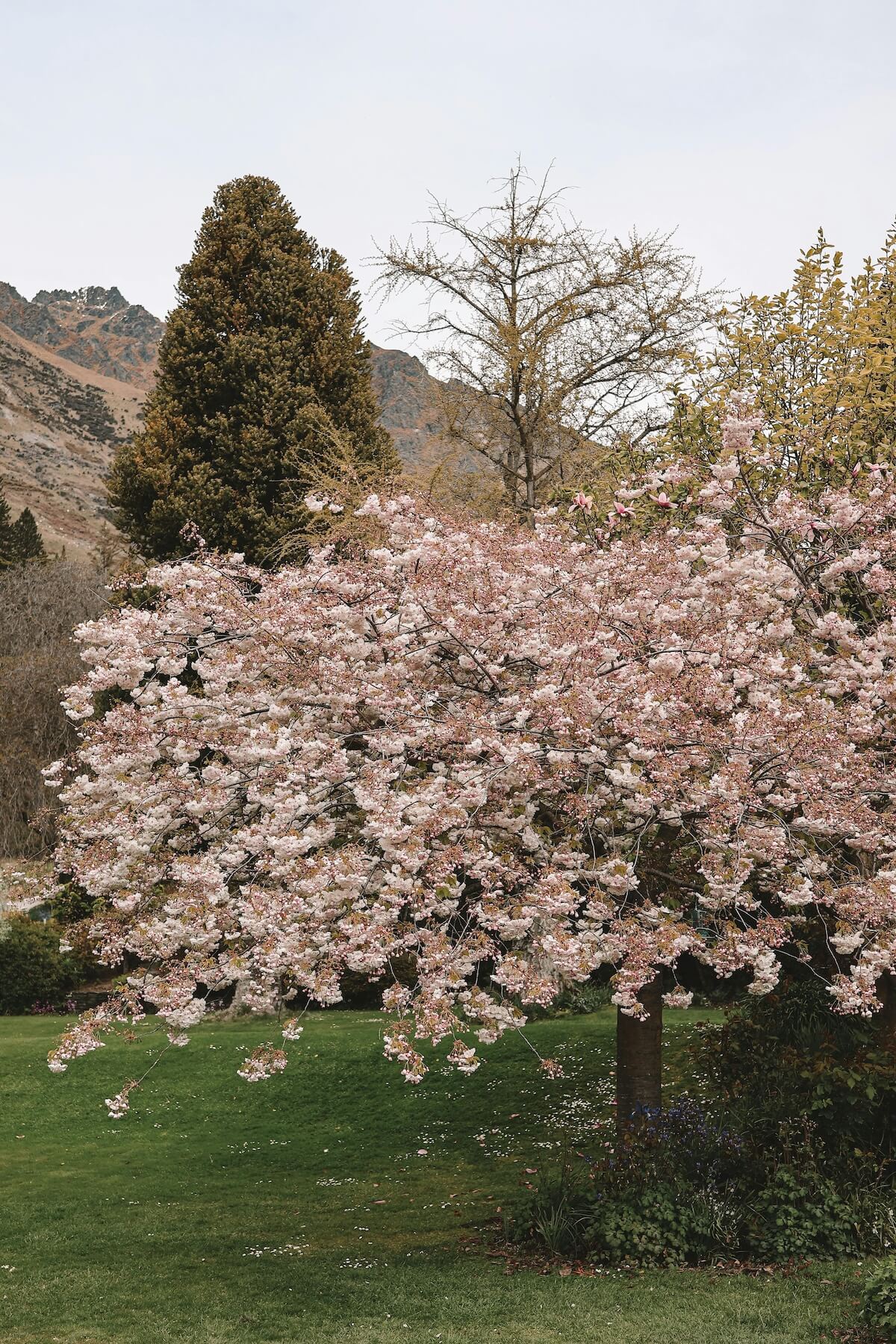
Milford Sound (1-2 days): Drive the dramatic road from Te Anau, do a boat cruise (the cheap ones are fine—it's the scenery that matters), consider kayaking if conditions allow. Stay overnight if possible; the day-trippers leave and the sound becomes yours.
The Catlins (1-2 days): The southeast coast is wildlife-rich and tourist-light. Curio Bay has petrified forest and yellow-eyed penguins. Nugget Point is dramatic. Purakaunui Falls is the classic NZ waterfall photo. This section rewards having your own vehicle and no fixed schedule.
Dunedin (1-2 days): Proper city energy, Victorian architecture, excellent coffee culture. The Otago Peninsula has albatross colonies. University town vibe—younger, livelier than the rest of the South Island.
Back to Christchurch: Through the farmland interior or via coastal route depending on time and interest.
Practical Matters
Driving is on the left, which takes adjustment if you're used to the right. The bigger challenge is road conditions: many scenic routes are narrow, winding, and take longer than Google suggests. Budget 1.5x the estimated time for any mountain drive. Pull over for faster traffic rather than holding up queues.
Weather is variable and can change rapidly. The West Coast of the South Island gets serious rainfall; pack for it. The South Island can be genuinely cold even in summer at altitude. Layering is everything. Conditions that look fine can deteriorate quickly in alpine areas.
Budget expectations: New Zealand isn't cheap. Backpacker-style (hostels, self-cooking, free activities) runs $80-120 NZD/day. Comfortable (mid-range accommodation, some restaurants, paid activities) is $150-250 NZD/day. The expensive adventure activities (bungee: ~$200, skydiving: ~$400, heli-hike: ~$500) add up fast if you do several.
Booking timing matters. Summer (December-February) is peak season—hostels, campervan rentals, Great Walks, and popular activities should be booked weeks or months ahead. Shoulder seasons (March-April, October-November) offer better availability and often better weather than the actual summer.
Connectivity is good but not universal. Cell coverage exists along main routes but drops in backcountry. Download offline maps. The free WiFi at hostels and cafes is generally adequate. An NZ SIM card (Spark or Vodafone) costs $30-50 and works well.
The Social Dimension
New Zealand's backpacker culture is genuine and thriving. This isn't a place where solo travelers are anomalies—they're the norm. Hostel common rooms fill with people making the same circuit, often meeting repeatedly as routes converge and diverge.
The social pattern is easy: share a kitchen, conversation starts. Join a hostel activity, bonds form. Meet someone on a track, hike together for a day. The temporary, low-pressure nature of travel friendships works perfectly here. You can be deeply social for three days, then disappear into a solo week, then reconnect with the same people in another town.
Working holiday visas bring young people from dozens of countries, creating a diverse backpacker population. The fruit-picking hostels in summer are intense social environments; the quieter off-season spots attract older travelers and long-term wanderers.
Kiwis themselves are friendly but not intrusive. They'll help if asked, chat if initiated, but won't push themselves on you. This reserve is comfortable for solo travelers who don't want constant social demands. The exception is pubs—especially rural pubs—where conversation flows more freely.
What Solo Travel Here Feels Like
There's a particular quality to being alone in New Zealand's landscape. The scale is large enough to humble you—mountains dropping into seas, forests that feel primordial, silence that's actually silent. But the infrastructure is gentle enough that you're never truly stranded or unsafe. It's wilderness with guardrails.
The best moments come from the flexibility solo travel allows. Waking at 5am to drive to Milford Sound because the weather's clear. Spending four hours at a beach because nothing's making you leave. Taking a detour on a gravel road because a sign said 'scenic lookout' and you had time to find out.
There are lonely moments—there always are when you travel alone. The hostel night when everyone's already in groups. The restaurant meal eaten too fast because there's no conversation to slow it down. The stunning view with no one to share it. But New Zealand's loneliness is the productive kind: space to think, freedom to be selfish about your time, quiet that feeds rather than depletes.
And then you meet someone at a trailhead, or share a picnic table at a campsite, or get pulled into a hostel card game, and the social dimension appears exactly when you want it.
Who Should Solo New Zealand
This is a first solo trip destination. If you've never traveled alone and want to test yourself, New Zealand removes most of the scary variables (safety, language, logistics) while delivering genuine adventure. You'll learn whether you like solo travel in a forgiving environment.
It's a reset trip. If you're burned out, heartbroken, career-pivoting, or otherwise in need of landscape-scale perspective, this delivers. The nature is big enough to put human problems in scale. The driving time creates space for thinking. The hostels offer enough human contact to prevent spiraling.
It's a hiking trip. If multi-day treks are the goal, the Great Walks infrastructure makes New Zealand the easiest place to do them alone. The hut system, the track maintenance, the booking process—everything is designed for individual hikers, not just guided groups.
It's less ideal if you want cities, cultural immersion, or budget travel. Auckland and Wellington are fine but not globally significant. Māori culture is present but takes effort to engage with meaningfully. And the costs—particularly for activities and vehicle rental—add up quickly.
But for the right traveler at the right moment, New Zealand alone is hard to beat. You'll drive roads that bend around mountains into valleys you didn't know existed. You'll hike through forests that feel unvisited. You'll sleep in a van by a lake that reflects stars because there's no light pollution to compete with. And you'll do it all on exactly the schedule you want, because that's what solo travel is for.


Comments
How did this story make you feel?
No comments yet. Be the first to share your thoughts!