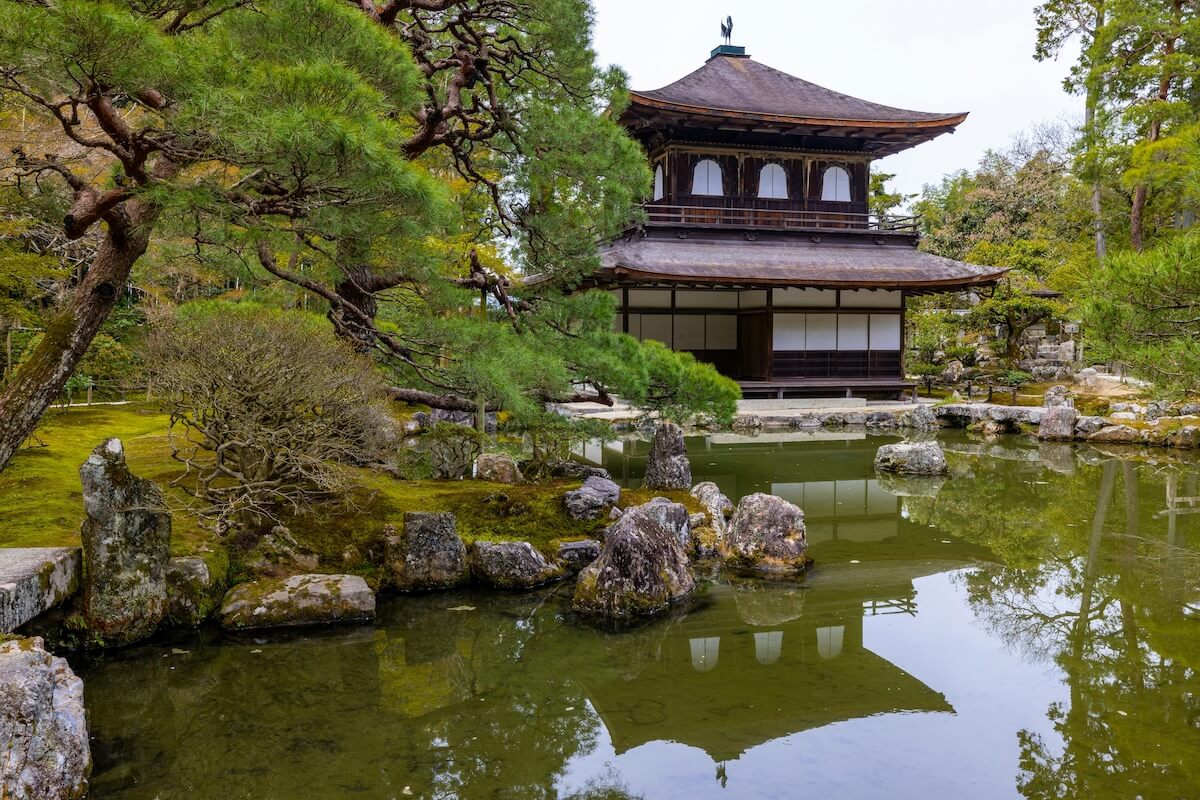
Sleeping in a Japanese Temple: What a Night at a Shukubo Is Really Like
Waking at 5:30am for morning prayers, eating monks' vegetarian cuisine, and finding unexpected stillness in a country known for sensory overload. Temple stays offer a different side of Japan.
The gong sounds at 5:30am. Not an alarm you can snooze—an actual gong, resonating through wooden corridors that have heard this same sound for centuries. You're sleeping on a futon on tatami mats, and for a moment you've forgotten where you are. Then it comes back: you're in a Buddhist temple on a sacred mountain, and morning prayers start in thirty minutes.
This is shukubo—the practice of staying overnight in a Japanese temple. It's been happening for over a thousand years, originally to accommodate pilgrims traveling to remote sacred sites. Today, it's one of the most immersive cultural experiences available in Japan, and one that most tourists never consider.
I spent two nights in Koyasan, the mountaintop monastery complex that's been a center of Shingon Buddhism since 816 AD. Here's what I learned about temple stays—and why they're worth setting an alarm you can't ignore.
What Shukubo Actually Means
Shukubo translates roughly as 'temple lodging.' These aren't hotels with Buddhist decor—they're functioning monasteries that open their doors to visitors. You sleep in the temple, eat what the monks eat, and participate (optionally, but encouraged) in their daily rituals.
The practice exists throughout Japan, but Koyasan is the most famous destination. This mountaintop complex in Wakayama Prefecture contains over 100 temples, of which roughly 50 offer overnight stays. Other notable locations include Mount Hiei near Kyoto, various temples along the Shikoku pilgrimage route, and scattered shukubo in Kyoto and Nara.
It's not for everyone. The futons are firm, the rooms are unheated in winter, the food has no meat, and the morning routine starts before most people's alarms go off. But if you're looking for something deeper than checking temples off a list, this is it.
The Room: Simplicity by Design
Temple rooms are traditional Japanese: tatami floors, sliding paper screens, a low table, and futons rolled out at night. There's a specific aesthetic here—empty space is intentional, not a lack of furniture. The room encourages stillness.
Most rooms overlook gardens. Mine faced a moss garden with carefully placed stones—the kind of view that changes depending on how long you look at it. No TV, obviously. Wi-Fi varies by temple (some have it, some deliberately don't). The bathroom situation ranges from shared facilities to private en-suite, depending on the temple and room grade.
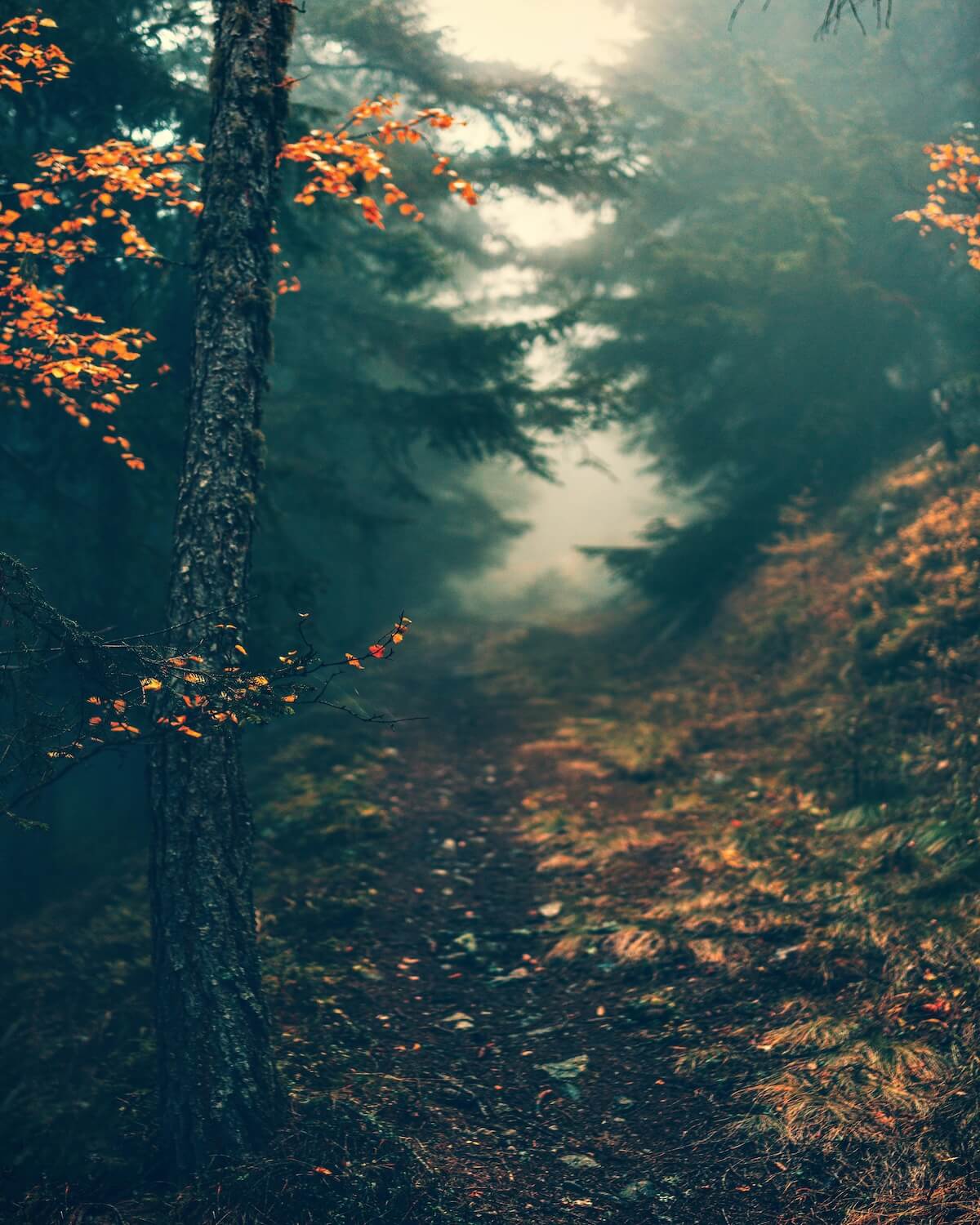
Temperature control is minimal. In winter, temples provide kotatsu (heated tables) and extra blankets, but the corridors are cold. In summer, there's no air conditioning—just open screens and the mountain breeze. This isn't oversight; it's philosophy. Comfort isn't the point.
The Food: Shojin Ryori
Shojin ryori is Buddhist vegetarian cuisine—no meat, no fish, traditionally no garlic or onion (which are considered stimulants). It sounds restrictive. In practice, it's one of the most refined food experiences in Japan.
Dinner and breakfast are served in your room or a communal dining hall. You'll receive a series of small dishes: seasonal vegetables prepared multiple ways, tofu in forms you didn't know existed, pickled vegetables, miso soup, rice. Everything is deliberate. The colors, the arrangement, the seasonal ingredients—it's food as meditation.
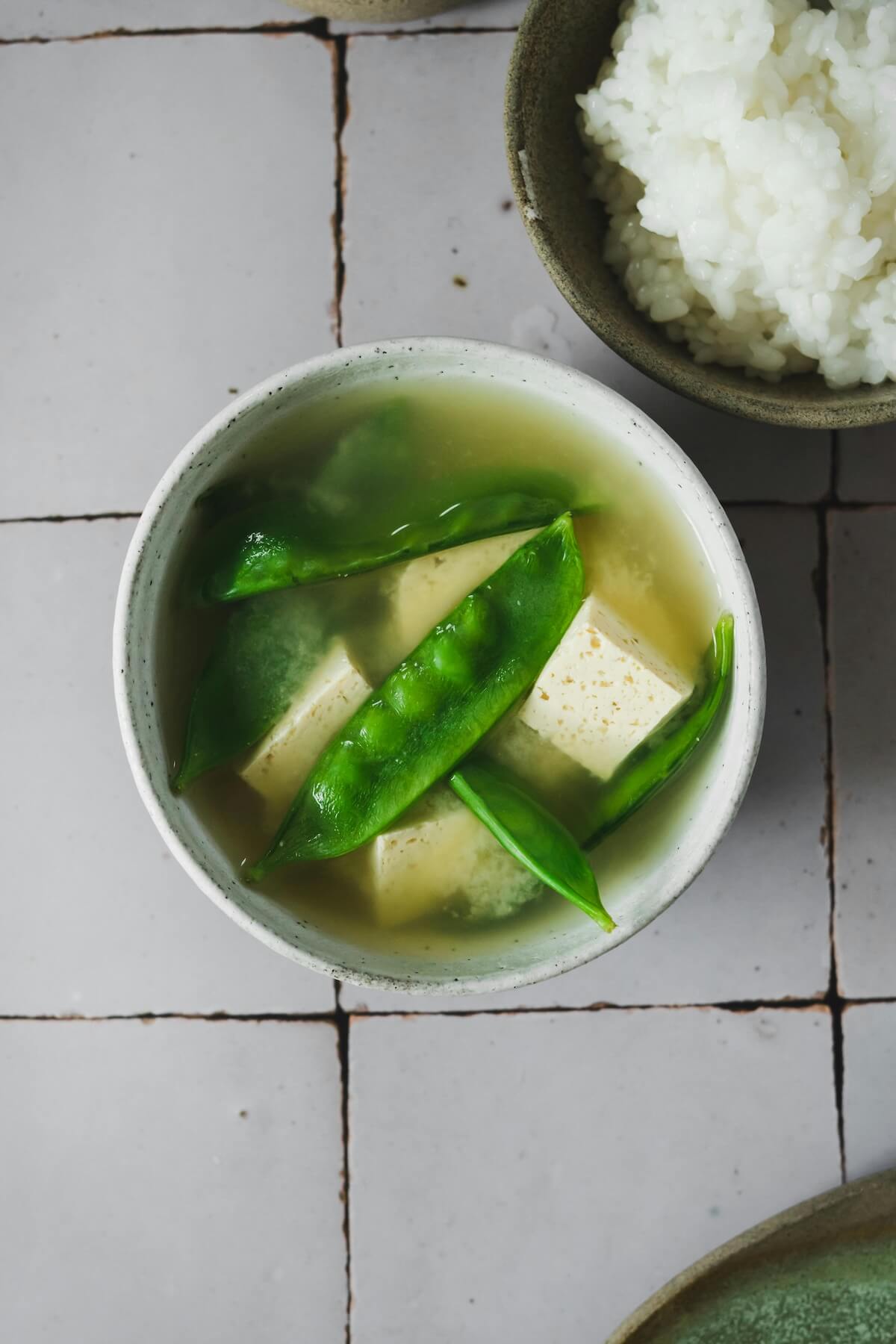
I was skeptical about eating vegetarian in a country famous for its fish and beef. By the second meal, I understood. The flavors are subtle but deep—sesame, yuzu, miso, mountain vegetables I couldn't name. You eat slowly because the food rewards attention. You leave satisfied but not heavy.
Portions are adequate but not excessive. If you're a large person with a large appetite, you might find it light. But that's also part of the point—you're not here to feast.
Morning Prayers: The Main Event
Participation in morning prayers (gongyo) is optional but strongly encouraged. You didn't come here to sleep in.
The ceremony typically starts between 6:00-6:30am, lasting 30-60 minutes depending on the temple. You'll sit in the main hall—usually on cushions on wooden floors—while monks chant sutras. Incense burns. A gong marks transitions. Depending on the temple, you might be invited to offer incense or receive a blessing.
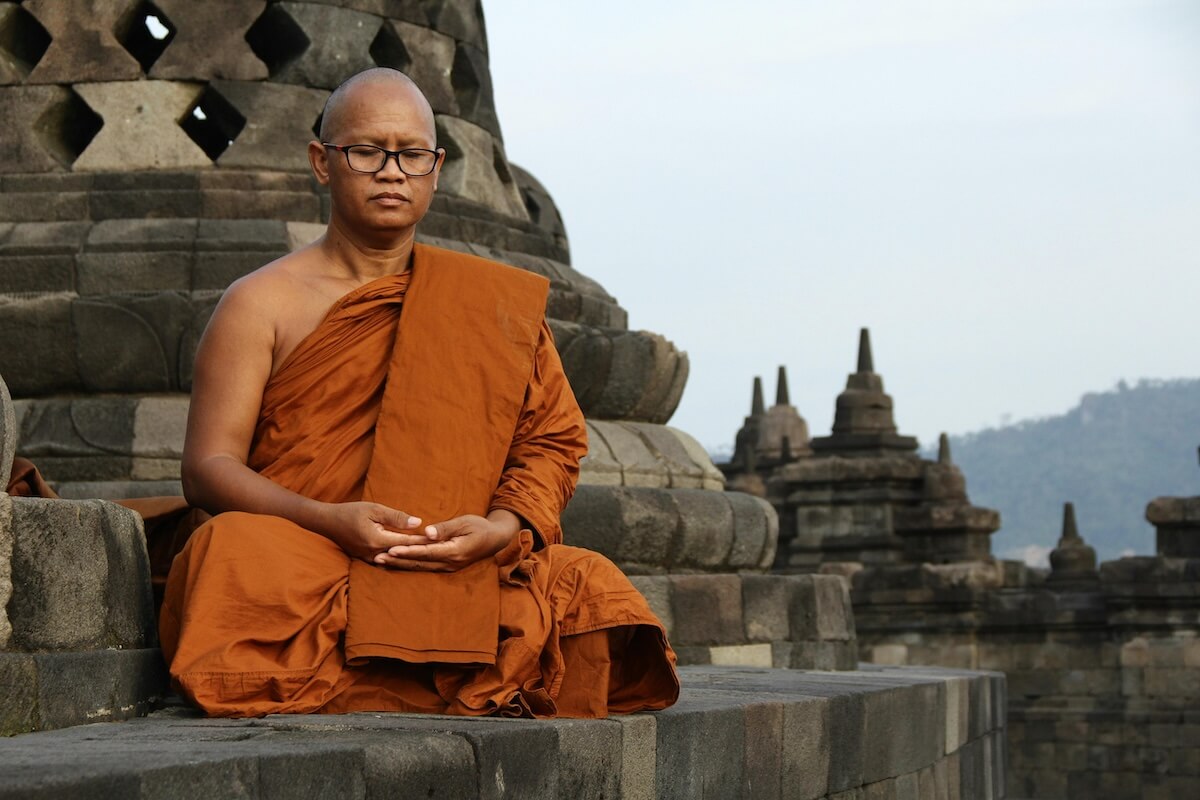
You don't need to understand Buddhism or even be religious. The experience works on a sensory level: the sound of chanting in a dark wooden hall, the smell of incense, the weight of ritual performed identically for centuries. Even as an observer, you feel like you're witnessing something real.
Some temples offer meditation sessions, calligraphy practice, or guided cemetery walks. Ask when booking what's included or available.
Etiquette: What You Need to Know
Temple stays have rules. Not arbitrary ones—these are functioning religious communities, and the rules exist to maintain that.
- Remove shoes at the entrance and wear provided slippers
- No shoes or slippers on tatami—socks or bare feet only
- Bathing happens before dinner, not in the morning
- Curfew is typically 9pm—gates lock, you're in for the night
- Silence in corridors after 9pm
- No smoking anywhere on temple grounds
- Photography restrictions vary—ask first
During morning prayers, follow the monks' lead. Sit quietly, bow when others bow, don't take photos unless explicitly permitted. If you don't know what to do, stillness is always appropriate.
None of this is oppressive in practice. The rules create space for the experience to work. You're not at a hotel; you're a guest in someone's spiritual home.
Booking and Costs
Temple stays typically cost ¥10,000-20,000 ($70-140) per person, including dinner and breakfast. This is comparable to a mid-range ryokan and cheaper than most hotels of similar quality in Japan. Given that two meals are included—and these are substantial meals—it's genuinely good value.
Booking can be done through the Koyasan Shukubo Association website (in English), through Japanese booking sites like Jalan, or sometimes directly with temples via email. High season (autumn leaves, spring blossoms, Golden Week) books out early. Weekdays are quieter than weekends.
Some temples to consider in Koyasan: Eko-in is popular with foreign visitors, offers English support, and includes a guided cemetery night tour. Rengejo-in is smaller, quieter, with excellent shojin ryori. Shojoshin-in offers modern amenities in a traditional setting. All are legitimate choices—the experience varies more by luck and timing than by temple reputation.
Getting to Koyasan
Koyasan is roughly 90 minutes from Osaka by train and cable car. Take the Nankai Railway from Namba Station to Gokurakubashi, then the funicular up the mountain, then a bus to the temple area. The Koyasan World Heritage Ticket (¥3,400 from Osaka) covers everything and is worthwhile.
The journey is part of the experience—watching the terrain change from urban to mountainous, the funicular climbing steeply through cedar forests, the sudden appearance of a religious complex in what should be wilderness. Arriving feels like entering another world because, in a sense, you are.
Is It Worth It?
Yes—if you're looking for something beyond sightseeing.
Temple stays aren't about comfort or entertainment. They're about participating in a living tradition, eating food prepared with intention, waking before dawn to sit in a dark hall and hear chanting that's been performed daily for a thousand years. It's slow travel in a country that often demands speed.
I left Koyasan feeling genuinely rested despite the early mornings. There's something about the forced simplicity—no decisions to make, no screens to check, no notifications demanding attention—that recalibrates something. Call it mindfulness, call it disconnection, call it whatever. It works.
You'll remember the food, the morning cold, the sound of the gong. And somewhere in the quiet, you might find what you didn't know you were looking for.


Comments
How did this story make you feel?
No comments yet. Be the first to share your thoughts!