Bhutan: The World's Only Carbon-Negative Country and What It Teaches Us About Travel
A nation that measures success by Gross National Happiness, not GDP. Where tourism is deliberately limited, forests cover 70% of the land, and the constitution requires it to remain carbon-negative forever. Bhutan offers a radical alternative to how we think about travel—and what destinations can demand from visitors.
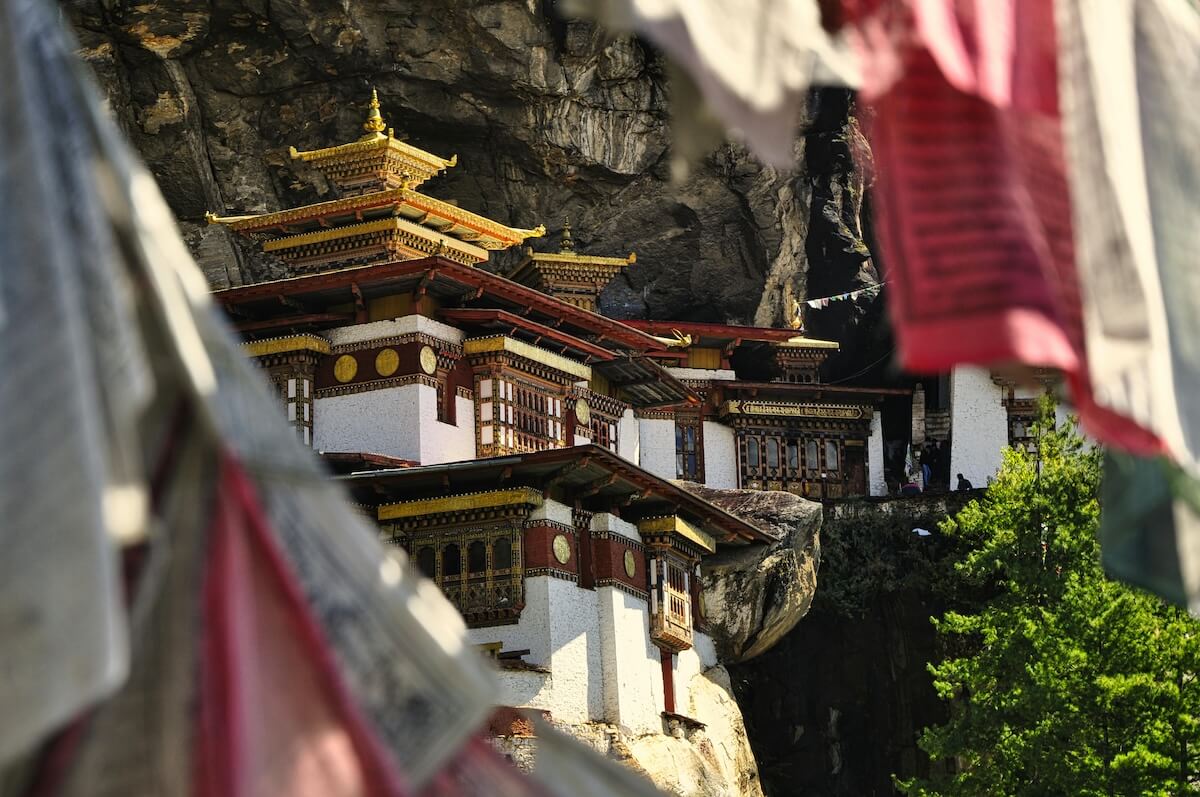
The monastery clung to a cliff face 900 meters above the valley floor. I'd been hiking for three hours through pine forest, prayer flags snapping in the wind at every turn, to reach Paro Taktsang—the Tiger's Nest. Below, the Paro Valley spread green and quiet, its rice paddies and traditional farmhouses looking much as they had for centuries. No billboards. No fast-food chains. No crowds.
This is Bhutan, and it costs $200 per day just to be here.
That fee—the Sustainable Development Fee that every tourist pays on top of their other expenses—is the most visible expression of a radical idea: that a country can choose quality over quantity, that tourism should benefit the destination more than it depletes it, and that some places are valuable precisely because they're not optimized for visitor throughput.
Bhutan is the world's only carbon-negative country. Its constitution mandates that at least 60% of land remain forested in perpetuity. It measures national progress by Gross National Happiness rather than Gross Domestic Product. And it treats tourism not as an extractive industry but as a carefully managed exchange—one where the visitor pays for the privilege of experiencing something that exists because it hasn't been sold off cheaply.
The High-Value, Low-Impact Model
Bhutan's approach to tourism emerged from necessity and philosophy in roughly equal measure. When the country opened to visitors in 1974, it faced a choice: pursue mass tourism for maximum revenue, or limit numbers to preserve what made the place worth visiting.
The kingdom chose the latter. For decades, tourists were required to book through licensed operators, pay a daily tariff (originally $250/day in high season), and travel with guides. The revenue funded free healthcare, free education, and conservation programs. The limits kept infrastructure pressure low.
In 2022, Bhutan restructured its system. The daily Sustainable Development Fee became $200, paid directly to the government regardless of how you travel. Tourists can now book independently and move more freely, but the fee remains—a deliberate filter that prioritizes travelers willing to invest in the experience over those seeking the cheapest possible destination.
The numbers tell the story: Bhutan receives roughly 300,000 visitors per year. Thailand receives 40 million. The Maldives, with a fraction of Bhutan's land area, receives nearly 2 million. Bhutan's tourism industry generates over $80 million annually while keeping visitor density at levels that allow the culture and environment to remain intact.
Critics call this elitist—tourism for the rich. Defenders argue it's honest: every destination has carrying capacity, and most simply ignore it until the damage is done. Bhutan puts a price on what others give away for free and then wonder why it's degraded.
What Carbon-Negative Actually Means
Bhutan absorbs more carbon dioxide than it produces—the only country on Earth that can make this claim. The math: its forests sequester over 6 million tons of CO2 annually, while its emissions total roughly 2.2 million tons. The surplus isn't an accident; it's policy.
The constitution requires 60% forest cover permanently. Currently, roughly 70% of the country is forested. Logging is heavily restricted. Hydroelectric power provides nearly all electricity, exported to India and used domestically. There are no heavy industries, few private vehicles outside the capital, and farming remains largely traditional.
For travelers, this creates a particular kind of experience. The air is genuinely clean. Rivers run clear. Wildlife—including endangered species like the black-necked crane and Bengal tiger—persists in habitats that have never been fragmented. The quiet is noticeable, particularly for visitors from cities. At night, the stars appear in numbers that remind you what the sky looked like before light pollution.
Gross National Happiness: Not Just a Slogan
The fourth king of Bhutan, Jigme Singye Wangchuck, declared in 1972 that Gross National Happiness was more important than Gross National Product. What began as a philosophical statement became policy. Bhutan measures progress across nine domains: living standards, health, education, governance, ecological diversity, time use, psychological wellbeing, cultural resilience, and community vitality.
For visitors, this manifests in ways both obvious and subtle. The obvious: traditional architecture is mandatory (buildings must incorporate Bhutanese design elements), national dress is worn in schools and government offices, Buddhist holidays structure the calendar. The subtle: a pace of life that feels different from tourist-optimized destinations, an absence of aggressive commerce, interactions that don't feel transactional.
It's easy to romanticize this—and plenty of travel writing does. Bhutan has poverty, inequality, and political tensions like anywhere else. Youth unemployment is a problem. Some young Bhutanese chafe at requirements to wear traditional dress. The transition from absolute monarchy to constitutional monarchy in 2008 is still being navigated. GNH is aspirational as much as descriptive.
But the framework matters. A country that explicitly prioritizes happiness, environmental health, and cultural preservation will make different decisions than one that prioritizes economic growth. Those decisions shape the place visitors experience.
What $200 Per Day Actually Gets You
The Sustainable Development Fee is paid per night spent in Bhutan. It goes directly to the government and funds free education, free healthcare, poverty alleviation, and environmental programs. It does not cover your other travel costs.
On top of the fee, you'll pay for: accommodation (ranging from $30 guesthouses to $500+ luxury lodges), food (inexpensive at local restaurants, higher at hotels), transportation (car and driver for remote areas, domestic flights for longer distances), guides (required for trekking, optional but valuable otherwise), and activity fees (temple entry, museum admission, trekking permits).
A realistic budget for mid-range travel in Bhutan: the $200 daily fee plus $100-150 per day for everything else, totaling $300-350 per day. A week costs $2,000-2,500 before flights. Luxury travel with high-end lodges can double or triple that. Budget travel—staying in basic guesthouses, eating at local restaurants, hiking independently where permitted—might reduce non-fee costs to $50-80 per day.
Flights to Bhutan add to the expense. Only two carriers fly in: Druk Air (the national carrier) and Bhutan Airlines. Both operate limited routes, primarily from Bangkok, Kathmandu, Delhi, and a few other Asian cities. Expect $400-800 roundtrip depending on origin. The landing at Paro airport, threading between mountains into a narrow valley, is famously dramatic—only a handful of pilots in the world are certified for it.
What You'll Actually See
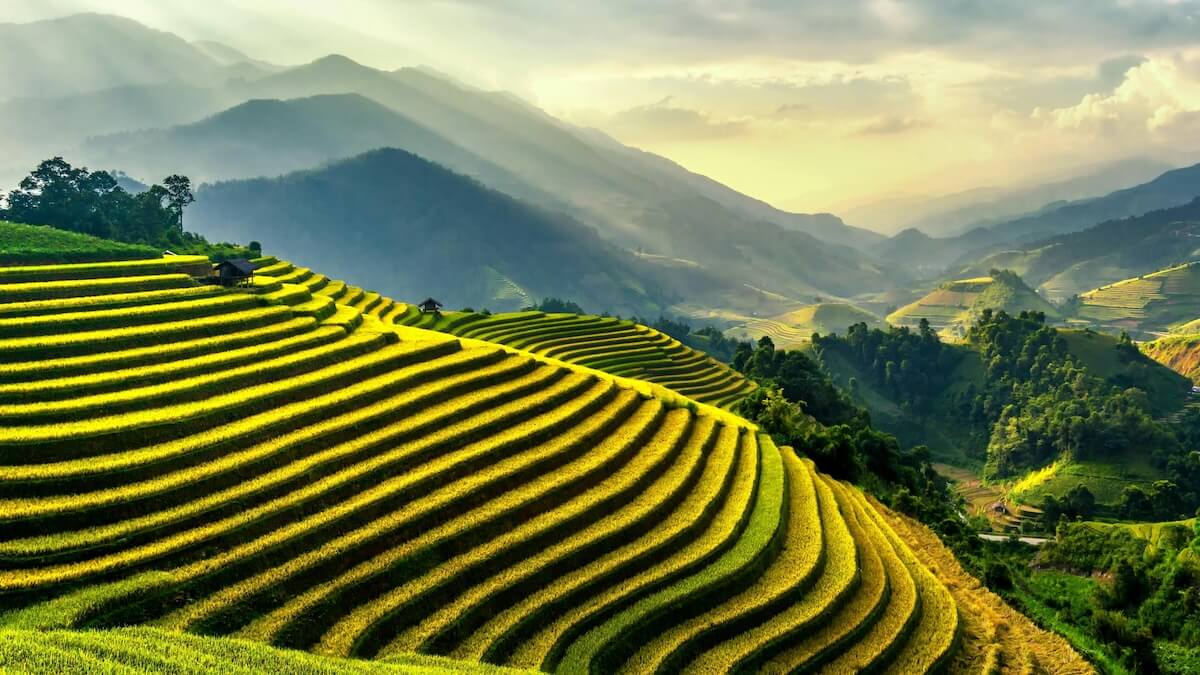
Bhutan is small—roughly the size of Switzerland—but the terrain is dramatic, ranging from subtropical plains in the south to Himalayan peaks above 7,000 meters. Most visitors concentrate in the western valleys, where the main cultural sites and the only international airport are located.
Paro Valley is the entry point and home to the Tiger's Nest monastery (Paro Taktsang), the most iconic site in Bhutan. The hike takes 4-6 hours roundtrip, ascending through forest to the monastery complex perched impossibly on a cliff face. It's genuinely spectacular and genuinely crowded by Bhutan standards—which still means far fewer people than comparable sites elsewhere.
Thimphu, the capital, is the only real city—population around 115,000. It has no traffic lights (policemen direct traffic from decorated booths), a weekend farmers' market, the massive Tashichho Dzong (fortress-monastery that serves as government headquarters), and enough restaurants and cafes to provide variety. It feels simultaneously like a capital and a small town.
Punakha, the former capital, sits at lower elevation where the climate is warmer. Punakha Dzong, at the confluence of two rivers, is arguably the most beautiful fortress in Bhutan. The Chimi Lhakhang fertility temple draws couples hoping for children. The valley is agricultural and quieter than the western corridor.
The central and eastern regions—Bumthang, Trashigang, and beyond—see fewer visitors and require more time and effort to reach. The rewards are authentic village life, ancient temples, and landscapes that feel truly remote. Multi-day treks, including the famous Snowman Trek (one of the world's most difficult), access high Himalayan terrain.
The Buddhist Framework
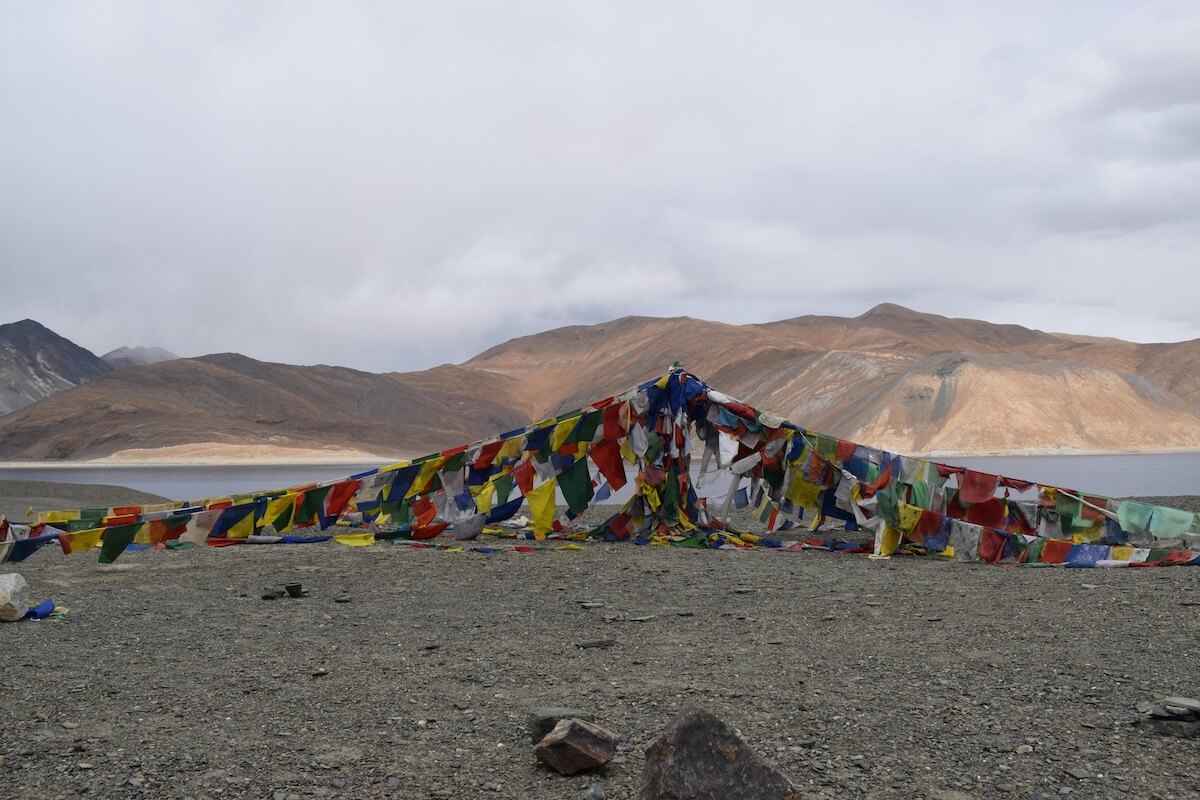
Bhutan is the world's last Vajrayana Buddhist kingdom, and Buddhism permeates daily life in ways that go beyond the visible temples and monasteries. Prayer wheels spin at every opportunity. Mantras are painted on rocks and printed on flags. Auspicious dates determine when to travel, build, or marry. Monks are a presence in every community.
For visitors, this creates both atmosphere and access. Festivals (tshechu) feature masked dances that have been performed for centuries—attending one is one of the most immersive cultural experiences possible. Temples are generally open (with varying rules about interior photography). Monastic communities welcome respectful visitors.
The philosophy also shapes how Bhutanese relate to their environment. All sentient beings matter; hunting is banned nationwide. Mountains are sacred; climbing the highest peaks is prohibited. The land is not merely a resource but an inheritance with obligations attached.
This isn't to suggest Bhutanese people are uniformly pious or that the society is utopian. It's to note that the operating assumptions differ from those of most modern nations—and that travelers often sense this difference even if they can't articulate exactly what's changed.
What Bhutan's Model Can (and Can't) Teach Us
Bhutan's approach works because of specific conditions: a small population, a strong central government, geographic isolation that limits mass tourism anyway, and a cultural framework that values preservation. These conditions don't exist everywhere.
But the principles translate. Bhutan demonstrates that tourism can be priced to reflect true costs rather than just market rates. That limiting numbers can maintain quality and generate more sustainable revenue than maximizing throughput. That culture and environment can be treated as assets to protect rather than commodities to sell. That visitors who pay more often behave better and appreciate more.
The critique—that this excludes anyone who can't afford $200/day—is valid but incomplete. Mass tourism doesn't include everyone either; it just distributes costs differently, often onto local communities and ecosystems. There's no free lunch. The question is who pays and for what.
Practical Considerations
Timing matters. The best weather coincides with the main festival seasons: spring (March-May) and autumn (September-November). The Paro Tshechu in spring and the Thimphu Tshechu in autumn are the largest festivals and attract the most visitors—book months ahead if you want to attend.
Summer (June-August) brings monsoon rains that make some roads difficult and obscure mountain views. Winter (December-February) is cold at higher elevations but clear, with snow on the passes and fewer tourists. The trade-offs depend on your priorities.
The $200 daily fee is per adult; children 6-12 pay $100, and children under 6 are free. Indian, Bangladeshi, and Maldivian citizens are exempt from the fee and can visit with just an entry permit. Regional tourists pay different rates than international visitors.
Altitude is a consideration. Paro sits at 2,200 meters; Thimphu at 2,320 meters; many trekking routes go much higher. Acute mountain sickness is possible. Ascending gradually, staying hydrated, and recognizing symptoms matters.
Internet and phone service exist in towns but can be spotty in rural areas. ATMs are limited; bring cash (US dollars are easy to exchange) or ensure your cards work internationally. Electrical outlets use Indian-style plugs (types C, D, and M).
Who Should Go
Bhutan rewards travelers who want depth over breadth. If your goal is checking countries off a list as efficiently as possible, the cost-to-attractions ratio won't make sense. If your goal is experiencing a place that has chosen to be genuinely different, the cost is the mechanism that makes that difference possible.
It suits travelers interested in Buddhist culture, Himalayan landscapes, traditional architecture, and the philosophical questions that Bhutan's existence raises. It suits hikers willing to work for their views. It suits people who find something valuable in places that aren't easy to reach and don't try to be.
It probably doesn't suit travelers who need nightlife, beach time, or constant stimulation. The pace is slower than most destinations. Entertainment is limited. Some find this boring; others find it revelatory.
The carbon footprint of getting there is real—likely 2+ tons of CO2 for a roundtrip flight from Europe or North America. No offset purchase truly neutralizes that. If your primary concern is minimizing personal emissions, staying closer to home is the honest answer. Bhutan's carbon negativity is a national achievement, not a visitor exemption.
The Larger Point
Bhutan matters to the sustainable travel conversation because it's a working alternative, not just a critique. It shows that a country can protect its environment and culture while still welcoming visitors—by being selective about which visitors it welcomes and what they're asked to contribute.
Most destinations follow the opposite logic: maximize access, compete on price, accommodate everyone, deal with the consequences later. That model has created overtourism crises from Barcelona to Bali, degraded ecosystems from the Galápagos to the Great Barrier Reef, and homogenized cultures that once attracted visitors precisely because they were distinct.
Bhutan isn't a template that every destination can adopt. But it's evidence that the standard model isn't inevitable—that places can choose differently, and that some travelers will value that choice.
The prayer flags fluttered at the monastery, carrying mantras into the wind as they've done for centuries. Below, the valley remained green and quiet. The $200 I'd paid that day was buying exactly this: a place that had decided to stay itself rather than become something else for visitors. That seems like a reasonable exchange.


Comments
How did this story make you feel?
No comments yet. Be the first to share your thoughts!