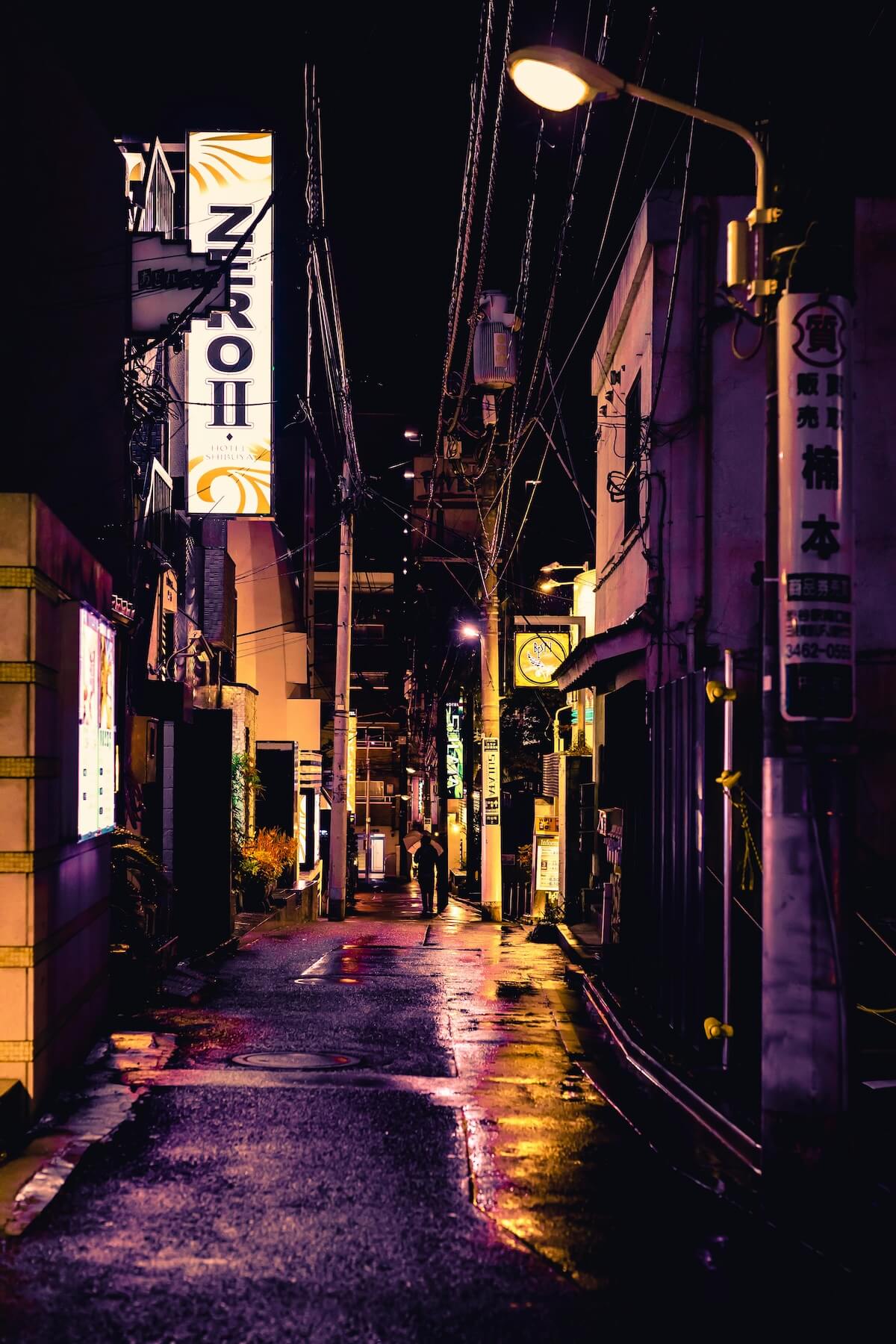
Eating Tokyo: A Field Guide to the World's Greatest Food City
More Michelin stars than Paris. The world's best ramen, sushi, and convenience store food. A city where every neighborhood has its specialty and every meal can surprise you. Here's how to eat Tokyo properly.
The ramen arrived precisely: tonkotsu broth the color of milk, chashu pork sliced thin, a soft-boiled egg halved to show the jammy orange yolk. The shop had eight seats. The chef had been making this one style of ramen for thirty years. No menu—you ordered by inserting coins into a vending machine, pushing a button, and handing your ticket to the man behind the counter. The entire interaction took maybe ninety seconds, and the bowl was one of the best things I've ever eaten.
This is Tokyo dining: obsessive, efficient, often wordless, and operating at a level of quality that seems excessive until you realize it's simply the baseline. The city has more Michelin stars than any other city on earth. It also has the world's best convenience store food, the world's best train station bento, and the world's best basement-of-a-department-store food halls. Excellence here isn't reserved for fine dining—it permeates everything.
The challenge isn't finding good food in Tokyo. The challenge is navigating the overwhelming abundance. Here's how to approach it.
The Philosophy First
Japanese food culture operates on different principles than Western dining. Understanding them makes everything else make sense.
Specialization is respected. A ramen shop that only makes one style of ramen isn't limited—it's focused. The master who spends decades perfecting a single dish isn't stuck—they're devoted. This is why tiny shops with eight seats and one offering often outperform larger restaurants with extensive menus. Do one thing perfectly is the operating principle.
Seasonality matters profoundly. Japanese cuisine tracks the calendar with intensity: spring brings takenoko (bamboo shoots) and cherry blossom everything; summer means unagi (eel) and cold noodles; autumn brings matsutake mushrooms and sanma (Pacific saury); winter is for hot pots and fugu (blowfish). Eating what's in season isn't a trend—it's fundamental to how the cuisine works.
Presentation is content. The visual arrangement of food, the quality of the ceramics, the way a bento box sections its components—these aren't decorative choices. They're part of the experience Japanese cooking delivers. You eat with your eyes first, as the saying goes, and Tokyo takes this seriously.
Ramen: The Accessible Obsession
Ramen is the entry point for most visitors, and rightfully so. It's affordable (¥800-1,200 typically), available everywhere, and demonstrates Japanese food craft at a visceral level. The broth alone might require twelve hours of simmering; the noodles are calibrated to match the specific soup they'll inhabit.
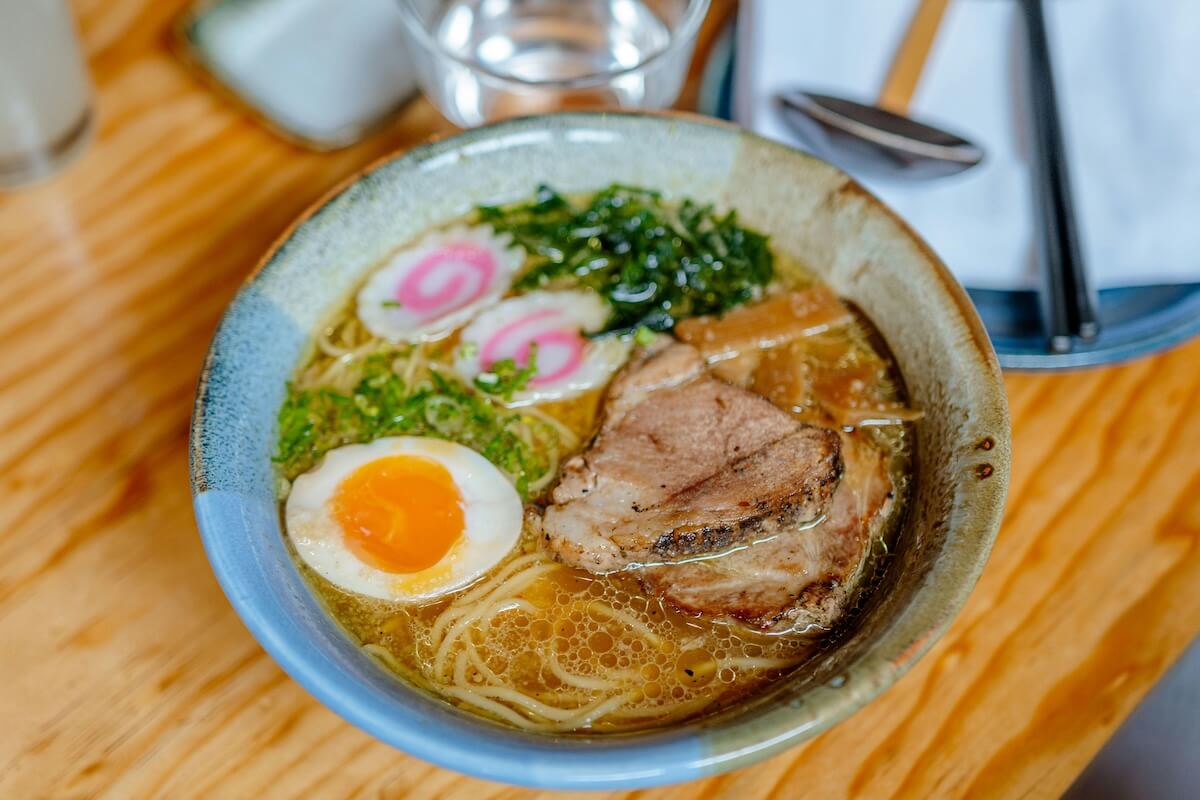
The major styles: Tonkotsu is the rich, milky pork-bone broth associated with Fukuoka but available everywhere. Shoyu (soy sauce) is the Tokyo standard—clear brown broth, straightforward and satisfying. Shio (salt) is the lightest, most subtle style. Miso originated in Sapporo and offers a heartier, more robust flavor. Tsukemen separates the noodles from the broth; you dip rather than slurp.
Famous shops have lines. Ichiran (Shibuya, Shinjuku, and many other locations) is the most tourist-friendly—individual booths, button-operated ordering, no Japanese required. Fuunji (Shinjuku) does exceptional tsukemen with a long but worthwhile wait. Rokurinsha (Tokyo Station) is another tsukemen standout. Afuri (multiple locations) offers a lighter yuzu shio style that converts skeptics.
But the best ramen is often found in the neighborhood shop you stumble into, the one with a few plastic stools and an elderly cook who's been perfecting that specific bowl for decades. These places don't have English menus or Instagram followings. They have regulars who've been coming for years.
Sushi: From Conveyor Belt to Omakase
Sushi in Tokyo exists on a spectrum so wide it's almost meaningless to discuss as a single category. The experience of feeding ¥100 plates off a conveyor belt and the experience of a ¥50,000 omakase at a Ginza counter represent entirely different meals—both legitimate, both Japanese, both called 'sushi.'
Kaiten-zushi (conveyor belt sushi) is genuine value. Chains like Sushiro, Kura Sushi, and Hamazushi offer surprisingly good quality at absurdly low prices. Yes, the fish isn't Tsukiji's finest, and yes, the preparation is industrial, but the sheer freshness and variety for ¥100-200 per plate makes this a legitimate Tokyo food experience, not a budget compromise.
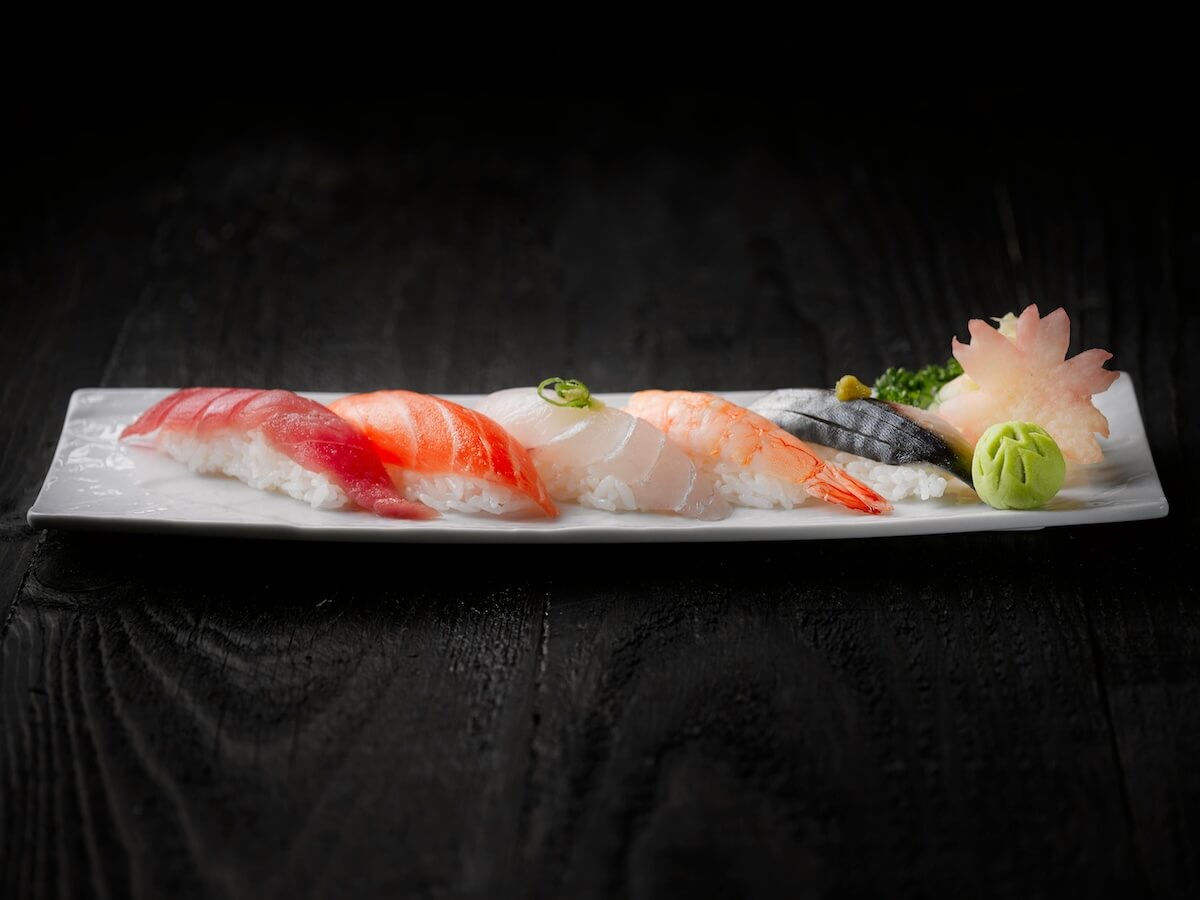
Standing sushi bars occupy the middle ground. Found in fish markets, near train stations, and in working-class neighborhoods, these counter spots serve quality nigiri at reasonable prices (¥2,000-4,000 for a meal). No reservations, limited seating, fast turnover—the model works because it minimizes everything except the fish and the craft.
Omakase ('I leave it to you') is where sushi becomes theater. You sit at a counter, watch the itamae (sushi chef) work, and eat whatever they prepare in the sequence they determine. The best omakase is a dialogue: the chef observes what you enjoy, adjusts the progression, creates a meal tailored to your responses. Prices range from ¥10,000 at neighborhood spots to ¥50,000+ at places like Sukiyabashi Jiro (yes, the documentary one, which requires advance booking through a concierge).
The former Tsukiji Market's outer market still operates and remains the most accessible place to eat excellent sushi in a market atmosphere. The inner wholesale market moved to Toyosu in 2018, but the outer market's restaurants, shops, and food stalls carry on. Go early—by 10am the crowds thicken; by noon the best spots have sold out.
Izakaya: The Japanese Pub Experience
If you want to understand how Japanese people actually eat and socialize, spend an evening at an izakaya. These are the pubs where coworkers decompress, friends gather, and the rigid formality of Japanese public life temporarily relaxes.
The format: you order drinks and small plates meant for sharing. Dishes arrive throughout the evening as the kitchen finishes them. The menu might include yakitori (grilled chicken skewers), karaage (fried chicken), edamame, grilled fish, salads, pickles, and dozens of other options. You drink, you eat, you order more as needed, you stay for hours.
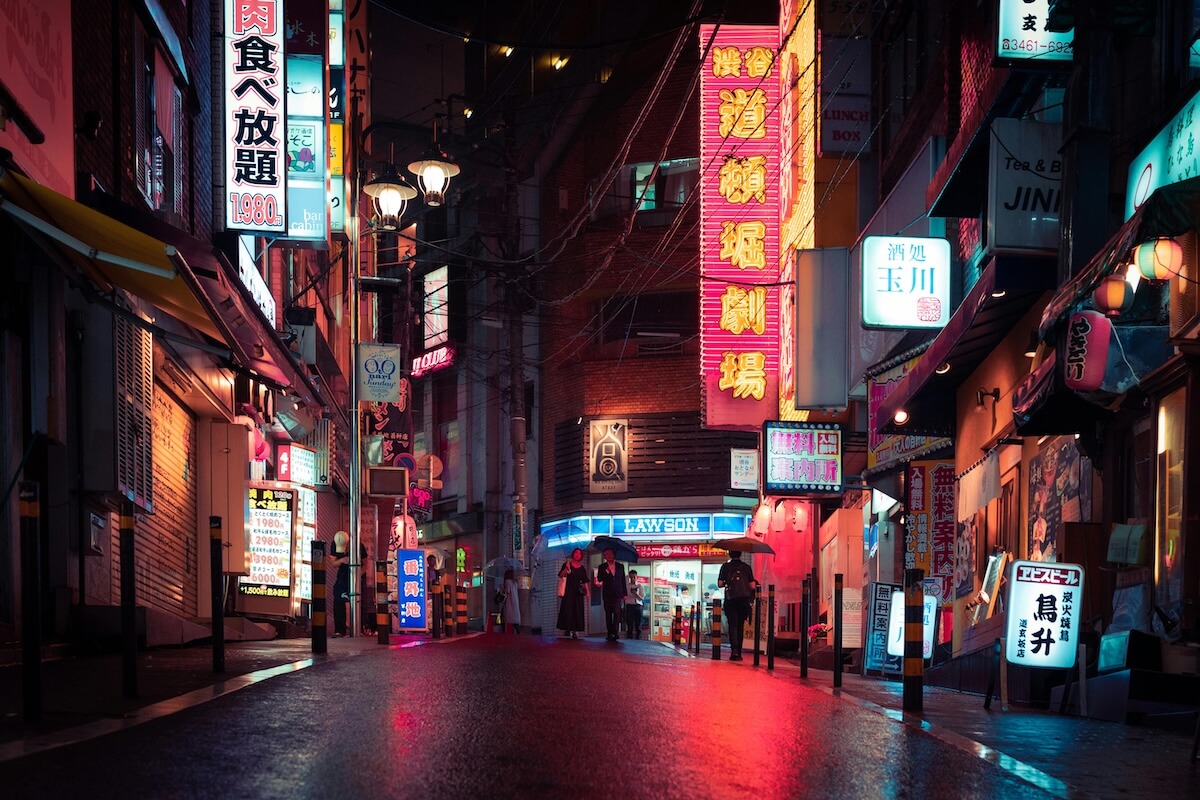
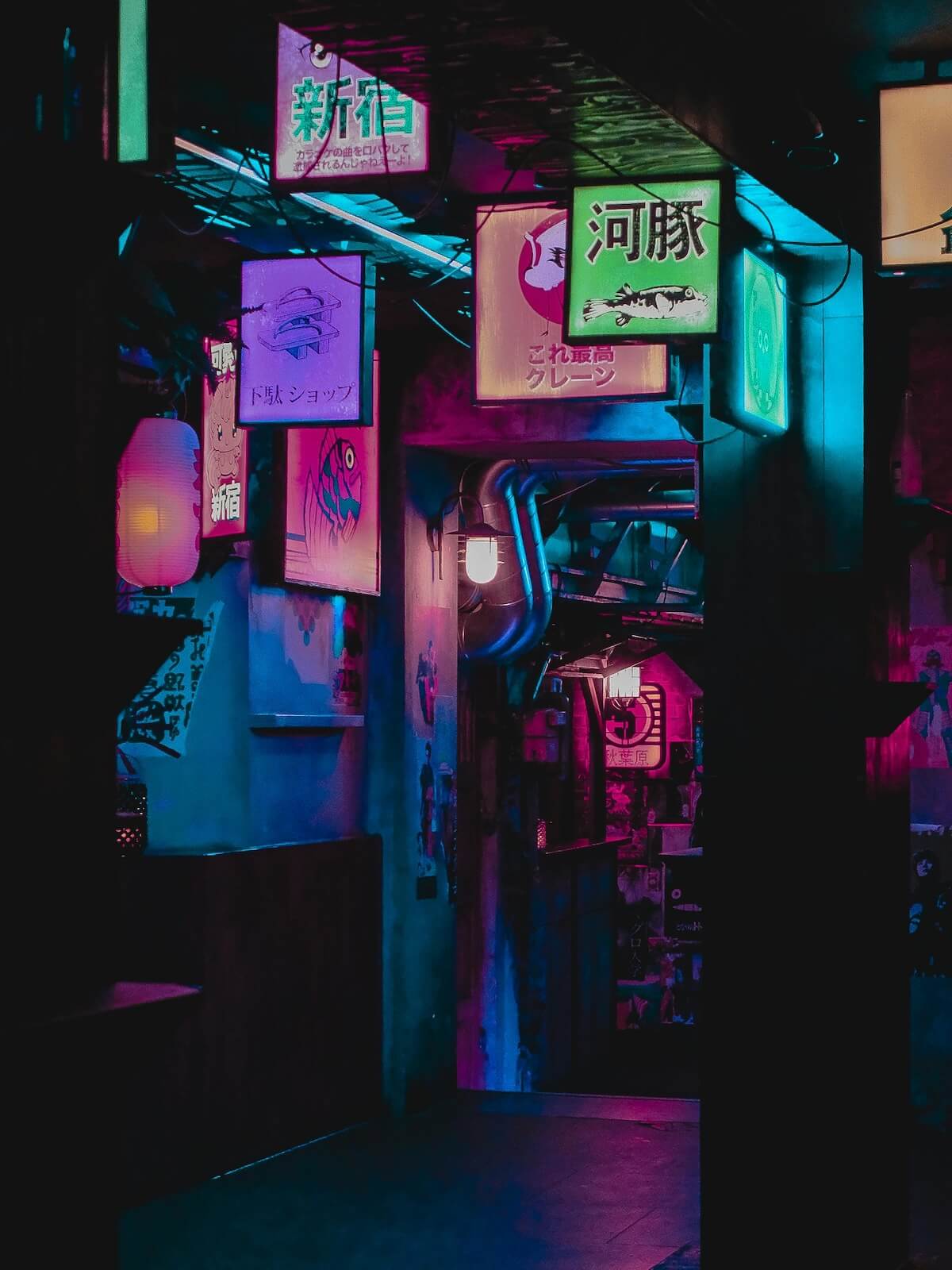
Chains like Torikizoku offer standardized quality at low prices (most items ¥300-400). Independent izakayas vary wildly—some are centuries old with tatami seating; others are cramped standing-room spots under train tracks. The yakitori specialists in the alleys around Yurakucho Station, smoke billowing from grills, salary men loosening ties, remain one of Tokyo's essential experiences.
Most izakayas charge a small otoshi (appetizer charge) of ¥300-500 per person—a small dish appears whether you ordered it or not, and it's built into the system, not a scam. Smoking is often permitted, which surprises visitors expecting Japanese venues to be smoke-free.
Language can be a barrier. Pictures on menus help; pointing works; the Google Translate camera function is useful for kanji-heavy menus. But part of the izakaya experience is ordering something unidentifiable and discovering what arrives. It's almost always good.
Depachika: The Department Store Basements
Japanese department stores hide their treasures underground. The basement floors—called depachika (a contraction of 'department store basement')—are food halls of staggering quality and variety.
The big stores (Isetan in Shinjuku, Mitsukoshi in Ginza, Takashimaya in Nihonbashi) dedicate entire basement floors to prepared foods, sweets, produce, and specialty items. You'll find wagyu beef purveyors next to perfect fruit vendors (¥10,000 melons are not a joke) next to European chocolate shops next to traditional Japanese confectioners making wagashi to centuries-old recipes.
The strategy: go in the evening, an hour before closing. Many prepared food counters discount their unsold items (look for stickers with reduced prices). The quality doesn't drop—it's just inventory management. A bento that cost ¥1,500 at noon might be ¥900 at 7pm, and it's still better than almost any takeaway food you've had.
This is also where you find omiyage—the obligatory souvenirs that Japanese travelers bring back for colleagues and friends. The sweet shops do elaborate packaging; the cookies, cakes, and traditional treats are designed for gifting. If you need to bring something home, the depachika is where to source it.
Conbini: The Convenience Store Miracle
Japanese convenience stores (conbini) are not what you're imagining. 7-Eleven, Lawson, and FamilyMart—the big three chains—operate at a quality level that makes Western convenience stores seem like vending machines.
The onigiri (rice balls) are fresh, properly seasoned, and wrapped in ingenious packaging that keeps the nori crisp until the moment you eat it. The sandwiches use actual bread and real ingredients. The fried chicken (famichiki at FamilyMart, nanachiki at 7-Eleven) is genuinely good. The bento boxes are freshly stocked multiple times daily. The egg salad sandwiches have cult followings.
At any hour—and they're open 24/7—you can assemble a meal that would shame most fast-food restaurants: an onigiri, some fried chicken, a small salad, and a hot can of coffee from the self-service machine. Cost: maybe ¥600. Quality: surprisingly high.
The seasonal items rotate constantly. Limited-edition flavors of everything appear and disappear. Serious snack enthusiasts track what's available across different chains and regions. It's a subculture unto itself.
Specialty Deep Dives
Tokyo rewards specificity. If you want to go deep on any single food category, the infrastructure exists.
Tempura at its highest level is light, greaseless, served piece by piece at a counter. Mikawa (Kayabacho) and Kondo (Ginza) are legendary but expensive. For accessible quality, Tsunahachi in Shinjuku has been operating since 1924.
Tonkatsu (breaded pork cutlet) is comfort food elevated to art. Maisen (Aoyama) is the famous one, worth the wait for the heritage pork options. Butagumi (Nishi-Azabu) lets you choose your pork breed and cut.
Kaiseki is the traditional multi-course haute cuisine, intensely seasonal, served in careful progression. It's expensive (¥15,000-50,000 per person), requires reservations, and represents the philosophical pinnacle of Japanese cooking. Hotels often have good kaiseki restaurants accessible to foreigners.
Udon and soba shops specialize with the same intensity as ramen. Shin (Shinjuku) does hand-cut soba with obsessive attention to the buckwheat. Standing udon shops near train stations offer excellent noodles for ¥300-500—a legitimate meal between connections.
Practical Navigation
Reservations are essential for high-end spots, especially if you don't speak Japanese. Use hotel concierges, booking services like TableAll or Pocket Concierge, or Japanese-speaking friends. Some restaurants only accept reservations in Japanese; others don't take reservations at all and require queuing.
Cash is still important. Many small restaurants, especially ramen shops and izakayas, are cash-only. The ¥10,000 notes from ATMs at 7-Eleven are your friend—break them at convenience stores, where large bills are normal.
Tipping doesn't exist. Not in any context. Attempting to tip can cause genuine confusion. The price is the price; service is included.
Lunch is often the best value. Restaurants that charge ¥5,000+ for dinner frequently offer lunch sets at ¥1,000-2,000. The quality is identical; the portion may be smaller, the courses fewer, but the craft is the same. This is how to experience expensive restaurants on a budget.
Google Maps is reliable for finding restaurants and checking current hours. Reviews in Japanese are more informative than English ones (use translate). Tabelog is the local equivalent of Yelp and has more comprehensive coverage of smaller spots.
Neighborhood Eating
Different areas have different specialties and vibes.
Shinjuku has everything but specializes in energy: the yakitori alleys of Memory Lane (Omoide Yokocho), the Korean restaurants of Shin-Okubo, the late-night intensity of Kabukicho.
Shibuya skews young and trendy but has solid options in the side streets away from the crossing. Ebisu and Daikanyama, nearby, are more refined.
Ginza is expensive but justified—the flagship restaurants, the historic establishments, the department store basements are concentrated here. Lunch is the way in.
Asakusa feels more traditional, with restaurants serving Edo-period specialties. Ueno has the old-school izakayas and the Ameyoko market for street food.
Kagurazaka was Tokyo's geisha district and maintains excellent Japanese restaurants in the winding back streets. Yanaka is old Tokyo preserved, with traditional shops and low-key eating.
What to Skip
Theme restaurants (robot restaurant, ninja restaurant, etc.) are about experience, not food. If you want entertainment, fine, but know what you're getting.
Western chains in Japan are curiosities but rarely worth seeking out. Yes, Japanese McDonald's has different items, but you're in a city with the world's best food—don't spend meals on novelty burgers.
The famous spots with two-hour waits aren't always worth the time. Tokyo has thousands of excellent restaurants; spending half a day in line for one specific bowl seems like poor optimization.
The Bigger Point
Tokyo cooking isn't trying to impress you. It's not performing innovation for its own sake or chasing novelty. It's the accumulated result of a culture that values mastery, respects ingredients, and believes that even simple things deserve serious attention.
This is why the convenience store onigiri is wrapped in clever packaging. This is why the train station bento is a considered meal. This is why the ramen chef who's been making one soup for thirty years isn't bored—he's still refining.
You could spend months eating in Tokyo and only scratch the surface. A week gives you a sense of the range; two weeks lets you develop preferences and return to favorites; a month and you begin to understand why people organize their lives around this city's food.
Start with the ramen. You'll figure out the rest from there.


Comments
How did this story make you feel?
No comments yet. Be the first to share your thoughts!