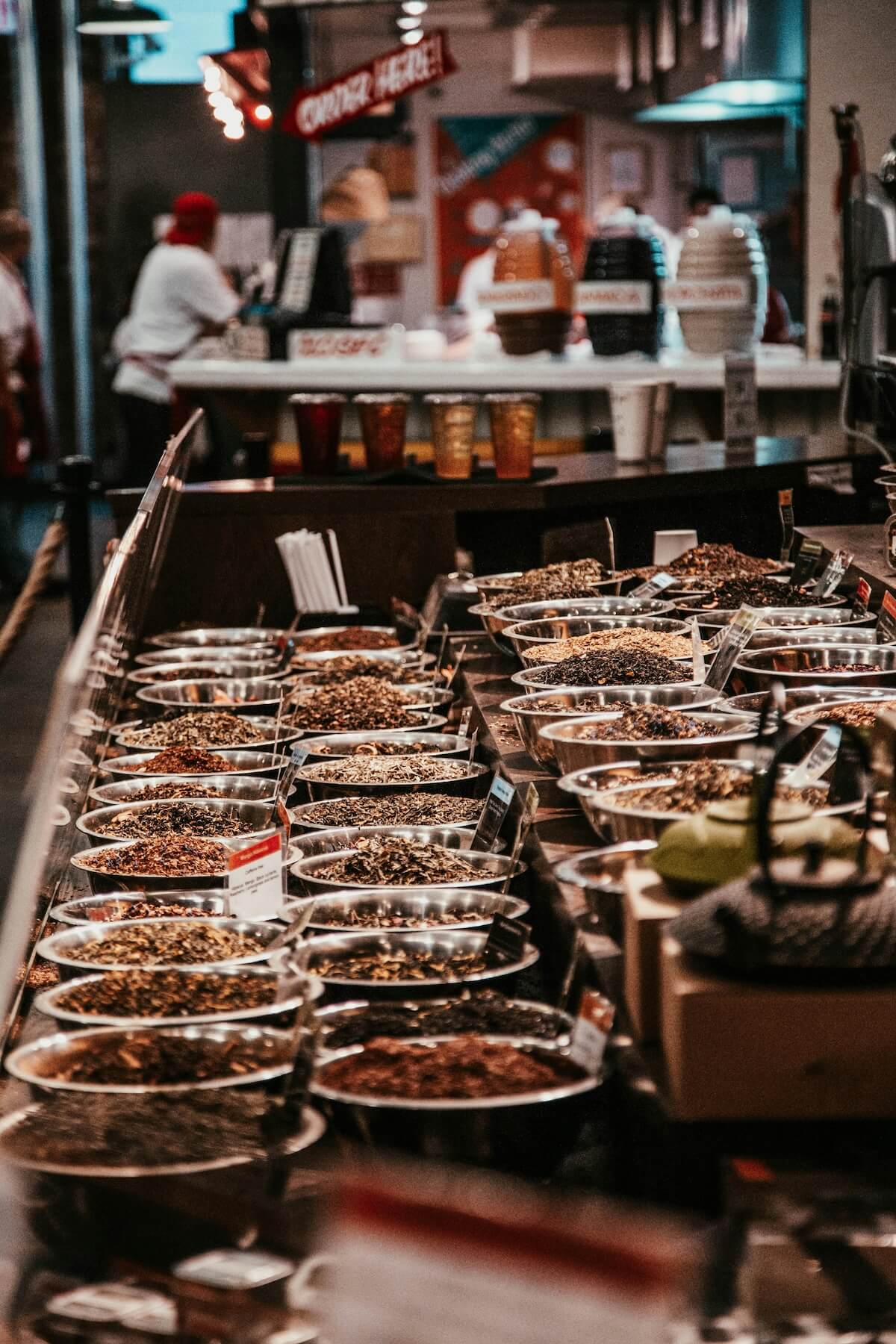
Oaxaca: A Pilgrimage to Mexico's Culinary Heart
Seven varieties of mole, cheese that stretches like taffy, grasshoppers toasted with lime and chile, and chocolate the way it was meant to be. Oaxaca isn't just a food destination—it's where you understand what Mexican cuisine actually is.
The mole arrives in a clay bowl, almost black, shimmering with oil. It took three days to make. The woman who made it—the cocinera at a small comedor in the Mercado 20 de Noviembre—started with over thirty ingredients, including four kinds of dried chiles, chocolate, plantain, and spices she won't fully enumerate. You taste smoke and fruit, heat and sweetness, something you can't name because your palate has no reference point for it. This is mole negro, Oaxaca's most revered dish, and nothing you've encountered as 'Mexican food' has prepared you for it.
Oaxaca is where Mexico's culinary diversity becomes undeniable. The state contains sixteen distinct indigenous groups, each with food traditions predating the Spanish by millennia. The geography ranges from Pacific coast to cloud forest to high valley. The result is a cuisine—really, a collection of cuisines—that scholars consider among the world's great food traditions, mentioned in the same conversations as French, Chinese, and Japanese cooking.
Most travelers discover this by accident. They come for the ruins of Monte Albán or the Day of the Dead, and the food rewires their understanding of what they're eating. Here's how to do Oaxaca with intention.
The Seven Moles
Oaxaca is known as 'the land of seven moles,' though the actual number varies depending on who's counting. What matters is the principle: mole here isn't a single dish but a category, a technique applied differently in every village, every kitchen, every family.
Mole negro is the most famous—complex, dark, with bitter chocolate and charred chile. It's the ceremonial mole, served at weddings and funerals. Mole rojo is simpler but not lesser: red chiles, spices, less labor but still depth. Mole coloradito balances sweet and savory with ancho chiles and chocolate. Mole amarillo is bright, tangy, often served with masa dumplings. Mole verde uses herbs—hoja santa, epazote, parsley—and has an herbal freshness the others lack. Mole chichilo is black, smoky, made with chilhuacle negro and featuring beef rather than the usual chicken or turkey. Manchamanteles ('tablecloth stainer') brings fruit into the mix—pineapple, apple, plantain—creating something closer to a sweet-savory curry.
Each takes hours or days. Each exists in countless variations. The point is not to rank them but to understand that you're eating history—recipes passed through generations, adjusted by available ingredients, shaped by ceremony and necessity.
Mercado 20 de Noviembre and Mercado Benito Juárez
These two adjacent markets in central Oaxaca City form the heart of the food scene. They're where locals shop, where cooking traditions remain intact, where the full scope of Oaxacan ingredients becomes visible.
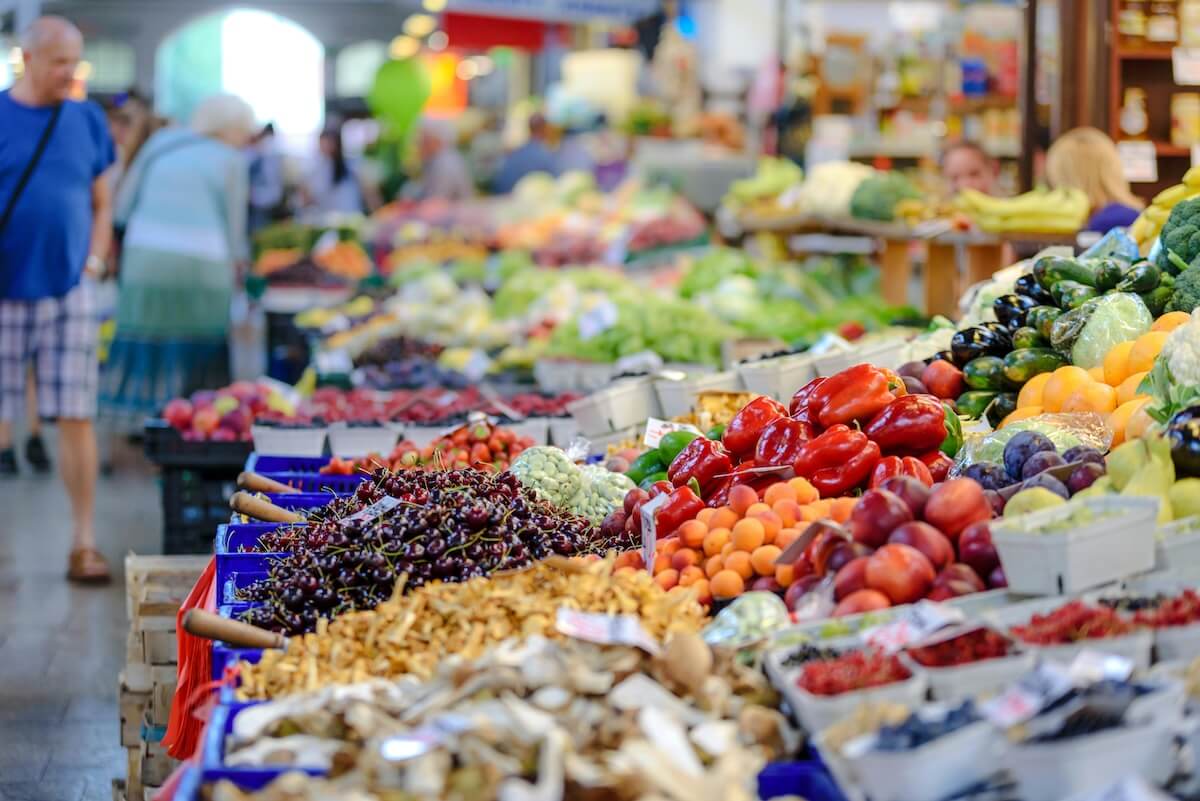
Mercado 20 de Noviembre has the famous 'pasillo de humo'—the smoke aisle. Here, vendors grill tasajo (thin-cut dried beef), chorizo, and cecina (pork) over open coals while you wait. You take your meat to a shared table and order tortillas, salsas, and sides from women circulating the aisles. The smoke fills the building; your clothes will smell like fire for hours. It's the best introduction to the sensory intensity of Oaxacan eating.
The market also houses the comedores—small stalls with plastic chairs where women serve the food they've been making all their lives. This is where to eat mole, empanadas de amarillo, caldo de gato (not cat, despite the name—it's a beef soup), and whatever the daily special happens to be. Prices are low; quality is often extraordinary.
Mercado Benito Juárez is more of an ingredients market. Sections for chiles—dozens of varieties, dried and fresh. Sections for cheese, including quesillo (the stringy Oaxacan cheese you've probably had on tacos elsewhere). Sections for chocolate, sold in tablets or ground to order with sugar, cinnamon, and almonds. Sections for the herbs and spices that make Oaxacan cooking distinctive: hoja santa, hierba santa, epazote.
Tlayudas: The Oaxacan Street Food
If mole is ceremony, the tlayuda is everyday Oaxaca. A large thin tortilla (30+ centimeters), crisped on a comal, spread with asiento (unrefined pork lard), black beans, and quesillo, then topped with whatever you choose—tasajo, chorizo, vegetables, chapulines. It's folded in half and grilled again until the cheese melts and the edges char.
Tlayudas are everywhere: street carts, market stalls, late-night stands that feed the post-evening crowd. They're the default snack, the walking food, the thing you eat when you're not sure what you want. And they're genuinely good—the combination of textures (crispy, chewy, melty) and the flavor of properly rendered lard creates something more satisfying than its simplicity suggests.
The best are made to order on a charcoal brazier. The worst are pre-made and reheated. The difference is significant. Look for smoke, look for fresh tortillas, look for the queue of locals.
Chapulines: Yes, the Grasshoppers
Toasted grasshoppers seasoned with chile, lime, and salt. They're sold by the bag in the markets, ranging from tiny (the size of a rice grain) to large (finger-length). The taste is somewhere between shrimp and sunflower seeds—nutty, slightly tangy, with the chile heat building.
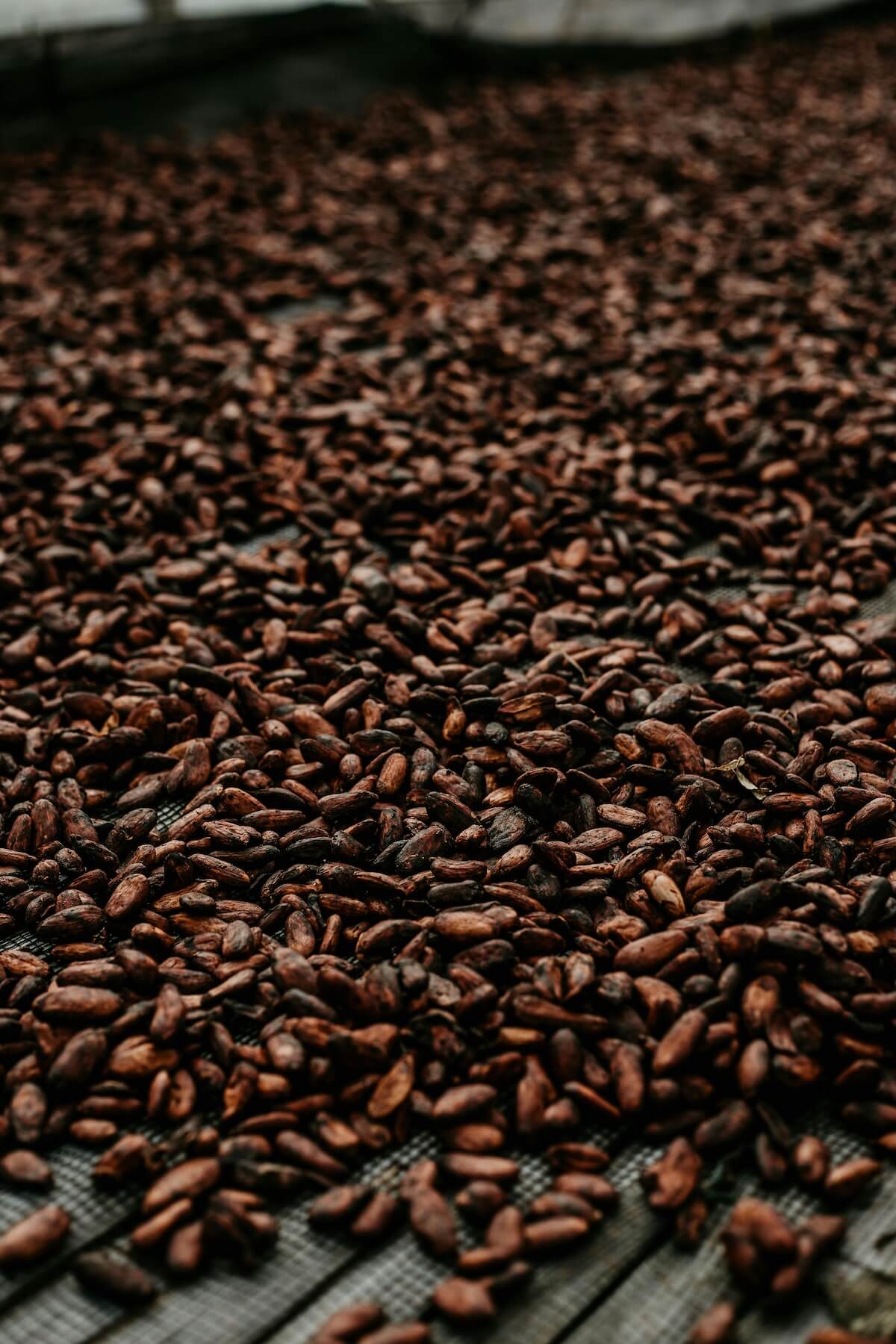
Chapulines have been eaten in Oaxaca for thousands of years. They're protein-rich, sustainable, and—once you get past the psychological barrier—genuinely delicious. Start with the smallest ones if you're squeamish; the texture is less insect-y. Or order them on a tlayuda, where they blend into the other toppings.
The experience is partly about confronting your own food assumptions. What's 'normal' to eat is cultural, not absolute. Oaxaca makes this viscerally clear—and then rewards your openness with something that actually tastes good.
Chocolate and Cacao
Chocolate is Mesoamerican. The word comes from the Nahuatl 'xocolātl.' Oaxaca was growing cacao and drinking chocolate-based beverages centuries before the Spanish arrived. The tradition never stopped—it just went underground, survived in markets and kitchens, and now anchors the contemporary chocolate scene.
The Oaxacan way with chocolate is fundamentally different from European traditions. Here, chocolate is mixed with water (not milk), frothed with a molinillo (a carved wooden whisk), and often flavored with cinnamon, almonds, or vanilla. It's grainier, less sweet, more assertively cocoa-flavored. Drinking it connects you to the pre-Columbian tradition in a way that a Belgian truffle never could.
Several shops in the city center grind chocolate to order. You choose your cacao, your sweetness level, your additions. The smell is intoxicating. The finished product keeps for months but tastes best within weeks.
Chocolate also appears in the moles, of course—it's the ingredient that confuses people who expect Mexican food to be only spicy. The bitterness of cacao balances the heat of chiles in ways that take time to appreciate fully.
Beyond the City: Village Markets
The central valley around Oaxaca City hosts weekly markets in surrounding villages—a different town each day of the week. These are where the regional variation becomes apparent: ingredients that don't make it to the city, preparations specific to individual communities, the full diversity of Oaxacan food culture.
Tlacolula (Sundays) is the largest and most famous. The market sprawls across the town center, selling everything from livestock to crafts to food. The barbacoa section—slow-cooked lamb wrapped in maguey leaves and buried with hot coals—is legendary. Arrive early; the best cuts sell out.
Ocotlán (Fridays) is known for its carnitas and its embroidered textiles. Etla (Wednesdays) produces Oaxaca's best quesillo and hosts a smaller, more intimate market. Zaachila (Thursdays) has exceptional pre-Hispanic ruins and a market that feels less tourist-adjusted than Tlacolula.
Getting to these markets requires some effort—colectivos (shared taxis) run from the city center, or you can hire a taxi. The reward is seeing food culture in its working context: farmers selling their own produce, grandmothers trading recipes, the economic and social fabric that sustains traditional foodways.
The Drinks
Oaxaca produces excellent coffee—the cloud forests of the Sierra Norte provide ideal growing conditions. Look for small roasters in the city; the quality rivals any specialty scene.
Agua de chilacayota is made from a variety of squash cooked with piloncillo (unrefined cane sugar) and cinnamon. It's sweet, earthy, and unlike any agua fresca you've had elsewhere. Tejate is more unusual: a pre-Hispanic drink made from cacao, mamey seed, and maíz, served cold with a foam on top. It's an acquired taste—chalky, nutty, vaguely floral—but worth trying as a window into pre-Columbian food culture.
Horchata in Oaxaca often includes melon seeds along with the usual rice, giving it a distinctive character. And the fresh-squeezed juices at market stalls—orange, grapefruit, green juice blends—are cheap, delicious, and safe to drink.
Cooking Classes
The best way to understand Oaxacan food is to make it. Several operations run cooking classes that begin at the market—shopping for ingredients with a guide who explains what you're buying—then move to a kitchen for the actual cooking.
Classes typically cover one or two moles plus supporting dishes. The labor involved becomes clear when you're grinding chiles on a metate, toasting spices in a clay comal, layering ingredients over hours. It's the difference between eating mole and understanding why mole is a gift—why the work is the respect.
Reputable operations include Casa de los Sabores and Seasons of My Heart, both of which have been running classes for decades and emphasize traditional techniques. Book in advance during high season (November for Day of the Dead, December-January for holidays).
Practical Matters
The best food in Oaxaca is rarely in restaurants. Markets and street stalls offer the most authentic, often the highest quality cooking. That said, several restaurants have earned their reputations: Los Danzantes for contemporary Oaxacan; Pitiona for fine dining with local ingredients; La Biznaga for excellent moles in a pleasant courtyard. Budget spots like Itanoni focus on heirloom corn varieties and traditional preparations.
Prices are low by any international standard. A market comedor meal costs 60-100 pesos ($3-6). Street tlayudas run 40-70 pesos. Even upscale restaurants rarely exceed $30-40 per person. You can eat extraordinarily well on $20 a day if you stick to markets and stalls.
Food safety concerns are valid but manageable. Eat where turnover is high (busy stalls = fresh food). Watch that things are cooked to order. Peel fruit, stick to bottled water. The usual precautions apply, but Oaxaca is generally safe for careful eating.
When to Go
October-November brings Día de los Muertos and the elaborate food traditions surrounding it—pan de muerto, special moles, altar offerings. The city fills with visitors, but the cultural depth rewards the crowds.
July features the Guelaguetza, Oaxaca's largest cultural festival, with dance, music, and regional foods from across the state. December and January are dry season with pleasant weather but holiday crowds.
The rainy season (June-September) has fewer tourists and lower prices. Afternoons bring storms, but mornings are clear. The markets operate year-round; the food is just as good.
Why It Matters
Food tourism can be extractive—outsiders consuming culture without understanding or reciprocating. Oaxaca offers something better if you approach it correctly: a living food tradition maintained by people who consider it heritage, not performance.
The cocineras in the markets are artists. The farmers growing heirloom corn varieties are conservationists. The families maintaining their grandmother's mole recipe are historians. Eating in Oaxaca, done thoughtfully, is an act of participation in something that deserves to survive.
This is why the mole takes three days. This is why the chocolate is ground by hand. This is why the tlayuda vendor uses her grandmother's comal. The food is inseparable from the culture, and the culture is still alive—vulnerable to modernization, threatened by emigration, but alive.
You go to Oaxaca to eat, yes. But you come back understanding something about food that transcends the specific dishes: that cuisine is memory, that cooking is care, that some things are worth the labor they require.


Comments
How did this story make you feel?
No comments yet. Be the first to share your thoughts!