Night Hiking an Active Volcano in Guatemala
Climbing Acatenango in the dark to watch Fuego erupt at sunrise—what to expect, what to pack, and why it's worth every painful step.
The alarm goes off at 3:45am and you're already awake. You've been awake, actually, because sleeping at 3,900 meters in a tent while an active volcano explodes every twenty minutes isn't exactly restful. But that's the point. You're here for the explosions.
Acatenango is Guatemala's most popular overnight hike, and for good reason. From its summit, you get front-row seats to Volcán de Fuego—one of the most active volcanoes on Earth—erupting in real time. Lava, smoke, the works. It's the kind of thing that makes you feel very small and very alive simultaneously.
But let's be clear: this hike earns its reputation. It's steep, it's cold, and the altitude hits harder than you expect. Here's everything I learned doing it—so you can decide if it's for you, and if so, how to do it right.
The Route and What to Expect
The standard itinerary is a two-day, one-night trek departing from Antigua. Most tours leave around 8am, drive an hour to the trailhead near La Soledad, and begin the ascent around 10am. You'll climb roughly 1,500 meters over 5-6 hours to reach base camp, where you'll eat dinner, attempt sleep, then summit for sunrise.
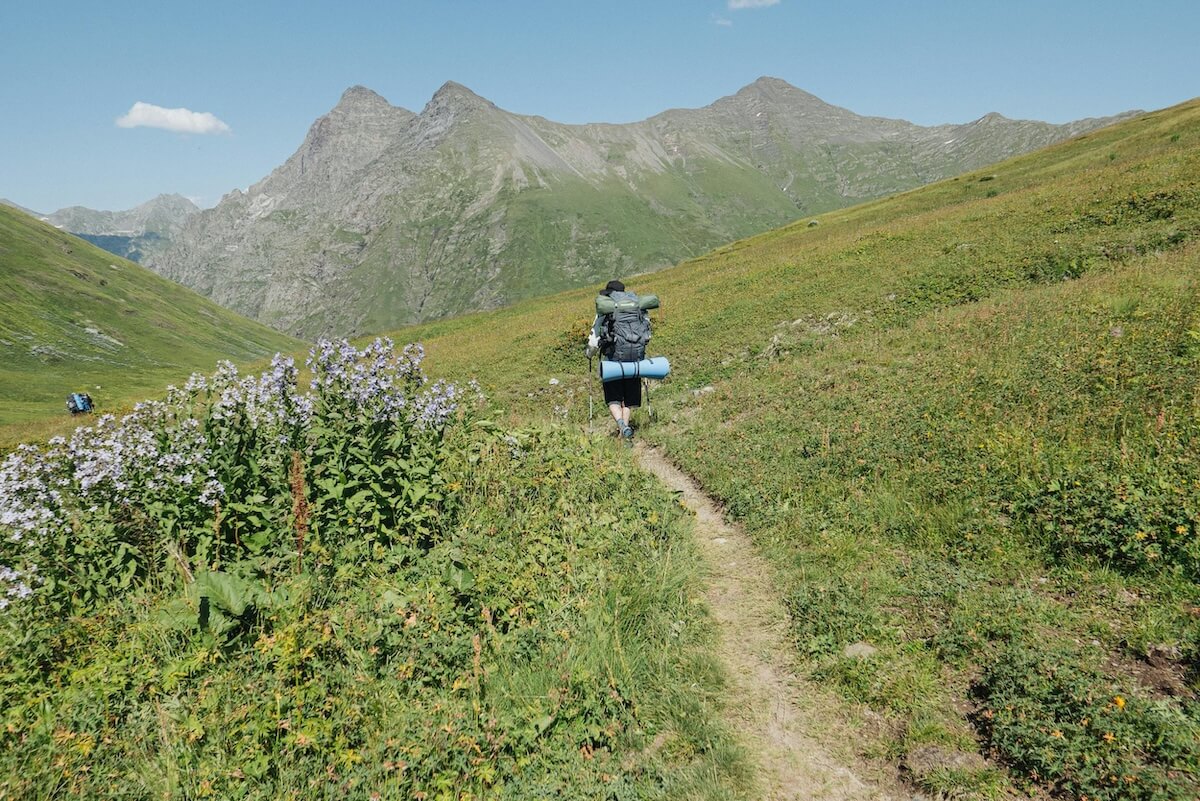
The first two hours are the most pleasant—winding through farmland and pine forest, gradual incline, birds overhead. Enjoy it. Around hour three, the trail steepens significantly and the air thins noticeably. This is where most people start questioning their life choices.
The final push to base camp is loose volcanic sand—two steps forward, one step sliding back. It's demoralizing but mercifully short. By 4pm, you're at camp, exhausted, with nothing to do but eat pasta, drink coca tea, and watch Fuego put on its evening show.
The Main Event: Fuego Erupting
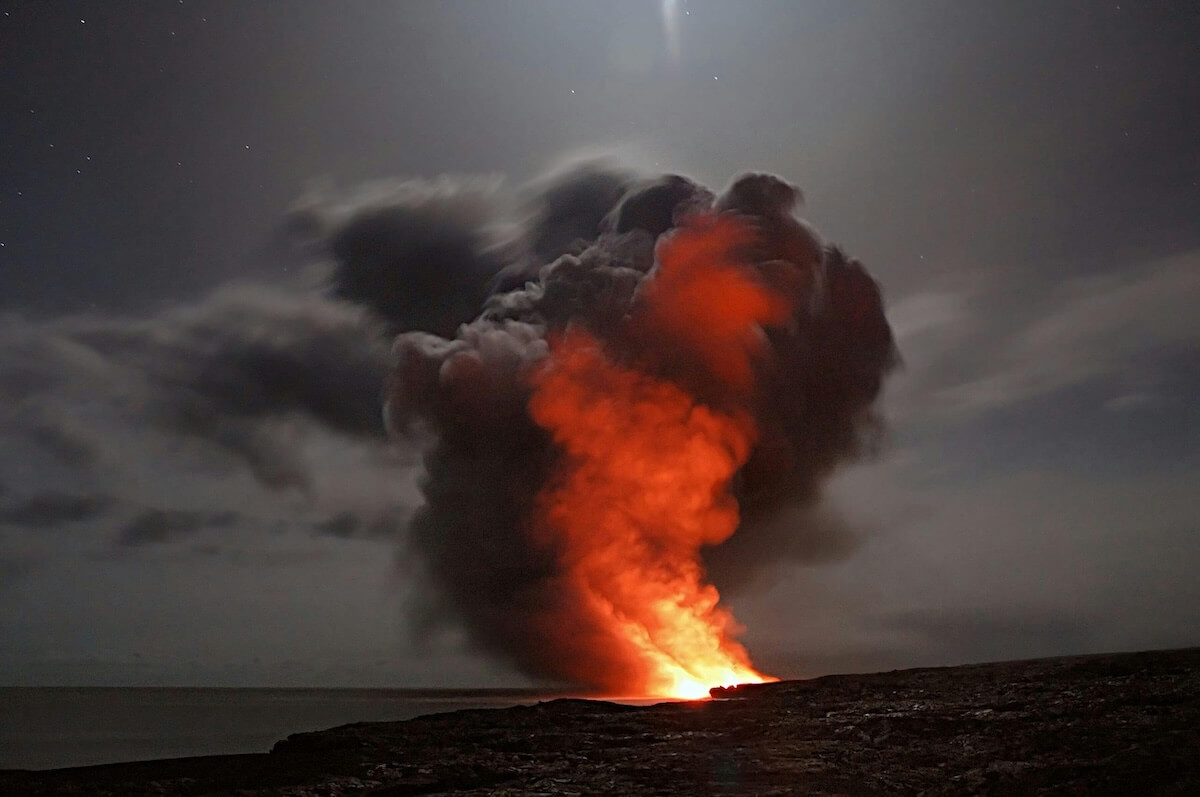
Fuego erupts roughly every 15-30 minutes. During the day, you see billowing ash clouds. At dusk, you start to see the glow. And at night, it's genuinely spectacular—orange lava shooting into the sky, the rumble reaching you a few seconds later, the whole thing feeling impossibly cinematic.
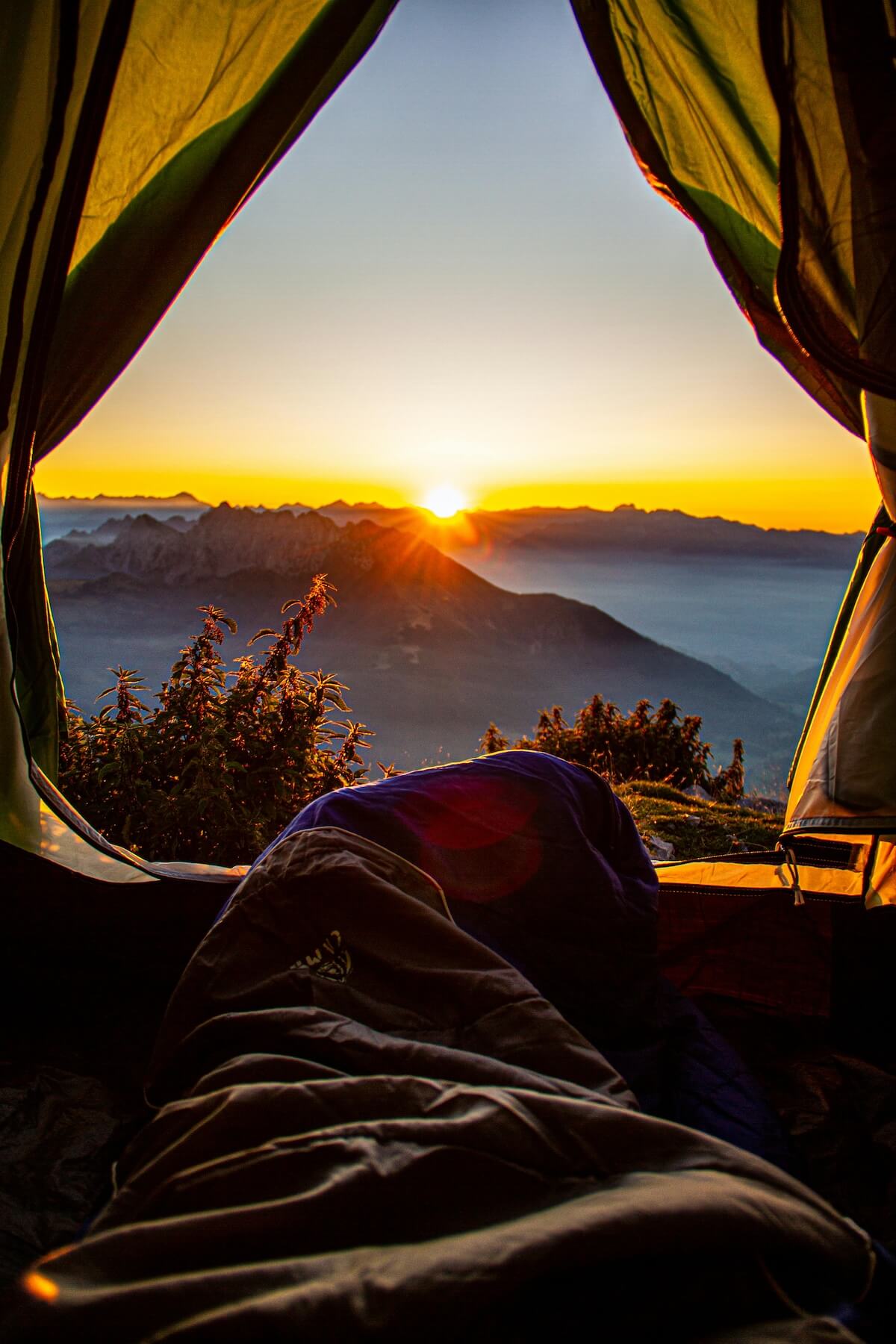
The summit push adds another 500 meters, starting around 4am to catch sunrise. It's cold—near freezing—and steep. But watching the sun rise over Guatemala's highlands while Fuego erupts in the foreground is one of those moments that actually lives up to the hype.
Difficulty: Be Honest With Yourself
Tour operators describe Acatenango as "moderate to challenging." This is marketing. It's challenging. Period. You're gaining significant elevation, dealing with altitude, hiking on unstable terrain, and doing the hardest section in the dark on minimal sleep.
That said, reasonably fit people complete it every day. You don't need to be an athlete. But you should be comfortable hiking 4-6 hours, have some experience with elevation, and be mentally prepared for discomfort. If your only hiking experience is flat nature walks, consider building up to this one.
- Total distance: ~12km round trip
- Elevation gain: ~1,500m to base camp, ~2,000m to summit
- Duration: 2 days, 1 night (5-6 hours up, 3-4 hours down)
- Highest point: 3,976m (13,045ft)
Choosing a Tour Operator
You can technically do Acatenango independently, but there's little reason to. Tours from Antigua cost Q250-400 ($30-50 USD) and include transport, guides, meals, tent, and sleeping bag. The price difference usually reflects group size and gear quality.
I went with OX Expeditions and had a good experience—small group, solid guides, edible food. Tropicana and Wicho & Charlie's are other well-reviewed options. Avoid the cheapest tours; the savings aren't worth a leaky tent at 4,000 meters.
What to Pack
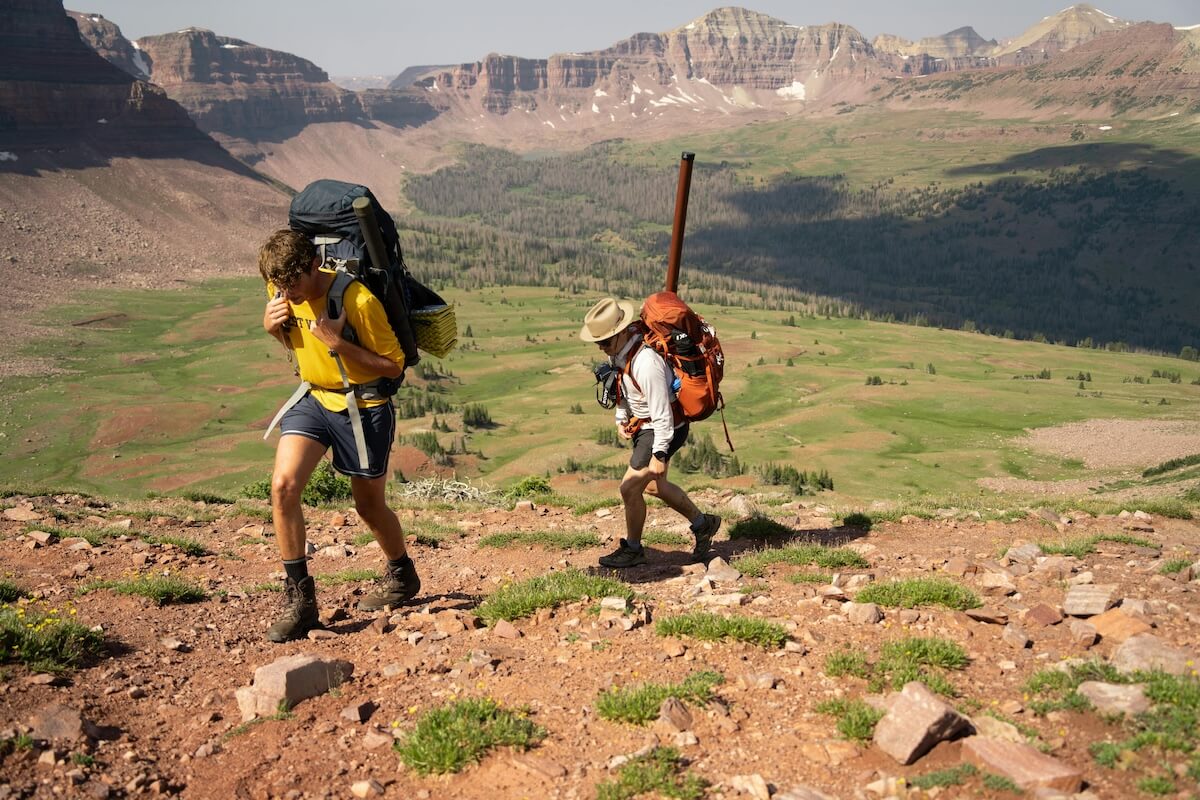
Tours provide tents, sleeping bags, and meals. You're responsible for everything else. The key challenge is temperature range—you'll sweat through your shirt on the ascent and shiver through the night. Layers are everything.
- Base layer (wool or synthetic, not cotton)
- Fleece or down jacket
- Windproof/waterproof outer layer
- Warm hat and gloves (essential for summit)
- Headlamp with fresh batteries
- 3+ liters of water
- Snacks (the provided meals are basic)
- Hiking poles if you use them
- Cash for tips
When to Go
Dry season (November-April) offers the best chance of clear views. Rainy season isn't impossible, but clouds often obscure Fuego, which defeats the purpose. Within dry season, weekdays see smaller crowds than weekends.
Full moon hikes are popular for the extra light, but they also mean more people and less dramatic eruption contrast. New moon means darker skies and brighter lava. There's no wrong answer—just different tradeoffs.
Is It Worth It?
Yes. Unequivocally. Acatenango is hard, but it's the right kind of hard—the kind that makes the reward feel earned. Watching an active volcano erupt while wrapped in a sleeping bag, drinking instant coffee, surrounded by strangers who just became friends through shared suffering? That's travel at its best.
Just don't underestimate it. Train a little. Bring warm clothes. Choose a decent operator. And when you're crawling up that final stretch of volcanic sand, remember: every step is one closer to watching the earth literally explode in front of you.
That's worth some discomfort.


Comments
How did this story make you feel?
No comments yet. Be the first to share your thoughts!