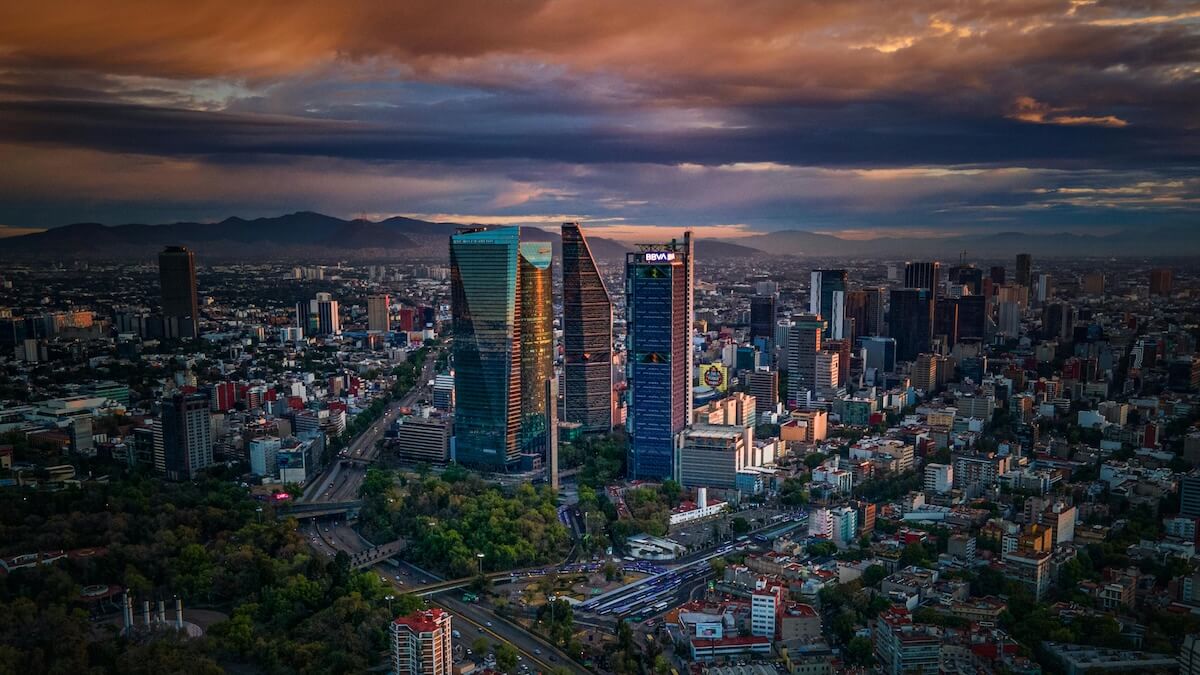
Mexico City for Digital Nomads: The Complete Guide
Excellent wifi, $5 lunches, world-class culture, and a cost of living that lets you live well on a modest income. Here's why Mexico City has become the default destination for remote workers.
The cafe has exposed brick, good lighting, and wifi that actually works. Your cortado costs 45 pesos—about $2.50. The lunch special at the fonda next door will run you 80 pesos, and it comes with soup, rice, a main, agua fresca, and dessert. Your apartment in a tree-lined neighborhood costs what a parking spot goes for in San Francisco.
This is Mexico City math, and it's why the city has become the de facto capital of the digital nomad world. Not because it's cheap (though it is), but because the ratio of cost to quality of life is almost unfairly good. You're not slumming it here—you're living well, eating extraordinarily, and experiencing one of the world's great cities while your bank account stays roughly intact.
I've spent extended time working from CDMX across multiple trips. Here's what you actually need to know.
Why Mexico City Works for Remote Work
The basics first: Mexico City is in Central Time (CST/CDT), which means near-perfect overlap with US business hours. New York is one hour ahead; Los Angeles is two hours behind. For anyone working with American clients or teams, this eliminates the timezone gymnastics that make Southeast Asia or Europe difficult.
Internet is genuinely good. Fiber is common in the neighborhoods where nomads tend to land. Most apartments advertise speeds of 100-200 Mbps, and in my experience, they deliver. Cafes and coworking spaces are reliable. The days of hunting for working wifi are over here.
The city is enormous—22 million people in the metro area—which means infrastructure that smaller nomad destinations can't match. International airport with direct flights to most major cities. World-class hospitals. Uber and DiDi that work seamlessly. A metro system that costs 5 pesos (30 cents) and goes everywhere.
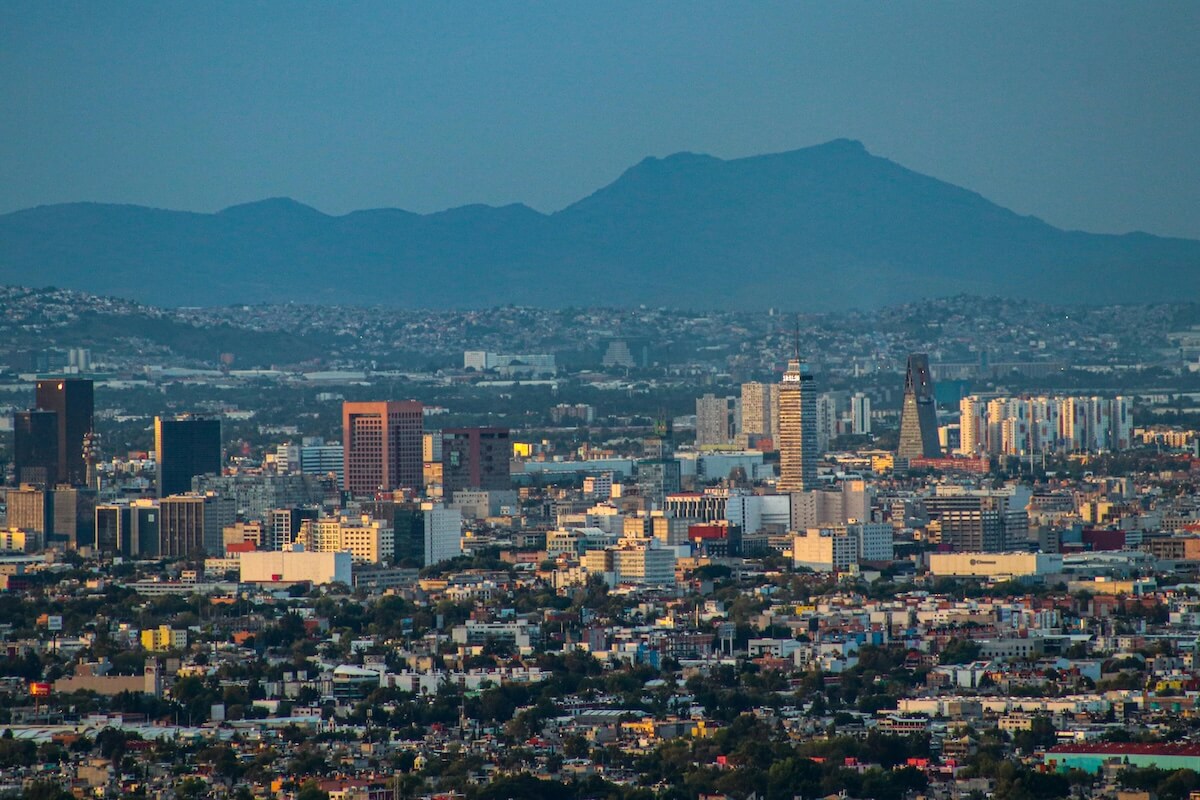
But the real reason people stay is harder to quantify. Mexico City has texture—history layered on history, neighborhoods with distinct personalities, a food culture that operates at every price point, and an energy that rewards exploration. It's not a beach town where you work and wait for the weekend. It's a city that gives back what you put into it.
The Neighborhoods: Where to Base Yourself
Digital nomads have concentrated in a handful of neighborhoods, for good reason. These areas have the infrastructure—cafes, coworking, fast food delivery, English menus—that make remote work frictionless. They're also genuinely nice places to live.
Roma Norte is the default choice. Tree-lined streets, Art Deco and Art Nouveau architecture, cafes on every corner. It's walkable, beautiful, and absolutely saturated with other remote workers. Some people find this comforting; others find it a bit too familiar, like a more interesting Williamsburg. The cafe laptop density is high. Rents have risen accordingly—expect $800-1,200/month for a decent one-bedroom.
Condesa is Roma's slightly fancier neighbor. More parks (Parque México and Parque España are legitimate urban oases), slightly higher prices, similar vibe. The distinction between Roma and Condesa is mostly academic—they blur together, and you'll spend time in both regardless of where you stay.
Juárez is emerging as the value play. Just north of Roma, it has much of the same walkability and cafe culture at lower rents. Less polished, more gritty, but gentrifying fast. Good for people who want the Roma adjacency without the Roma prices.
Coyoacán offers a different experience entirely. In the south of the city, it feels more like a colonial town that got absorbed by the metropolis. Cobblestone streets, plazas, Frida Kahlo's house. Fewer nomads, more Mexican families. The tradeoff is distance—you're 30-45 minutes from Roma/Condesa by Uber, which matters if you're meeting people.
Working: Cafes and Coworking
Mexico City's cafe culture is excellent for laptop work. Unlike some cities where cafes subtly (or not subtly) discourage remote workers, CDMX cafes seem to embrace it. Most have good wifi, accessible outlets, and no side-eye if you're there for hours.

The cafe circuit in Roma/Condesa is well-established. Blend Station has multiple locations and is essentially designed for remote work. Chiquitito is tiny and beloved. Almanegra roasts excellent coffee and has a back room that fills with laptops by 10am. Panadería Rosetta is gorgeous and has the city's best pastries, though you'll want to work elsewhere—it's too good to waste on a screen.
For dedicated work, coworking spaces are plentiful. Selina has locations in Roma and Downtown with day passes and flexible memberships. WeWork has multiple CDMX locations if you're already in their system. Homework is a local favorite with a community vibe. Prices range from $10-20/day or $150-300/month for full membership.
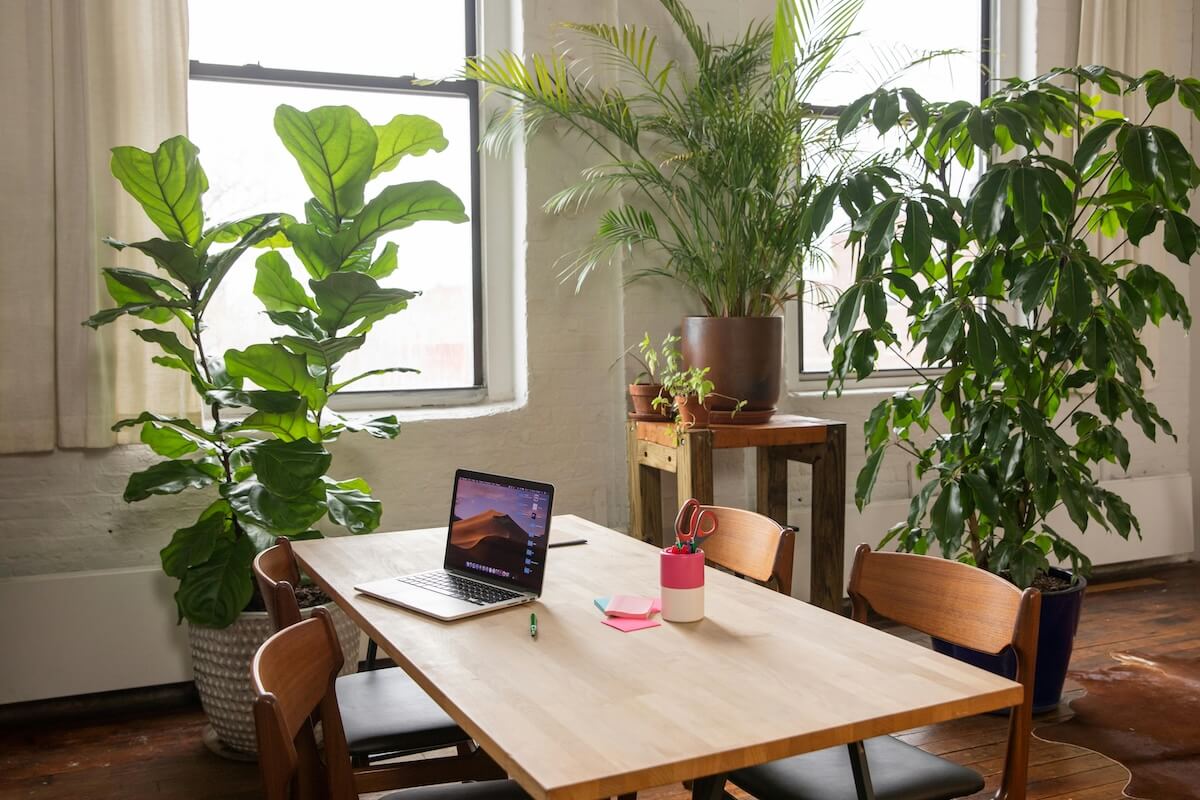
Many nomads skip both and work from home. If your apartment has good wifi and a decent desk setup, this works fine. The city is stimulating enough that cabin fever is less of an issue than in quieter destinations.
Cost of Living: The Real Numbers
Mexico City's value proposition is real, though gentrification in nomad neighborhoods has pushed prices up. Here's what to actually expect:
Housing dominates the budget. A furnished one-bedroom in Roma or Condesa runs $800-1,500/month depending on size and quality. Studios exist for $600-800. Sharing an apartment cuts costs significantly. Outside the prime neighborhoods, prices drop 30-40%. Furnished apartments on Airbnb skew expensive for short stays but negotiate down for monthly rentals.
Food is where the value shines. Tacos from a street stand cost 15-25 pesos each ($1-1.50). A comida corrida (set lunch) at a local fonda runs 70-100 pesos ($4-6) for multiple courses. Coffee at a nice cafe is 45-70 pesos ($2.50-4). Groceries at supermarkets are roughly 60% of US prices.
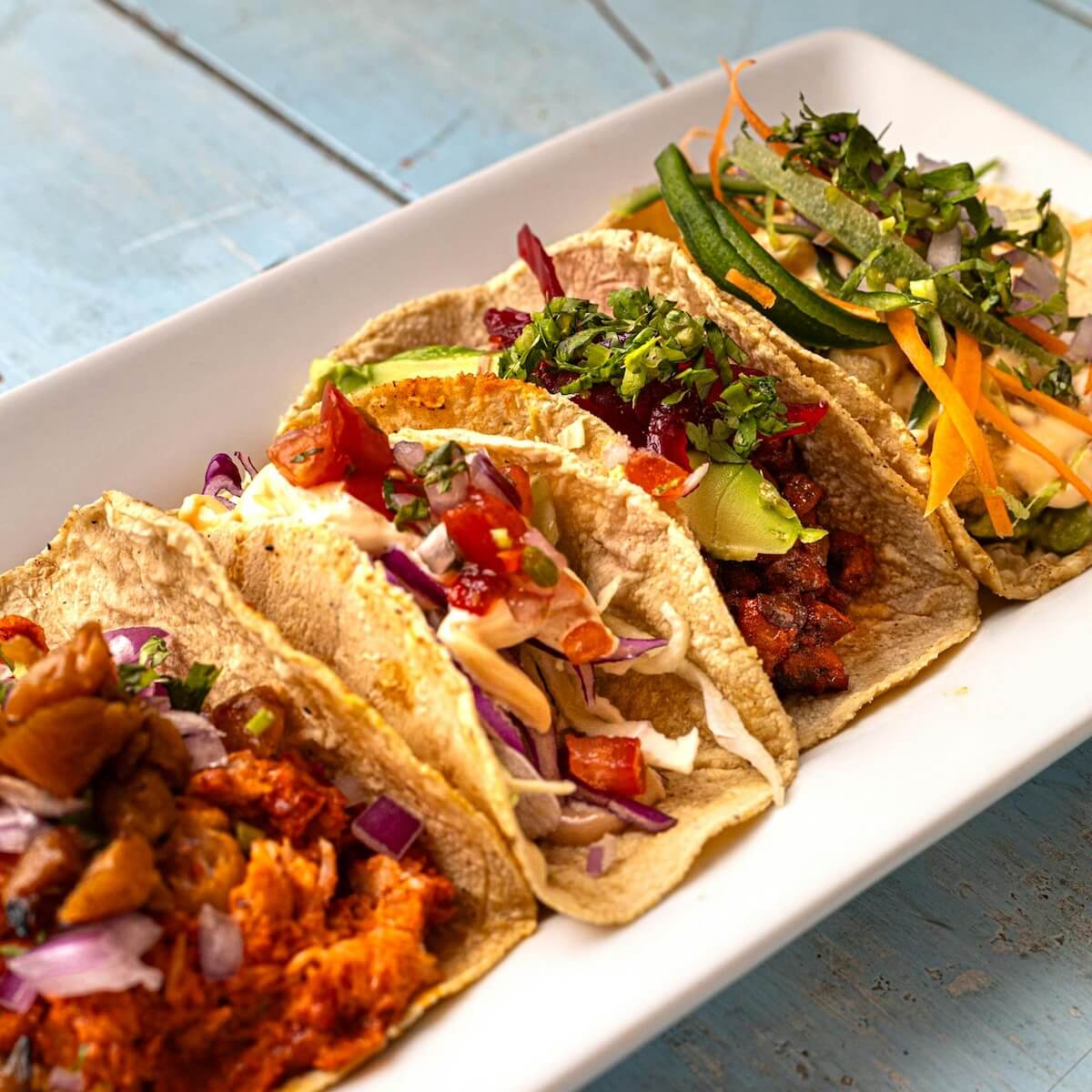
Going out is flexible. Nice restaurants in Roma or Polanco will run $30-50/person—not cheap, but not Manhattan either. Mid-range spots hit $15-25. And the taco stands and markets that define Mexican food culture cost almost nothing while delivering some of the best meals you'll have anywhere.
Transportation is negligible. Metro is 5 pesos. Uber rides across the city rarely exceed $8-10. You don't need a car, and parking would be a hassle anyway.
Realistic monthly budgets: $1,500-2,000 for comfortable living (own apartment, eating out regularly, occasional nice dinners). $2,500-3,000 for living well (nicer apartment, regular restaurants, activities). Below $1,500 is possible with roommates and cooking, but you'd be missing the point.
The Food Situation
Mexico City might be the world's best food city for its price point. The depth of options—from street food to fine dining—is extraordinary, and the quality floor is remarkably high.
Street tacos are the foundation. Al pastor (spit-roasted pork with pineapple) is the city's signature. Suadero (braised beef) is unctuous and underrated. Carnitas, barbacoa, lengua—every stand has specialties. Finding your regular taco spots is part of settling in.
Markets are essential. Mercado Roma is the gentrified food hall version—good for variety, slightly touristy. The real action is in neighborhood markets: Mercado Medellín for international ingredients, Mercado de Coyoacán for traditional food stalls, La Merced if you want to see how the city actually feeds itself (it's enormous and overwhelming).
The restaurant scene has exploded. Pujol and Quintonil are world-ranked fine dining (reservations weeks ahead, $150+ per person). But the sweet spot is the tier below: Contramar for seafood, Rosetta for Italian-Mexican fusion, Máximo Bistrot for farm-to-table—meals that would cost $100+ in New York for half that here.
Getting Around
The Metro is extensive and absurdly cheap but gets crushingly crowded during rush hours. Useful for longer distances; avoid 7-9am and 5-8pm if possible.
Uber and DiDi are the default for most nomads. Rides are cheap by US standards and solve the navigation problem. Both apps work reliably. DiDi often has slightly lower prices and more drivers.
Walking works well within neighborhoods. Roma, Condesa, and Juárez are very walkable, with tree-lined sidewalks that make strolling pleasant. Between neighborhoods, distances add up quickly—this is a 20-million-person city spread across a valley.
Biking is possible but challenging. Sunday's Ciclovía closes major roads to cars, which is wonderful. Daily cycling requires comfort with aggressive traffic and variable infrastructure.
Visas and Staying Legal
Americans, Canadians, and most Europeans get 180 days on arrival—a tourist permit (FMM) stamped in your passport. This is technically for tourism, not work, but enforcement around remote work is essentially non-existent. You're not taking a Mexican job; you're a tourist who happens to use the internet.
The 180-day limit is real. At the end, you need to leave the country. Most people do a visa run to somewhere nearby (Guatemala, Colombia, the US), then return for another 180 days. Immigration officers occasionally give shorter stamps (90 or 120 days) on re-entry—politely requesting 180 days usually works.
For longer stays, the Temporary Resident visa requires proving income (roughly $2,500/month from foreign sources) and involves paperwork at a Mexican consulate before arriving. It's a commitment but provides stability if you're planning a year or more.
Tax implications vary by your home country. Mexico doesn't tax tourists on foreign income. Your home country likely still wants to hear from you. Consult a professional if your situation is complex.
Safety: The Honest Version
Mexico City's reputation is worse than its reality, at least in the neighborhoods where nomads spend time. Roma, Condesa, Juárez, Polanco, Coyoacán—these areas are genuinely safe for normal urban precautions.
Street crime exists but isn't epidemic. Phone snatching happens; don't walk around with your $1,200 iPhone prominently displayed. Petty theft happens; don't leave laptops unattended. These are standard global-city precautions, not Mexico-specific paranoia.
The violence that dominates headlines—cartel activity, kidnappings—occurs almost entirely outside the city and outside tourist areas. It's real, it's tragic, but it's not something you'll encounter living in Roma Norte.
Practical tips: Use Uber or DiDi rather than street taxis, especially at night. Stay aware on the Metro (pickpockets exist). Don't flash expensive items unnecessarily. Trust your instincts about neighborhoods, particularly late at night.
The Social Scene
Finding community is easy—almost too easy. The nomad concentration in Roma/Condesa means you'll meet people without trying. Cafes, coworking spaces, and language exchanges generate connections naturally.
The risk is the bubble effect. It's entirely possible to spend months in Mexico City socializing exclusively with other Americans and Europeans, eating at the same Instagram cafes, never speaking Spanish beyond ordering tacos. Some people are fine with this; others find it defeats the purpose.
Breaking out requires intention. Take Spanish classes (there are many good schools). Join activities that attract locals—sports leagues, dance classes, cooking courses. Frequent neighborhood spots rather than nomad hotspots. The city has 22 million people; the remote worker population is a rounding error.
Dating apps work normally. The social scene skews young and international in the usual neighborhoods. Mexicans are generally warm and social, though friendships may take time to deepen beyond surface pleasantries.
Beyond the Laptop: What to Do
Mexico City rewards exploration. The historic center has the Zócalo, the Metropolitan Cathedral, the Templo Mayor ruins. Chapultepec Park is enormous and houses major museums including the National Museum of Anthropology—genuinely world-class and essential. The Frida Kahlo and Diego Rivera museums in Coyoacán connect art and history.
Architecture tours reveal a city of layers: Aztec foundations, colonial churches, Art Deco masterpieces, contemporary buildings by world-famous architects. Luis Barragán's house is a pilgrimage site for design people.
Day trips expand the options. Teotihuacán's pyramids are an hour away. Puebla, with its colonial architecture and mole, is two hours. Valle de Bravo offers weekend nature escapes. Oaxaca is a $50 flight and arguably Mexico's best food destination.
The city's nightlife ranges from mezcal bars to world-class clubs to lucha libre wrestling. Live music venues cover everything from traditional son to international touring acts. Whatever you're into, it exists here.
The Downsides
No place is perfect. Mexico City's issues are worth knowing before you commit.
Air quality is variable. The city sits in a valley surrounded by mountains, trapping pollution. Some days are fine; others you'll feel it. Check air quality apps; adjust outdoor plans accordingly.
Traffic is brutal if you're in a car during rush hour. This matters less for remote workers who can avoid commuting, but Ubers across the city can take an hour in bad traffic.
Altitude affects some people. The city sits at 2,240 meters (7,350 feet). Most people adjust within a few days, but you might feel breathless or tired initially, and hangovers can be worse.
The nomad saturation has drawbacks. Rents in Roma/Condesa have risen significantly, pricing out some locals. There's legitimate resentment about gentrification. Being a thoughtful guest—learning Spanish, supporting local businesses, not treating the city as a cheap playground—matters.
Who Mexico City Is For
The city works best for people who want urban energy, not beach relaxation. It's ideal if you're working US hours and need timezone alignment. It suits those who value food culture, cultural depth, and a city with layers to discover.
It might not be right if you need nature daily (you'll have to seek it out), if you're uncomfortable with big-city intensity, or if you want complete solitude (the social default is being surrounded by other nomads).
The value is undeniable: a genuine world city at emerging-market prices. But the real draw is everything money can't quite capture—the energy, the history, the food, the sense that you're somewhere that matters rather than just somewhere cheap.
Most people who come for a month end up staying longer. There's a reason for that.


Comments
How did this story make you feel?
No comments yet. Be the first to share your thoughts!