Japan for Solo Travelers: Why It's the Best First (and Tenth) Solo Trip
Ultra-safe, endlessly fascinating, and designed for people who do things alone. Japan isn't just solo-travel-friendly—it's solo-travel-optimized. Here's how to experience it by yourself.
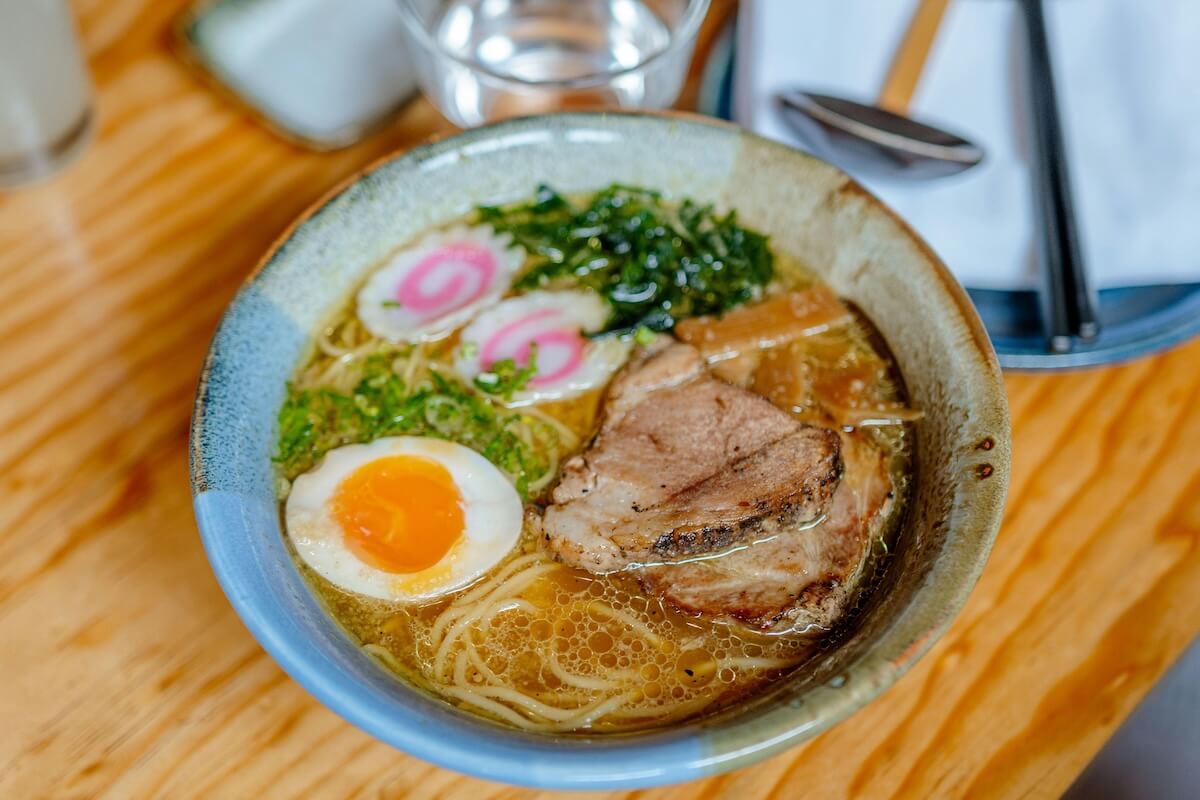
The ramen shop had eight seats. I took the one in the corner, fed my coins into the ticket machine, and handed the stub to the cook. No conversation required. No awkward table-for-one negotiations. Just the mechanical click of the machine, the steam rising from the pot, and a bowl that arrived exactly as expected. Ten minutes later I was back on the street, perfectly fed, already thinking about the next temple.
This is Japan for solo travelers: a country that has somehow engineered loneliness out of being alone. The systems work. The infrastructure anticipates your needs. The cultural norms around eating, traveling, and existing by yourself are not just acceptable but normal—often preferable.
I've traveled solo on four continents, and nowhere compares to Japan for pure logistical ease. It's safe, efficient, endlessly interesting, and designed in ways that make solo navigation not just possible but pleasant. Here's what you need to know.
Why Japan Works for Solo Travel
Safety first, because it matters: Japan is extraordinarily safe. Violent crime against tourists is vanishingly rare. Theft is uncommon enough that people leave bags unattended to hold seats in cafes. Women traveling alone report feeling comfortable walking at night, taking late trains, and exploring without the constant vigilance required in many destinations. This isn't to say bad things never happen—they can anywhere—but Japan consistently ranks among the world's safest countries for travelers.
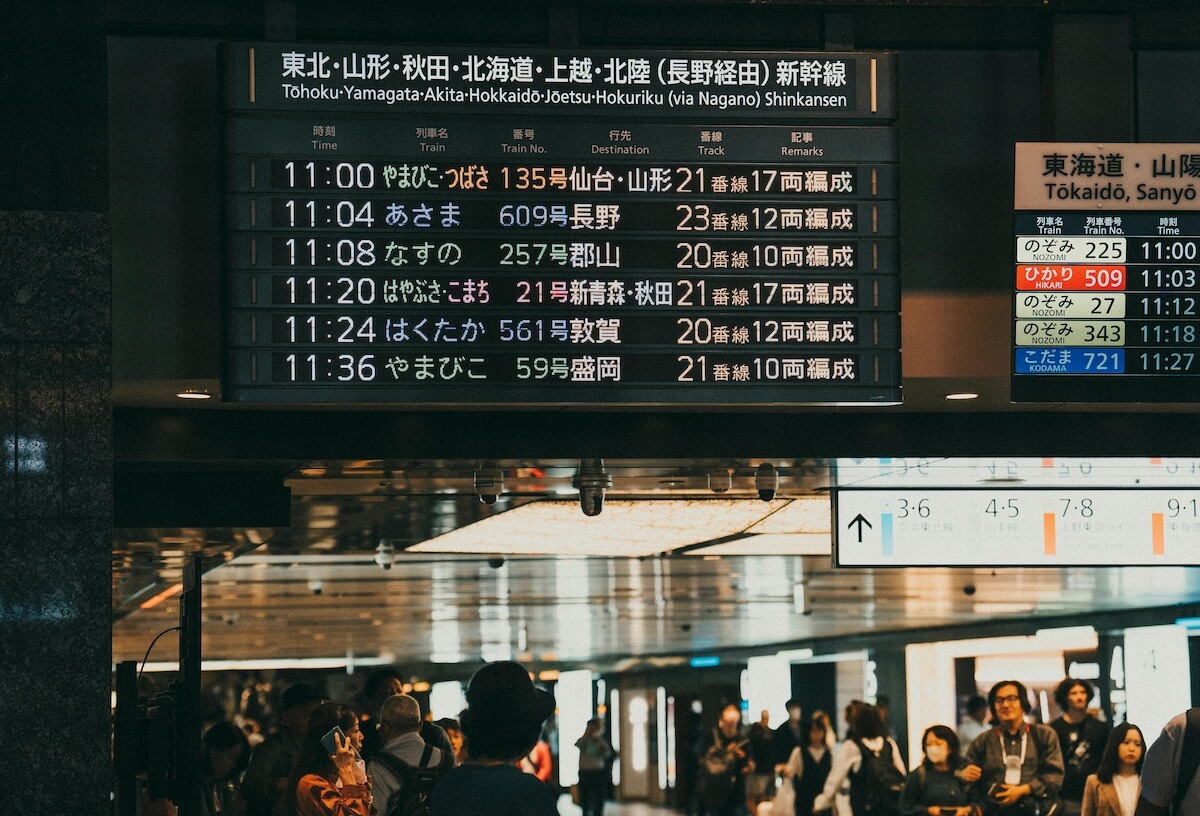
The infrastructure assumes solo users. Train stations have clear signage in English. Ticket machines offer language options. Hotel check-in is efficient and impersonal in the best sense—no small talk required. Restaurants expect solo diners; the counter seat is a design feature, not a consolation prize.
Cultural norms work in your favor. Japanese society values minding one's own business. No one will question why you're alone. No one will try to adopt you into their group. The flip side—it's harder to make spontaneous local friends—is offset by the freedom this provides. You can be invisible when you want to be, which is often exactly what solo travelers need.
And the depth is endless. Japan rewards repeat visits because there's simply too much to absorb in one trip—or five, or ten. The solo traveler can optimize for their own interests without compromise: temples all day, or none at all; three meals of ramen, or kaiseki splurges; early mornings at fish markets or late nights in Golden Gai. Your trip, your pace, no negotiations.
Eating Alone: A Non-Issue
In many countries, dining solo requires a certain psychological armor—the willingness to occupy a table meant for two, to deflect the waiter's concerned glances, to feel conspicuous. Japan eliminates this entirely.
Counter seating is the norm in ramen shops, sushi bars, yakitori joints, and countless other establishments. You sit facing the chef or the kitchen, eat your food, and leave. The format is designed for efficiency and, incidentally, for solo diners. There's no awkwardness because there's no presumption that eating should be social.
Ticket machines (券売機, kenbaiki) remove another friction point. You choose your meal, pay, receive a ticket, hand it to staff, and wait. No menus to puzzle over while a server hovers. No asking for recommendations. No tipping calculations. Just transaction, food, done.
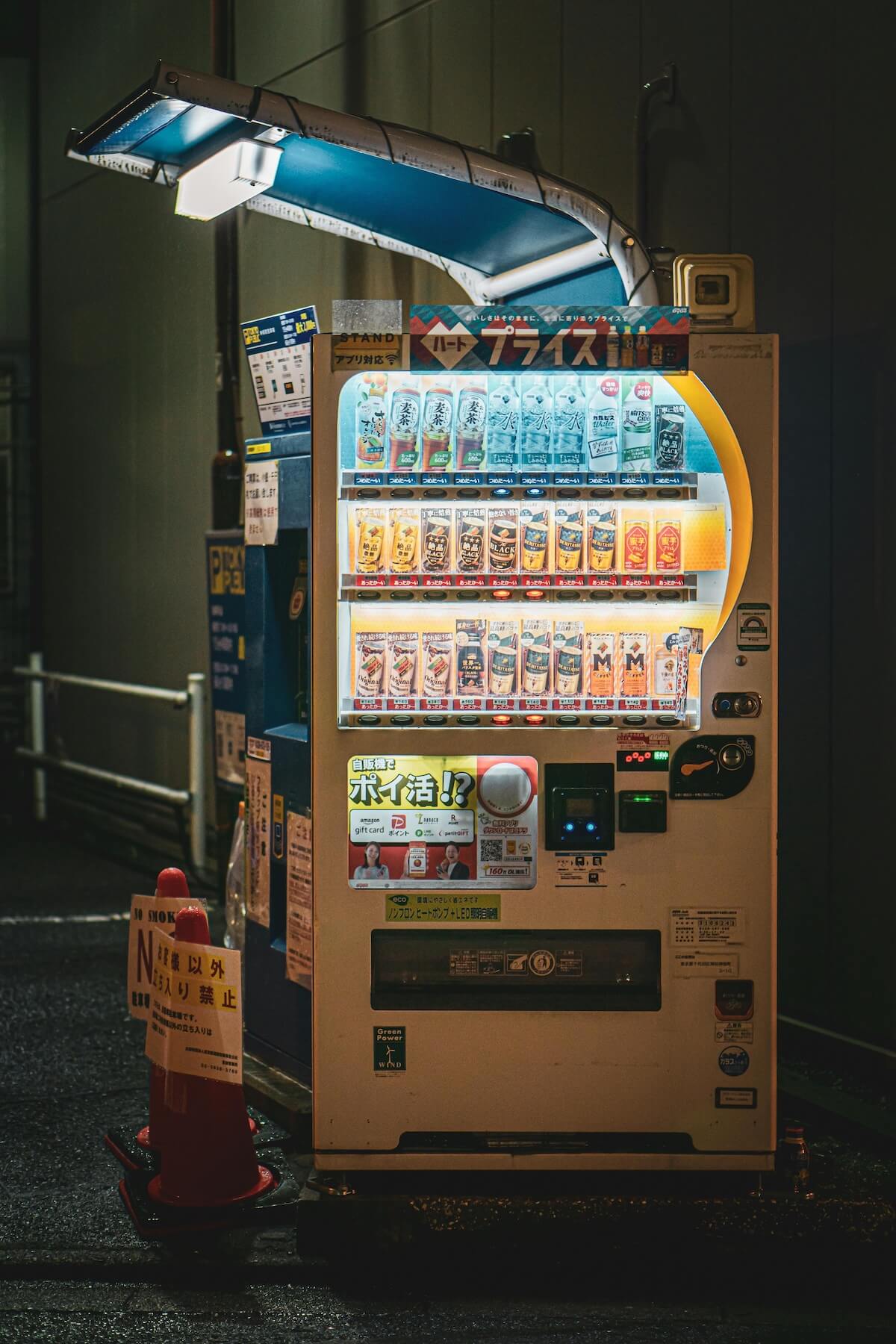
Convenience stores (konbini) are legitimate meal sources. 7-Eleven, Lawson, and FamilyMart stock fresh onigiri, bento boxes, sandwiches, and hot food at quality levels that would shame most Western delis. Eating a konbini meal on a park bench or in your hotel room is not slumming it—it's participating in how a significant portion of Japan actually eats.
Izakayas (Japanese pubs) are the one category where solo dining can feel slightly unusual, since the format emphasizes shared dishes and social drinking. But even here, counter seats exist, and no one will look at you strangely for occupying one.
Accommodation: From Capsules to Ryokans
Japan invented the capsule hotel, and while it started as salary-man crash space, it's now a legitimate solo travel option. You get a sleeping pod (larger than they look in photos), shared bathrooms, and often a lounge area—for ¥3,000-5,000/night in major cities. The experience is surprisingly private; each capsule is your own space. Not for the claustrophobic, but excellent for budget solo travelers who just need a clean, safe place to sleep.
Business hotels are the reliable middle ground. Chains like Toyoko Inn, APA, and Dormy Inn offer small but functional rooms at reasonable rates (¥6,000-12,000). They're designed for solo business travelers, which means efficiency over charm—but also consistency, cleanliness, and usually good locations near train stations.
Ryokans (traditional Japanese inns) work beautifully for solo travelers willing to pay a premium. Many offer single-occupancy rates for their tatami rooms, kaiseki dinners, and onsen (hot spring) access. The format is structured—set meal times, bathing routines, futon sleeping—which actually simplifies solo travel rather than complicating it. You follow the rhythm; no decisions required.
Hostels exist but are less necessary than in budget destinations. Japanese hostels tend to be clean and well-run, with private room options alongside dorms. They're good for meeting other travelers if social connection is what you're seeking.
Getting Around: The Trains Are Everything
Japanese trains are famous for their punctuality—departing within seconds of scheduled times, arriving the same. Less discussed is how solo-friendly the system is. Clear signage. Logical numbering. Platform announcements in English. Staff who will literally draw you maps if you're confused.
The JR Pass is the classic tool for solo travelers covering multiple cities. Pay upfront (currently around ¥50,000 for a 7-day pass), then ride unlimited shinkansen (bullet trains) and JR lines nationwide. The math works if you're doing the Tokyo-Kyoto-Hiroshima circuit; it doesn't if you're staying in one city.
IC cards (Suica, Pasmo) are essential. Load money, tap to enter stations and buses, tap again to exit. The system calculates fares automatically. Recharge at any station or konbini. This eliminates the mental load of figuring out ticket prices for every journey—just tap and go.
Navigation apps are reliable. Google Maps works well for train routing; the Japan-specific apps (like Navitime or Japan Transit Planner) offer more detail. Plugging in your destination and following the instructions is genuinely sufficient—the signage in stations matches what the app shows.
Rush hour is intense, particularly in Tokyo (roughly 7:30-9:00am and 5:30-8:00pm). As a solo traveler, you can often avoid it by adjusting your schedule—visiting morning temples while commuters are in transit, then moving during mid-morning lulls.
The Language Situation
Japanese is hard, and English proficiency in Japan is lower than many expect. This sounds like a barrier, but for solo travelers it's often a non-issue—precisely because Japan's systems are designed to minimize the need for verbal communication.
Picture menus are common. Ticket machines have English modes. Train announcements are bilingual. Hotel staff at tourist-frequented establishments can handle basic transactions. Google Translate's camera function can decode menus and signs in real-time.
Learning a few phrases helps and is appreciated: sumimasen (excuse me/sorry), arigatou gozaimasu (thank you), and pointing while saying kore (this one) covers most restaurant situations. Numbers are useful for shopping. But you can navigate Japan with essentially no Japanese—it just requires more reliance on apps and gestures.
The deeper you go—rural areas, traditional businesses, off-tourist-path restaurants—the more Japanese becomes necessary. But these situations often resolve through patience and goodwill on both sides. A solo traveler who approaches with politeness and humility will find help.
A Solo Traveler's Japan Itinerary
Two weeks allows a satisfying solo circuit. Three weeks is better. One week is possible but rushed.
Tokyo (4-5 days): The city is enormous and endlessly fascinating for independent exploration. Each neighborhood—Shibuya, Shinjuku, Asakusa, Harajuku, Akihabara—has distinct character. You can spend entire days just walking. Solo-friendly eating is everywhere; counter seats abound. Museums, temples, parks, shopping districts fill whatever time you give them.
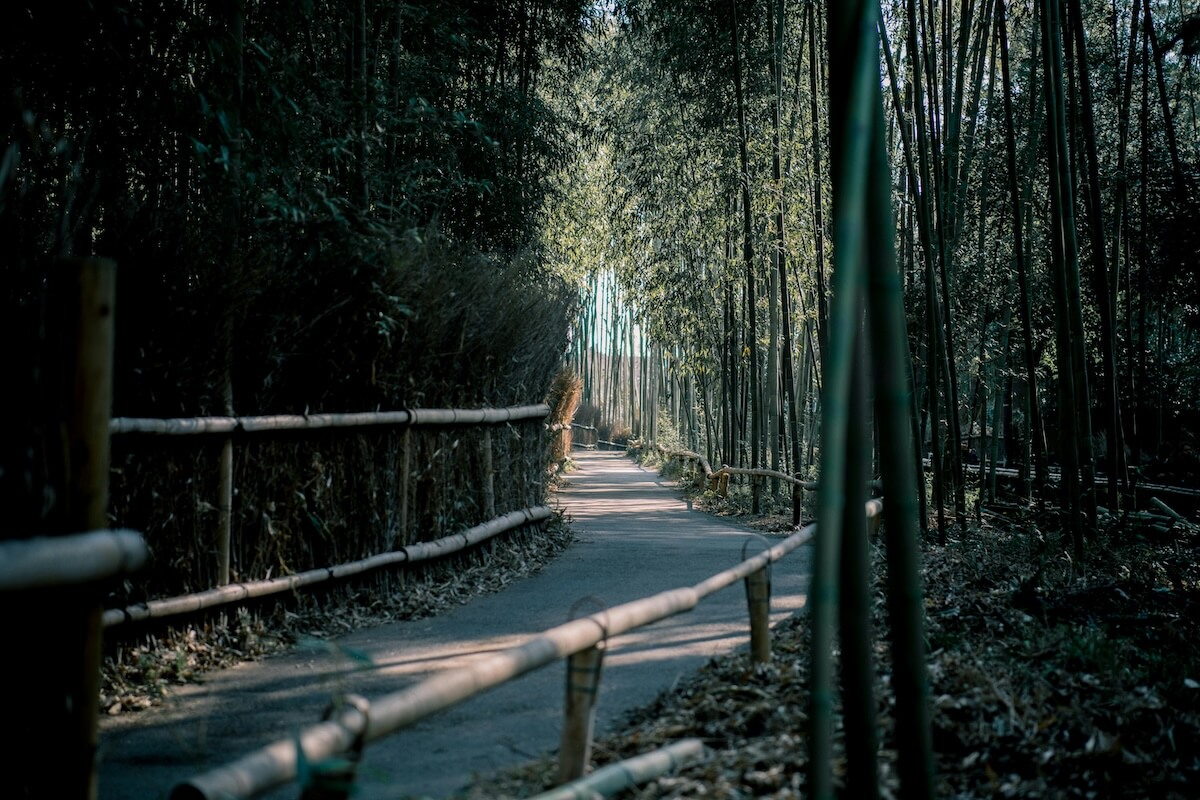
Kyoto (3-4 days): The temple density rewards solo exploration. You can set your own pace—linger at gardens, skip the crowded spots, find quiet corners. The Arashiyama bamboo grove is best at dawn, before tour groups arrive; solo travelers can optimize for this. Gion (the geisha district) is atmospheric for evening walks. Day trips to Nara (deer park, giant Buddha) are easy.
Osaka (2-3 days): Grittier and more food-focused than Kyoto. The Dotonbori area is street food paradise. The pace is faster, the energy more urban. Use it as a base for day trips: Himeji Castle (Japan's most impressive), Kobe (beef, obviously), or Hiroshima and Miyajima (doable as a long day trip, better as an overnight).
Beyond the golden route, solo travelers can venture to Kanazawa (preserved Edo-period districts, excellent seafood), Takayama (mountain town, traditional architecture), or the Japanese Alps for hiking. Rural Japan is quieter and requires more flexibility, but the smaller crowds and authentic atmosphere reward the extra effort.
Connecting with Others (If You Want To)
Solo doesn't have to mean isolated. Japan offers connection opportunities for those who seek them.
Hostels are the obvious social hub. Common rooms, shared kitchens, and often organized activities (walking tours, drinking nights) create easy opportunities to meet other travelers. Even if you're staying elsewhere, some hostel bars welcome outside visitors.
Bar culture works for solo drinkers. Small standing bars, especially in areas like Golden Gai in Tokyo, are designed for conversation. You share space, drinks get poured, chat happens. The format reduces awkwardness because everyone is physically close anyway.
Free walking tours (tip-based) operate in major cities and attract solo travelers looking for orientation and social contact. They're a low-commitment way to meet people and learn about a place simultaneously.
Classes and experiences—cooking classes, tea ceremonies, calligraphy sessions—often mix small groups. You'll typically find other travelers, and the structured activity removes the pressure of making conversation from nothing.
That said: Japan is also excellent for solitude. If you want days of quiet temple walks and solo meals with a book, the country accommodates that perfectly. The social opportunities are there but not forced.
Practical Matters
Cash is still important. Japan is more cash-dependent than most developed countries. Many small restaurants, temples (for admission), and rural businesses are cash-only. 7-Eleven ATMs accept foreign cards and don't charge fees; use them liberally. Carrying ¥20,000-30,000 at any time is reasonable.
Connectivity is easy. Pocket WiFi rental is the classic solution—pick up at the airport, return when leaving, enjoy reliable internet everywhere. eSIMs are increasingly popular for newer phones. Free WiFi exists at stations and konbini but isn't reliable enough to depend on.
Luggage logistics are civilized. Coin lockers at stations hold bags during day trips. Kuroneko Yamato and other services will forward luggage between hotels, meaning you can travel light between cities and have your bags waiting when you arrive.
Tipping doesn't exist. Service charges are included. Attempting to tip can cause confusion. Just pay the listed price and say thank you.
Trash cans are rare. Japan expects you to carry your trash until you find a bin (usually at konbini or stations). This takes adjustment but becomes automatic.
When to Go
Cherry blossom season (late March-early April) and autumn leaves (November) are peak times—crowded and expensive but genuinely beautiful. Solo travelers can navigate crowds more nimbly than groups but should book accommodation well in advance.
Summer (June-August) is hot and humid, with a rainy season in June. It's less crowded and cheaper, and festivals provide atmosphere, but the weather can be oppressive.
Winter (December-February) is excellent for solo travel: fewer tourists, clear skies, and snow in the mountains if you head to the Alps or Hokkaido. Tokyo and Kyoto are mild enough for comfortable exploration.
Golden Week (late April-early May) and Obon (mid-August) are Japanese holiday periods when domestic travel peaks. Prices rise, trains fill, and accommodation books solid. Avoid if possible.
The Solo Traveler's Japan Mindset
Japan rewards attention. The details that make it exceptional—the packaging of a convenience store onigiri, the choreography of a train station, the way a garden frames a view—reveal themselves to those watching closely. Solo travel enables this attention in ways group travel rarely does.
Be patient with yourself on the language barrier. Be patient with the cultural differences that will occasionally baffle you. Be patient with the moments of genuine loneliness that any solo trip includes. The country repays patience generously.
And embrace the freedom. No negotiating itineraries. No compromising on meals. No waiting for someone else to be ready. Japan's systems are designed to serve individuals efficiently; being an individual is an advantage here, not a limitation.
The ramen shop with eight seats will be there when you need it. The train will leave on time. The path through the bamboo grove will be quieter at dawn, and no one will stop you from being there to see it. Japan is not just possible alone—it might be better.


Comments
How did this story make you feel?
No comments yet. Be the first to share your thoughts!