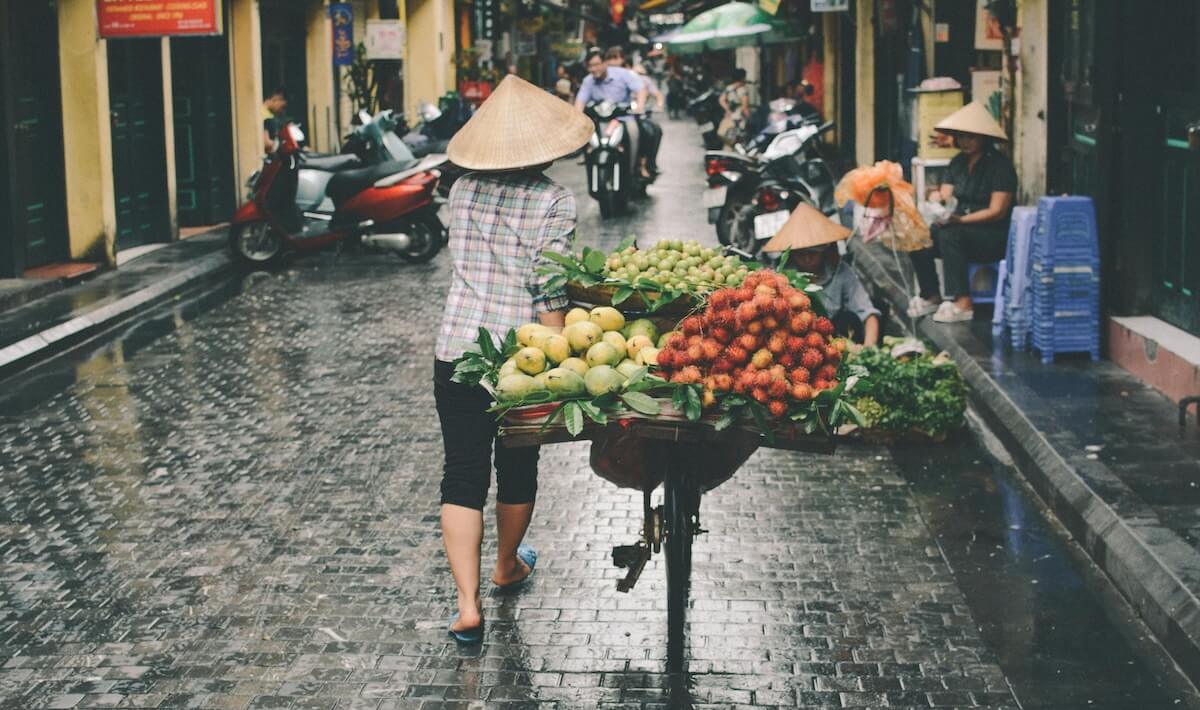
How to Travel Vietnam on $30 a Day (Without Missing Anything)
Vietnam remains one of the best-value destinations on Earth. Here's how to eat like royalty, sleep comfortably, and see everything on a backpacker budget.
I spent six weeks in Vietnam and averaged $28 per day. That included comfortable accommodation, three full meals, local transport, activities. I didn't feel like I was roughing it. I felt like I was living well in a country where living well happens to be affordable.
Vietnam is one of those rare places where budget travel doesn't mean compromise. The best food is the cheapest food. The most authentic experiences cost almost nothing. And the infrastructure for backpackers is so well-developed that you can travel in comfort without spending tourist-trap prices.
Here's exactly how the money breaks down, and how to stretch it even further.
Accommodation: $8-15/Night
Hostels in Vietnam are genuinely excellent. Not 'good for the price'—actually good. For $6-10 you get a dorm bed with privacy curtains, personal outlets, reading lights, air conditioning, and usually a decent breakfast. For $12-15 you're looking at boutique hostels with rooftop bars, pools, and social events.
Private rooms in guesthouses start around $15-20 for a double with air conditioning and private bathroom. In smaller towns like Phong Nha or Ninh Binh, you'll find family-run places for $10-12 that are cleaner and friendlier than mid-range hotels elsewhere.

In major cities, stay in the backpacker districts—Hanoi's Old Quarter, Ho Chi Minh's District 1, Hoi An's town center. You'll pay slightly more than the outskirts, but you'll save on transport and be walking distance from everything worth seeing.
Food: $8-12/Day
This is where Vietnam destroys every other budget destination. The street food isn't just cheap—it's the best food in the country. Michelin-starred restaurants in Hanoi started as street stalls. The $1.50 bowl of phở from the woman who's been making the same recipe for forty years is better than anything you'll find in a restaurant.
A typical day of eating costs $8-10 if you're eating well. Breakfast phở or bánh mì runs $1-2. Lunch at a local cơm bình dân (rice shop) is $1.50-2.50 for rice with two or three dishes. Dinner street food—bún chả, bánh xèo, whatever the neighborhood specializes in—costs $2-4. Add a couple of Vietnamese coffees ($0.50-1 each) and you're set.
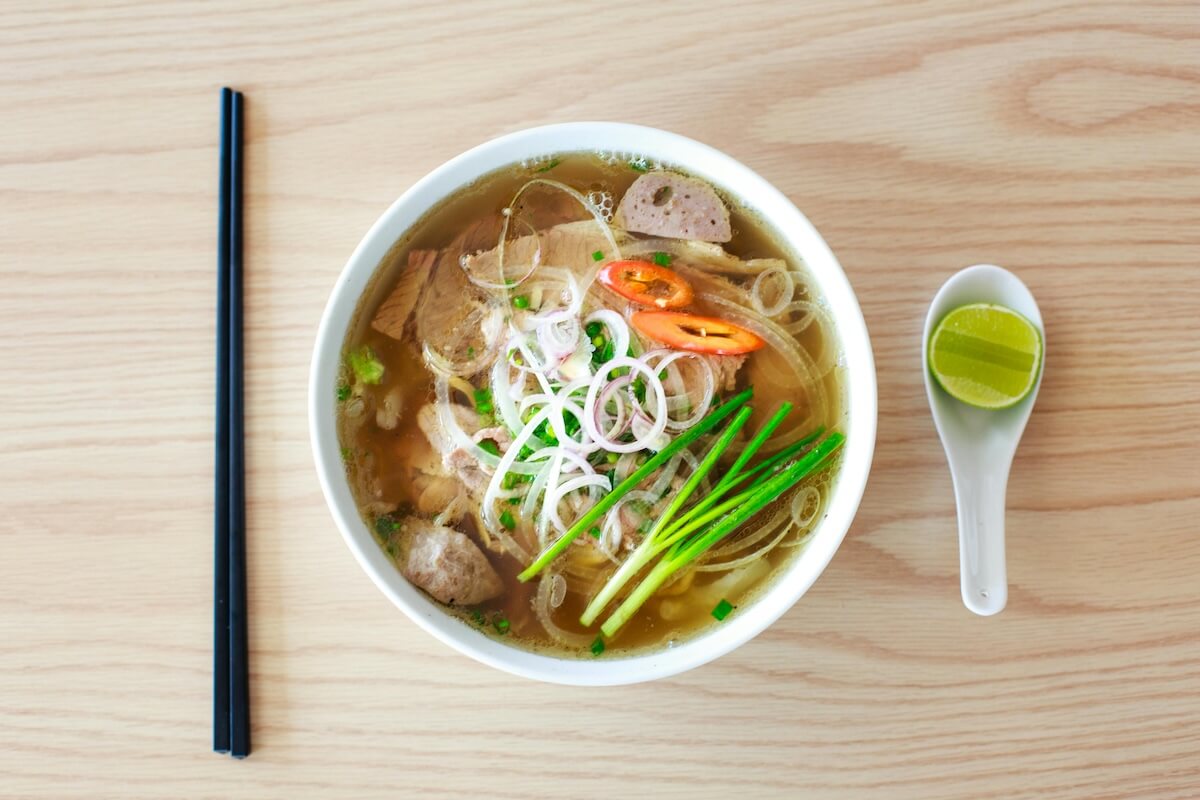
The key is eating where locals eat. If a place has plastic stools, Vietnamese customers, and no English menu, you're probably in the right spot. Point at what looks good or what someone else is eating. The worst that happens is you discover something new.
- Phở (noodle soup): 35,000-50,000 VND ($1.40-2)
- Bánh mì (sandwich): 20,000-35,000 VND ($0.80-1.40)
- Cơm bình dân (rice plate): 35,000-60,000 VND ($1.40-2.40)
- Bún chả (grilled pork noodles): 40,000-60,000 VND ($1.60-2.40)
- Vietnamese coffee: 15,000-25,000 VND ($0.60-1)
Transport: $3-8/Day (Averaged)
Getting around Vietnam is cheap but requires some planning. The country is long and thin—Hanoi to Ho Chi Minh City is 1,700 kilometers—so you'll need to budget for a few long-haul journeys.
Sleeper buses are the backpacker standard: $15-25 for overnight trips between major cities, which doubles as accommodation. They're not luxurious, but they work. Trains are more comfortable and similarly priced—the Reunification Express from Hanoi to Hue costs $25-35 for a soft sleeper berth. Domestic flights are often $30-50 if booked in advance, sometimes cheaper than the bus when you factor in time.
Within cities, Grab (Vietnam's Uber) is the easiest option. A Grab bike across Hanoi costs $1-2. For exploring the countryside—Ha Giang loop, Ninh Binh, the central coast—rent a motorbike for $6-10 per day. You'll need an International Driving Permit technically, though enforcement varies.
Activities: $2-15/Day
Many of Vietnam's best experiences cost nothing. Walking Hanoi's Old Quarter, watching life unfold at a local market, drinking egg coffee by Hoan Kiem Lake, wandering Hoi An's lantern-lit streets at night—free, all of it.
When you do pay for activities, prices are reasonable. Museum entry runs $1-3. A cooking class in Hoi An or Hanoi costs $15-25 and includes a market tour. A day trip to Ha Long Bay starts around $35 for the budget boat tours (worth upgrading to $50-60 for smaller groups and better food). Phong Nha cave tours range from $6 for Paradise Cave to $80 for the more adventurous options.

The expensive activities—Ha Long Bay overnight cruises, multi-day treks, motorbiking tours—are worth budgeting for specifically. Don't try to do everything cheap. Pick two or three splurges and do them properly.
Sample Daily Budgets
Here's what $30/day actually looks like in practice:
- Tight budget ($20-25): Dorm bed ($7), street food all meals ($7), local transport ($2), one activity or coffee ($4)
- Comfortable budget ($30-35): Private room ($15), mix of street food and casual restaurants ($10), Grab rides ($3), activities ($5)
- Flexible budget ($40-50): Nice guesthouse ($20), eating well ($15), activities and transport ($10)
The daily average matters less than the overall trip average. You'll have $15 days in Phong Nha where you just explore caves and eat cheap. You'll have $60 days in Ha Long Bay. It balances out.
Money Tips
Vietnam runs on cash, specifically Vietnamese dong. ATMs are everywhere, but fees add up—withdraw larger amounts less frequently. Citibank and Agribank ATMs often have lower fees. Some places accept card, but always have cash backup.
Bargaining is expected in markets and for tourist services, but not in restaurants or for fixed-price items. A good rule: if there's no price tag, you can negotiate. Start at 50-60% of the asking price and meet somewhere in the middle.
Avoid the tourist-trap currency exchange at airports. The rate is terrible. Use ATMs instead, or exchange at gold shops in cities for the best rates.
Where the Money Goes Wrong
Budget blowouts in Vietnam usually come from three sources: drinking, tours booked through hotels (always marked up 30-50%), and Western food (a burger costs more than five local meals).
The fix is simple. Book tours directly with operators or through reputable agencies like Oxalis (for Phong Nha) or local hostels. Embrace Vietnamese food—it's not a sacrifice, it's an upgrade.
Also watch out for common scams: taxi meters that run fast (use Grab), 'broken' meters requiring flat rates, and street vendors quoting prices without the thousand (50 means 50,000 VND, not 50 VND). These are minor annoyances, not dealbreakers.
Is $30/Day Realistic?
Yes—if you're staying in hostels or budget guesthouses, eating local food, and not drinking heavily every night. It's actually comfortable at that level. You won't feel deprived.
At $20/day it's tight but doable. At $40/day you're living well by any standard. At $50+ you're into private rooms, guided tours, and nice restaurants territory.
The real luxury of Vietnam isn't what money buys—it's that money stress largely disappears. When a great meal costs $2, you stop calculating and start experiencing. That mental freedom is worth more than the savings.


Comments
How did this story make you feel?
No comments yet. Be the first to share your thoughts!