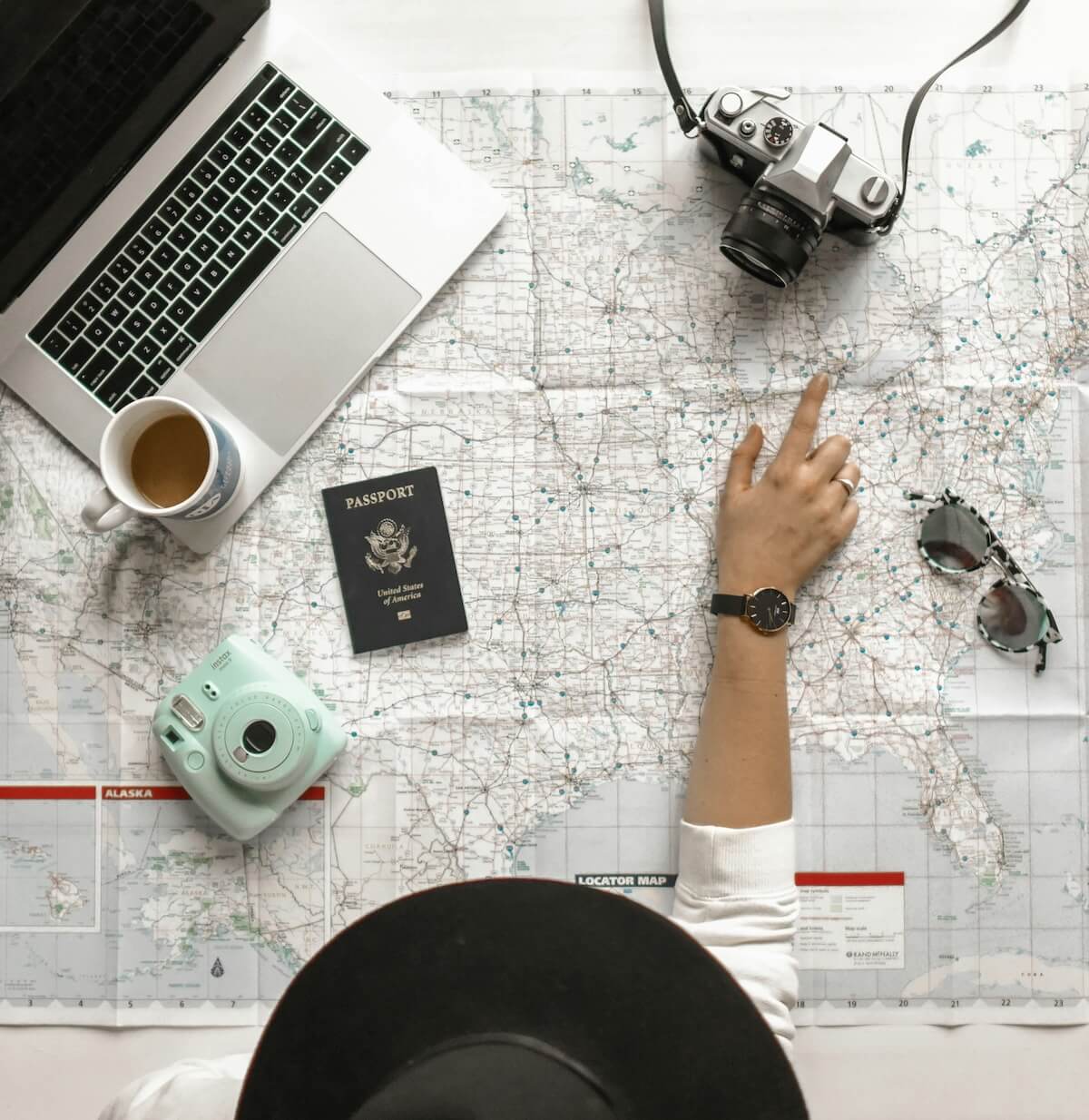
How to Plan a Trip: A Practical System for Better Travel
The difference between a good trip and a great one often comes down to what happens before you leave. Not obsessive over-planning, but smart research, strategic timing, and knowing which decisions actually matter. Here's a practical system for planning travel that maximizes both experience and value.
I've planned trips that cost half what they should have and delivered twice the experience. I've also planned trips that wasted money, missed the obvious, and left me wondering what I was thinking. The difference usually isn't luck or budget—it's process.
Good travel planning isn't about controlling every variable or scheduling every hour. It's about making the decisions that matter thoughtfully, leaving flexibility where it counts, and understanding enough about a place to recognize opportunities when they appear.
What follows is the system I've developed over years of travel—a framework that works whether you're planning a weekend city break or a three-month backpacking trip. It's not the only way to plan, but it's reliable.
Start with Why, Then Where
The first question isn't where do you want to go, it's what do you want from this trip. The answer shapes everything else.
Are you trying to decompress and do as little as possible? Explore a culture you know nothing about? Eat your way through a food destination? Challenge yourself physically? Reconnect with someone you're traveling with? Accomplish a specific goal—see the Northern Lights, learn to surf, visit a family homeland?
These purposes suggest different destinations, different pacing, different budgets. A relaxation trip to Bali looks nothing like an exploration trip to Bali, even though both happen on the same island. A food-focused week in Tokyo requires a different approach than a temple-and-garden week in Kyoto.
Be honest about what you actually want, not what sounds impressive or what you think you should want. If you need a beach and a stack of novels, that's a legitimate trip purpose. If you want to hike until your legs give out, own it. The mismatch between stated purpose and actual desire is where disappointing trips come from.
The Research Phase: Going Deep Without Drowning
Once you have a destination (or a shortlist), research begins. The goal isn't to learn everything—it's to learn enough to make good decisions and recognize good opportunities.
Start broad, then narrow. A general guidebook or destination overview gives you the lay of the land: regions, major attractions, logistics, seasonal considerations. This takes an hour or two and prevents the mistake of planning a beach trip during monsoon season or a hiking trip when trails are snowed in.
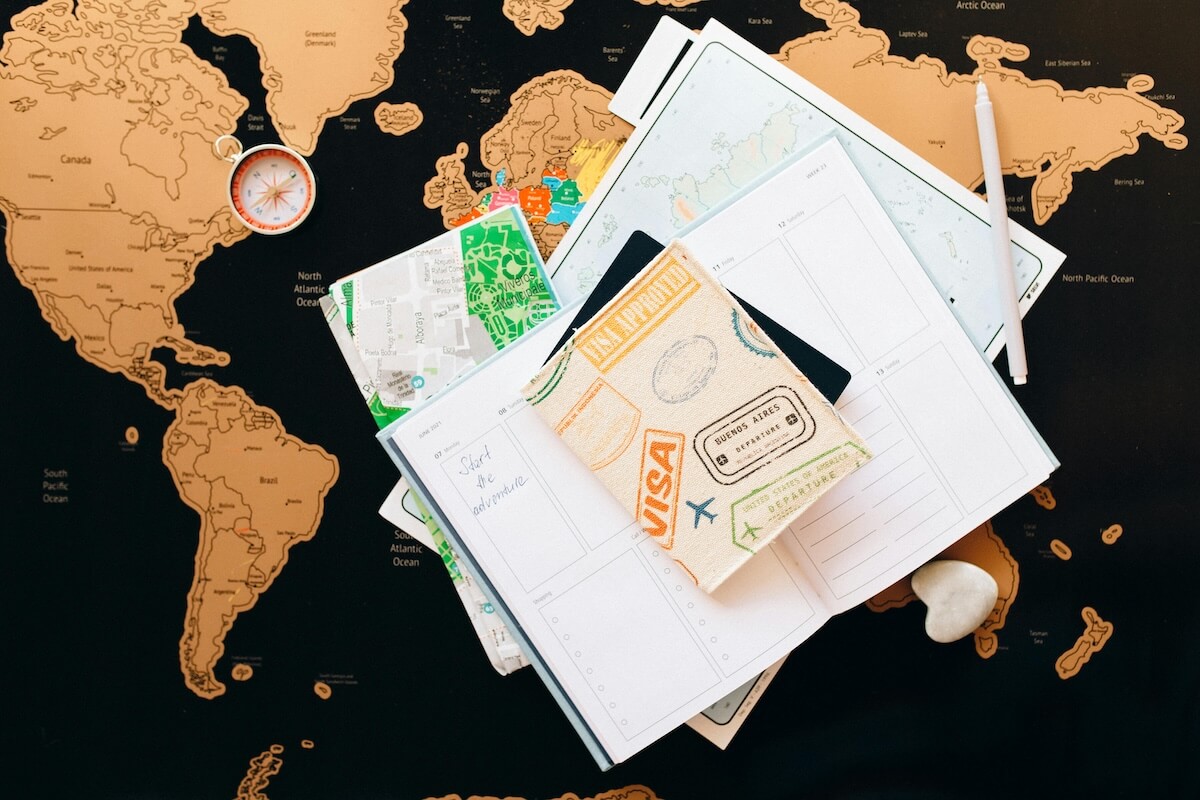
Then go specific. For each place you'll spend significant time, you want to understand: what's genuinely worth doing (not just what's famous), what the neighborhoods are like, how to get around, where locals eat, what's overrated, what's underrated, and what you need to book ahead versus what you can figure out on arrival.
Good sources vary by destination. For well-traveled places, the problem is too much information, not too little. Filter aggressively. Recent blog posts from travelers with similar interests often beat guidebooks for current recommendations. Reddit travel communities provide unvarnished opinions. Local publications and food writers reveal what residents actually value.
For less-traveled places, information is scarcer and often outdated. Adjust expectations accordingly. Sometimes you're genuinely figuring it out on arrival, and that's fine—even preferable.
The research trap is spending so much time reading about a place that you've already experienced it vicariously before arriving. Stop when you have enough to make bookings and rough plans. Save the detailed neighborhood walking routes for when you're actually there.
Timing: When to Go and When to Book
Two timing decisions matter enormously: when to visit and when to book.
When to visit depends on weather, crowds, prices, and what you want to do. These factors often conflict. The best weather often means the highest prices and biggest crowds. The shoulder seasons—just before or after peak—frequently offer the best balance: decent weather, thinner crowds, lower prices. Research your specific destination; the optimal window varies wildly.
Some experiences are seasonal by nature. Cherry blossoms in Japan, Northern Lights in Scandinavia, wildlife migrations in East Africa—these happen when they happen. If they're your purpose, timing is fixed and you plan around it. If they're nice-to-have, the shoulder season usually wins.
When to book is more nuanced than the "book early" advice suggests. The optimal booking window depends on the destination, the season, and what you're booking.
For hotels, flexibility matters more than timing. If you're locked into specific dates at a specific property, book early. If you can adjust dates or consider alternatives, waiting often reveals deals—especially for high-end properties that would rather discount than sit empty.
For experiences—popular restaurants, limited-capacity tours, specific guides—book as early as possible. A restaurant with 20 seats that's booked two months out doesn't care that you planned your trip last week. Same for trekking permits, popular museum time slots, and anything else with genuine scarcity.
Building an Itinerary That Actually Works
The most common planning mistake is overloading the itinerary. Travelers try to see everything, move constantly, and fill every hour. The result is exhaustion, superficiality, and the nagging sense that you're always rushing to the next thing.
A better approach: identify your priorities, schedule those, and leave everything else flexible.
For a week in a destination, you might have 5-7 genuine priorities—places or experiences you'd regret missing. Put those on the calendar, spaced out, with travel time and recovery time accounted for. The remaining hours are open for wandering, lingering, and discoveries you couldn't have planned.
Pacing matters. A full day of sightseeing is genuinely tiring. Schedule recovery: a slow morning, an afternoon reading in a park, an evening with no plans. These aren't wasted days; they're what makes the active days sustainable.
Geography matters. Don't zigzag across a city hitting attractions in random order because that's how you found them. Group activities by neighborhood. Give yourself permission to do less in any given area and return if you want.
For multi-city trips, resist the urge to add just one more place. Three cities in two weeks usually beats five cities in two weeks. You'll spend less time in transit, more time actually experiencing places, and arrive less frazzled.
The Booking Stack: Flights, Accommodation, Everything Else
Book in order of constraint, not importance. Whatever has the least flexibility gets booked first.
Usually that's flights. International flights on specific dates have limited options; once they're gone or prices spike, you're stuck. Domestic flights and trains are often more flexible. Hotels almost always have alternatives.
For flights, use aggregators (Google Flights, Skyscanner, Kayak) to find options, but book directly with airlines when prices are comparable. Direct bookings get better treatment when things go wrong. Set price alerts if you're flexible on dates; prices fluctuate and you might catch a deal.
For accommodation, decide what matters to you. Location usually matters more than people think—a centrally located mid-range hotel often delivers more value than a nicer hotel requiring 30 minutes of transit each way. Read recent reviews for operational issues; older reviews matter less.
Consider accommodation mix. A week in hotels is fine; so is a week in vacation rentals. But mixing them—a few days in a neighborhood rental to cook and live locally, a few days in a hotel for convenience—often works better than either alone.

For everything else—tours, restaurants, experiences—book what requires booking and leave the rest open. If a guide gets consistently mentioned as transformative, book them. If a restaurant is famously difficult to reserve, reserve it. But don't pre-book every meal and activity; you'll want flexibility to follow recommendations you get on the ground.
Budgeting: What Things Actually Cost
Travel budgeting fails when people account for flights and hotels but forget everything else. The "everything else" often exceeds the obvious costs.
A realistic travel budget includes: flights, accommodation, airport transfers, local transportation, food (all meals, snacks, and drinks), activities and entrance fees, tips and service charges, travel insurance, visa fees if applicable, phone/data costs, and a buffer for the unexpected.
Research what things actually cost in your destination. A meal in Bangkok differs from a meal in Copenhagen by an order of magnitude. A taxi in Cairo costs almost nothing; a taxi in Tokyo costs a lot. These variations matter more than most people expect.
Daily budget ranges, roughly: Budget travel (hostels, street food, public transit) runs $30-80/day in cheap destinations, $60-120 in moderate destinations, $100-200 in expensive destinations. Mid-range travel (decent hotels, restaurant meals, occasional taxis) roughly doubles those numbers. Comfortable travel (nice hotels, good restaurants, convenience) doubles them again.
Build in buffer—at least 15-20% beyond your calculated costs. You'll encounter expenses you didn't anticipate: the special exhibition that costs extra, the day trip that seems worth it, the restaurant you can't pass up. Better to come home with money unspent than to stress about every purchase.
Documents and Logistics
The boring stuff matters. A trip ruined by an expired passport or a missed visa requirement is still a ruined trip.
Check passport validity early—many countries require six months validity beyond your travel dates. Renew well in advance; processing times vary and rush fees are expensive. Check visa requirements for every country you'll enter, including transit stops.
Notify your bank and credit card companies of travel dates. Carry multiple payment methods; if one card gets blocked or stolen, you need backups. Know your cards' foreign transaction fees; if they're high, consider getting a travel-focused card before your trip.
Travel insurance is worth it for international travel. Medical emergencies abroad can be catastrophically expensive without coverage. Policies vary widely; read what's actually covered, especially for activities you plan to do.
Make copies of important documents: passport, visa, insurance policy, credit cards. Store them separately from originals and in a cloud service you can access anywhere. If originals are lost or stolen, copies make replacement much easier.
The 48-Hour Pre-Departure Checklist
Two days before departure, confirm everything. Check flight times for changes; they happen more than you'd expect. Confirm hotel reservations. Verify any tours or activities you've booked. Check that your travel documents are packed.
Download what you'll need offline: maps, translation apps, boarding passes, hotel confirmations, reservation details. Don't assume you'll have internet when you need it. Many airports and transit systems work poorly with foreign phone plans.
Check the weather forecast and adjust packing if needed. Check for any travel advisories or alerts. Check your destination's current entry requirements—these have changed frequently in recent years and may change again.
Set up your phone: international plan, local eSIM, or know where you'll get a SIM card on arrival. Turn on fraud alerts for your credit cards. Set an out-of-office message if relevant.
Planning for Flexibility
Paradoxically, good planning enables spontaneity. When the essentials are handled, you can say yes to unexpected opportunities. When you understand a place, you recognize good suggestions. When you have buffer in your budget, you can act on discoveries.
Leave unscheduled time deliberately. A day with nothing planned isn't a wasted day—it's a day that can become anything. Some of the best travel experiences come from wandering without a destination, accepting invitations from people you meet, or staying longer in a place that surprises you.
Be willing to abandon your plan when something better emerges. The itinerary is a tool, not a contract. If a local recommends something that conflicts with your schedule, that's usually a sign your schedule should change.
Common Planning Mistakes to Avoid
Overambition kills trips. Two countries in one week usually means experiencing neither well. Three activities per day means rushing through all of them. Build in margins; you'll use them.
Ignoring travel time wastes days. A three-hour train ride is half a day, not zero time. Account for getting to and from stations, boarding, delays, and recovery on arrival. What looks efficient on a map often isn't.
Over-researching ruins surprises. You don't need to know every restaurant, every view, every hidden gem. Some of the magic comes from discovery. Stop researching when you have enough to make decisions.
Copying other people's trips rarely works. Their priorities aren't yours. Their pace isn't yours. Their budget isn't yours. Use others' experiences for ideas, not blueprints.
Waiting for perfect conditions guarantees disappointment. Weather won't be perfect. Not every meal will be transcendent. Something will go wrong. Accept this upfront and you'll enjoy the trip you actually get.
Tools That Actually Help
Keep it simple. A complex system with multiple apps, spreadsheets, and databases takes more time to maintain than it saves.
For flight tracking and booking: Google Flights for search and price alerts, direct airline sites for booking. For accommodation: the major platforms (Booking.com, Airbnb, Hotels.com) plus direct booking for loyalty programs. For organization: a single shared document or app where everything lives—confirmations, addresses, notes.
On the ground: Google Maps works almost everywhere and downloads offline. Google Translate's camera feature reads signs and menus. Local transit apps vary by city—research which one works where you're going.
For expense tracking: your credit card's app works fine. You don't need a travel-specific expense tracker unless you're filing reports.
The Meta-Lesson
Planning is preparation, not prediction. You're not trying to know exactly what will happen—you're trying to create conditions where good things can happen. Handle the logistics so you can be present. Understand the place so you can recognize what's worth your attention. Build in flexibility so you can respond to what you find.
The goal isn't a perfect trip; it's a trip that fits you—your interests, your pace, your way of engaging with places. The planning is just how you set that up. Once you arrive, the plan becomes a suggestion, and the actual trip begins.
Do the work. Then let go and see what happens.


Comments
How did this story make you feel?
No comments yet. Be the first to share your thoughts!