Diving Mexico's Cenotes: Swimming Through an Underwater Cathedral
Crystal-clear water, ancient stalactites, and shafts of light piercing the darkness—cenote diving in the Yucatán is unlike anything else on Earth.
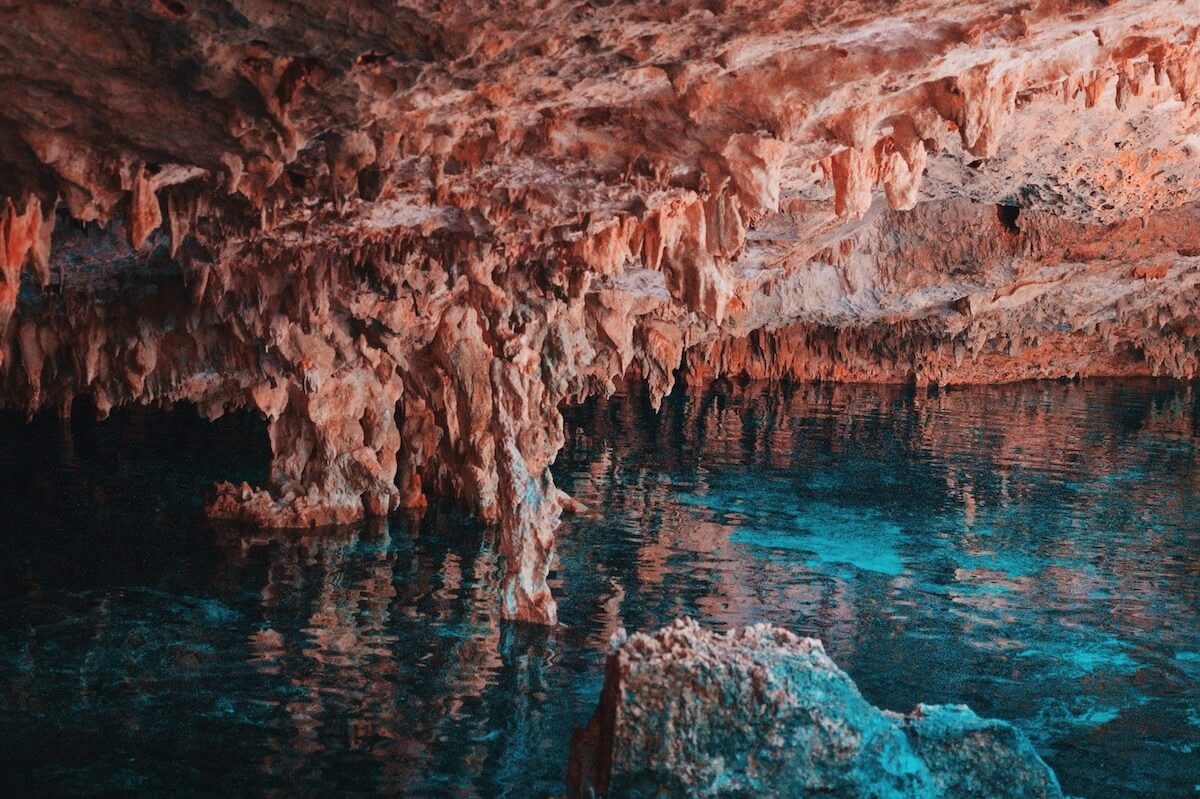
You descend through a hole in the jungle floor and the world changes completely. One moment you're standing in humid tropical heat, swatting mosquitos. The next, you're floating in water so clear it barely looks like water at all—more like air with a slight blue tint. Stalactites the size of cars hang above you. Light streams down from somewhere far above, cutting through the darkness like something from a cathedral.
This is cenote diving. And if you've only ever dived in the ocean, nothing quite prepares you for it.
The Yucatán Peninsula sits on a massive limestone slab, riddled with underground rivers and flooded caves that form the longest underwater cave systems on Earth. Cenotes—from the Maya word ts'onot, meaning sacred well—are the entry points to this hidden world. The ancient Maya believed they were portals to the underworld. Dive one, and you'll understand why.
Cavern Diving vs. Cave Diving: Know the Difference
Here's the critical distinction most people miss: cavern diving and cave diving are not the same thing. And you don't need cave certification to experience cenotes.
Cavern diving means staying within sight of natural light, no more than 60 meters from an exit. You're in an overhead environment, yes, but you can always see the way out. Any Open Water certified diver can do this with a trained guide. It's where 95% of cenote tourists stay, and honestly, it's spectacular enough.
Cave diving means going beyond the light, deep into passages where the exit isn't visible. This requires extensive training—Intro to Cave, then Full Cave certification—plus specialized equipment like redundant air supplies, reels, and multiple lights. People die in caves. It's not an exaggeration. If you're not certified, don't even think about crossing the signs that say 'Stop. Prevent Your Death.'
What to Expect on Your First Cenote Dive
Most cenote trips run as day excursions from Tulum or Playa del Carmen. You'll meet your guide early—cenotes are best before the crowds arrive—and drive into the jungle on increasingly rough roads until you reach what looks like a hole in the ground surrounded by trees.
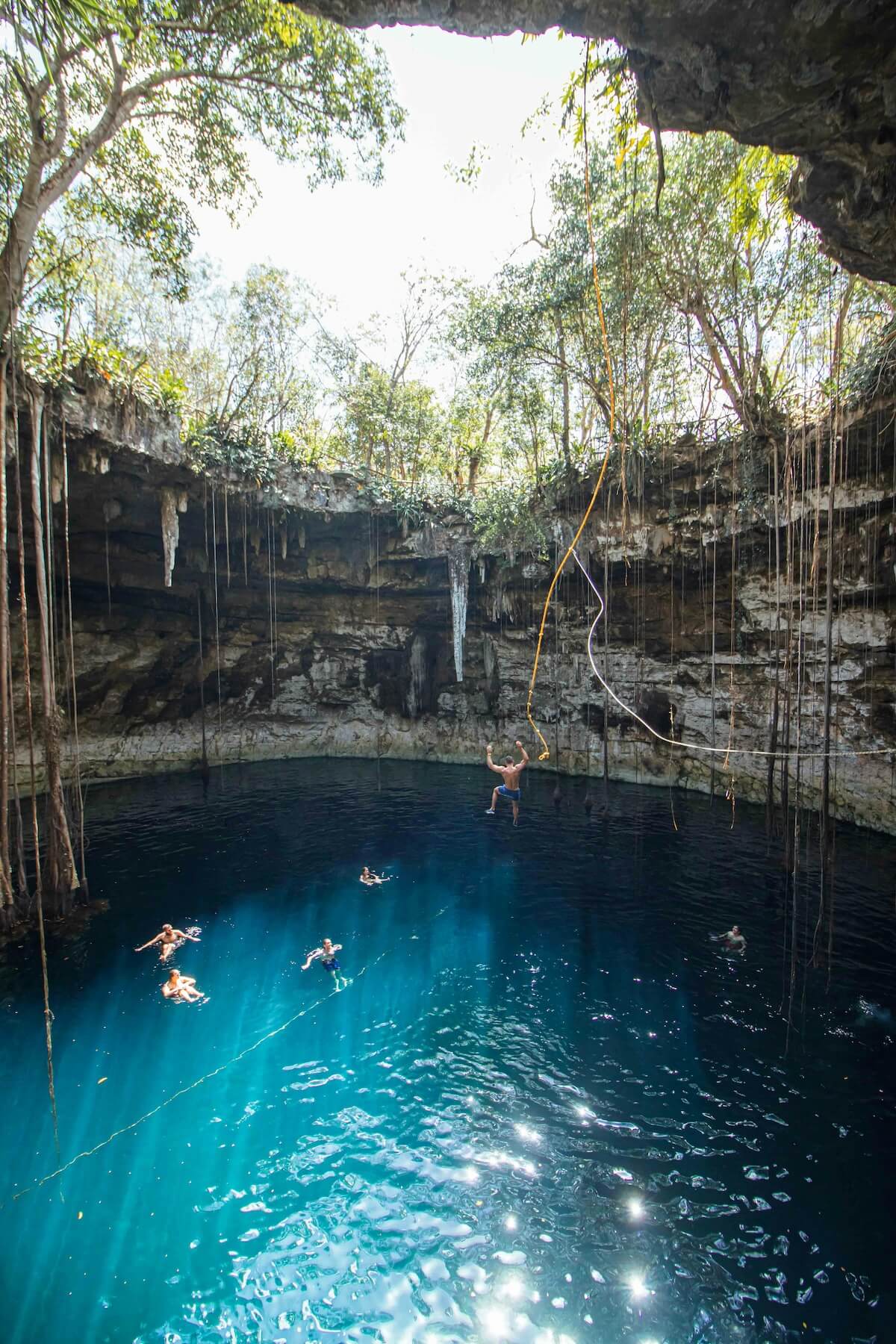
The entry varies by cenote. Some have stairs descending into cathedral-like openings. Others require you to gear up, waddle to the edge, and giant-stride into the darkness. Either way, the moment you drop below the surface, you enter another world.
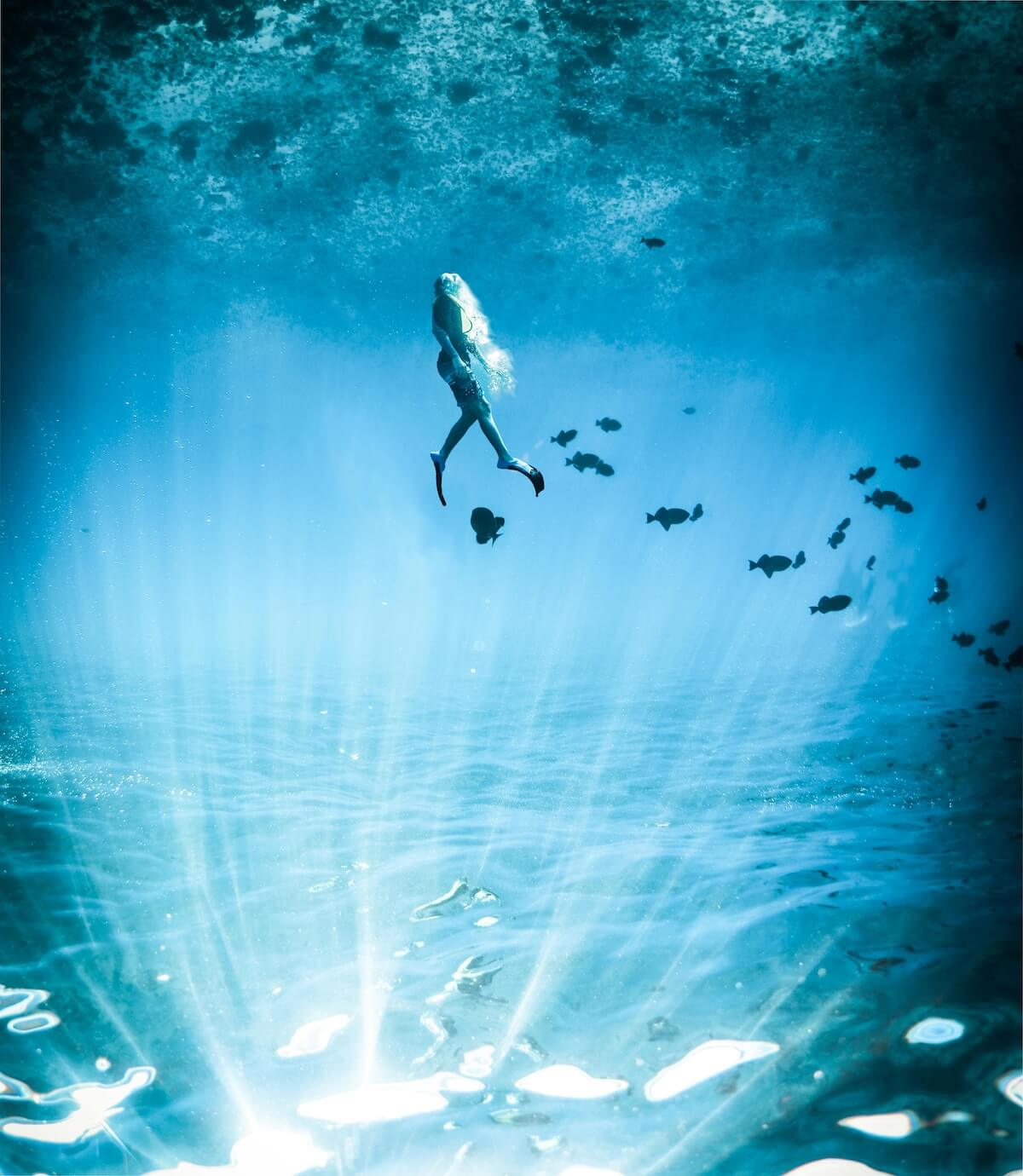
The water is fresh, not salt—around 25°C year-round. Visibility routinely exceeds 100 meters. You'll see ancient rock formations that took thousands of years to form when the caves were dry, now frozen in time underwater. Light beams pierce openings in the ceiling, creating that otherworldly effect you've seen in photos. It's not exaggerated. If anything, photos undersell it.
The Best Cenotes for First-Time Divers
Dos Ojos is the classic starter. Named 'Two Eyes' for its twin circular pools, it's been featured in BBC documentaries and IMAX films. The cavern zone is large, well-lit, and forgiving—perfect for getting comfortable in an overhead environment. The Barbie Line route takes you through massive chambers decorated with stalactites; the Bat Cave route surfaces in an air dome where you can remove your regulator and chat while bats circle overhead.
Gran Cenote near Tulum is another excellent first dive. It's more open, with abundant natural light and resident turtles that have zero fear of divers. The formations are impressive but not overwhelming, making it ideal for underwater photography.
The Pit is for experienced divers comfortable with depth. It's essentially a flooded sinkhole that drops to 119 meters, with a hydrogen sulfide cloud at 30 meters that looks like an underwater river. Surreal doesn't begin to describe it.
What You Need
For cavern diving, you need an Open Water certification and reasonable buoyancy control. Seriously—overhead environments don't forgive fin kicks into the ceiling. If you haven't dived in a while, do a refresher in open water first. Your guide will assess your skills before the dive and may limit where you go based on what they observe.
- Open Water certification (minimum)
- Good buoyancy control—you'll be near fragile formations
- A torch (guides provide, but bring backup if you have one)
- 3mm wetsuit—the water's cooler than the Caribbean
- Reef-safe sunscreen only, or none at all
- Cash for cenote entrance fees (100-250 pesos typically)
Most dive shops provide all gear. Expect to pay $120-180 USD for a two-tank cenote trip including transport, guide, and equipment. The price reflects the specialized guiding—cenote guides must be Full Cave certified even to lead cavern tours.
Choosing a Dive Operator
This matters more than in ocean diving. You want guides who know these systems intimately, maintain proper ratios (4:1 maximum), and won't cut corners on safety. Ask how long they've been guiding cenotes specifically. Look for shops affiliated with training organizations like IANTD or NSS-CDS.
Reliable operators in the area include Dos Ojos Dive Shop (attached to the cenote itself), Mexi-Divers in Tulum, and Pro Dive International from Playa del Carmen. Avoid anyone offering suspiciously cheap rates or promising to take you 'deeper than other tours.'
A Note on Preservation
These caves are irreplaceable. Formations that took 10,000 years to grow can be destroyed by a careless fin kick. The Maya consider cenotes sacred—many still conduct ceremonies at specific sites. The ecosystems are fragile, home to species found nowhere else on Earth.
Don't touch anything. Control your buoyancy religiously. Skip the sunscreen unless it's certified reef-safe. Some cenotes now ban chemical sunscreens entirely, and that's a good thing. The privilege of seeing these places comes with responsibility.
Is It Worth It?
If you're a certified diver visiting the Yucatán and you skip the cenotes for another reef dive, you're making a mistake. The Caribbean reefs here are fine—decent coral, standard tropical fish. But you can see similar reefs in dozens of countries.
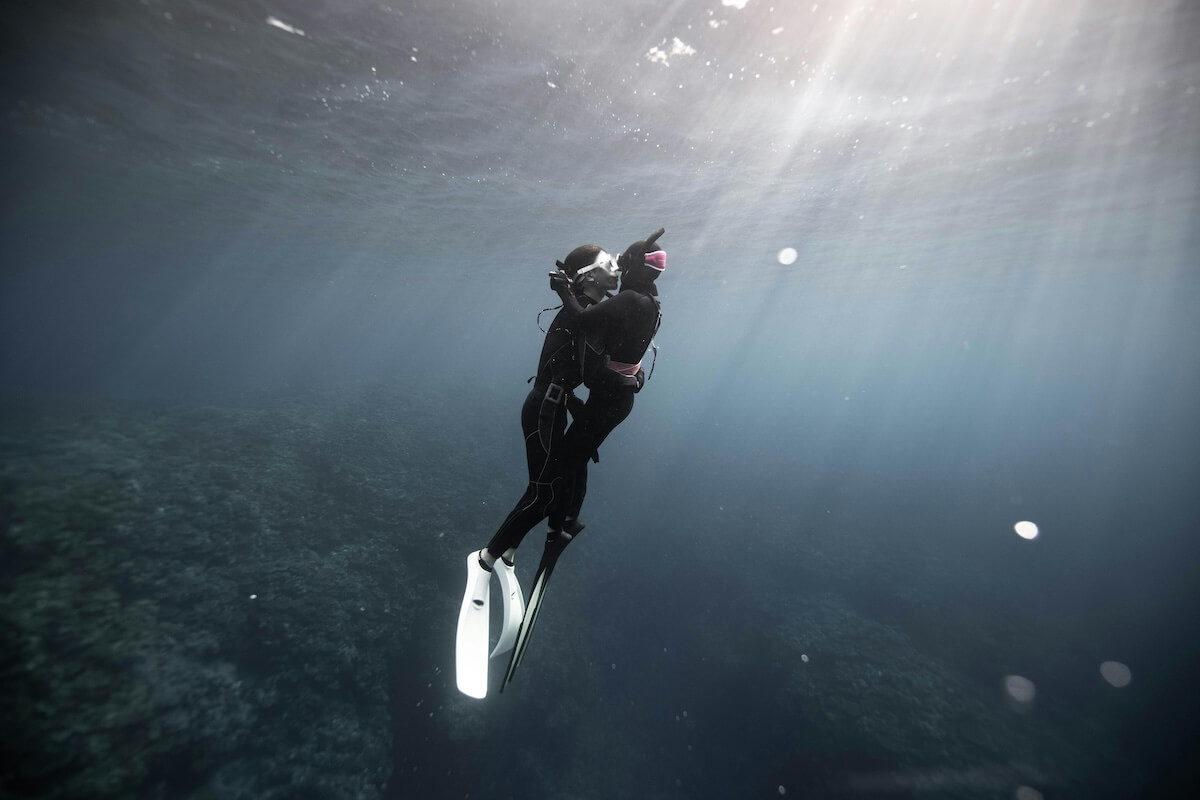
You cannot see anything like the cenotes anywhere else. The combination of clarity, light, ancient formations, and sheer otherworldliness makes it one of diving's truly unique experiences. It's the kind of dive that reminds you why you got certified in the first place.
Book a morning slot, bring a sense of wonder, and prepare to surface asking how soon you can do it again.


Comments (1)
How did this story make you feel?
Alex
Jan 4Wow!