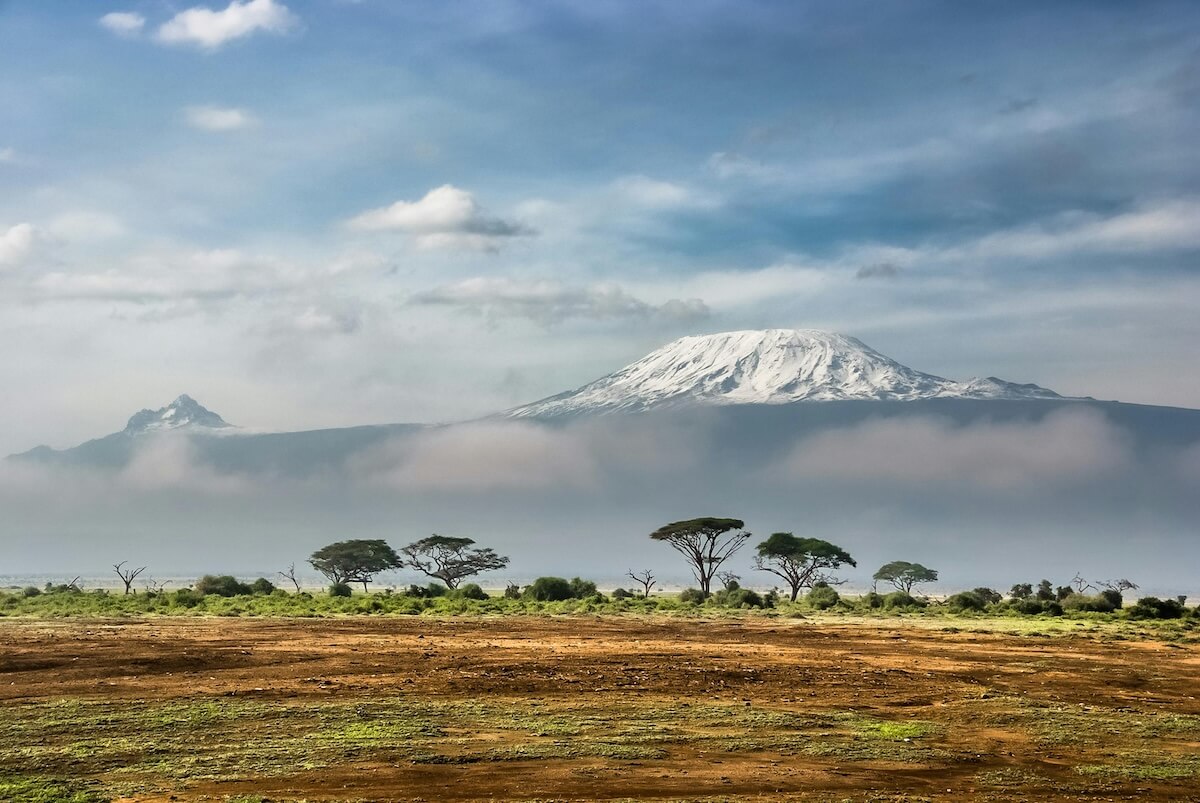
Climbing Kilimanjaro: What It Actually Takes to Summit Africa's Highest Peak
A complete guide to climbing Mount Kilimanjaro—from choosing the right route to surviving summit night and everything the altitude throws at you.
At 3 AM, you're putting one foot in front of the other up a slope of volcanic scree, your headlamp carving a small cone of light into total darkness. The air is thin—desperately thin—and each breath feels like drinking through a straw. Your legs have stopped complaining; they've moved past fatigue into a kind of mechanical persistence you didn't know you had. Somewhere above, invisible in the night, is Uhuru Peak: 5,895 meters, the highest point in Africa. You've been walking for six days to reach this moment. You'll keep walking now.
Mount Kilimanjaro is the ultimate accessible extreme. Unlike Everest or K2, it requires no ropes, no crampons, no technical climbing ability. It's a walk to the top—just a very long, very high, very challenging walk through ecosystems that shift from tropical rainforest to arctic desert. An estimated 35,000 people attempt the summit each year. Roughly 60% succeed. The rest are turned back by the mountain's true challenge: altitude.
Understanding the Mountain
Kilimanjaro is a dormant stratovolcano with three volcanic cones—Kibo, Mawenzi, and Shira. Uhuru Peak sits on Kibo's crater rim, making it the highest freestanding mountain in the world. That distinction matters: you're not climbing a range, you're ascending a single massive mountain that rises abruptly from the surrounding plains. The altitude gain is relentless.
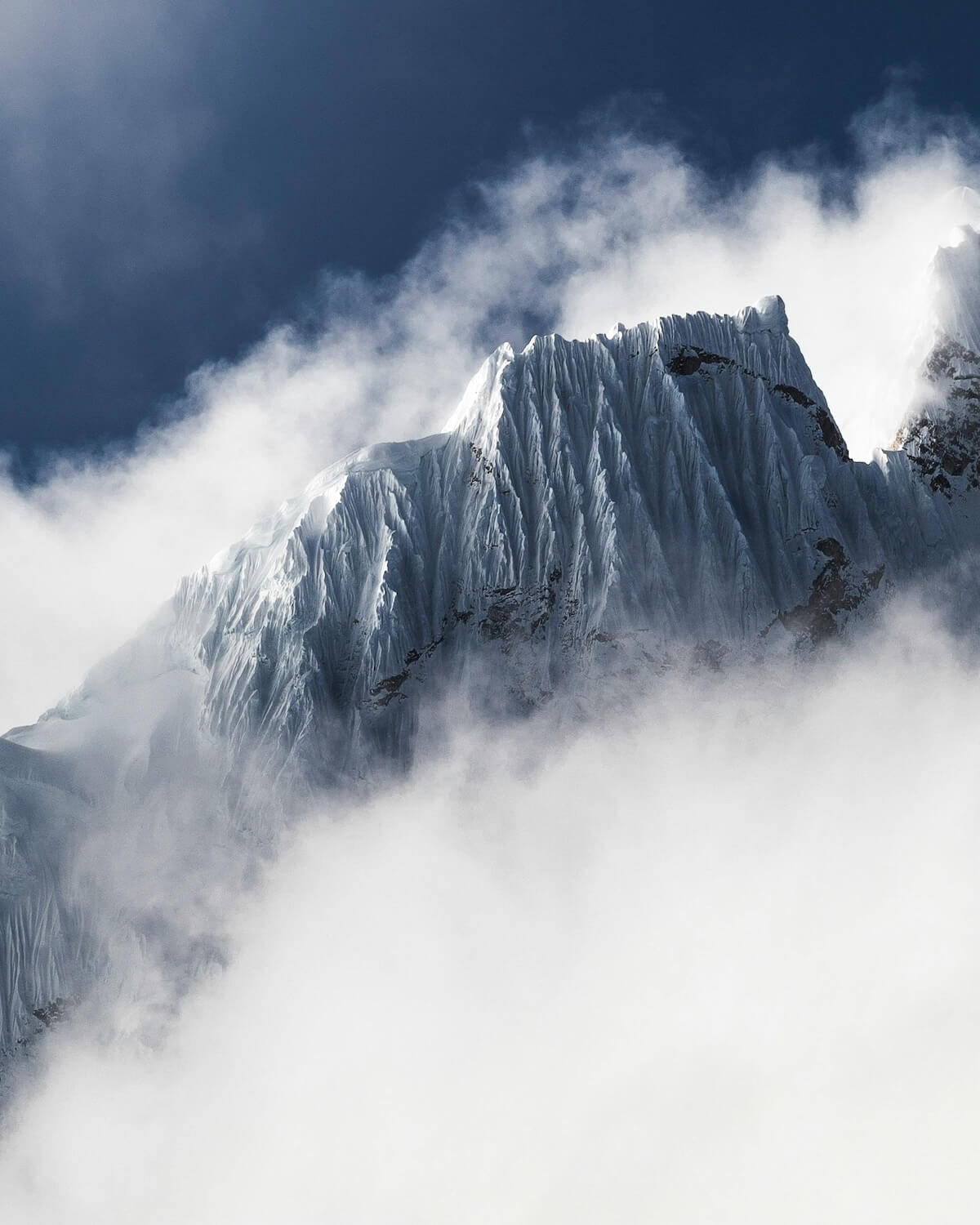
What makes Kilimanjaro so remarkable—and so achievable—is the diversity of terrain you pass through. The first day typically takes you through lush montane rainforest, thick with vegetation and alive with colobus monkeys. By day two or three, you've entered the heath and moorland zone, where giant groundsels and lobelias create an otherworldly landscape. Higher still, the alpine desert begins: barren, rocky, and beautiful in its starkness. Finally, the arctic zone near the summit, where glaciers cling to the crater rim and temperatures plummet well below freezing.
Choosing Your Route
Kilimanjaro has seven official routes to the summit, each with distinct character, difficulty, and success rates. Your choice of route is arguably the most important decision you'll make—it directly impacts your odds of standing on top.
The Machame Route is the most popular, earning the nickname 'Whiskey Route' for its challenging reputation (versus the 'Coca-Cola Route' of Marangu). Over six or seven days, you'll traverse diverse terrain with excellent acclimatization opportunities. The famous Barranco Wall—a steep scramble up a rock face—is the route's signature challenge, though it's more exhilarating than dangerous. Machame has solid success rates around 85% for seven-day itineraries.
The Lemosho Route is considered the most scenic and offers the best acclimatization profile. Starting from the remote western slopes, you'll have the mountain largely to yourself for the first few days before joining the main routes. At seven to nine days, Lemosho provides the gradual altitude gain that gives your body time to adapt. Success rates on eight-day versions approach 90%. If budget allows, this is the route most experienced guides recommend.
The Marangu Route is the only path with hut accommodation instead of tents, making it popular with those who prefer a bed. However, its direct ascent profile provides less acclimatization time, resulting in lower success rates. The Rongai Route approaches from the north, near the Kenyan border, offering a quieter experience and decent acclimatization. The Northern Circuit is the longest route at nine days, circling nearly the entire mountain with the highest success rates—but also the highest price tag.
The Altitude Problem
Here's the uncomfortable truth about Kilimanjaro: almost everyone who attempts it will experience some degree of altitude sickness. At 5,895 meters, the summit sits firmly in the 'extreme altitude' zone, where the oxygen level is roughly half what you'd find at sea level. Your body simply isn't designed to function normally in such thin air.
Acute Mountain Sickness (AMS) typically presents as headache, nausea, fatigue, and loss of appetite. These symptoms are unpleasant but manageable—most climbers push through them. The danger comes when AMS progresses to High Altitude Pulmonary Edema (HAPE) or High Altitude Cerebral Edema (HACE), both of which can be fatal if not recognized and treated immediately. Deaths on Kilimanjaro are rare—roughly 4 to 10 per year among 35,000 climbers—but they happen, almost always from altitude-related complications.
The best prevention is time. Your body acclimatizes gradually, producing more red blood cells and adapting to the reduced oxygen. Routes with 'climb high, sleep low' profiles—where you hike to a higher elevation during the day, then descend to sleep—are particularly effective. Hydration matters enormously; guides recommend drinking three to four liters daily. Many climbers take acetazolamide (Diamox), a prescription medication that speeds acclimatization, though it's not a substitute for proper pacing.
What You'll Spend
Climbing Kilimanjaro isn't cheap, and the price differences between operators reflect genuine quality variations. Budget operators charging $1,200-1,500 often cut corners on food quality, guide training, and porter welfare. Mid-range options at $2,000-3,000 typically provide better acclimatization schedules, more experienced guides, and ethical treatment of support staff. Premium operators charging $4,000-6,000 offer additional comforts and often the highest success rates.
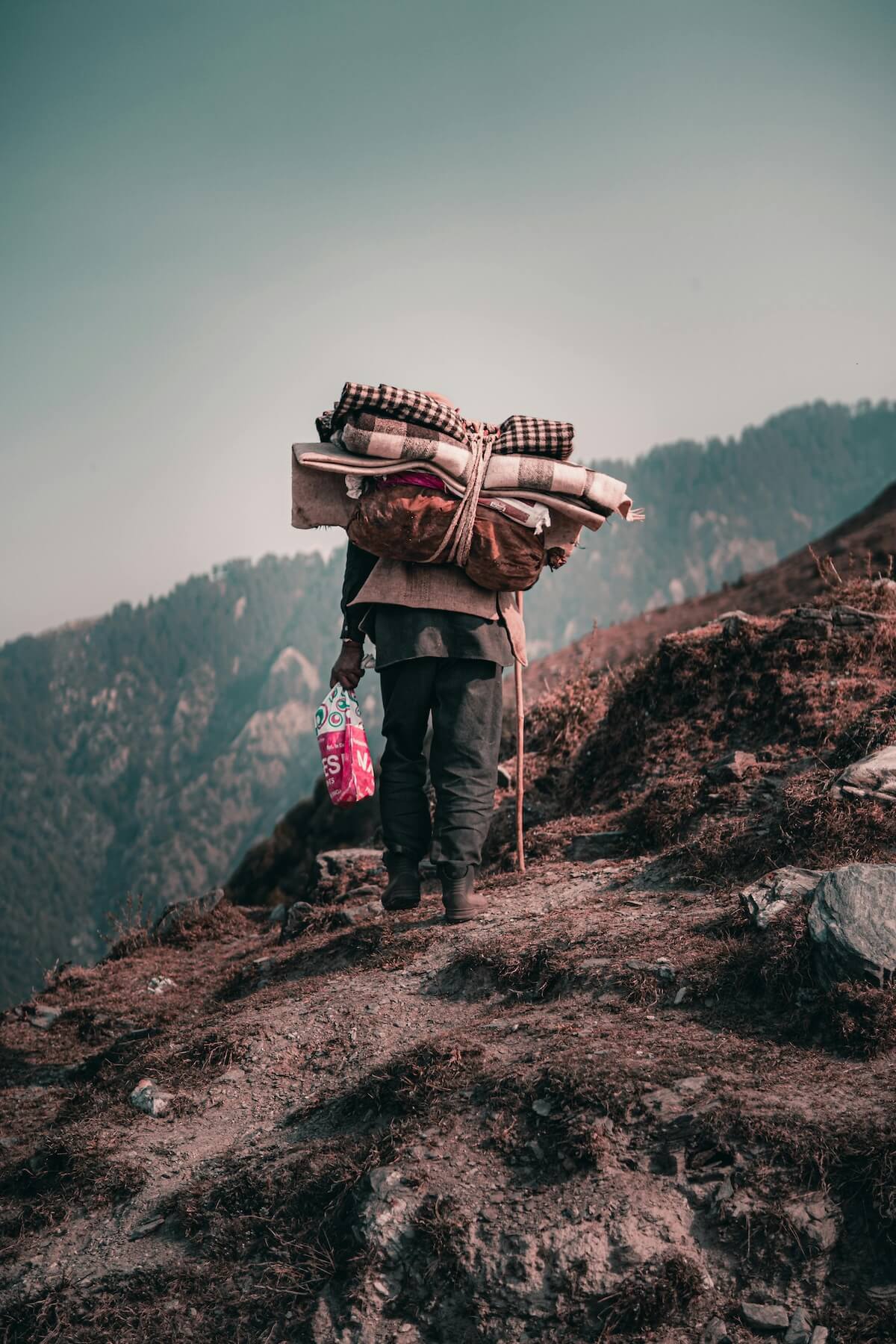
Park fees alone account for a significant portion of costs—roughly $700-1,000 per person depending on route duration. These cover entry permits, camping fees, rescue services, and conservation. Tips for guides and porters add another $250-350 per climber, and this amount is essentially mandatory in Tanzanian climbing culture. Your crew will typically include a lead guide, assistant guides, a cook, and porters who carry everything from tents to tables. A climber might have three to four porters supporting them—people who shoulder 15-20 kilogram loads while hiking the same terrain.
- Budget climb (5-6 days, Marangu): $1,800-2,500 total
- Mid-range climb (6-7 days, Machame or Rongai): $2,500-3,500 total
- Premium climb (8-9 days, Lemosho or Northern Circuit): $4,000-6,000 total
- Additional costs: Tips $250-350, gear rental $200-400, insurance $100-200, hotel nights $100-200
Preparing Your Body
Here's something counterintuitive: being extremely fit doesn't predict summit success. The fittest athletes can still fail to acclimatize, while people of modest fitness succeed through proper pacing. What matters is endurance—the ability to walk for six to eight hours daily, for several consecutive days, while carrying a daypack. If you can comfortably hike hilly terrain for a full day without being destroyed afterward, you have the baseline fitness needed.
That said, training improves your experience enormously. Start three to six months before your climb. Cardiovascular work—running, cycling, swimming—builds the aerobic base you'll need. Hiking with a weighted pack conditions your legs and back for what's coming. Stair climbing is particularly valuable; some climbers walk up and down high-rise buildings weekly. Strength work focusing on legs and core helps with the technical sections like Barranco Wall.
If you can train at altitude, do it. Even a few days at 2,000-3,000 meters in the weeks before your climb gives your body a preview of what's ahead. Some climbers use altitude tents or masks that simulate high-altitude conditions. These aren't necessary, but they're helpful for anyone with concerns about their altitude tolerance.
Summit Night
You'll start the final push around midnight, leaving camp under a sky dense with stars. The timing is strategic: reaching the summit at sunrise means you'll descend before the afternoon clouds typically roll in, and the frozen scree is more stable in the predawn cold. But there's no sugarcoating it—summit night is brutal.
The climb from Barafu or Kibo Hut to Uhuru Peak takes five to seven hours, gaining roughly 1,200 meters of elevation. The path is steep, the air is thin, and the cold is serious—temperatures often drop to -15°C or lower. You'll move in a slow rhythm, one deliberate step at a time, focusing on the circle of light from your headlamp and the boots of the climber ahead. Many people describe it as a kind of moving meditation: your world contracts to the next step, the next breath.
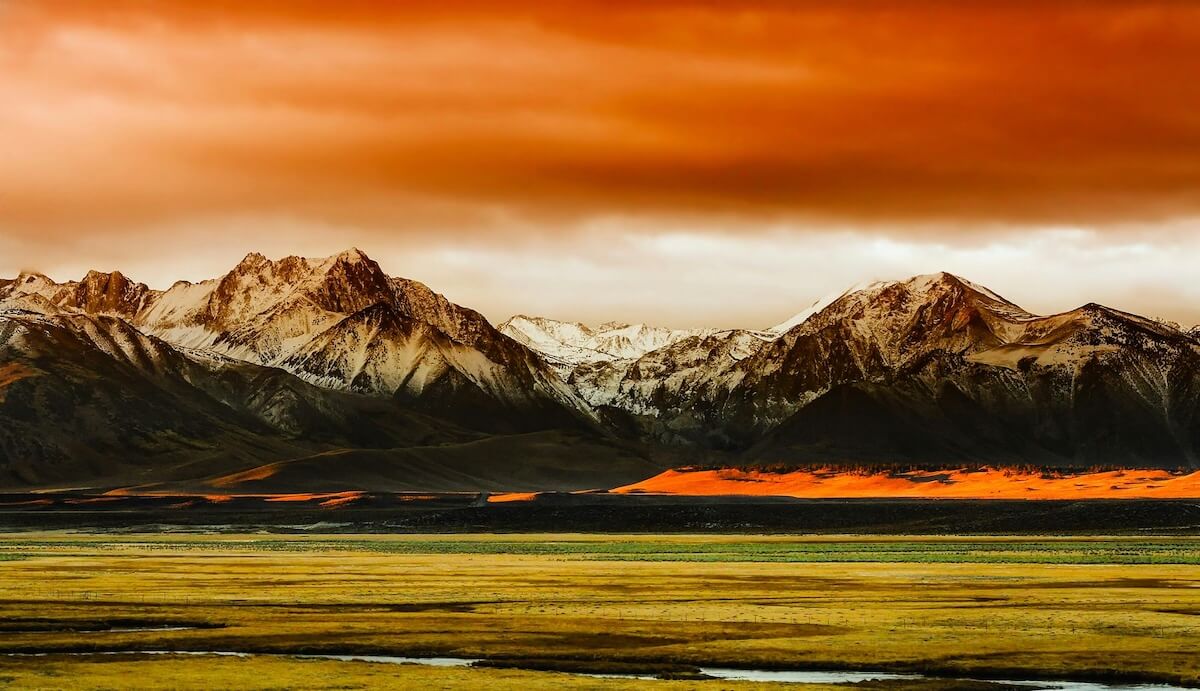
At Stella Point, roughly 5,756 meters, you'll reach the crater rim. The sun is usually rising by now, and if you've made it this far, Uhuru Peak is almost certainly within reach—just another 45 minutes to an hour along the crater edge. When you finally stand at the summit, at the wooden sign marking Africa's highest point, the exhaustion is overwhelmed by something larger: a sense of having pushed through every limitation your body tried to impose.
When to Climb
Kilimanjaro can be climbed year-round, but timing affects your experience significantly. The best weather windows are January through early March and June through October. These dry seasons offer clearer skies, better visibility, and more stable trail conditions. July and August are peak season, with the highest number of climbers and the most reliable weather.
The long rains from March to May and short rains in November make climbing more challenging—slippery trails, obscured views, and colder temperatures at altitude. Operators often discount these months by $200 or more. April and May are particularly quiet; some operators don't run climbs at all. If you don't mind some rain and want fewer crowds, these shoulder seasons can work, but they're best left to experienced trekkers who understand the additional risks.
Getting There
Most climbers fly into Kilimanjaro International Airport (JRO), located between Moshi and Arusha. Both towns serve as launching points for the mountain, with Moshi being slightly closer to most trailheads. Your operator will typically arrange airport transfers and hotel accommodation the night before your climb.

Many climbers combine Kilimanjaro with a Tanzanian safari—the Serengeti and Ngorongoro Crater are just a few hours away. A three to four-day safari after your climb lets you recover while experiencing some of Africa's most spectacular wildlife. Alternatively, you can spend a few days on the beaches of Zanzibar, an easy flight from Kilimanjaro. Having something to look forward to after the mountain makes the suffering feel more worthwhile.
What They Don't Tell You
The descent is harder than you expect. After summit night, you'll descend to a lower camp for a few hours of rest, then continue down further the same day. Your legs, already depleted from six days of climbing, will protest every step. Trekking poles aren't optional—they're essential for keeping your knees intact on the steep downhill sections.
You will not sleep well at altitude. Periodic breathing—a pattern where you stop breathing briefly during sleep—is common above 4,000 meters. You'll wake repeatedly, sometimes gasping. This doesn't necessarily indicate altitude sickness; it's a normal (if disconcerting) physiological response. Accept that rest will be imperfect and adjust your expectations accordingly.
The experience is more emotional than you anticipate. Something happens when you push your body to genuine limits in pursuit of a single goal. The vulnerability, the reliance on guides and fellow climbers, the sheer physical intensity—it creates a kind of openness. People cry at the summit, cry with relief at the bottom, cry while hugging porters who have become friends over six days. This isn't weakness. It's what happens when you do something that matters.
Kilimanjaro changes people—not through any mystical transformation, but through the simple revelation of what you can endure. You'll discover reserves of persistence you didn't know existed. You'll learn that the body can go further than the mind believes possible, that putting one foot in front of the other is, ultimately, the only strategy that matters. And somewhere in those predawn hours on summit night, climbing toward a peak you still can't see, you'll understand why people keep coming back to mountains.


Comments
How did this story make you feel?
No comments yet. Be the first to share your thoughts!