Albania: Europe's Best-Kept Budget Secret (For Now)
Mediterranean beaches, UNESCO towns, and mountain villages—all for a fraction of Greek or Croatian prices. Here's how to travel Albania on the cheap before everyone else catches on.
The internet promised me Albania would be ridiculously cheap. The Maldives of Europe for backpacker prices. €3 meals. €10 hotels. What the internet didn't mention is that those prices are several years out of date. Albania has been discovered. TikTok happened. Lonely Planet named it a top destination. The secret is out.
Here's the thing though: even with rising prices, Albania remains genuinely affordable—just not quite as absurdly cheap as the outdated articles suggest. You're looking at roughly 40-50% less than neighboring Greece for comparable experiences. A week on the Albanian Riviera still costs less than a long weekend in Santorini. And beyond the beaches, you'll find UNESCO-listed Ottoman towns, dramatic mountain scenery, and a hospitality culture that's increasingly rare in overtouristed Europe. Albania deserves your attention. It just deserves realistic expectations too.
The Real Numbers
Budget travelers can realistically spend €35-50 per day in Albania covering accommodation, food, local transport, and activities. Mid-range travelers looking for private rooms with sea views and restaurant meals should budget €60-80 daily. These figures assume you're not exclusively in peak-season Ksamil, where prices spike dramatically in July and August.
- Hostel dorm: €10-15 per night
- Private room/guesthouse: €25-40 per night
- Beachfront apartment (off-peak): €35-50 per night
- Local restaurant meal: €5-8
- Mid-range dinner with drinks: €15-20
- Espresso: €0.80-1.50
- City bus: €0.40
- Intercity bus (Tirana to Saranda): €12
- Museum entry: €3-6
A critical note on money: Albania remains stubbornly cash-dependent. While Tirana and Saranda have increasing card acceptance, most restaurants, guesthouses, and transport require cash. All Albanian ATMs charge withdrawal fees of €5-8 per transaction regardless of your bank. The smarter move is bringing euros and exchanging at currency offices, which offer good rates with minimal spread. Whatever you do, don't rely solely on cards—you'll find yourself stranded.
The Albanian Riviera
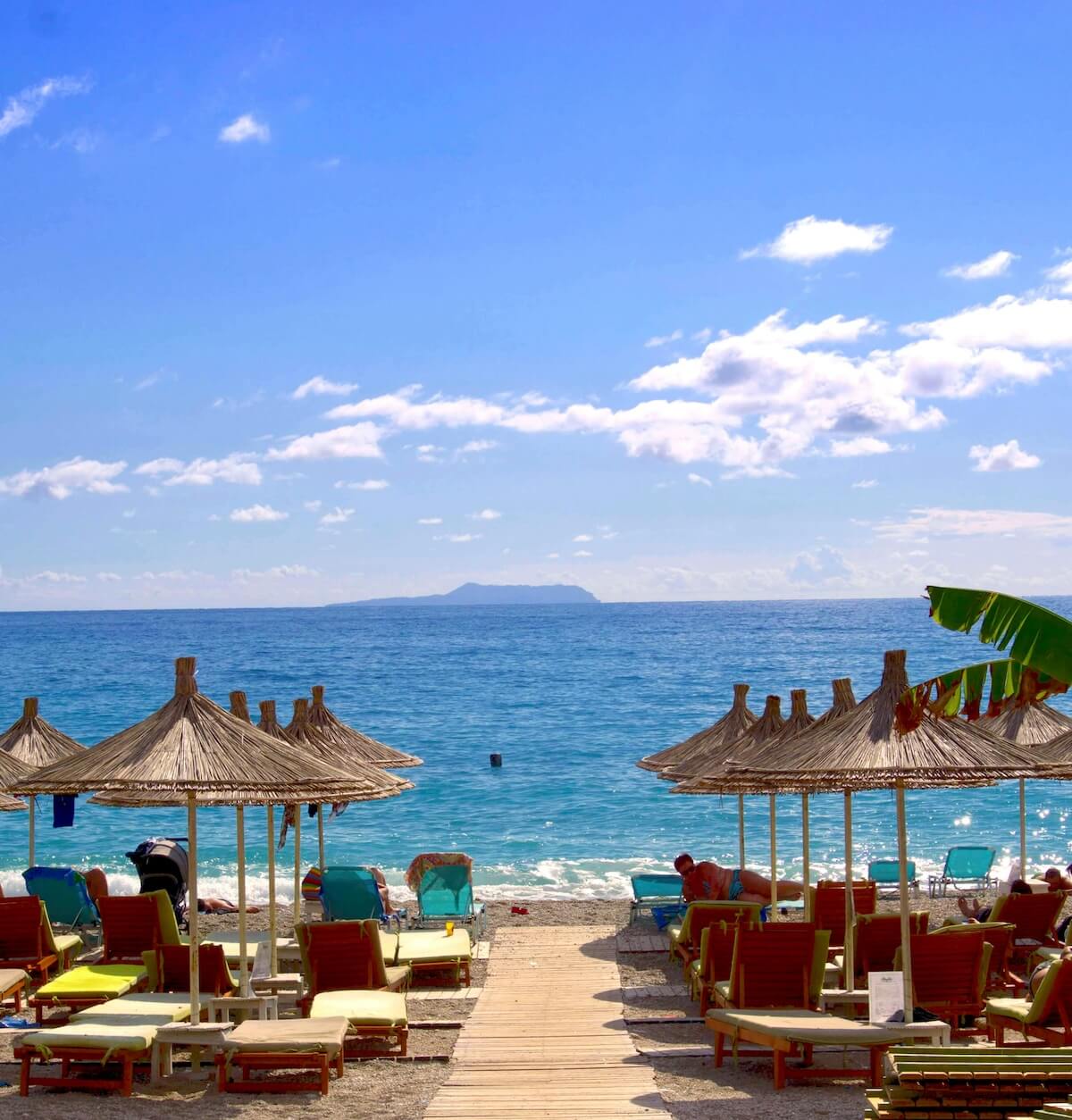
The southern coastline is why most travelers come to Albania, and rightfully so. The Ionian Sea here rivals anything in Greece—turquoise water, dramatic cliffs, hidden coves accessible only by boat or scramble. The Riviera stretches roughly from Vlora south to the Greek border, with a string of beach towns each offering a slightly different vibe.
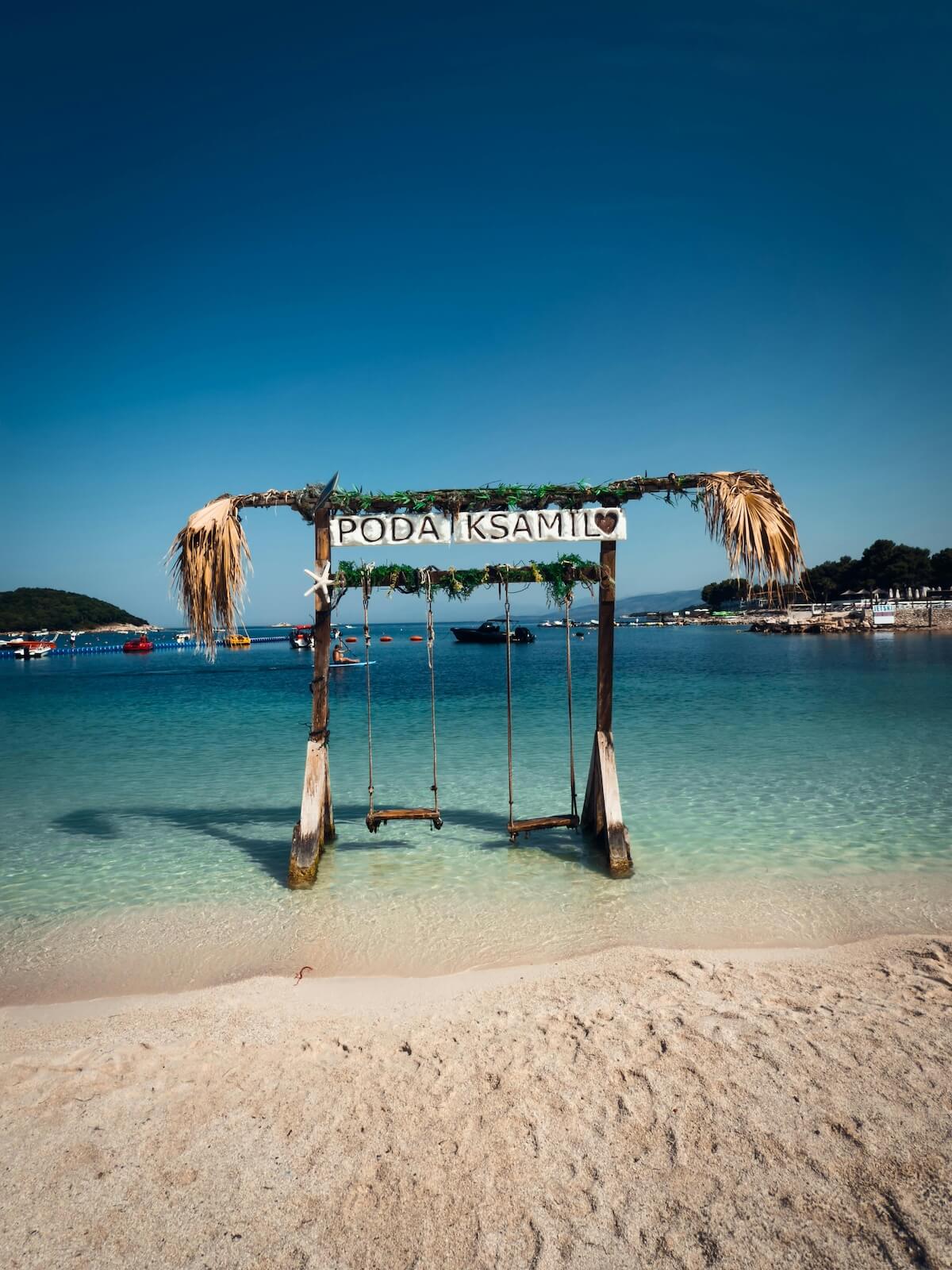
Ksamil gets called the 'Maldives of Europe,' and in fairness, the water color justifies the comparison. The reality is more complicated. In peak summer, Ksamil transforms into a gridlock of sunbeds, thumping beach clubs, and crowds so dense you can't see sand. The magic happens in shoulder season (May-June, September-October) when prices drop, beaches empty, and that impossible turquoise actually becomes accessible. If you must visit in July or August, go early morning or find the beaches requiring a short hike.
Himarë is my pick for the Riviera's best balance. It has tourist infrastructure without losing its soul—a working fishing port with a Greek-influenced old town, quality restaurants serving fresh catch, and beaches ranging from organized (sunbeds, bars) to wild (hiking required). Livadhi Beach works for easy access; Gjipe Beach rewards those willing to hike 30 minutes down a canyon. The boat trips from Himarë's jetty access coves impossible to reach by land—Grama Bay, with its cliff-enclosed turquoise waters, justifies the €25-30 tour price alone.
Dhërmi attracts a slightly more upmarket crowd, with boutique hotels and beach clubs that feel distinctly Mediterranean-chic. Borsh offers Albania's longest beach and the least development—olive groves running down to the shore, traditional guesthouses, and a vibe that feels like the Riviera did a decade ago. Saranda functions as the region's hub: larger, more urban, better connected, but less charming than the smaller towns.
Beyond the Beach
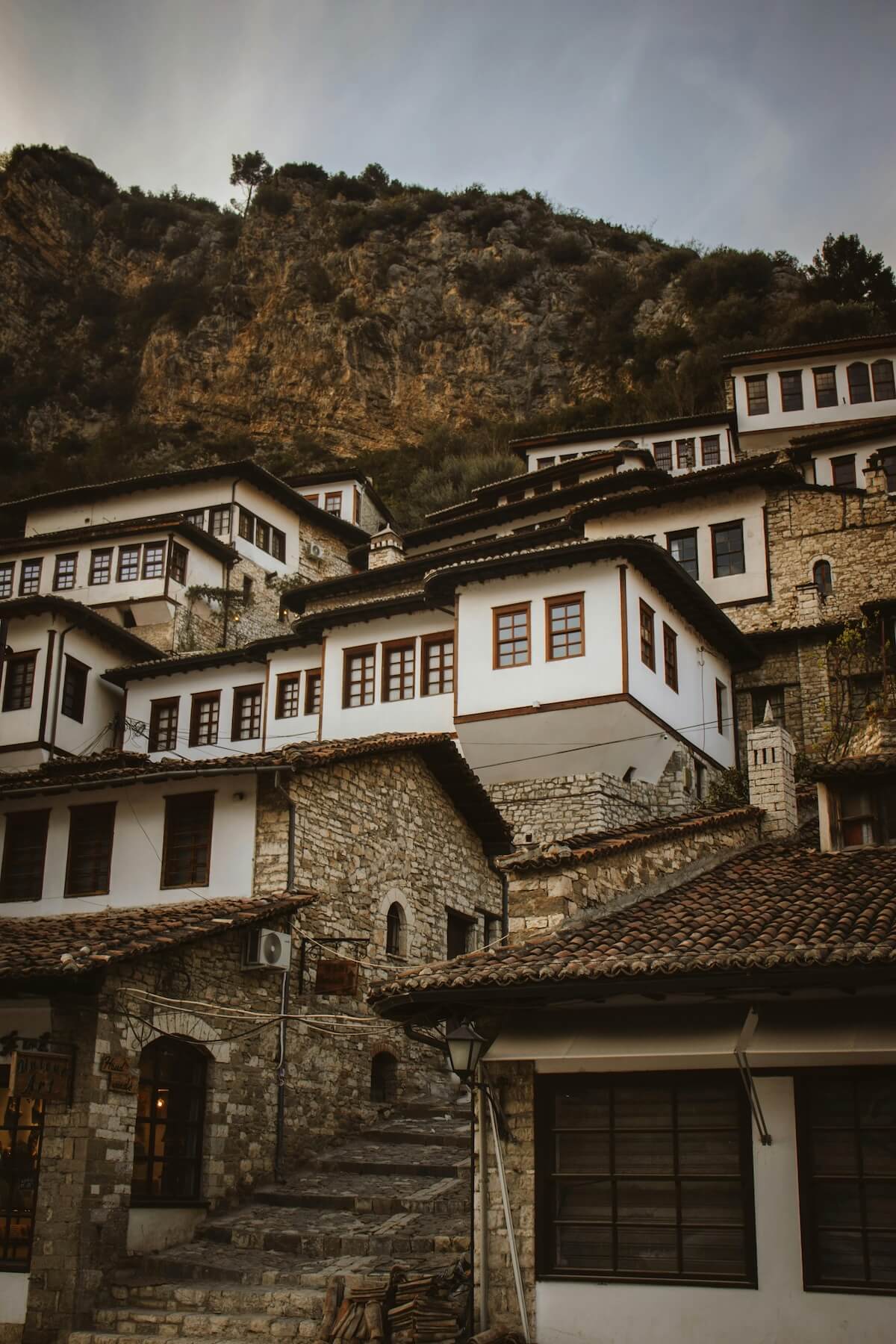
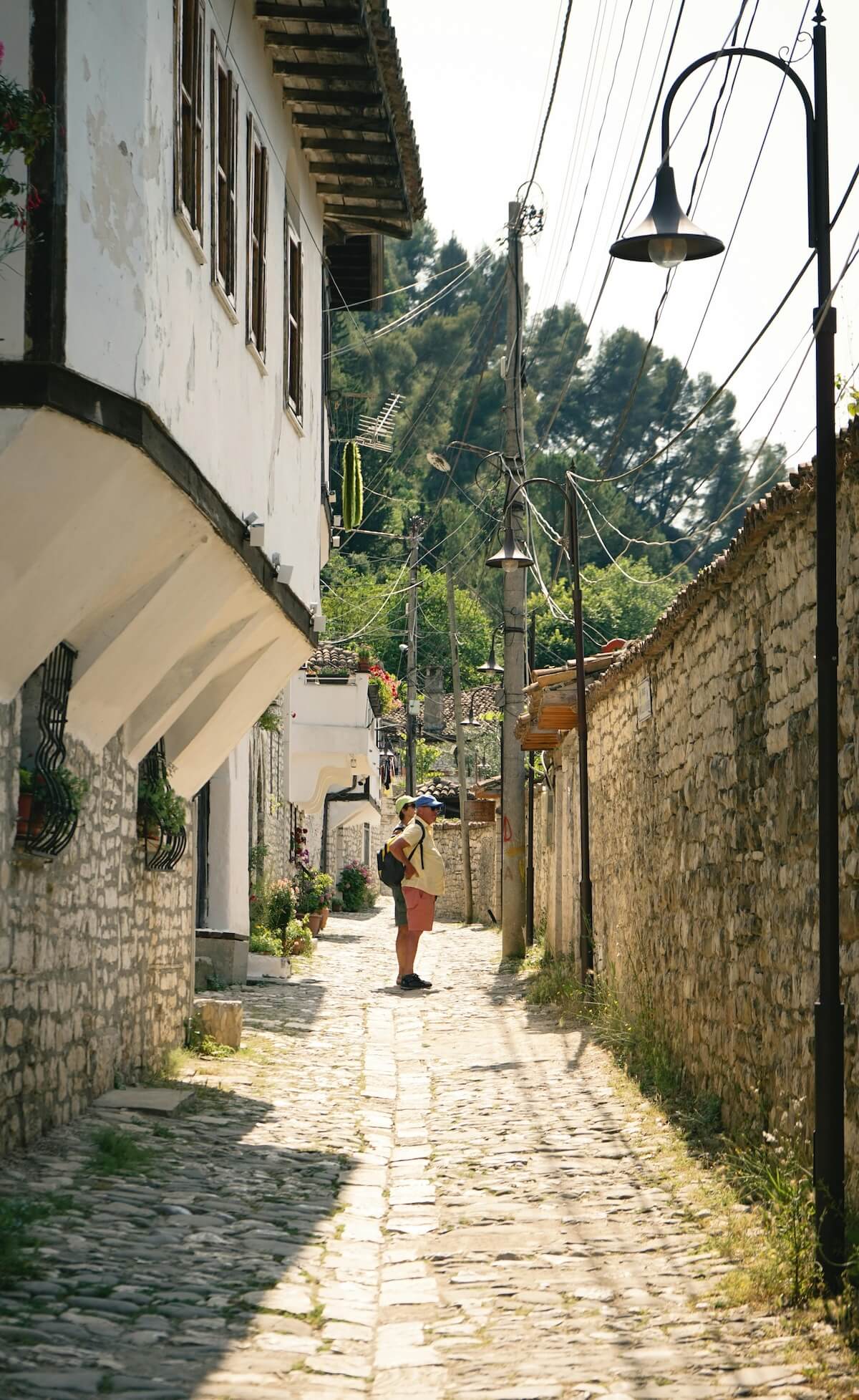
Albania's interior is where the real budget magic happens—and where most tourists never venture. The UNESCO-listed towns of Berat and Gjirokastër showcase Ottoman architecture largely unchanged for centuries. Berat's thousand-windowed houses climb impossibly steep hillsides above the Osum River. Gjirokastër's grey stone mansions and massive fortress feel transported from another era. Both towns cost a fraction of coastal prices and offer the kind of authentic atmosphere that's been polished away from more famous destinations.
The Blue Eye (Syri i Kaltër) is Albania's most famous natural attraction—a mesmerizing karst spring where water of impossible blue wells up from underground depths. It's genuinely beautiful and genuinely crowded. Arrive early morning or late afternoon to beat tour groups. Entry is around €3, and the surrounding forest provides pleasant walking trails. From Saranda or Gjirokastër, it's an easy day trip.
For mountain scenery, the Albanian Alps in the north demand attention. The villages of Theth and Valbona anchor a spectacular hiking route through peaks that rival the Dolomites. Guesthouses here include half-board (dinner and breakfast) for around €40 per person—pricier than you'd expect for such remote locations, but the setting justifies it. The Koman Lake ferry that connects the regions is itself worth the journey: a winding passage through dramatic gorges that feels more Norwegian fjord than Balkan.
Tirana: Skip or Stay?
Albania's capital divides opinion. It's chaotic, rapidly developing, and lacks the obvious attractions of other European capitals. It's also genuinely interesting—a place processing decades of isolation and reinventing itself in real time. Communist brutalist blocks sit next to Ottoman mosques next to gleaming new developments. The Bunk'Art museums, built in massive Cold War bunkers, offer fascinating insight into Albania's paranoid past.
One or two nights works for most travelers. Use it as a launching point rather than a destination. The café culture is excellent (possibly Albania's best espresso scene), the Blloku neighborhood has transformed from forbidden communist elite zone to hipster hangout, and prices are lower than the coast. But don't force Tirana if beaches and mountains are calling.
Getting Around
Albania's bus system is cheap and functional, if not exactly comfortable. Furgons (minibuses) connect most towns, departing when full rather than on strict schedules. Major routes like Tirana to Saranda run multiple times daily for around €12. Shorter hops rarely exceed €5. The catch: bus stations are often located on town outskirts, adding taxi costs to your final destination.
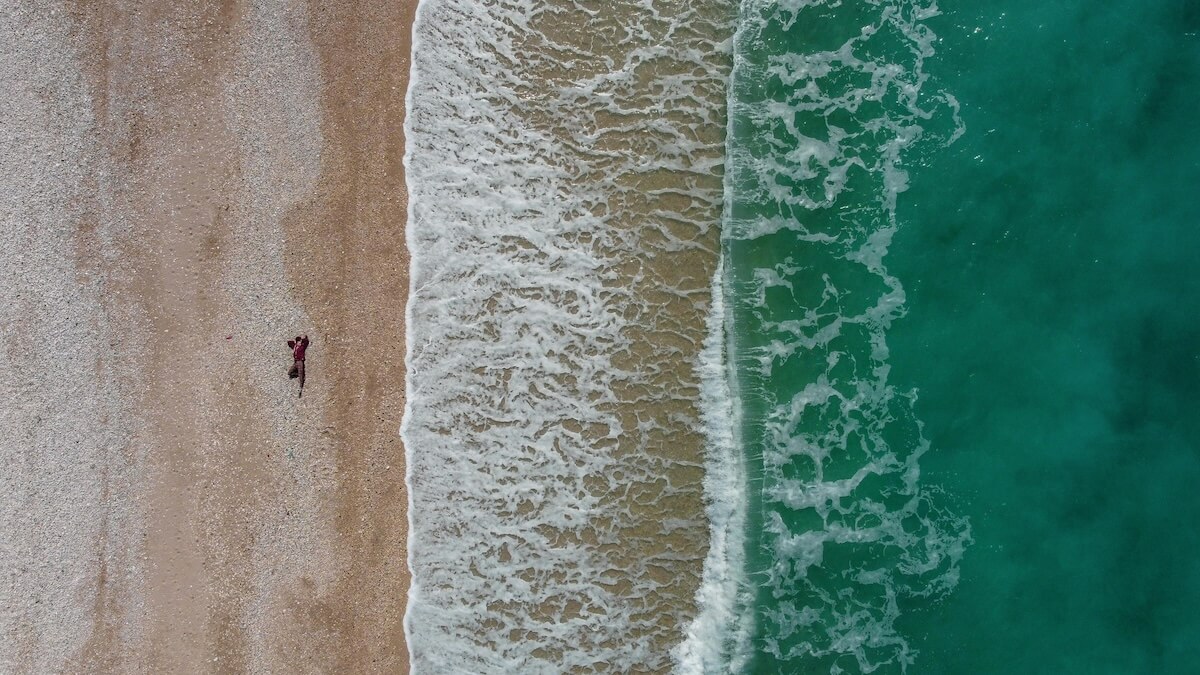
Renting a car transforms the experience—and the prices are surprisingly reasonable. Local agencies offer cars from €20-25 per day (search in Albanian: 'makina me qera'), though international brands charge more. The roads have improved dramatically; the coastal route from Vlora to Saranda is now well-paved and stunningly scenic. Albanian drivers are aggressive but generally competent. If you're not confident driving on the right or navigating mountain switchbacks, consider hiring a driver for day trips instead.
Taxis are plentiful and reasonably priced. Always agree on the fare before getting in, or insist on the meter. Within cities, expect €3-8 for most rides. Intercity taxis work for groups—splitting a €60-80 Tirana to Saranda ride among four people beats the bus for convenience if not price.
Where to Stay
Hostels exist in Albania but aren't as prevalent as in Western Europe. Most budget travelers opt for guesthouses, which offer private rooms with shared facilities for €15-25 per night. Many include breakfast. In beach destinations, apartments often beat hotels for value—full kitchens let you save on meals, and you'll get more space for similar prices.
Booking ahead matters in summer coastal areas. Ksamil and Saranda book out in peak season, and last-minute prices skyrocket. The shoulder seasons are more forgiving. In inland towns like Berat and Gjirokastër, you can often find accommodation on arrival. The traditional guesthouses in these historic centers offer the most atmospheric stays—stone walls, Ottoman-era character, and hosts who genuinely care about your experience.
Eating Well, Eating Cheap
Albanian food is comfort food: grilled meats, fresh vegetables, excellent bread, generous portions. Tavë kosi (lamb baked with yogurt and rice) is the national dish. Byrek (flaky pastry with cheese, spinach, or meat) makes perfect cheap fuel at around €1-2. Fresh seafood along the coast is reliably good and reasonably priced—expect €8-15 for a whole grilled fish with sides.
Restaurant meals at local spots run €5-8 per person. Beach restaurants and tourist areas charge more—€15-25 for dinner with drinks. The best value often comes from guesthouses offering home-cooked meals; many travelers report these as trip highlights. Cooking for yourself doesn't save as much as you'd expect—supermarket prices for basics like eggs and dairy are surprisingly high, and eating out at local spots is already cheap.
Coffee culture runs deep. Albanians drink espresso constantly, and café terraces fill from morning to night. A macchiato costs €0.80-1.50, making it one of the continent's cheapest caffeine fixes. Lingering over coffee is expected, not hurried.
When to Go
The Riviera has a short but intense season. July and August bring crowds, heat, and peak prices—come only if you want the party atmosphere and don't mind fighting for beach space. June and September offer the sweet spot: warm enough to swim, quiet enough to enjoy, and prices 20-40% lower. May and October are gambles—you might get perfect weather and empty beaches, or you might find half the businesses shuttered.
Inland destinations like Berat and Gjirokastër work year-round, though winter can be cold. Spring wildflowers transform the Albanian Alps; hiking season runs roughly June through September, with the Theth-Valbona route best in July-August. Tirana functions fine in any season.
The Honest Assessment
Albania isn't the undiscovered paradise the travel blogs promised five years ago. Development is happening fast—sometimes too fast, with construction disrupting formerly peaceful beaches. Tourist infrastructure varies from excellent to improvised. English is widely spoken in tourist areas but limited elsewhere. The roads have improved but driving styles remain chaotic.
What Albania offers is genuine value in a region where that's increasingly rare. Beaches that rival Greece at half the price. Historic towns that haven't been theme-parked for tourists. Mountain scenery that competes with Switzerland at a fraction of the cost. A culture of hospitality that feels organic rather than transactional. And yes, despite the rising prices, it remains one of Europe's most affordable destinations for quality Mediterranean travel.
The window is closing. In five years, Albania will probably cost what Croatia costs now, and the beaches will probably be just as crowded. If you're going to go, go soon. Pack cash, manage your expectations about 'untouched paradise,' and prepare to discover a country that's imperfect, evolving, and utterly worth your time.


Comments
How did this story make you feel?
No comments yet. Be the first to share your thoughts!