Travel Safety: A Practical Guide to Staying Safe Abroad
Most travel safety advice falls into two categories: paranoid warnings that would prevent you from going anywhere, or dismissive platitudes that ignore real risks. The truth is more useful: specific destinations have specific risks, and simple habits prevent most problems. Here's how to travel with appropriate awareness, not excessive fear.
In two decades of travel across six continents, I've had my wallet pickpocketed once (Barcelona, entirely my fault), been in one genuinely sketchy taxi situation (quickly defused), and encountered countless minor scams that I either avoided or exited cheaply. That's the realistic picture: problems happen occasionally, disasters almost never, and most issues are preventable with basic awareness.
The goal isn't to never have anything go wrong—that's impossible and would require avoiding anything interesting. The goal is to reduce preventable problems and handle the rest when they occur. That requires understanding actual risks (not imagined ones), developing useful habits, and staying calm when things get complicated.
The Reality of Travel Risk
Most travelers dramatically overestimate some risks while underestimating others. Violent crime against tourists is genuinely rare in most destinations; the risk is lower than in many travelers' home cities. Petty theft—pickpocketing, bag snatching, opportunistic theft—is far more common and far more preventable. Transportation accidents, especially involving motorbikes and road travel in developing countries, cause more injuries to travelers than any form of crime.
The dangers tourists actually face are usually mundane: getting sick from food or water, getting injured in traffic, getting scammed or overcharged, losing valuables to theft. These aren't the dramatic scenarios that sell travel insurance, but they're the ones worth preparing for.
Risk also varies enormously by destination, neighborhood, and behavior. A tourist wandering drunk through a nightlife district at 3am faces different risks than the same person walking through a residential area at noon. A traveler flashing expensive jewelry in a known pickpocket zone is inviting different attention than one dressed simply. Context matters more than country-level generalizations.
Before You Leave: Preparation That Matters
Research your specific destination. Government travel advisories (from the US State Department, UK Foreign Office, or your country's equivalent) provide useful baseline information about current security situations, areas to avoid, and ongoing concerns. They tend toward caution—some "warnings" cover countries that millions visit safely—but they identify real issues worth knowing.
Beyond official sources, recent travel forums and blogs reveal current conditions. What are travelers reporting? Which neighborhoods require extra caution? Which scams are currently active? This ground-level information often proves more useful than broad governmental advice.
Register with your embassy's travel notification program if available (like STEP for US citizens). This gets you alerts about emergencies and makes you easier to locate if something goes seriously wrong. It costs nothing and takes two minutes.
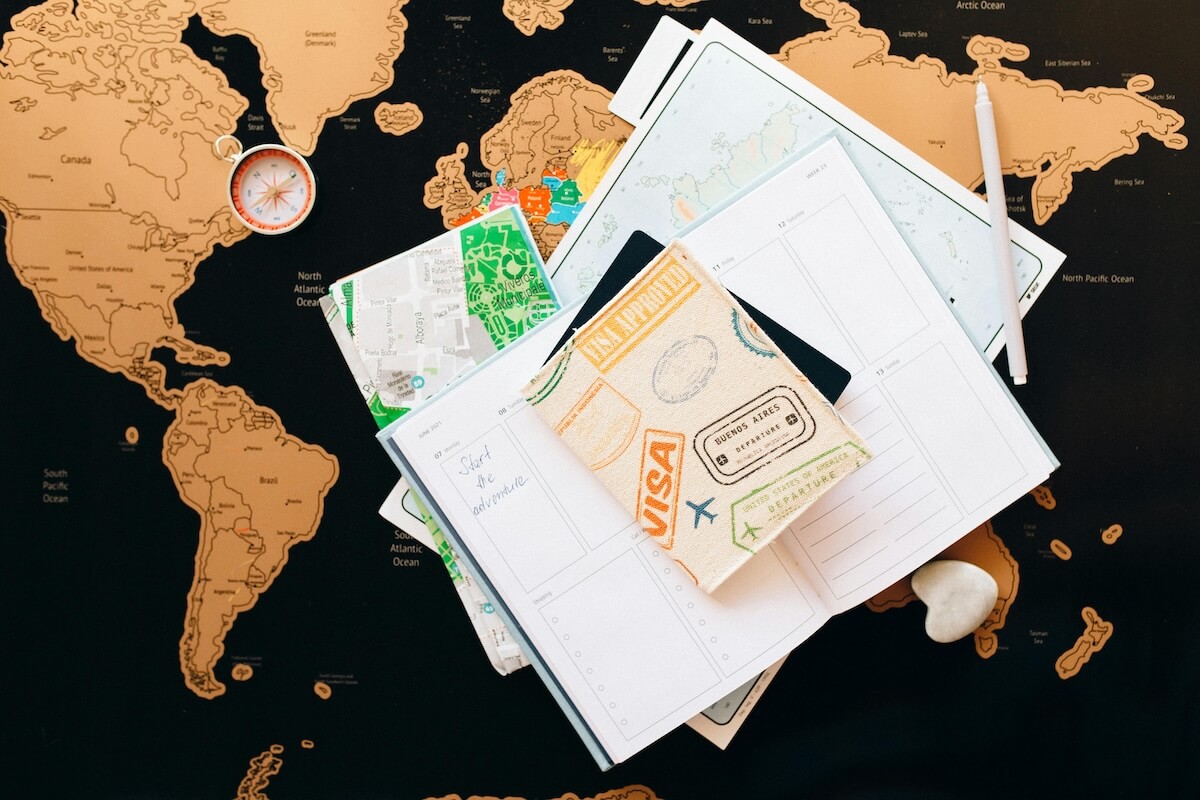
Travel insurance is worth it for international travel. Medical emergencies abroad can be catastrophically expensive—a medical evacuation alone can cost over $100,000. Good policies also cover trip cancellation, theft, and other losses. Read what's actually covered; adventure activities often require additional coverage.
Make copies of critical documents: passport, visa, insurance policy, credit cards, prescriptions for any medications. Store copies separately from originals and in a cloud service you can access anywhere. If originals are lost or stolen, copies make replacement vastly easier.
Protecting Your Valuables
The best protection for valuables is not bringing them. Leave expensive jewelry at home. Consider traveling with an older phone. Bring only the credit cards you need. Every item of value you don't carry is one you can't lose.
For what you do bring, distribute rather than concentrate. Keep your backup credit card separate from your primary one. Carry some cash in a different location from your wallet. A lost wallet hurts less when it doesn't contain everything.
Money belts and hidden pouches work but aren't necessary for most destinations. What matters more: don't keep valuables in easily accessible places. Back pockets are pickpocket invitations. Bags worn behind you are vulnerable. Front pockets, bags worn across the body to the front, and interior jacket pockets all offer more protection.
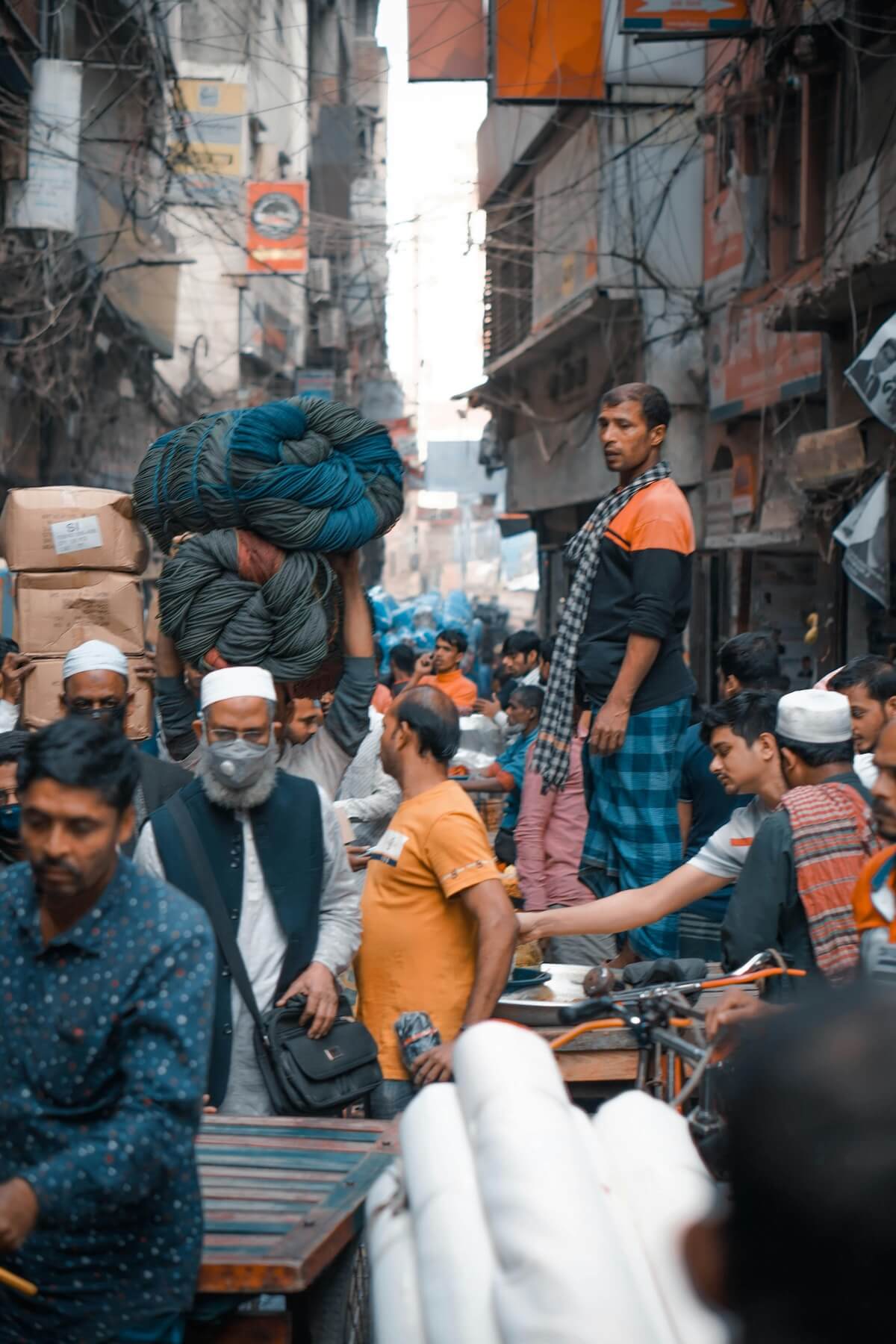
Be especially alert in known pickpocket zones: crowded tourist attractions, public transit, markets, and anywhere people press together. These are where professionals work. When entering these spaces, confirm where your valuables are and keep physical contact with them.
Street Smarts and Situational Awareness
Situational awareness sounds military, but it's simple: pay attention to your surroundings. Know who's around you. Notice when something feels off. This doesn't mean constant paranoia—it means not walking through unfamiliar neighborhoods while staring at your phone, or being so absorbed in a map that you're oblivious to your environment.
Walk with purpose, even when you're lost. Looking confused and hesitant marks you as an easy target. Pick a direction and walk confidently; you can figure out the right way around the corner. If you need to consult a map, step into a shop or café rather than standing on the sidewalk.
Trust your instincts. If a situation feels wrong—a person is too insistent, a street feels threatening, an offer seems suspicious—exit. You might occasionally be wrong and miss something harmless. That's fine. The cost of being cautious is low; the cost of ignoring genuine warning signs can be high.
Be especially alert at transition moments: arriving in a new city, exiting airports or train stations, first venturing out after dark. These are when you're most disoriented and least familiar with local norms. Give yourself time to adjust before diving into complicated situations.
Transportation Safety
Transportation—not crime—is the biggest physical risk for most travelers. Road safety standards vary dramatically worldwide, and practices that would be unthinkable at home are routine in some destinations.
Motorbikes and scooters deserve special caution. They're ubiquitous in Southeast Asia and tempting to rent, but they cause a disproportionate share of tourist injuries and deaths. If you don't ride at home, a vacation isn't the time to learn. If you do ride, wear a proper helmet (not the thin plastic often provided), check the bike before renting, and don't drink and drive.
Taxis present different risks in different places. In some cities, they're entirely safe and regulated; in others, they're vectors for scams or worse. Research your specific destination. App-based services like Uber or local equivalents often provide more accountability through tracked routes and recorded drivers, though they're not available everywhere.
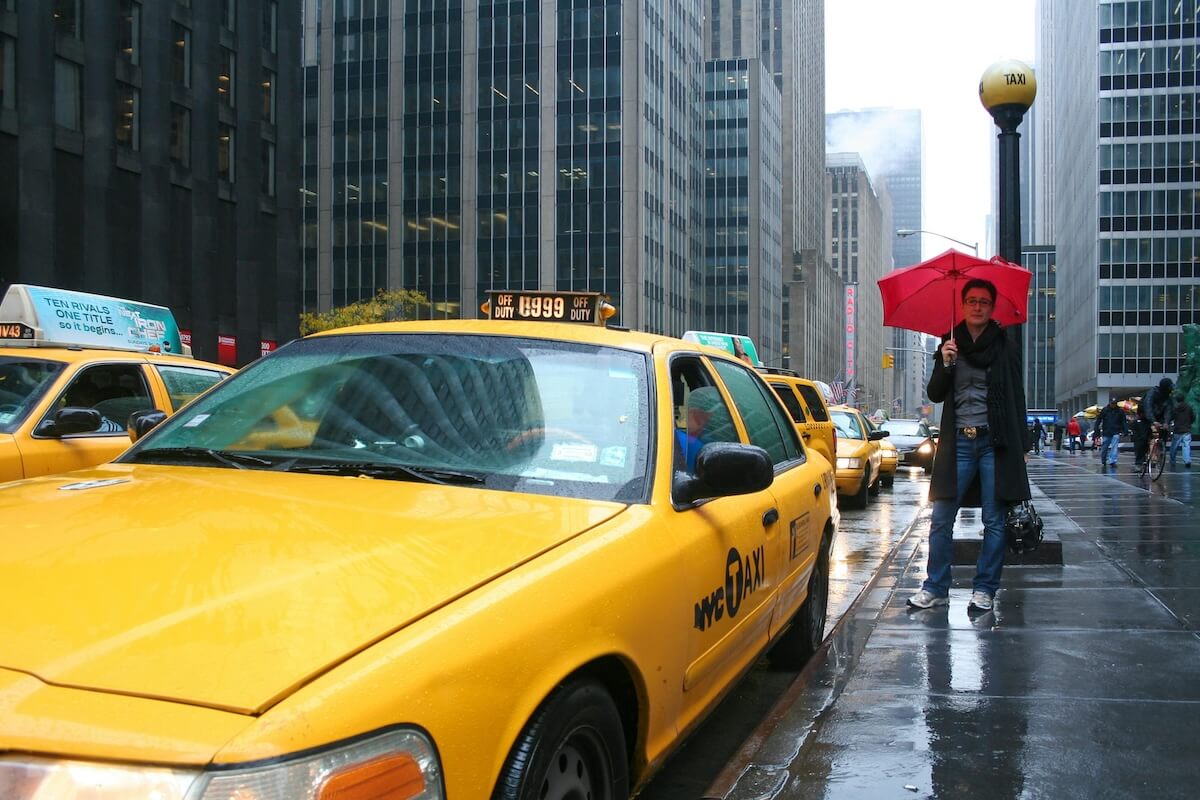
When taking taxis in areas where they're problematic: agree on the fare before getting in (or insist on the meter), note the taxi number or take a photo, share your location with someone, and sit in the back where you can exit from either side. If the driver takes an unexpected route or the situation feels wrong, ask to stop in a public place.
Night buses and overnight transportation require extra caution with belongings. Keep valuables on your person, not in overhead bins or checked luggage. A small lock for your bag zippers deters opportunistic theft while you sleep.
Common Scams and How to Avoid Them
Tourist scams exist everywhere tourists exist. Most are annoying rather than dangerous, costing money rather than safety. Knowing the common patterns helps you recognize and avoid them.
The "helpful" stranger who appears unsolicited is a classic setup. They might offer to guide you (then demand payment), take your photo (then demand payment), help you with an "official" form (that's actually meaningless), or befriend you only to steer you toward a specific shop (where they earn commission). Genuine help exists—people can be wonderfully kind—but unrequested assistance from strangers in tourist zones warrants skepticism.
Taxi and tuk-tuk scams follow patterns: meters that "don't work" or run suspiciously fast, drivers who insist your hotel is closed and offer alternatives (where they earn commission), or roundabout routes that triple the fare. Know the approximate fare before getting in, agree on price if no meter, and be willing to exit if something seems wrong.
Money changing scams include poor rates (compare before exchanging), "miscounting" (count your money before leaving the window), and sleight of hand (watch the notes throughout the transaction). Using ATMs often gets better rates and avoids these interactions entirely, though ATM skimming is another risk in some areas.
"Found" wallet or ring scams (someone "finds" a valuable item and offers to split it with you), petition scams (signing a petition is followed by demands for donation), and fake charity scams (uniformed collectors for nonexistent organizations) all have one thing in common: they create a social situation that leverages your politeness against you. It's okay to say no and walk away.
Solo Travel Safety
Solo travelers face the same risks as everyone else, plus the reality that no one is watching their back. This requires slightly more vigilance, not avoidance. Millions travel solo safely every year; the key is appropriate precautions.
Share your itinerary with someone at home. Check in regularly so someone knows you're okay. This isn't about fear—it's about having a safety net if something does go wrong. A simple daily text to a friend or family member takes seconds and provides peace of mind for everyone.
Solo travelers should be more selective about accommodations. A well-located guesthouse in a busy area is safer than a remote hostel where you're isolated. Read recent reviews; they reveal current safety issues that location descriptions don't capture.
Nighttime requires more caution when alone. Stick to well-lit, populated areas. Know how you'll get home before you go out. Limit alcohol intake when you don't have a travel companion to help you make decisions. This isn't about avoiding nightlife—it's about maintaining awareness when no one else is looking out for you.
For women traveling solo, the calculation includes risks of harassment and assault that are unfortunately real in some contexts. Research women's specific safety experiences in your destination. Local dress norms, appropriate responses to unwanted attention, and areas to avoid at certain times—these vary by place and culture.
Digital Safety
Your digital life is as vulnerable as your physical belongings, and the consequences of compromise can be worse. A stolen wallet loses you cash; a compromised phone or accounts can lose you much more.
Public WiFi is inherently insecure. Assume that anything you do on hotel or café WiFi can potentially be observed. Use a VPN if you need to access sensitive accounts. Better yet, use mobile data for anything important.
Enable two-factor authentication on important accounts before you travel. If your email or financial accounts are compromised while you're abroad, recovery is much harder from an unfamiliar location. The minor inconvenience of two-factor is worth the protection.
Back up your phone before you leave. If it's lost or stolen, you won't lose your photos and contacts. Cloud backup makes this automatic; ensure it's running before departure.
Be cautious about what you share publicly on social media while traveling. Broadcasting that you're away from home is broadcasting that your home is empty. Sharing your current location publicly is sharing it with everyone, including people you might not want tracking your movements.
Health Safety
Health problems sideline more trips than crime does. Basic precautions prevent most issues.
Research vaccination requirements and recommendations for your destination well in advance—some vaccines require weeks or months to take effect. A travel medicine clinic can provide current guidance for specific destinations.
Food and water safety varies by destination. In places where tap water isn't safe, that also means ice, salads washed in tap water, and peeled fruit touched by wet hands. When unsure, stick to cooked food served hot, peeled fruit you peel yourself, and sealed bottled water. This isn't paranoia; gastrointestinal illness is one of the most common travel health problems.
Bring a basic medical kit: bandages, pain relievers, anti-diarrheal medication, rehydration salts, and any prescription medications you take. In some countries, pharmacies provide medications that would require prescriptions at home, but relying on this requires finding a pharmacy and communicating your needs—not always easy.
When Things Go Wrong
Despite precautions, problems happen. How you respond matters more than preventing every issue.
If you're robbed or pickpocketed, prioritize your safety over your stuff. Don't chase thieves or escalate confrontations. Once it's over, file a police report (needed for insurance claims), cancel compromised cards, and contact your embassy if your passport was taken.
If you're in a dangerous situation—facing violence, coercion, or threat—your priority is getting away. Comply if necessary to preserve your safety. No possession is worth injury. Yell, run to populated areas, enter businesses. Make the situation as public as possible.
For medical emergencies, contact your travel insurance's emergency line immediately. They can direct you to quality care, arrange payment, and coordinate evacuation if needed. Keep this number accessible, not just in your phone.
For any serious problem, your embassy or consulate can help. They won't pay your bills or get you out of legitimate legal trouble, but they can provide referrals, help contact family, replace passports, and assist in emergencies. Know where your country's embassy is in every destination.
Destination-Specific Considerations
General advice only goes so far. Each destination has specific patterns worth understanding.
In Western Europe, pickpocketing in tourist zones is the primary concern. Rome, Barcelona, Paris, and Prague have particularly active pickpocket scenes. Violent crime against tourists is rare. The scams are refined and often involve distraction techniques—someone engaging your attention while another lifts your wallet.
In Southeast Asia, motorbike accidents and scooter rentals cause more tourist problems than crime. Bag snatching by riders on motorbikes occurs in some cities. Food and water safety requires more attention than in Western destinations. Most countries are remarkably safe; the exceptions are usually specific areas or situations.
In Latin America, safety varies enormously between and within countries. Wealth displays attract attention in ways they don't in wealthier regions. Express kidnapping (brief abductions to withdraw cash from ATMs) occurs in some cities. Research specific destinations carefully; the difference between a safe and risky neighborhood can be a few blocks.
In Africa, road safety is a major concern in many countries. Petty theft varies by location. Some destinations are extremely safe; others have significant security challenges. Country-level generalizations are particularly useless for a continent of 54 countries. Research your specific destination.
Keeping Perspective
Fear sells, and travel media often emphasizes danger over reality. Billions of international trips occur each year; the overwhelming majority encounter no serious problems. The dangerous world of breathless news coverage doesn't match the experience of most travelers.
This isn't to minimize real risks—they exist and warrant preparation. But excessive fear limits life more than sensible precaution enhances it. The traveler who stays home because everywhere seems dangerous has let anxiety steal experiences that would almost certainly have been fine.
The same awareness that keeps you safe also keeps you present. Noticing your surroundings, reading situations, engaging thoughtfully with the world—these aren't just safety techniques. They're also how you actually experience a place rather than passing through blindly.
Travel safely, but do travel. The risks are manageable; the rewards are not available any other way.


Comments
How did this story make you feel?
No comments yet. Be the first to share your thoughts!