Transportation Safety Abroad: Navigating Taxis, Buses, and Unfamiliar Roads
From negotiating taxi fares to surviving overnight buses, a practical guide to getting around safely in countries where the rules—and the risks—differ from home.
The taxi driver in Marrakech didn't turn on the meter. This wasn't unusual—meters are often ignored in Morocco—but the fare he quoted at the end was triple what locals pay. I knew enough to argue, but not enough to win. We settled at double the real price, and I spent the next hour angry at myself for not negotiating harder before getting in the car.
Transportation is where the abstract idea of travel becomes physical reality. You're in a vehicle you don't control, going somewhere you may not fully understand, often unable to communicate effectively with the driver. This vulnerability is manageable, but it requires awareness that sitting in a taxi or bus abroad isn't quite the same as doing so at home.
Most transportation abroad is perfectly safe. Millions of travelers take taxis, buses, and trains daily without incident. The goal isn't paranoia—it's informed decision-making that reduces the already-small risks while keeping travel practical and enjoyable.
Taxis: The Universal Variable
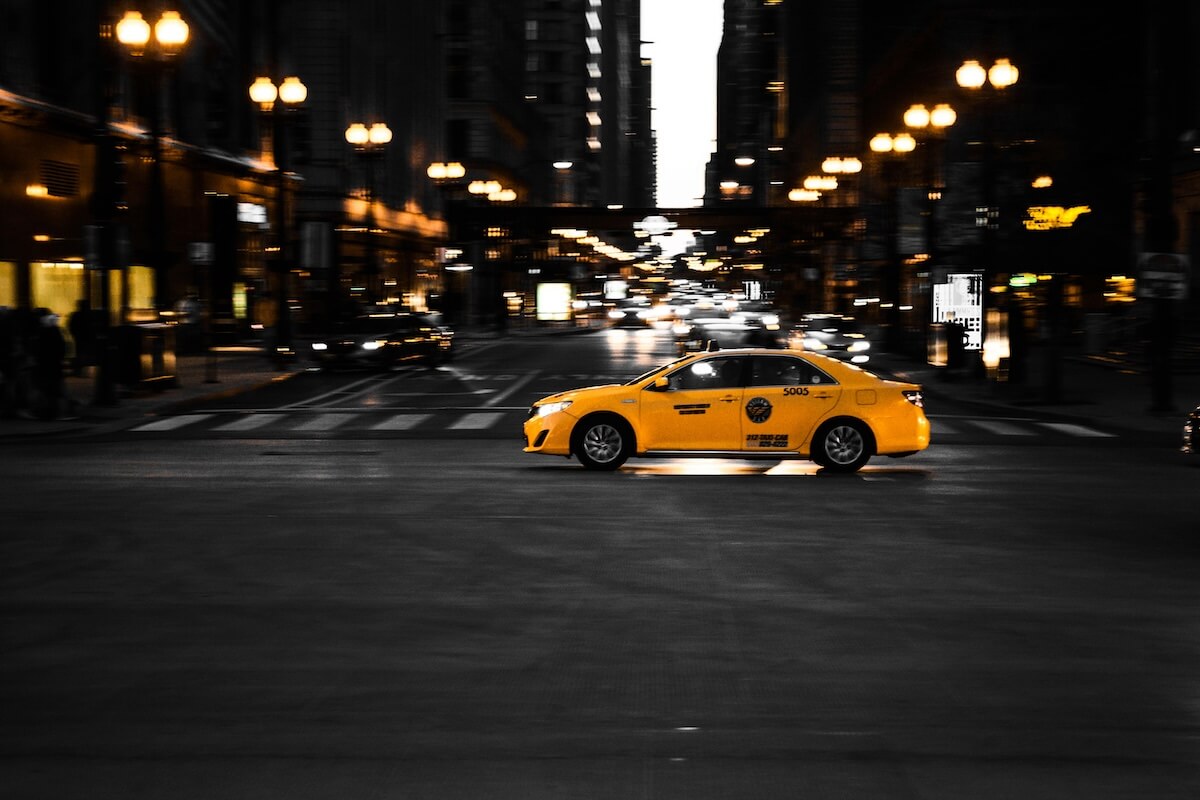
Taxis exist everywhere but function differently everywhere. In some cities, meters are standard and fare disputes rare. In others, negotiating the price before entering is expected. In still others, the taxi system operates somewhere between these poles, with meters that mysteriously malfunction and quoted prices that mysteriously rise. Understanding local norms before you need a taxi prevents confusion and overcharging.
The fundamental rule: agree on the fare or confirm the meter before the taxi moves. Once you're en route, your negotiating position evaporates. In meter countries, watch that the driver actually starts it. In negotiation countries, name your destination and ask for a price. Having a rough idea of correct fares—from guidebooks, hotel staff, or previous travelers—provides crucial context for knowing whether a quote is reasonable.
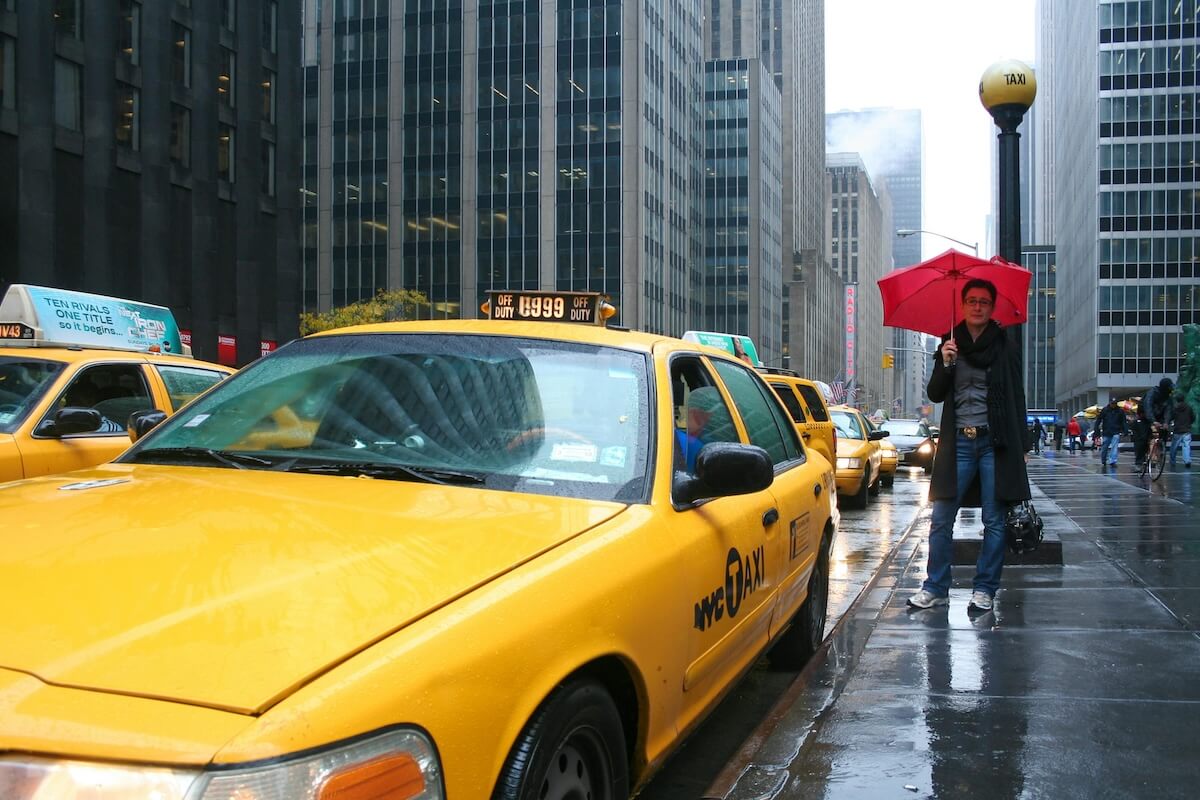
Airport taxis deserve special caution. Travelers arriving exhausted and disoriented are prime targets for overcharging. Many airports have official taxi stands with fixed rates to common destinations—use these when available. Unofficial touts inside terminals often charge multiples of real rates. Walking past the scrum to the official queue, or using a ride-share app, typically saves significant money.
Share your route expectations clearly. Showing your destination on a map (even if you can't pronounce it) prevents deliberate wrong turns. If you know the general direction, you can notice if the driver goes somewhere completely different. GPS navigation on your phone lets you follow along silently without confrontation—if the route seems wrong, you can address it early rather than after an extended detour.
Ride-Share Apps: The Game Changer
Uber, Grab, Bolt, Didi, and regional equivalents have transformed transportation safety for travelers. These apps provide what traditional taxis often lack: fixed fares quoted upfront, tracked routes, driver identification, and payment without cash exchange. The negotiation games and meter manipulation that plague taxi travel become irrelevant when the fare is set before you book.
Ride-share safety depends on verification. Before entering any vehicle, confirm the license plate matches the app, the driver matches the photo, and they can state your name. Never get into a car where you're asked to provide your destination—the driver should already know. These basic checks prevent the rare but serious situation of entering an unaffiliated vehicle.
Share your trip with someone. Most ride-share apps include a feature to send real-time trip tracking to contacts. Use it, especially for solo rides at night or in unfamiliar areas. This creates accountability—the driver knows someone else is watching—and provides peace of mind for you and whoever you've shared with.
Ride-shares have limitations. They require working internet and a charged phone. Some countries have banned or restricted them, making traditional taxis the only option. In areas with weak cellular coverage, apps may not function. Having backup transportation knowledge—taxi norms, public transit basics—ensures mobility when technology fails.
Public Transit: Usually the Safest Option
Metro systems, city buses, and trains are statistically safer than taxis or ride-shares. They run on fixed routes with multiple passengers and often transit officials present. Pickpocketing is the primary risk—not vehicle safety. For travelers comfortable navigating unfamiliar systems, public transit provides cheap, reliable, and safe transportation.
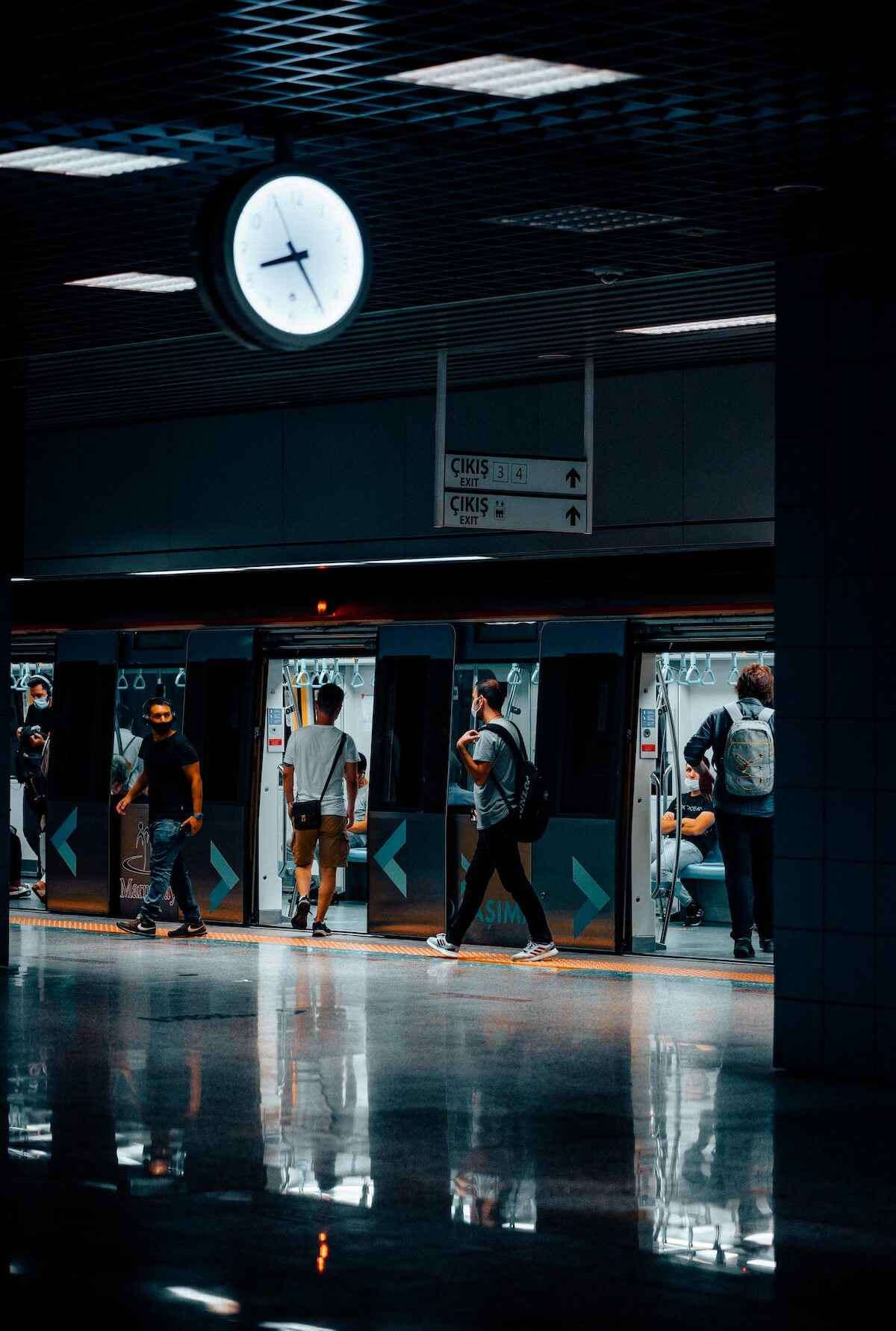
Learning basic metro navigation takes about one trip. Buy a ticket, find the correct platform, ride to your stop. Signs are often in English in major cities, and station names are visible even when you don't speak the language. Downloading offline transit maps before arriving makes navigation much easier without constant internet.
Rush hour brings crowded conditions that pickpockets exploit. Keep bags in front of you, wallets in front pockets, and phones secured. The chaos of crowded trains provides cover for theft; awareness reduces risk. Late-night public transit is generally safe but may be less frequent and more isolated—understand service hours to avoid being stranded.
City buses require more local knowledge than metros. Route numbers, payment systems, and stop announcements vary widely. When possible, research specific routes before attempting them. Asking hotel staff or using Google Maps transit directions provides routing information even when you can't read local signage.
Long-Distance Buses: The Reality Check
Overnight buses across developing countries are where transportation safety concerns become most legitimate. These buses vary enormously in quality and safety—from modern, well-maintained coaches to aging vehicles with questionable maintenance and exhausted drivers. Choosing the right bus company matters significantly.
Research bus companies before booking. Major routes typically have multiple operators ranging from budget to premium. Paying more for reputable companies with better safety records makes sense on routes where accidents occur. Asking at your accommodation, reading recent reviews, or consulting travel forums provides guidance on which companies to use and avoid.
Seat selection affects safety. Front seats near the driver provide quicker exit in emergencies and tend to feel more secure. Aisle seats allow easier movement. Avoid seats near emergency exits if they don't actually open—some are blocked or dysfunctional. Bringing a small flashlight helps navigate dark buses during night stops.
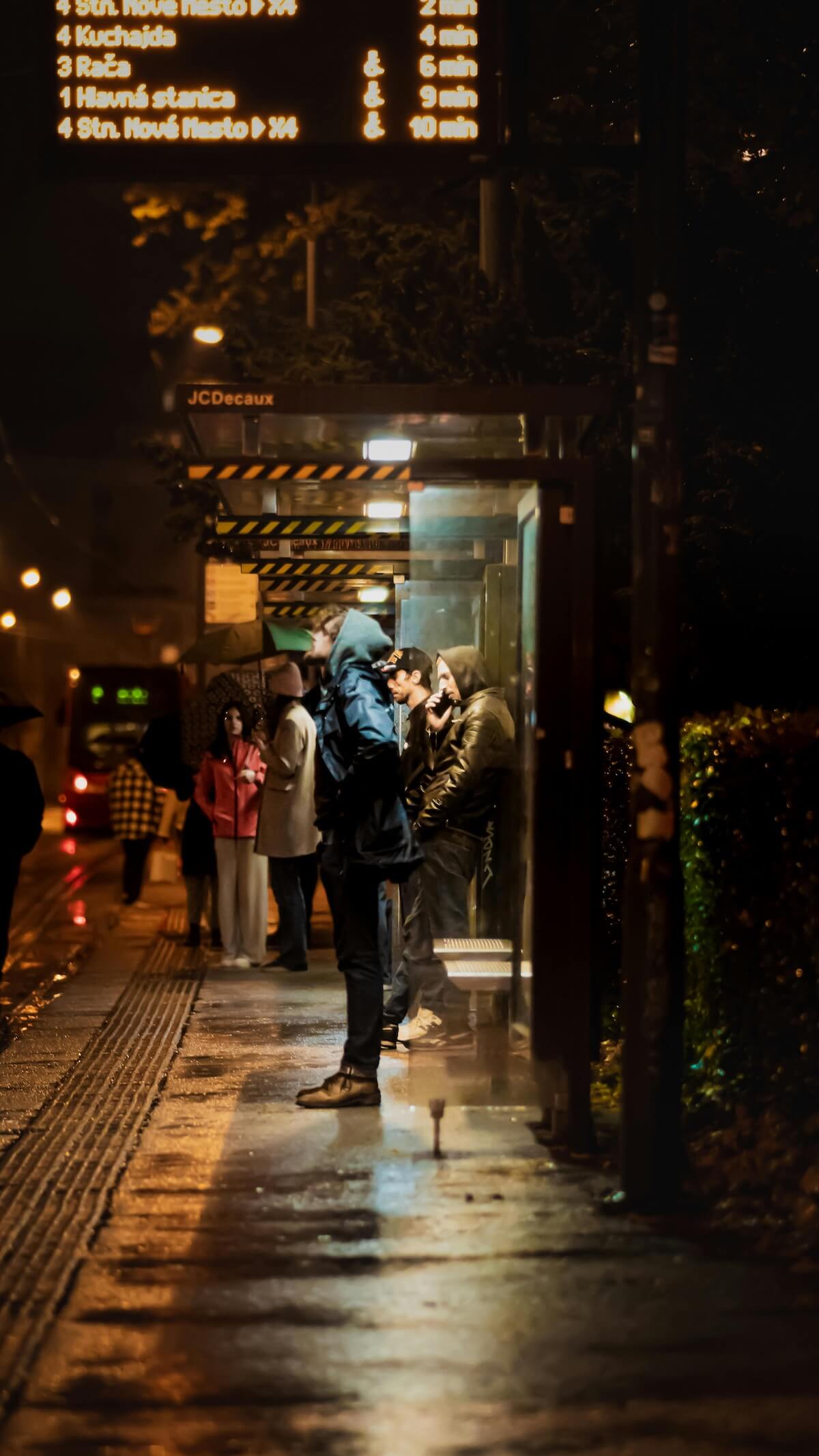
Secure your luggage. Bags in overhead compartments can be accessed by anyone; keep valuables with you. Bags stored underneath by handlers are generally safe, but thefts during stops happen—staying aware when luggage compartments open is prudent. Some travelers use small locks on bags, though determined thieves won't be deterred by these.
Tuk-Tuks, Motorbikes, and Local Variants
Auto-rickshaws in India, tuk-tuks in Thailand, moto-taxis throughout Southeast Asia—these local transport options are often the cheapest and most convenient way to get around. They're also more exposed to road risks than enclosed vehicles. Understanding local norms helps you use them safely.
Tuk-tuks and auto-rickshaws have good safety records relative to their chaotic appearance. They're designed for local traffic conditions and drivers are experienced navigators of seemingly anarchic roads. Negotiate fares beforehand, expect a wild ride visually, and recognize that what looks dangerous is usually just unfamiliar.
Motorcycle taxis present real risk. Traffic accidents are a leading cause of traveler death and injury worldwide, with motorbikes disproportionately involved. If using motorcycle taxis, always wear the provided helmet, avoid them on highways or at night, choose sober and cautious-seeming drivers, and don't use them when you have luggage that compromises balance.
Renting motorbikes yourself amplifies these risks dramatically. Local traffic operates by different rules, road conditions vary unpredictably, and your lack of experience in that specific environment increases accident likelihood. If you do rent, wear proper protection, understand your insurance coverage (most travel insurance excludes motorbike accidents), and recognize that this is statistically one of the riskiest choices travelers make.
Recognizing and Responding to Problems
Most transportation problems are minor—overcharging, wrong routes, language confusion. These frustrate but don't endanger. Stay calm, use maps to demonstrate correct destinations, and accept that occasional overpayment is part of travel. The amounts that feel significant in the moment are usually trivial in retrospect.
Genuine safety concerns—a driver who seems impaired, a route that goes somewhere completely wrong, aggressive behavior—warrant immediate response. Ask to stop and exit. Feigning a phone call, claiming motion sickness, or simply demanding to leave all work. In ride-shares, you can report issues in-app; drivers know this creates accountability.
Trust your instincts. If a situation feels wrong before you enter a vehicle, don't enter. If it feels wrong during the ride, address it immediately rather than hoping things improve. The social discomfort of refusing a taxi or asking to stop is nothing compared to potential consequences of ignoring genuine warning signs.
Know local emergency numbers and have them accessible without internet. Keep your accommodation's address written down for showing drivers if verbal communication fails. Having these basics prepared means you're never completely without options, even when technology fails or communication breaks down.
Night Travel Considerations
Traveling at night increases certain risks while potentially reducing others. Fewer witnesses and dimmer lighting create opportunities for problems. But overnight buses and trains are also practical ways to cover distance while sleeping, and airports operate 24 hours. The question isn't whether to travel at night, but how to do so thoughtfully.
Pre-booked transportation eliminates much night-travel risk. Knowing exactly which vehicle to enter, having the route tracked, and having payment arranged removes the vulnerable negotiations that happen when flagging down random taxis at 2 AM. Book airport transfers in advance rather than hoping to figure it out upon arrival.
If you must find transportation spontaneously at night, go to established taxi ranks rather than accepting rides from approaching drivers. Hotel lobbies often have doormen who can arrange legitimate taxis. Airport official taxi lines, while potentially more expensive, provide verified transportation when alternatives are sketchy.
Overnight buses and trains are generally safe, but staying somewhat alert during stops is prudent. Opportunistic theft happens when everyone's asleep. Keeping valuables secured on your person and being aware when the vehicle stops reduces this already-small risk. Most travelers report overnight transportation without any incidents—with minimal precautions, you likely will too.
The Proportionate Response
Transportation anxiety is common among travelers and often disproportionate to actual risk. Yes, traffic in Vietnam looks terrifying from Western perspectives. Yes, the bus to La Paz seems like it might fall off the mountain. But millions of people use these systems daily without incident. Your job is reasonable precaution, not paralyzing fear.
Local transportation systems evolved for local conditions. What seems chaotic often has underlying logic that becomes apparent with experience. Drivers who appear reckless are usually highly skilled at navigating their specific environment. Trust the system while taking basic precautions, and recognize that unfamiliar doesn't mean unsafe.
The goal is getting around safely and efficiently, not avoiding transportation entirely. Use meters or negotiate fares. Verify ride-share drivers. Keep valuables secure. Trust your instincts about specific situations. These simple practices address real risks without making transportation itself a source of constant anxiety. Moving through foreign places is supposed to be part of the adventure—not a series of threats to survive.


Comments
How did this story make you feel?
No comments yet. Be the first to share your thoughts!