Medical Preparedness for Travel: What to Do Before You Need a Doctor Abroad
Vaccinations, medical kits, finding care abroad, and understanding travel health insurance—everything you should sort out before departure, not in a foreign emergency room.
I got food poisoning in rural Cambodia. Nothing dramatic—just the standard intestinal revolt that most travelers experience eventually. But at 3 AM, sweating through sheets in a guesthouse without air conditioning, I realized I had no idea what medication to take, whether my symptoms warranted actual medical attention, or how I'd find a doctor if they did. I'd packed hiking boots and camera gear with meticulous care. I'd packed zero medical supplies and done zero health research.
That trip ended fine—food poisoning usually does. But it exposed a gap in my preparation that could have mattered enormously in different circumstances. Medical emergencies abroad are manageable when you've prepared for them. They become genuinely frightening when you haven't. The time to figure out vaccinations, medications, insurance, and healthcare access is before you leave, not when you're sick in an unfamiliar country.
Vaccinations: What Actually Matters
Vaccination requirements vary dramatically by destination. Western Europe and Japan require nothing beyond your routine shots. Much of Africa, South America, and South Asia may require or recommend multiple vaccines that need weeks or months to become effective. Starting this research early is essential—some vaccines require multiple doses spread over time.
The CDC's destination pages provide authoritative guidance on required and recommended vaccines. Required vaccines are legally mandated for entry—yellow fever for certain African and South American countries is the main one. Recommended vaccines are medically advised based on regional disease risk. Most travelers should seriously consider recommended vaccines even though they're not mandatory.
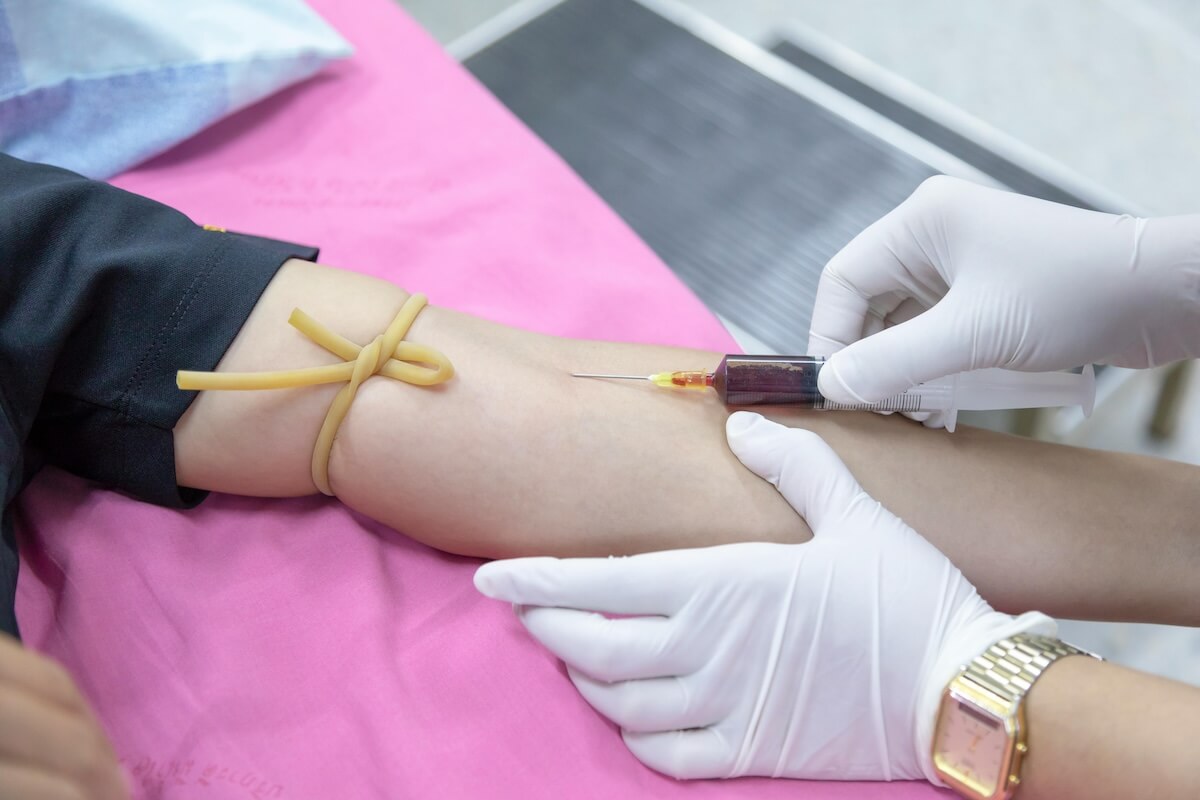
Common travel vaccines include Hepatitis A and B, typhoid, yellow fever, Japanese encephalitis, rabies, and malaria prophylaxis (technically a medication, not a vaccine). Hepatitis A and typhoid make sense for most trips to developing countries. Yellow fever is required in specific regions. Japanese encephalitis and rabies are typically recommended only for extended stays or specific activities in high-risk areas.
Visit a travel medicine clinic four to six weeks before departure for destinations requiring vaccines. Regular doctors can administer some travel vaccines, but travel clinics specialize in destination-specific advice and stock vaccines that general practices don't carry. The consultation typically costs $50-100; vaccines themselves range from $50-300 each depending on type.
Building a Medical Kit That Matters
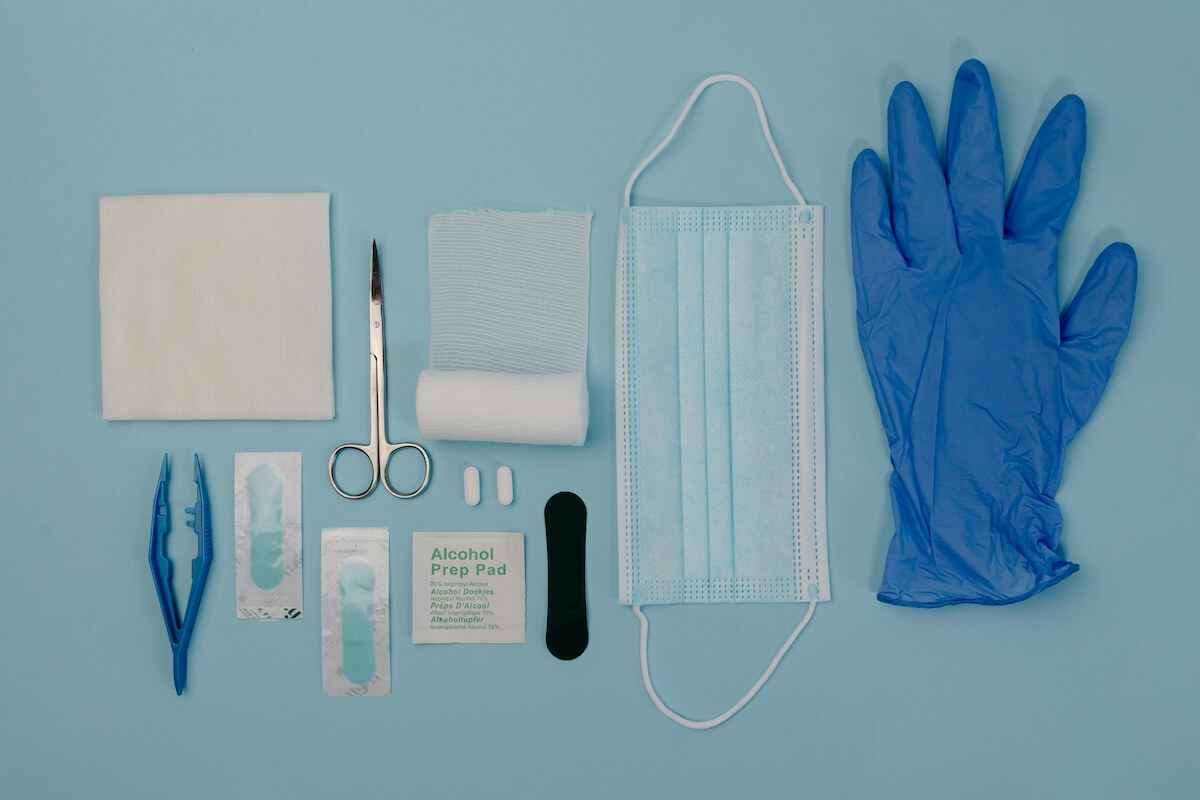
Most travel medical kits contain too much rarely-needed stuff and too little commonly-needed stuff. Twenty bandages for cuts you'll probably never get; zero medication for the digestive issues you'll almost certainly experience. Build your kit around what actually goes wrong on trips, not hypothetical emergencies.
The foundation: pain reliever (ibuprofen or acetaminophen), antihistamine for allergies, anti-diarrheal (loperamide), oral rehydration salts, antacid, and motion sickness medication if prone. These address the problems travelers actually encounter—headaches, allergic reactions, digestive issues, and nausea. Pack enough for your trip length, not just a few doses.
Consider adding a broad-spectrum antibiotic if your doctor will prescribe one. Ciprofloxacin or azithromycin can treat traveler's diarrhea that doesn't resolve with basic treatment. Having this option is valuable in places where pharmacies stock questionable medications or where accessing a doctor takes time. Use only if genuinely needed—antibiotics aren't appropriate for viral infections or mild symptoms.
- Pain/fever: Ibuprofen, acetaminophen
- Digestive: Loperamide (Imodium), oral rehydration salts, antacid
- Allergy: Antihistamine (cetirizine or diphenhydramine)
- Wound care: Adhesive bandages, antibiotic ointment, alcohol wipes
- Prescription: Personal medications, broad-spectrum antibiotic if prescribed
- Miscellaneous: Sunscreen, insect repellent with DEET, tweezers, thermometer
Pack prescription medications in original containers with pharmacy labels. Some countries scrutinize medications at customs; original packaging with your name proves legitimacy. Carry prescriptions or a doctor's letter for controlled substances—pain medications, anxiety medications, and ADHD medications can trigger problems at borders without documentation.
Pharmacies Abroad
Pharmacies in most countries stock familiar medications, often available without prescription. What requires a prescription at home may be sold over-the-counter elsewhere. This can be convenient—antibiotics, strong antihistamines, and various medications are easily accessible in much of Latin America, Southeast Asia, and elsewhere.

The tradeoff is quality assurance. Counterfeit medications are a genuine problem in some regions—the WHO estimates 10% of medicines in low and middle-income countries are substandard or falsified. Stick to pharmacies that look established and professional. Avoid buying medications from markets, street vendors, or pharmacies that seem unusually cheap. When possible, buy name brands you recognize rather than local generics.
Learn the generic names of medications you might need, not just brand names. Ibuprofen is ibuprofen worldwide; Advil means nothing in most countries. Pharmacists who don't speak English can often help if you know the generic name or can describe symptoms clearly. Translation apps with medical vocabulary help bridge communication gaps.
Finding Medical Care Abroad
For minor issues, pharmacies often provide the first level of care. Pharmacists in many countries can assess symptoms and recommend treatments for common problems. This is faster and cheaper than clinic visits for straightforward issues like mild infections, digestive problems, or skin irritations.
When you need an actual doctor, options depend on location. Major cities worldwide have private clinics catering to foreigners—staff speak English, facilities meet international standards, and they're experienced with travel-related issues. These clinics cost more than local options but provide familiar quality and clear communication. Your hotel, embassy, or travel insurance can recommend specific clinics.

Public hospitals exist in most countries and treat emergencies regardless of ability to pay or insurance status. Quality varies enormously—from excellent in countries with strong public healthcare to challenging in resource-limited settings. For genuine emergencies, go to the nearest hospital; for non-emergencies, research quality options first.
In remote areas, medical infrastructure may be minimal or absent. Serious illness or injury in such locations requires evacuation to better facilities—sometimes by helicopter, sometimes by long drives on rough roads. Understanding what medical care exists at your destination, and what happens if it's inadequate, should factor into your travel planning and insurance decisions.
Travel Health Insurance That Actually Works
Standard health insurance from your home country typically provides limited or no coverage abroad. Some policies cover emergency care; most exclude international claims entirely. Don't assume your regular insurance works overseas—verify the specifics before traveling.
Travel health insurance fills this gap. Policies cover emergency medical treatment, hospitalization, and often medical evacuation—transport to a facility capable of treating your condition. Evacuation coverage is critical; medical flights can cost $50,000-$100,000 or more. Without coverage, you either pay this yourself or remain in inadequate facilities.
Read policy details carefully. Key questions: Does it cover your destination countries? Does it include evacuation to your home country or just to the nearest adequate facility? What's the deductible and maximum coverage? Does it require upfront payment with later reimbursement, or does it pay providers directly? Are pre-existing conditions excluded, and how are they defined?
Reputable travel insurance providers include World Nomads, IMG Global, Allianz, and GeoBlue. Annual policies make sense for frequent travelers; single-trip policies work for occasional trips. Expect to pay $50-150 for a two-week trip depending on destination, age, and coverage level. The cost is trivial compared to potential uninsured medical expenses.
Common Travel Illnesses
Traveler's diarrhea affects 30-70% of travelers to developing countries. It's usually caused by bacteria in food or water and resolves within a few days. Treatment focuses on hydration—oral rehydration salts replace lost fluids and electrolytes better than water alone. Anti-diarrheal medication provides symptom relief but doesn't treat the underlying cause. Seek medical attention if symptoms persist beyond three days, include high fever, or involve bloody stool.
Respiratory infections are common, especially on planes and in crowded transit. They're usually viral and resolve without treatment beyond rest and symptom management. Bacterial respiratory infections require antibiotics; distinguishing between viral and bacterial isn't always obvious without medical assessment.
Mosquito-borne illnesses—dengue, malaria, chikungunya, Zika—vary by region. Prevention matters most: use DEET-based repellent, wear long sleeves at dawn and dusk when mosquitoes are active, sleep under treated nets where appropriate, and take malaria prophylaxis if recommended for your destination. Symptoms of these diseases often resemble severe flu; seek medical attention for high fever, severe headache, or rash in mosquito-endemic areas.
Altitude sickness affects travelers to high elevations—above about 2,500 meters. Symptoms include headache, nausea, fatigue, and difficulty sleeping. Prevention involves ascending gradually and allowing time to acclimatize. Acetazolamide (Diamox) can help prevent and treat symptoms. Descend immediately if symptoms become severe—altitude sickness can become life-threatening.
Documentation and Preparation
Before departure, compile essential medical information: your blood type, known allergies, current medications with dosages, and any significant medical history. Store this information where you can access it even without your phone—a card in your wallet, for example. In an emergency where you can't communicate, this information helps medical providers treat you safely.
Photograph your prescriptions, vaccination records, and insurance cards. Store these in cloud services accessible from any device. If original documents are lost or stolen, digital copies facilitate replacements and prove coverage.
Know your insurance company's emergency contact number and procedures before you need them. Some insurers require pre-authorization for hospitalization; others want notification within specific timeframes. Understanding these requirements while healthy is easier than figuring them out while sick in a foreign hospital.
The goal isn't to anticipate every possible medical scenario. It's to handle common issues yourself, know when and how to seek professional care, and ensure that financial and logistical barriers don't prevent you from getting help when you need it. Medical preparedness is like travel insurance—you hope to never use it, but its value becomes obvious the moment you need it.


Comments
How did this story make you feel?
No comments yet. Be the first to share your thoughts!