Solo Female Travel: A Practical Safety Guide
Women traveling alone face considerations that generic safety advice doesn't address. Not because the world is more dangerous than it appears—it usually isn't—but because certain situations require specific strategies. This guide covers what actually matters: the real risks, the practical precautions, and how to travel confidently while staying smart.
I've traveled solo through thirty-some countries across six continents. I've wandered alone through Marrakech medinas, taken night trains through India, and walked home through unfamiliar cities after dark. The vast majority of these experiences were positive—not despite being a woman alone, but simply as a traveler moving through the world.
That said, I've also experienced harassment, felt unsafe in certain situations, and learned (sometimes the hard way) which precautions actually matter and which are theater. The goal isn't fearlessness—it's informed confidence. Understanding real risks, developing practical strategies, and knowing when to trust your instincts and when they're overcalibrated by cultural anxiety.
This guide is what I wish I'd had before my first solo trip: specific, practical, honest about both risks and rewards.
The Reality: What's Actually Risky
Most dangers that loom large in imagination are statistically rare. Violent crime against female tourists is uncommon in the vast majority of destinations—often less common than in travelers' home cities. The sensational stories that make news are news precisely because they're exceptional.
What's genuinely more common for women travelers: harassment (verbal, and sometimes physical), unwanted attention, persistent approaches, and situations that feel uncomfortable even when they're not technically dangerous. These aren't usually safety threats, but they're exhausting and can affect your experience significantly.
The actual safety risks that deserve attention: drink spiking (real, though rarer than feared), transportation situations where you're isolated with a stranger, accommodations with poor security, and walking alone at night in unfamiliar areas. These are manageable with specific strategies.
Before You Go: Destination Research
Research isn't about finding the "safest" destinations—safety varies more within countries than between them. It's about understanding local context so you can navigate effectively.
Read recent accounts from solo female travelers to your specific destination. What did they experience? What strategies worked? What areas did they avoid? This ground-level information is more useful than generalized country assessments. Travel forums, women's travel groups, and recent blog posts provide current, specific insights.
Understand cultural norms around gender. In some places, a woman traveling alone is unremarkable; in others, it's unusual enough to attract attention. Neither is inherently dangerous, but understanding local expectations helps you interpret situations correctly and respond appropriately.
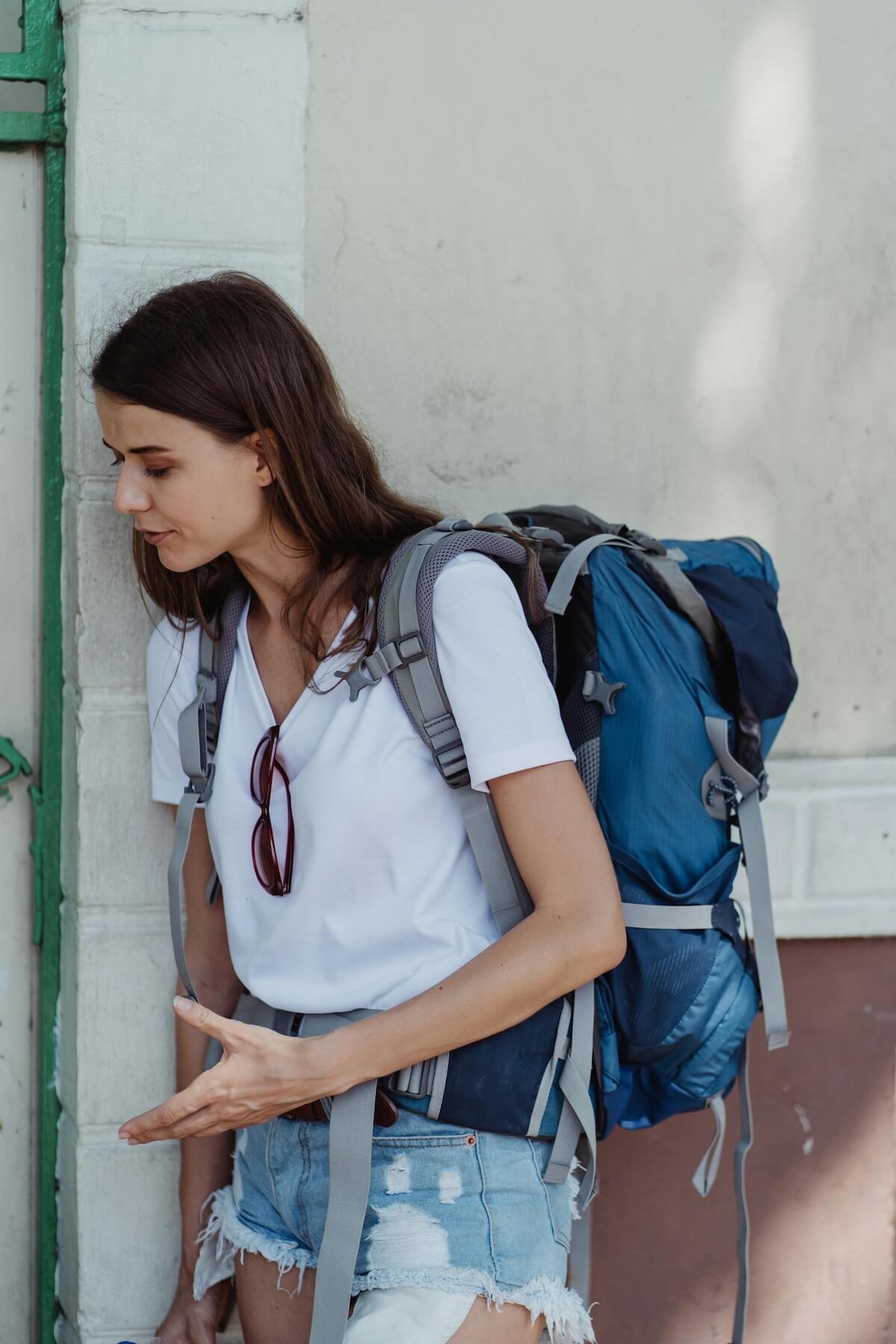
Learn about dress norms. This isn't about judgment—it's about reducing unwanted attention. In conservative areas, dressing modestly (whatever that means locally) often reduces harassment significantly. It's not a guarantee, and it's not your responsibility to prevent others' behavior, but it's a practical tool that many experienced travelers use.
Identify which neighborhoods to approach with caution and which are fine. Every city has both. Know the difference before you arrive so you're not making these assessments in unfamiliar territory.
Accommodation Strategy
Where you stay matters more when you're traveling alone. Your accommodation is your home base, your retreat, your safe space. It's worth investing in.
Location over amenities. A basic guesthouse in a well-located, busy area is usually safer than a nicer hotel in an isolated or sketchy neighborhood. You'll be coming and going; the surrounding environment matters.
Read recent reviews specifically for security mentions. Do rooms lock properly? Is there 24-hour reception? How's the neighborhood at night? Have other solo female travelers felt safe? These details don't always appear in official descriptions but surface in reviews.
Consider female-only dorms or floors when staying in hostels. These exist in many places specifically because women want them. They eliminate certain concerns (though not all) and often have a good social atmosphere for meeting other travelers.
Simple room security helps: use the door chain or deadbolt, check that windows lock, and consider a portable door alarm or door wedge for additional peace of mind. These are probably unnecessary in most places but weigh nothing and provide reassurance.
Request rooms on upper floors (harder to access from outside) but not too high (fire safety). Avoid ground floor rooms with accessible windows. If your room assignment feels wrong—poor lighting, isolated location, sketchy hallway—ask to switch.
Transportation: The Vulnerable Moments
Transportation is when solo travelers are most vulnerable: you're moving through unfamiliar space, sometimes at odd hours, often with limited options. This is where specific precautions pay off.
Arrange airport transfers in advance when arriving somewhere new, especially at night. Having a driver who expects you eliminates the taxi-queue negotiation that can be uncomfortable. Many accommodations offer pickup services; they're worth the modest cost.
Use ride-hailing apps where available. Uber, Grab, Bolt, and local equivalents provide recorded rides with identified drivers—accountability that unmarked taxis lack. Share your ride status with a friend. Note the license plate before getting in.
For regular taxis: sit in the back (easier exit from either side), keep your phone visible and charged, and if possible, appear to know where you're going even if you don't. A confident "I've been here before" manner discourages anyone testing whether you're an easy target.
Trust your instincts about drivers. If something feels off—conversation turns inappropriate, route seems wrong, requests feel strange—you can always ask to stop and exit in a public place. It's better to slightly inconvenience yourself than ignore a genuine warning sign.
Night transportation requires extra caution. Avoid being the last person in a shared vehicle. Don't accept rides from strangers. Plan your route home before you need it, while you're still clearheaded and have options.
Handling Unwanted Attention
Unwanted attention ranges from mildly annoying to genuinely threatening. Different situations require different responses.
For casual street harassment—comments, catcalls, staring—ignoring is usually most effective. No response is often the response. Engaging, even to tell someone off, can escalate situations that would otherwise end quickly. Walk with purpose, keep your gaze forward, and don't break stride.
For persistent approaches—someone following you, not taking no for an answer—get to people. Enter a shop, approach a group, find staff or security. Make the situation public. Most harassment relies on isolation; removing that changes the dynamic.
Cultural context matters for interpreting interactions. In some places, talking to strangers is normal and friendly; in others, a man striking up conversation with a woman alone may have different implications. Learn to read local patterns. When unsure, friendly but brief responses allow graceful exits.
The fictional husband or boyfriend is a classic tool for a reason: in some contexts, "I have a boyfriend" is more effective than "I'm not interested" because it frames rejection in terms the other person already accepts. It's not about what should work; it's about what does work. Use whatever gets you out of unwanted situations.
Body language communicates before words. Confident posture, purposeful walking, and minimal eye contact with harassers all signal that you're not an easy target. This isn't about changing who you are—it's about the persona you project in situations that require it.
Night Safety
Night introduces variables that don't exist during the day: fewer people, less visibility, potentially impaired judgment (yours or others'), and fewer immediate options if something goes wrong.
Know your route home before going out. This sounds basic, but it matters. When it's late and you're tired (or impaired), having a clear plan is much better than making decisions on the fly. Know which streets are well-lit, where you can find taxis, and roughly how long it takes.
Stick to populated areas. Well-lit streets with people, not empty shortcuts. The slight extra time is worth the visibility. If you must walk through quiet areas, be on alert—phone away, aware of your surroundings, ready to change course if something feels wrong.
Watch your drinks. This is one of the few genuinely serious risks. Never leave a drink unattended; if you do, don't finish it. Accept drinks only from bartenders, and watch them being poured. This isn't paranoia—drink spiking is real and the consequences are severe.
Limit alcohol when you don't have trusted companions. There's nothing wrong with drinking, but your risk assessment ability degrades with impairment. Solo travelers lack the safety net of friends looking out for them. Adjust accordingly.
Communication and Check-Ins
Someone should always know roughly where you are. This isn't about fear—it's about having a safety net if something does go wrong.
Share your itinerary with a friend or family member before you leave. Update them when plans change significantly. A simple daily check-in text takes seconds and means someone will notice if you go silent.
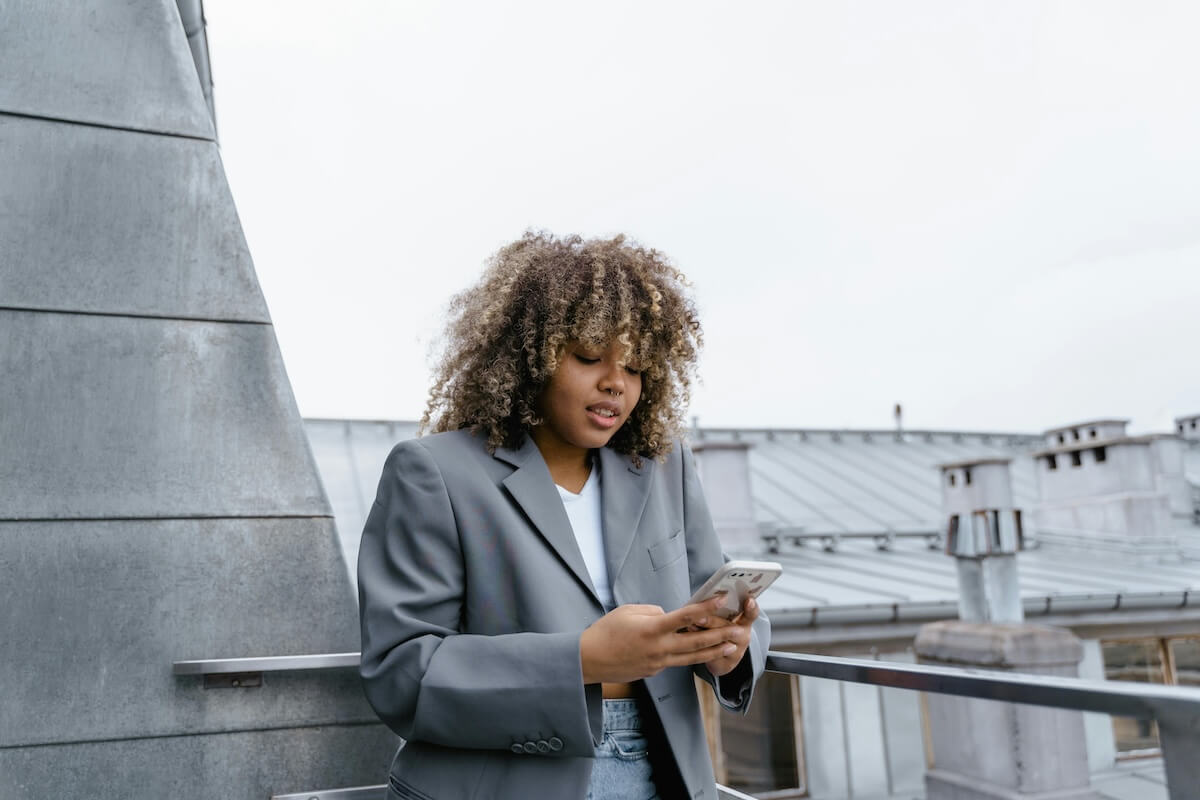
Location sharing apps let trusted contacts see where you are in real time. This can feel invasive in normal life but provides genuine safety value while traveling alone. Consider enabling it for the duration of your trip.
Have emergency contacts easily accessible: your country's embassy, local emergency numbers, your travel insurance line, and someone at home who can coordinate if needed. Store these both in your phone and written somewhere physical in case your phone is lost.
When meeting people you've just met—for tours, activities, dates—tell someone. Text a friend the person's name, where you're going, and when you expect to be back. This isn't about suspicion; it's about prudent practice.
Social Situations and Meeting People
Solo travel doesn't mean isolated travel. You'll meet people—other travelers, locals, potential friends. Most of these interactions will be positive. A few warrant caution.
Trust your instincts about people. If someone feels off, it's okay to end the interaction. You don't owe strangers your time or an explanation. "I need to go" is a complete sentence.
Meet new acquaintances in public places. Coffee, not their apartment. A restaurant, not a private tour. Establish trust through public interactions before moving to more private settings.
Be cautious about sharing accommodation details. You don't need to reveal which hotel you're staying at or your room number. Vague answers ("somewhere in the center") are fine and appropriate with people you've just met.
Group tours and activities are great ways to meet people in structured, safe environments. Hostel common rooms, group day trips, and classes create natural social opportunities without the uncertainties of unstructured encounters.
Destination-Specific Considerations
Experiences vary dramatically by destination. What's appropriate in Amsterdam differs from what's appropriate in Amman. Some patterns to consider:
In Western Europe, Japan, Australia, and similar destinations, solo female travel is common and generally unremarkable. Standard safety precautions apply, but special gender-specific concerns are minimal. These are great destinations for first-time solo travelers gaining confidence.
In South America, Southern Europe, and parts of Southeast Asia, street harassment may be more common but serious safety threats remain rare. Expect more verbal attention; develop strategies for deflecting it. Most travelers report positive experiences despite occasional annoyances.
In South Asia, the Middle East, and North Africa, conservative dress typically reduces unwanted attention significantly. Cultural norms around gender interaction may be unfamiliar. These destinations reward research and preparation but are absolutely doable—many women travel solo here and love it.
A few places have genuinely elevated risks for women and warrant serious caution or avoidance. Research current conditions for specific destinations; situations change, and blanket generalizations about regions often miss important nuance.
The Confidence Factor
Confidence—or its appearance—is itself a safety tool. People who look like they know what they're doing attract less unwanted attention than people who appear lost, confused, or vulnerable.
Walk with purpose even when you're not sure where you're going. Consult maps in shops or cafés rather than standing confused on street corners. Look like you belong, even when you don't.
Make eye contact briefly, confidently, then look away. Avoiding all eye contact can read as fearful; staring can invite interaction. A brief acknowledgment that communicates awareness without invitation strikes the balance.
Develop a "don't mess with me" mode you can activate when needed. It's not about being unfriendly—it's about having a setting available when situations require it. You can turn it off when you're in contexts where friendliness is appropriate.
This sounds like performing, and it is. You're projecting a version of yourself appropriate to circumstances. This isn't inauthentic; it's adaptive. Everyone does it in different contexts. Travel is just another context.
What to Carry
A few items provide practical safety value beyond the general packing list.
A doorstop or portable door alarm provides room security beyond hotel locks. Probably unnecessary most places, but they weigh nothing and provide peace of mind.
A small flashlight helps in unfamiliar dark areas, power outages, or checking dark corners. Your phone works too, but a dedicated flashlight is brighter and doesn't drain your phone battery.
A scarf or sarong serves multiple purposes: covering shoulders or legs in conservative areas, doubling as a blanket on cold buses, or wrapping over your head if needed. Versatile and useful beyond safety.
Consider whether personal safety devices make sense for you. Some travelers carry personal alarms (loud attention-getters), and laws about other self-defense items vary by country. Research what's legal at your destination; carrying prohibited items creates its own problems.
The Mental Game
Fear can ruin a trip as effectively as any actual problem. Learning to manage anxiety while staying appropriately alert is part of the skill of solo travel.
Distinguish between fear and danger. Fear is an emotion; danger is a situation. Sometimes they align; often they don't. The unfamiliar can feel scary without being dangerous. Learning to assess situations rather than just react to feelings takes practice but gets easier.
Prepare for discomfort without expecting disaster. You'll probably experience some harassment, some awkward moments, some situations you'd rather avoid. These are rarely serious and usually just part of the texture of travel. Framing them as manageable challenges rather than threatening crises helps.
Celebrate your competence. Every situation you navigate successfully builds confidence for the next one. You're more capable than you might believe, and solo travel proves it repeatedly.
The Reward
Solo female travel isn't about proving anything or being brave. It's about having experiences that aren't available any other way. The particular freedom of moving through the world on your own terms, making decisions based purely on your own interests, meeting people as an individual rather than part of a pair or group.
Women traveling alone often report that they have more meaningful interactions than when traveling with companions. Locals engage differently with solo travelers. Other solo travelers find each other. The social dynamics of being alone, counterintuitively, often lead to more connection rather than less.
The world is largely full of good people who will help you, welcome you, and make your trip better than you expected. The precautions in this guide are for the exceptions—real but rare. They shouldn't overshadow the reality: most of your experience will be positive, and the difficult moments will become stories and lessons.
Travel prepared, travel smart, and travel. The world is worth it.


Comments
How did this story make you feel?
No comments yet. Be the first to share your thoughts!